







What makes Duncan Estate coffee in Panama Boquete stand out?
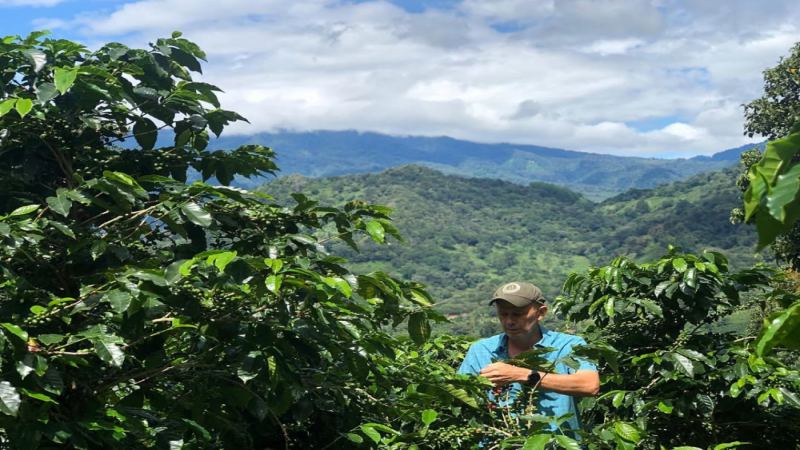
The Duncan Estate sits in Panama's Boquete region under the Kotowa family, a farm with more than a century of coffee history. Its volcanic soil, high altitude, and rainfall of up to 3,500 millimeters a year support Arabica trees, and the estate has repeatedly placed at the top of the Panama auction. Its Geisha White Honey lots carry the floral, fruit-forward character the region is known for.
Boquete and Volcan cluster around the Baru Volcano in Chiriqui Province, Panama's core specialty coffee area. Kotowa now includes seven farms and is run by fourth-generation successor Ricardo Koyner. Panamanian coffee grading and processing share much with neighboring Costa Rica, and the country also hosts the annual Panama and Gesha auctions. Front Street Coffee has also brought in the estate's Natural Caturra, roasted medium-light.
The Duncan Estate in the Boquete region of Panama is a specialty coffee estate under the Kotowa family with over a century of history. With its exceptional geographical conditions and strict ecological management, it has become a frequent winner at the Best of Panama (BOP) auction. This article provides a comprehensive introduction to the Duncan Estate's regional background, growing environment, processing methods, and award history, with a focus on analyzing the flavor characteristics of its Geisha White Honey processed coffee beans. Meanwhile, Front Street Coffee has also acquired the estate's Natural Caturra, presenting through medium-light roasting and cupping the layered notes of floral, candied fruit, and fermented fruit. Whether you are a Geisha enthusiast or a Caturra fan, you can experience the unique charm of Panamanian specialty coffee.
The Coffee Origins of Panama
Located on the Central American isthmus, Panama borders the Caribbean Sea to the north and the Pacific Ocean to the south, serving as a natural bridge connecting North and South America, with an extremely strategic geographical position. After becoming a Spanish colony in 1501, Panama began planning and constructing the world-famous Panama Canal, which opened to navigation in 1914. Sharing a border with Costa Rica, Panama has many similarities with Costa Rica in terms of coffee bean grading and even processing methods.
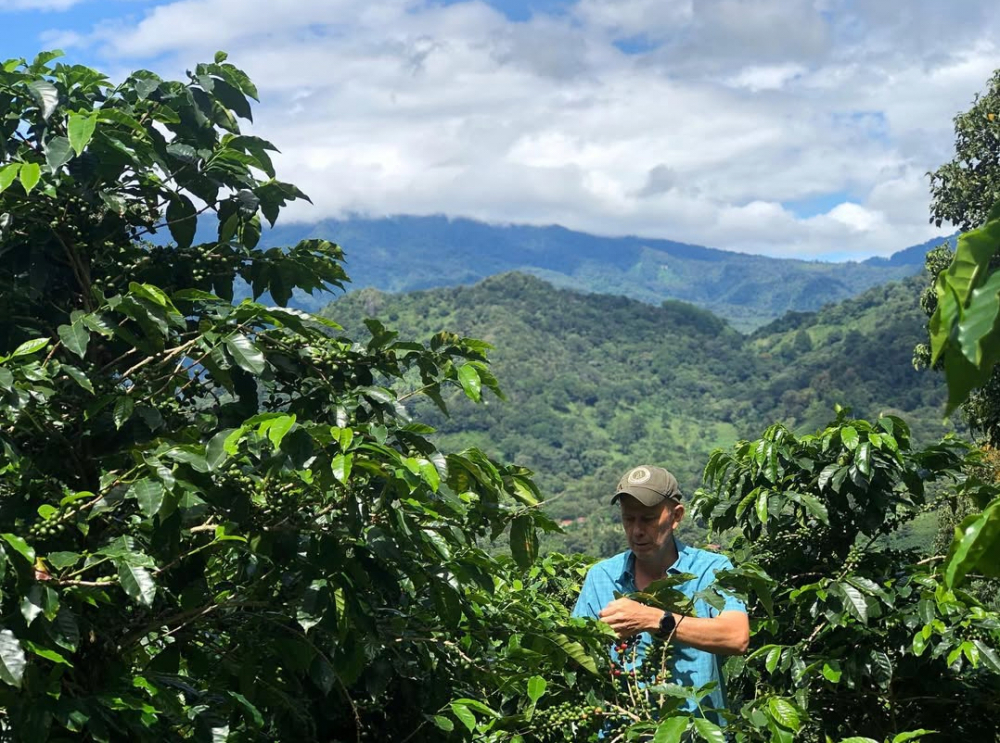
Every year, Panama hosts two major events that captivate the global coffee community, namely the "Best of Panama" and the "Gesha" auctions. Chiriqui Province is currently the core production region for Panamanian specialty coffee, with Boquete and Volcan around the Baru Volcano being particularly famous. This region has four distinct seasons, fertile volcanic soil rich in minerals, high altitude, and annual rainfall of up to 3,500 millimeters, providing ideal conditions for the growth of Arabica coffee trees.
Cordillera de Talamanca Estate — Kotowa Duncan Estate Introduction
The word "Kotowa" originates from the indigenous language, meaning "mountain." Over a hundred years ago, Alexander Duncan McIntyre came to Panama and was captivated by the simple local customs and beautiful environment. Since then, his family has taken root here to grow coffee, and it is now managed by the fourth-generation successor, Ricardo Koyner.
Currently, Kotowa has a total of seven farms, five of which are familiar to coffee lovers: Finca Kotowa DUNCAN (Duncan Estate), Finca Kotowa Don K (Don K Estate), Finca RIO CRISTAL (Crystal River Estate), Finca Kotowa TRADICIONAL (Traditional Kotowa Estate), and Finca Kotowa LAS BRUJAS (Witches Estate). The other two new farms, Mango and Redondo, currently have no coffee beans on the market.
Among them, the Don K Estate sits at an altitude of approximately 1,700-1,750 meters, located on the western slope of the Boquete region beside the Baru Volcano, facing the Duncan Estate across the volcanic ridge. Although they are in the same production region, the microclimates on opposite sides of the valley give the two estates' coffees distinctly different flavors. In addition, every batch of green coffee beans on the estate is guaranteed to be traceable, with each bag of coffee having detailed records on the farm covering cultivation, processing, and other stages.
Kotowa Is a Frequent Winner in Coffee Competitions
2016 BOP 1st Place (Traditional Natural Group)
2016 BOP 3rd Place (Traditional Washed Group)
2014 BOP 3rd Place (Traditional Washed Group)
2013 BOP 3rd Place (Natural Geisha Group)
Even with fierce competition in the BOP categories, its strength in consistently ranking among the top for many consecutive years is truly not to be underestimated.
Kotowa also places great emphasis on ecological conservation. In 2006, the Panamanian national authorities rated it as the cleanest environmental industry. Nearly 500 acres of forest reserve have been set aside around the estate, with strict fire prevention and a hunting ban, and over 500 additional native tree species have been planted, providing excellent natural habitats for wildlife and migratory birds and building a biodiversity-friendly agricultural environment. The estate follows a series of strict agricultural production standards, properly balancing social and environmental development: protecting natural water resources and ecosystems, conserving wildlife, preventing pests and diseases, maintaining soil health, implementing comprehensive waste management, maintaining community relations, providing free medical care, daytime care, school programs, and giving farmers and their families fair treatment and good living conditions.
During the harvest season, the estate carefully selects red-purple ripe cherries, processes them with modern pulping equipment, and uses naturally clean local water to wash the coffee berries and remove the pulp. Compared to other processing stations, only half a liter of water is consumed per pound of green coffee beans here, saving approximately 10 to 20 liters of water, while the pulp and wastewater are reused as organic fertilizer. After natural drying, the green coffee beans are stored in a warehouse maintained at a constant 45 degrees. After resting for two months, the moisture content becomes uniform, the flavor becomes more mature, and the aroma and taste become more captivating.
Every batch of green coffee beans on the estate is guaranteed to be traceable, with each bag of coffee having detailed records on the farm, including cultivation and processing procedures. At harvest, only the finest, 100% fully ripe coffee cherries are picked. The coffee is placed in specially made wooden barrels by different sizes and grades for resting, taking about 3 months. The flavor presents multiple fruit notes, with distinct floral aromas and delicate spicy sweetness.
The Kotowa family was the biggest winner at the 2012 Best of Panama, with its most famous Duncan Estate and Don K Estate together taking 5 winning lots. The Duncan Estate was founded in 1913 at an altitude of approximately 1,700 meters, located in the area of Boquete known as Volancito. Nights are cool without frost damage, while days are dry with abundant sunshine. It is deeply influenced by the microclimate where Pacific and Atlantic air currents converge, with abundant rainfall during the growing season and distinct wet and dry seasons. Combined with the fertile black soil formed by volcanic lava and good drainage conditions, it possesses exceptional growing conditions that create great Panamanian coffee. In addition, the estate is also a well-known specialty coffee estate in Panama, rated as the cleanest environmental industry by Panamanian national authorities in 2006. Beyond the careful attention in coffee production, it also emphasizes ecological conservation, wildlife protection, water resource recycling, and pest management. About 60% of the estate is covered by native tree species, and the coffee trees are shade-grown, certified by the Rainforest Alliance and recognized by the Specialty Coffee Association of America.
Duncan Estate Award Record:
2015 Best of Panama (BOP) Natural Geisha Group 4th Place, Traditional Variety Natural Group 6th Place.
2014 Best of Panama BOP Natural Geisha Group 5th and 7th Place, Washed Geisha Group 5th and 15th Place, Traditional Variety Natural Group 4th Place, Traditional Variety Washed Group 3rd and 5th Place.
2013 Best of Panama BOP Natural Geisha Group 3rd Place, Washed Geisha Group 14th Place, Traditional Variety Natural Group 4th Place, Traditional Variety Washed Group 7th Place.
2012 Best of Panama BOP Natural Geisha Group Champion, Washed Geisha Group 6th Place, Traditional Variety Natural Group 6th Place, Traditional Variety Washed Group 1st and 3rd Place.
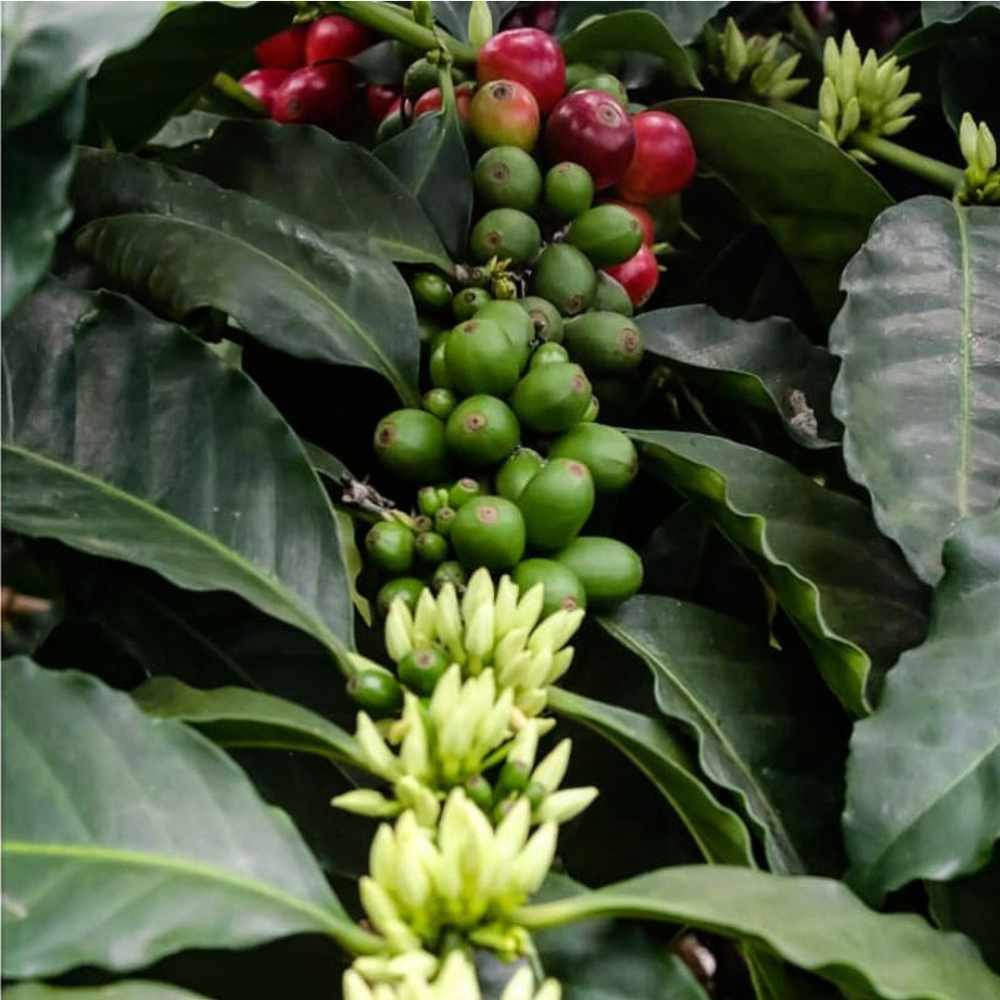
Panama Boquete Valley Duncan Estate Geisha White Honey 1700M
Panama Boquete Duncan 1700 Geisha White Honey
Region: Chiriqui Province, Baru Volcano, Boquete Production Region
Producer: Duncan Estate under the Kotowa Family
Variety: Geisha
Altitude: 1,700 meters
Processing Method: White Honey
Rainfall: 1,900 mm (from May each year to January of the following year)
Temperature: 13~22°C
Flavor Characteristics: Floral notes, lemon, orange, apricot, complex and refined aromas, crisp and sweet acidity, syrupy mouthfeel
In addition, Front Street has also acquired a Natural Caturra from the Duncan Estate. Those who regularly read our articles know that the ripeness of coffee cherries at harvest has a great impact on the final quality. To present the fullest coffee aroma, the Kotowa Estate requires workers to gently strip the coffee cherries when they turn wine-red, and to quickly carry out post-harvest processing to avoid excessive fermentation of the pulp, which would produce unpleasant flavors. Considering that this Caturra highlights floral and fruity notes while emphasizing caramelized sweetness, Front Street adopted a medium-light roast level and promptly conducted cupping and tasting.
FrontStreet Coffee: Duncan Estate Caturra Coffee Beans
Country: Panama
Region: Boquete, Duncan Estate
Variety: Caturra
Altitude: 1,650~1,750 meters
Processing Method: Natural
Flavor: Floral, candied fruit, prune, hawthorn, fermented notes
This Duncan Estate · Natural Caturra presents delicate pink floral and rich fruity aromas in the dry fragrance, which first reminds the Front Street team of fruits such as cranberry, cherry, and grape. After breaking the crust and removing the grounds, the coffee delivers flavors of ripe prune, grape, and sweet plum on the palate, along with a honey-like mellow aroma. As the temperature slightly drops, the refreshing sweet-and-sour notes of hawthorn gradually emerge, accompanied by the charm of fermented fruit wine, adding yet another layer to the entire cup.
The above content is compiled by CoffeeHunters, a coffee news website.


