







Search Results for: R.S.W Estate
Why Does Blue Mountain Coffee Insist on Washed Processing? The All-Washed Craft and Flavor Secrets of Front Street Coffee's R.S.W Estate
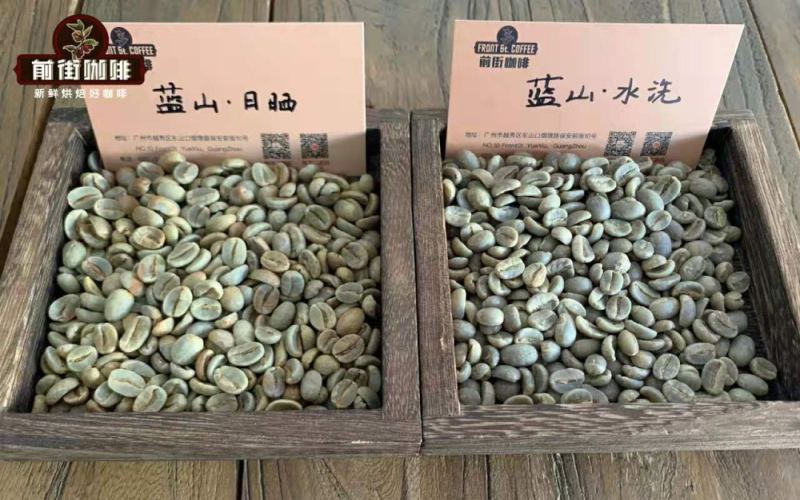
The reason Blue Mountain coffee enjoys a global reputation is inseparable from its consistently applied processing method. From the very beginning of cultivating Blue Mountain coffee, Jamaicans have insisted on the fully washed process, refusing to use other methods to process the coffee cherries, which gives Blue Mountain coffee its refined and smooth sensory characteristics. As the main consumer market for Blue Mountain coffee, Japan values not its illustrious reputation, but rather its low bitterness, rich aroma, and low acidity, which happen to align with Japanese people's sensory preferences for coffee. Front Street Jamaica Blue Mountain R.S.W No.1 comes from one of the estates at the highest altitude in the Blue Mountain legally designated growing region, and its refined washed processing and sun-drying techniques achieve a rich and full coffee flavor. This article will provide an in-depth analysis of the washed processing flow for Blue Mountain coffee, and how R.S.W Estate uses traditional craftsmanship to create top-quality Blue Mountain coffee with consistent quality. [more…]
The Complete Guide to Jamaican Blue Mountain Peaberry: R.S.W Estate Flavor Profile and Pour-Over, Siphon, and French Press Brewing Guide
Jamaican Blue Mountain coffee is globally recognized as one of the top-tier coffees, and Blue Mountain Peaberry is an especially rare and meticulously screened special grade within it. This article takes the R.S.W Estate Blue Mountain Peaberry recommended by Front Street Coffee as an example, systematically outlining the terroir conditions of the Blue Mountain region, the formation principles and grading standards of peaberry, and documenting in detail its complete performance from medium-dark roast to cupping flavors. The latter part of the article also compiles three brewing methods—pour-over, siphon, and French press—including specific coffee-to-water ratios, water temperatures, grind sizes, and pouring techniques, suitable for coffee enthusiasts who wish to gain a deeper understanding of Blue Mountain Peaberry and reproduce its delicate floral aroma themselves. [more…]
Tracing Jamaica Blue Mountain R.S.W. Combined Estate: From CIB Legislation to the Blue Mountain Coffee Export Grade System
Why can Blue Mountain coffee rightfully claim its status as a globally recognized top-tier growing region? The answer lies in the unique terroir of Jamaica's Blue Mountains and a rigorous management system. Front Street Coffee's Jamaica Blue Mountain R.S.W. United Estate Blue Mountain Coffee R.S.W ESTATES is a union of three estates—Resource, Sherwood Forest, and Whitfield Hall—using the honey processing method to deliver a clean, sweet, and delicate cup profile. This article will guide you through the origin of the Blue Mountain name, the composition of the R.S.W. United Estate, and the historical context of how, after the 1948 establishment of the Jamaica Coffee Industry Board (CIB), legislation defined Blue Mountain coffee, classified export grades, and ultimately entrusted Wallenford Estate with the mission of quality management. [more…]
A Detailed Guide to Jamaica's Top Blue Mountain R.S.W. Estate: The Reasons Behind Blue Mountain Coffee's High Price and Its Flavor Characteristics
Jamaican Blue Mountain coffee has long been known as the "Coffee Emperor," and R.S.W Estate is among the most outstanding in the Blue Mountain region. This article takes you deep into the composition and regional characteristics of R.S.W Estate, analyzes the rigorous process of Blue Mountain coffee from cultivation and processing to grading, and reveals the fundamental reasons for its high price. At the same time, this 100% authentic Jamaican Blue Mountain brought to you by Front Street Coffee presents a clean and sweet flavor through the honey processing method, with lime sweetness, berry acidity, and a delicate mouthfeel interwoven, leaving a long-lasting aftertaste. Whether you are a seasoned coffee enthusiast or a beginner taster, you can find highlights worth noting and purchasing references in it. [more…]
Exploring the Birthplace of Jamaican Blue Mountain Coffee: The Historical Legacy and Quality Secrets of Wallenford Estate
Why is Blue Mountain Coffee renowned worldwide? This article begins with the origins of Jamaican coffee, sorting through the unique natural conditions of the Blue Mountains, the characteristics of the Typica variety, strict washed processing and the CIB certification system, and highlights representative estates such as Wallenford Estate. It also explains the historical origins of Japan's priority purchasing rights, as well as roasting and brewing recommendations for Blue Mountain Coffee, helping enthusiasts truly understand authentic Blue Mountain Coffee and Front Street Coffee's sourcing logic. [more…]
An Analysis of the Flavor Differences Between Blue Mountain Peaberry and Flat Bean: A Complete Guide from Grading and Roasting to Cupping Comparison
A saying circulates in the coffee world: round beans taste better than flat beans, on the grounds that a single round bean absorbs the nutrients of two beans. Does this view really hold up? This article starts with Front Street Coffee's Jamaican Blue Mountain R.S.W round beans, systematically sorts out the formation principles, grading standards, and roasting characteristics of round beans, and through an actual roasting comparison and cupping verification of Front Street Coffee's Blue Mountain round beans and flat beans, objectively analyzes the true differences between the two in flavor performance. If you are currently torn between choosing round beans or flat beans, this article may give you a rational answer. [more…]
The Origins, Grading, Authenticity Identification, and Flavor Analysis of Jamaican Blue Mountain Coffee
Blue Mountain coffee is hailed as the king of the coffee world, and even those who don't drink coffee often are familiar with its name. This article will begin with the origins of Jamaican Blue Mountain cultivation, outline the three core production regions and the certification system of the Coffee Industry Board, analyze the grade differences between Blue Mountain, High Mountain, and Jamaican coffee, and provide an in-depth introduction to the washed processing method and four representative estates. In addition, we will share the brewing parameters and flavor description of Front Street Blue Mountain coffee, as well as practical methods for identifying authentic Blue Mountain from four dimensions: appearance, grind, aroma, and taste, helping you truly understand this legendary coffee. [more…]
Methods for Authenticating Jamaican Blue Mountain Coffee and a Detailed Guide to the Flavors of Major Estates by Region
Blue Mountain coffee is hailed as the king of coffee, but products labeled "Blue Mountain" on the market are a mixed bag, making it a concern for many enthusiasts to tell the genuine from the fake. This article starts with Jamaica's cultivation history, geographical conditions, coffee grading, and processing methods to systematically introduce the origin background of Blue Mountain coffee, and then analyzes one by one the flavor characteristics of well-known estates such as WALLENFORD, Mavis Bank, R.S.W, and Clifton Mount. At the end, it also provides daily brewing parameter suggestions and four practical tips for authenticity identification, helping you make a more accurate judgment when purchasing. Front Street Coffee also offers related recommendations for readers' reference. [more…]
A Complete Guide to Jamaican Blue Mountain Coffee: From Cultivation History and Grading to Front Street Brewing Tips
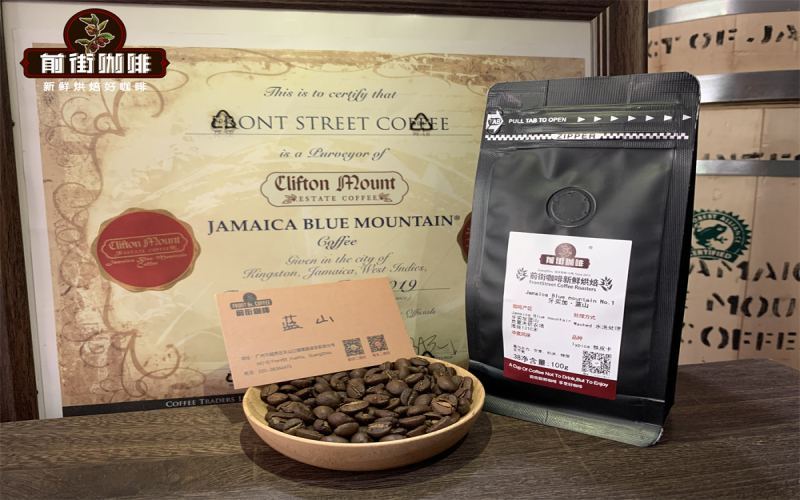
Jamaican Blue Mountain coffee is hailed as the king of coffees, and its homeland, Jamaica, boasts unique geographical conditions and a strict quality control system. This article begins with the cultivation history of Blue Mountain, sorts out the certification standards of the Coffee Industry Board, the three major production regions, and the six official marks, analyzes the grading rules and washed processing flow of Blue Mountain coffee, and introduces representative estates such as WALLENFORD, Mavis Bank, R.S.W., and Clifton Mount. At the end, it includes Front Street Coffee's brewing suggestions and methods for distinguishing genuine Blue Mountain from counterfeit, helping coffee lovers gain a comprehensive understanding of this classic coffee that combines a rich body with balanced flavor. [more…]
A Complete Guide to Jamaican Blue Mountain Coffee Beans: From History and Grading to Authenticity Verification and Front Street Brewing Tips
Blue Mountain coffee is hailed as the king of coffee, but do you really know it? From the perspective of Front Street Coffee, this article systematically reviews the cultivation history, geographical conditions, grading system, processing methods, and famous estates of Jamaican Blue Mountain coffee, and includes Front Street Coffee's brewing parameters and flavor description. At the same time, it teaches you how to distinguish authentic Blue Mountain No. 1 from Blue Mountain flavor blend beans on the market through four dimensions: appearance, feel when grinding beans, aroma, and taste. Whether you are a beginner enthusiast or a veteran gourmet in pursuit of the ultimate flavor, this content can help you understand Blue Mountain coffee more comprehensively and avoid common pitfalls in purchasing and tasting. [more…]
A Complete Guide to Jamaican Blue Mountain Coffee: The CIB Certification System, Three Major Growing Regions, and Key Points for Authenticity Verification
Blue Mountain coffee is one of the most prestigious coffees in the world, but products labeled "Blue Mountain" on the market are a mixed bag, and few people truly understand the system behind it. What exactly makes Jamaican Blue Mountain coffee special? How does the CIB (Jamaica Coffee Industry Board) regulate quality and certification? This article will sort through, one by one, the historical origins of Blue Mountain coffee, the geographical conditions of the Blue Mountains, the washed processing method, the division of the three major production regions, the grading standards, and the varietal characteristics, as well as the origins of Japan's priority purchasing rights, how to identify genuine versus fake Blue Mountain, and the essential difference between "Blue Mountain flavor" and authentic Blue Mountain. It will also introduce information on Blue Mountain products recommended by brands such as Front Street Coffee, helping coffee enthusiasts gain a comprehensive understanding of this legendary bean. [more…]
Flavor Analysis of Panama Elida Estate Coffee Beans: Varieties, Processing Methods, and Cupping Comparison in the Boquete Region
The Boquete region of Panama has always been the golden zone for specialty coffee. Today, Front Street Coffee focuses on Elida Estate to show you what makes coffee nurtured by this high-altitude volcanic soil so unique. The article begins with the terroir conditions of the Boquete region, then traces Elida Estate's cultivation history, varietal composition, and processing methods, and combines Front Street Coffee's cupping experience to describe in detail its dry aroma, wet aroma, and overall flavor trajectory. At the same time, Front Street Coffee also compares Elida Estate with Hartmann Estate and Hacienda La Esmeralda's Diamond Mountain series, helping you more clearly understand how different processing methods and regions shape coffee flavor. [more…]

Panama BOP Champion Elida Estate Geisha Flavor Analysis: Everything You Need to Know About the Plots Under the Lamastus Family
At the 2024 Panama BOP Geisha auction, Elida Estate's natural Geisha once again set a new record with a sky-high price of $10,013 per pound, claiming the top lot. This century-old renowned estate is not reaching the summit for the first time; it is not only the first double-crown Geisha champion in BOP history, but also second only to Hacienda La Esmeralda in number of wins. Elida Estate was founded in 1918 and has now been passed down to the fourth generation of the Lamastus family. In addition to Elida, the family also owns well-known plots such as El Burro Estate and Luisito Estate, and in recent years has even purchased the high-altitude El Toro Estate. Front Street Coffee cupped this champion bean this time, and it displayed the captivating flavors of pomegranate, peach, white floral notes, and black tea. This article will give you a comprehensive understanding of Elida Estate's history, plot distribution, and flavor performance. [more…]
A Complete Flavor Analysis of Panama El Burro Estate Geisha Coffee: Sun-Dried Processing and Cupping Performance of a Century-Old Famous Estate
The Boquete region of Panama has nurtured many world-renowned coffee estates, and El Burro Estate is one of them, soon to enter its centennial history. The estate was founded in 1925 by French immigrant Aristides Boutet, and was later acquired and managed by the Lamastus family due to family ties. Its unique geographical location—near the Baru Volcano mountain range—gives the coffee excellent terroir conditions. The estate mainly cultivates Geisha and Catuai, and in recent years has achieved repeated success in the Best of Panama competition; in 2016, Japan's Maruyama Coffee even won the world championship with El Burro Estate Geisha. Front Street Coffee is now bringing a naturally processed El Burro Estate Geisha, using a medium-light roast, whose cupping reveals a rich layering of green grape, apricot, orange, dried longan, and floral notes intertwined. This article will take you deeper into the history, terroir, and unique flavor of El Burro Estate's Geisha. [more…]
A Complete Guide to Panama Aurora Estate Geisha: Flavor Stories of Iron Man Washed and Camilina Natural, Plus Brewing Tips
Panama's Aurora Estate is located in the Volcán region, adjacent to the Costa Rican border, and rose to fame after winning the BOP Washed category with its Ironman Geisha in 2013. Estate owner Roberto Brenes, a former central bank governor, runs the estate with a triathlete's spirit: the washed lots are named Ironman, while the natural lots take their name from his granddaughter, Carmilina. Front Street Coffee has acquired this estate's new-season Carmilina Natural Geisha, given it a medium roast, and found that pour-over brewing brings out floral notes, yellow lemon, strawberry, guava, and an oolong tea finish. This article covers the estate's background in full, the naming origins of the two Geishas, the details of the natural processing, and Front Street's recommended brewing parameters and flavor notes. [more…]
Costa Rica Aquiares Estate Coffee Bean Profile: 2017 WBC Competition Bean and Rainforest Certification Information
Located in the Turrialba region of Costa Rica, Hacienda Aquiares is one of the largest coffee plantations in the country and the birthplace of Centroamericano, the competition bean used at the 2017 World Barista Championship (WBC). Founded in the late 19th century, the estate sits on volcanic slopes between two rivers, with abundant natural water sources and a pristine forest reserve, and it obtained Rainforest Alliance certification as early as 2003/2004. The estate primarily cultivates Arabica varieties such as Caturra, Catuai, and Catimor, employs washed processing combined with sun-drying and mechanical drying, and produces approximately 15,000 bags annually. Its coffee is known for flavors of nuts, caramel, plum, chocolate, and a sucrose-cream finish, with bright fruit acidity and a smooth body. Front Street Coffee has specially compiled complete estate information to give you an in-depth look at the terroir story behind this WBC competition bean. [more…]
A Complete Analysis of Panama Coffee Origins, Varieties, and Flavors: An Introduction to Boquete and Other Specialty Estates
Although Panama is a small country, it occupies a pivotal position in the world of specialty coffee. Its high-altitude areas in the western province of Chiriquí give rise to top-tier beans sought after by coffee lovers worldwide. From Boquete to the surroundings of Volcán Barú, a group of star estates, relying on unique microclimates and relentless research, have repeatedly broken cupping records. This article will systematically review Panama's main coffee-producing regions, common varieties, and processing methods, and introduce one by one the flavor characteristics and background stories of representative estates such as Hacienda La Esmeralda, Elida Estate, and Carmen Estate, helping readers gain a comprehensive understanding of the coffee charm of this "Valley of the Moon." [more…]
Panama Elida Estate Natural Geisha Pour-Over Tutorial: A Complete Analysis from BOP Champion Estate to Cup Flavor
As a representative of Panamanian specialty coffee, Elida Estate has won numerous awards in the Best of Panama (BOP) competition in recent years, with its washed and natural Geisha each taking first place in their respective categories. This article takes you deep into Elida Estate's terroir, lot management, and the sources of its unique flavors, and shares in detail the pour-over parameters and step-by-step method for Front Street Coffee's Elida Estate Natural Geisha. At the same time, we will also introduce two coffees from the estate, Catuai and Typica, so you can experience the diverse charm of a champion estate at once. Whether you are a seasoned enthusiast or a beginner pour-over brewer, you can gain practical brewing ideas from it. [more…]

Panama Elida Estate Natural Geisha Auction Lot: A Full Flavor Analysis of the 2017 Best of Panama Award-Winning Estate
In the Boquete production region of Panama, there is a legendary estate named after the estate owner's wife—Elida Estate. Since its founding by Robert Lamastus in 1918, four generations of the Lamastus family have remained committed to the cultivation and production of high-quality coffee, and today they have even expanded their holdings to the family's fifth estate, Trompo Estate. In 2017, Elida Estate's Geisha Natural competition lot won the Best of Panama award, and Front Street Coffee conducted a cupping immediately after completing the roast. This coffee displays rich layers of pomegranate, peach, white floral notes, grape, and black tea, with extremely high sweetness, rounded acidity, a silky mouthfeel, and a pronounced tea-like finish. As the temperature changes, the flavor transitions from peach sweetness to apricot, and the juicy quality becomes increasingly full. This article will take you deeper into the history and heritage of this century-old estate and the complete flavor expression of this competition lot. [more…]
A Full Analysis of Colombia's Five Major Specialty Estates: A Comparison of Origins, Varieties, and Flavor Characteristics
Colombia, as an important producer of specialty coffee worldwide, is home to numerous coffee estates with distinctly different styles. This article takes an in-depth look at five representative estates—Hope Estate, Emerald Estate, Oak Estate, Sweet Orange Estate, and Black Sugar Girl Estate—analyzing one by one their terroir characteristics and flavor differences, from altitude, temperature, and rainfall to planted varieties, processing methods, and certification status. Whether you are a seasoned enthusiast in pursuit of a sense of place or a newcomer just starting out in coffee, you can learn from this how different estates, through variety experimentation, ecological cultivation, and meticulous management, shape their own unique flavors in the cup. Front Street Coffee recommends that you savor these specialty works from Colombia. [more…]