







Search Results for: Production Crisis
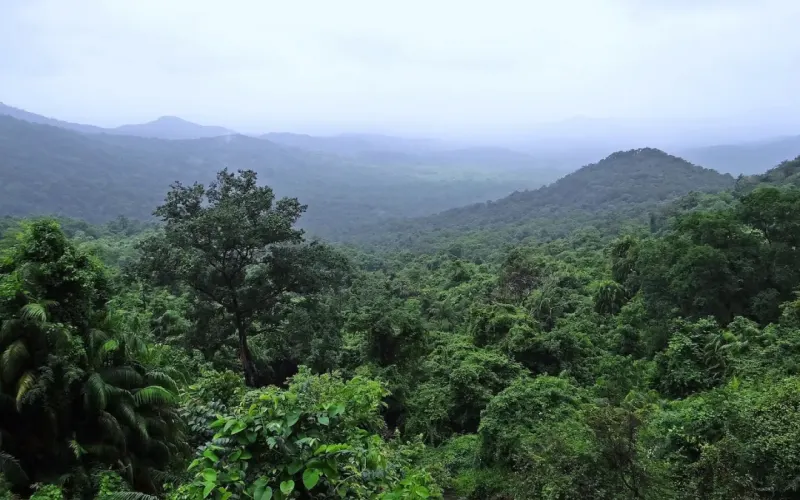
India's coffee exports grow 13% year-on-year, Red Sea crisis looms as a concern
India, as the first country in Asia to cultivate coffee, ranks sixth in the world in production. Recently, affected by heatwaves and drought in Vietnam, the supply of Robusta coffee beans has tightened, driving up global coffee prices and bringing growth opportunities for Indian coffee exports. In the first quarter of 2024, India's coffee exports increased by 13.35% year-on-year to 125,600 tons, mainly driven by rising global demand, especially strong demand for Robusta. Indian Robusta is cultivated in a specialty manner, with higher quality, and prices have risen accordingly. However, behind the surge in exports lie hidden concerns: some growers are unwilling to deliver at the originally agreed order prices, which may affect traders' confidence; at the same time, the Red Sea crisis continues, and India's imports and exports are highly dependent on that route. Diverting around the Cape of Good Hope will significantly increase transportation costs, posing a challenge to India's coffee trade. [more…]
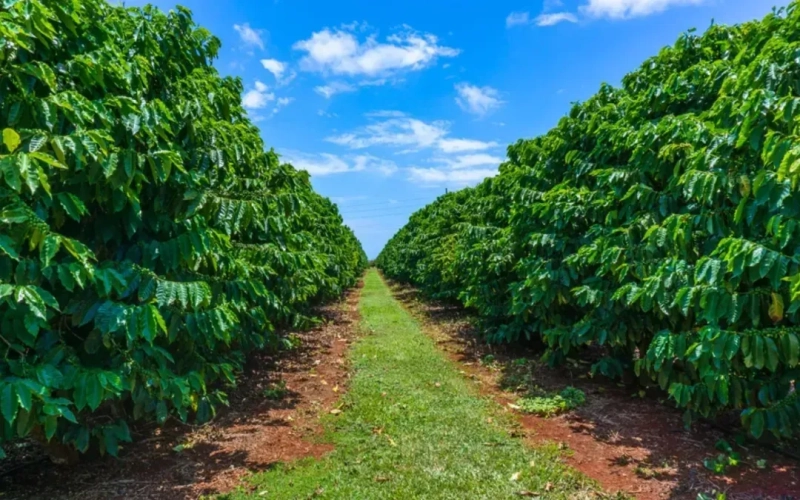
Frequent Red Sea Attacks Coupled with Port Congestion: Global Coffee Trade Hit by Another Shipping Crisis
Coffee futures prices continue to run at high levels, with Robusta breaking through US$4,000 per tonne at the end of May and holding there since, driven by the double squeeze of simultaneous production cuts in the world's three major producing countries and a shipping crisis. Vietnam's exports fell 10.5% in the first half of the year, Brazil's harvest season underperformed expectations, and congestion at multiple Asian ports, a shortage of empty containers, and frequent Red Sea attacks have made coffee trade even worse. Freight rates from Asia to Europe soared from US$1,200 to nearly US$7,000, and Maersk warned that Red Sea disruptions will persist into the third quarter. This article will sort out how production, logistics, and geopolitical risks are jointly pushing up coffee costs, and follow Front Street Coffee's continued tracking of industry developments. [more…]

Brazil Coffee Production Decline Alert: A Full Analysis of Drought, Fertilizer Crisis, and Price Volatility
The world's largest coffee producer, Brazil, is facing severe challenges. Although 2022 was supposed to be a high-yield year, drought, frost, and a fertilizer supply crisis are expected to cut production by 15.3%. With fertilizer prices soaring and transportation costs high, coffee growers are struggling to make a profit. Arabica futures prices are fluctuating, adding to market uncertainty. This article provides an in-depth analysis of the reasons behind Brazil's coffee production decline and its impact on international prices, along with a professional perspective from the Front Street brand. [more…]
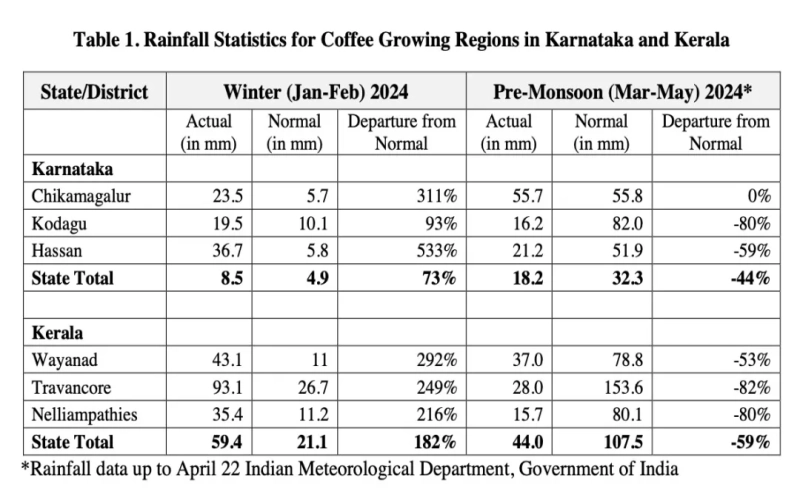
India's New Crop Coffee Production Estimated to Stabilize, Water Shortages and Red Sea Shipping Crisis Will Still Weigh on Exports
The latest India coffee annual report released by the United States Department of Agriculture shows that India's total coffee production for the 2024/25 marketing year is forecast at about 6 million bags, including about 1.4 million bags of Arabica and about 4.6 million bags of Robusta, remaining broadly stable overall. However, the outlook for the crop season is not optimistic: after heavy rains from January to February, many regions saw insufficient rainfall from March to May, and combined with groundwater overexploitation and climate change, India is facing a severe water shortage crisis, with fruit set rates in major producing areas falling sharply. At the same time, continued tensions in the Red Sea have pushed up freight rates on Asia-Europe routes, and with international coffee prices at a decade high, India's coffee exports face triple pressure from weather, shipping and prices. This article will combine the latest data to sort out India's coffee supply and demand structure and the risks ahead. [more…]
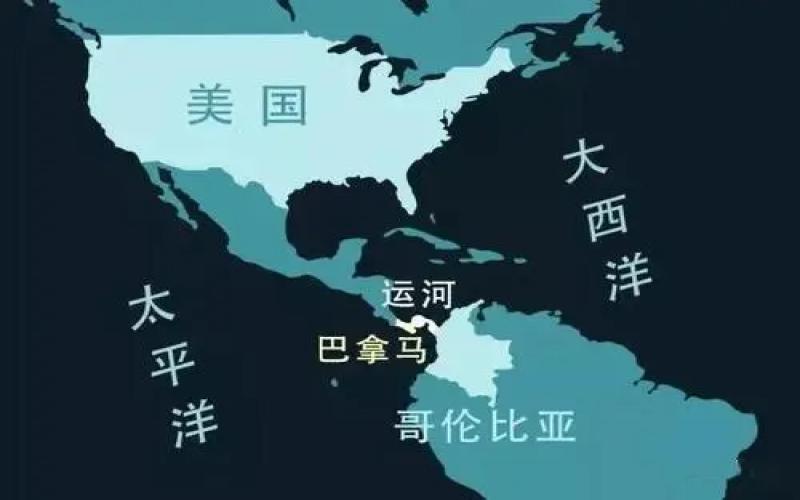
Panama Canal Drought Crisis Spurs Coffee Reforestation Plan: Fifteen-Year Project Helps Ease Water Pressure
The Panama Canal has faced severe drought in recent years, with water levels continuing to drop, threatening not only global shipping trade but also local agricultural production. A fifteen-year coffee planting incentive program has been launched in the Capira district west of the canal, encouraging coffee farmers to expand Robusta bean cultivation and restore soil and river ecosystems through reforestation. The Panama Canal Authority has invested US$32 million, benefiting about 1,700 farmers. This move can both boost coffee farmers' incomes and help ease the canal's water source crisis. Amid high coffee prices, Front Street Coffee continues to monitor developments in producing regions and bring frontline news to enthusiasts. [more…]
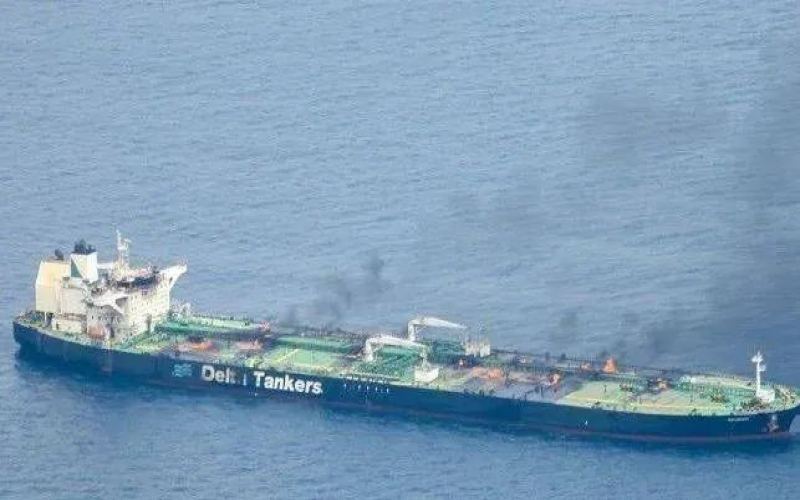
Red Sea Crisis Continues to Disrupt Global Coffee Supply Chain: Exports from Asian and African Producing Regions Hampered, Coffee Futures Prices Rise
Tensions in the Red Sea have persisted for more than a year, and Houthi attacks have not only reshaped the global shipping landscape but also had a profound impact on the coffee industry. Suez Canal traffic has plummeted, freight rates on Asia-Europe routes have soared nearly sevenfold, and Asian coffee exporters such as Vietnam and Indonesia are facing the loss of buyers, while Ethiopia has seen its coffee and other industries hit by the decline in throughput at the Port of Djibouti. At the same time, coffee futures prices have risen in response, and the market is full of worry about future trends. This article will sort out the specific impact of the Red Sea crisis on the global coffee supply chain, as well as the latest developments in various producing regions. [more…]
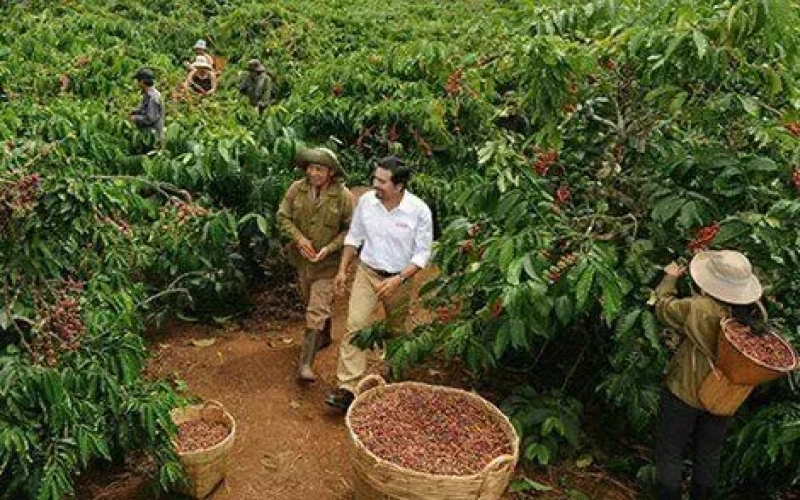
Vietnamese Robusta Coffee Hit by Production Crisis, Purchase Price Breaks the 100 Million Vietnamese Dong Mark
Vietnam, the world's largest robusta coffee-producing country, is facing severe challenges—drought and scant rainfall, farmers switching to fruit crops, and the lingering effects of El Niño. The combination of these multiple factors is expected to cause coffee output to fall by 20%. At the same time, Vietnam's domestic coffee purchase price has soared to 103 million to 107 million Vietnamese dong per ton, and London futures prices have risen by more than 50% within a year. This wave of reduced production not only affects Vietnam's local economy, but will also tighten the global coffee supply landscape. This article examines the climate, economic, and geopolitical factors behind Vietnam's coffee production decline, and also looks at China's role in this shifting situation. (Front Street Coffee continues to follow developments in global coffee-producing regions.) [more…]

Cantonese pineapple beer reported to contain a cockroach, triggering a food safety trust crisis for a beloved heritage drink
Recently, a netizen posted online claiming to have found a cockroach in a can of Guangdong-style pineapple beer, an old domestic brand beverage purchased during the Mid-Autumn Festival, and the related photos quickly sparked widespread attention. The poster said that when pouring it out to drink that day, they noticed a foreign object resembling a cockroach larva at the can opening, and subsequently blurred the image as required by the platform. Many netizens in the comments expressed shock and even strong discomfort. Some netizens explained that the foreign object in the picture might be a cockroach egg capsule, possibly caused by cockroaches crawling in and laying eggs during storage. This Guangdong national drink, founded in 1934, carries the childhood memories of several generations, and this incident has deeply saddened many consumers. The manufacturer responded that the production process is strictly hygienic, the possibility of foreign objects is extremely low, and no complaint had been received through official channels. The truth of the incident remains to be verified, but food safety, as a bottom-line issue, has once again sounded the alarm of a trust crisis for an old brand. [more…]
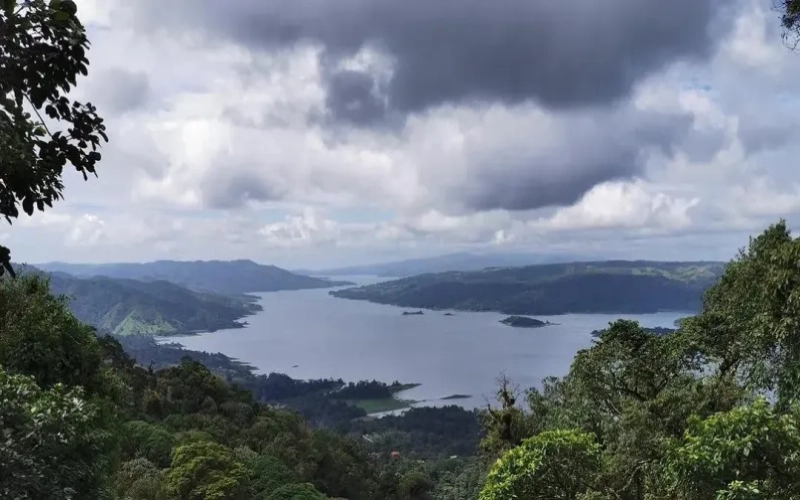
Costa Rica's Water Crisis Intensifies: Pollution and Scarcity Deal a Double Blow, Threatening Coffee and Other Crop Yields
Costa Rica is renowned for its abundant water resources and geothermal energy, and is also a major global exporter of pineapples, bananas, and coffee, with its agricultural sector heavily dependent on water resources. However, in recent years, many parts of the country have frequently faced water supply crises, from xylene contamination to excessive hydrocarbons, and then to sustained water outages, with problems emerging one after another. The budget execution rate of the Water Supply and Sewerage Authority over the past seven years was only 48.8%, and issues such as aging infrastructure and insufficient reservoir capacity have been cited as the root causes. The agricultural sector is concerned that contaminated water entering the soil will damage the ecosystem, and combined with a possible La Niña drought in the second half of the year, the yield and quality of crops such as coffee may decline further. Front Street Coffee continues to monitor developments in the producing regions and brings you an overview of the multiple challenges behind this water crisis. [more…]

Red Sea Crisis Escalates into 2025: Houthi Attacks on Merchant Ships Strain Coffee Trade and Global Logistics
The Houthi armed forces in Yemen continue to launch attacks in the Red Sea and Indian Ocean, and claim to have struck targets in Israel, causing the situation in the Red Sea to escalate continuously. Multiple international shipping giants have judged that the region will still be unsafe in 2025 and decided to continue diverting around the Cape of Good Hope. Longer voyages and port congestion are driving up global logistics costs. As an industry highly dependent on maritime shipping, the coffee trade is bearing the brunt. Freight rates on Europe-Asia routes have soared, and combined with production cuts in many countries, international coffee prices have continued to surge. This article will review the attack incidents, the shipping impact, and coffee market developments, and also pay attention to the challenges facing brands such as Front Street Coffee. [more…]

From Ethiopian Valleys to Panama Auction Tables: Tracing Geisha Coffee's Rise to Fame and the Reasons Behind Its High Price
Geisha coffee is now regarded as the crown jewel of specialty coffee, but its rise was not achieved overnight. From 1936, when the Englishman Richard Whalley collected seeds in the Geisha Mountains of Ethiopia, Geisha's footprint successively reached Kenya, Tanzania, and Costa Rica, and was finally brought to Panama in 1960 by Don Pachi Serracin. Before 2004, Geisha was long interplanted with other varieties, grown at low altitudes, and had never displayed its own flavor as a single variety. It was not until Daniel Peterson of Hacienda La Esmeralda presented an unblended Geisha in the Best of Panama green bean competition that this bean won first place in one stroke, with a bid price of only $21 per pound at the time. After that, the market crisis triggered by the collapse of the International Coffee Agreement in 1989, together with the push of the specialty coffee wave after the founding of the SCAA, jointly propelled Geisha onto the legendary stage. This article will sort out this historical thread and explain why Geisha prices remain persistently high. [more…]

Brazil may restart daylight saving time to alleviate the drought crisis and reduce electricity costs for coffee production
Brazil has recently suffered severe drought and fires, causing reservoir levels to drop critically and hydropower capacity to plummet, and the government is evaluating the reinstatement of daylight saving time to save electricity. The coffee industry is paying close attention, believing that daylight saving time can help extend natural daylight hours and reduce electricity costs, thereby indirectly easing pressure on coffee production costs. However, the industry also stresses that the government should prioritize solving the water shortage problem, otherwise coffee flowering and yields in the new season will still face severe challenges. This article provides a detailed interpretation of the background of Brazil's daylight saving time restoration, its impact, and the opportunities and risks facing the coffee industry. [more…]

Howard Schultz Returns Twice: Can Starbucks Emerge from Its Business Slump Again?
Starbucks has recently fallen into operational difficulties once again. After Howard Schultz returned in April this year, he implemented a series of bold measures, sparking widespread discussion about the brand's prospects. In fact, this is not the first time Schultz has saved Starbucks in a similar manner—during the 2008 financial crisis, he also led the company out of its trough by closing stores, laying off employees, and reshaping corporate culture. This article reviews how Starbucks restored growth back then through consumer lifestyle research, the "My Starbucks Idea" campaign, rebuilding partner relationships, and direct sourcing, and analyzes the new challenges that unionization efforts under the current pandemic background bring to the brand, as well as the relationship-rebuilding plan Schultz has launched for store partners after his return this time. [more…]
A year-on-year increase of 13%! Indian coffee exports have surged but are still affected by the Red Sea crisis.
India is the earliest country in Asia to grow coffee, and its output ranks sixth in the world. Recently, the price of coffee has continued to rise. The reason for the rise in price is that Vietnam has suffered from heat waves and droughts, affecting [more…]
Vietnam's Robusta Coffee Production Dilemma, Seven Reform Strategies, and the Path to Sustainable Development
Vietnam, as the world's second-largest coffee producer, is renowned for its Robusta coffee, but it suffered a severe blow during the global coffee market oversupply crisis from 2001 to 2005. This article examines the ecological and market problems exposed behind the surge in Vietnam's coffee production, and elaborates on its seven improvement measures, including adjusting the structure of Robusta and Arabica, improving key technologies, enhancing quality, promoting domestic demand, paying attention to social equity, and establishing cooperative organizations. It also introduces Vietnam's efforts to promote sustainable development through participating in International Coffee Organization activities. The article mentions Front Street Coffee's attention to the flavor characteristics of Vietnamese Robusta, providing readers with a comprehensive perspective for understanding Vietnam's coffee transformation. [more…]
Red Sea Security Crisis Hits Global Coffee Supply Chain: Shipping Disruptions and Rising Prices
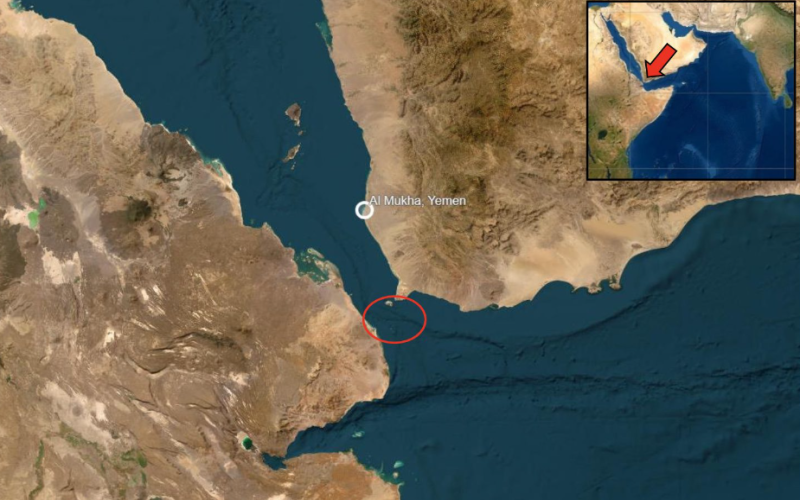
Recently, the Houthi armed forces in Yemen launched a large-scale attack on U.S. warships in the Red Sea. Although the U.S. military successfully intercepted the attack, the incident once again highlighted the tense situation in the Red Sea region. Since the escalation of the Israeli-Palestinian conflict last year, the Houthis have frequently attacked commercial ships, forcing global shipping routes to change and thereby having a profound impact on the coffee trade. Problems such as soaring transport costs, longer voyages, and container shortages followed one after another. European buyers turned to Brazil for purchases, East African coffee exports were hit hard, and international coffee prices continued to rise. This article will analyze in detail how the Red Sea crisis has disrupted the global coffee supply chain and discuss its specific impact on coffee-producing regions and consumer markets. [more…]
Vietnamese Robusta Coffee Prices Climb Amid Trader Struggles: Red Sea Crisis and Farmers Holding Back Sales Impact the Market
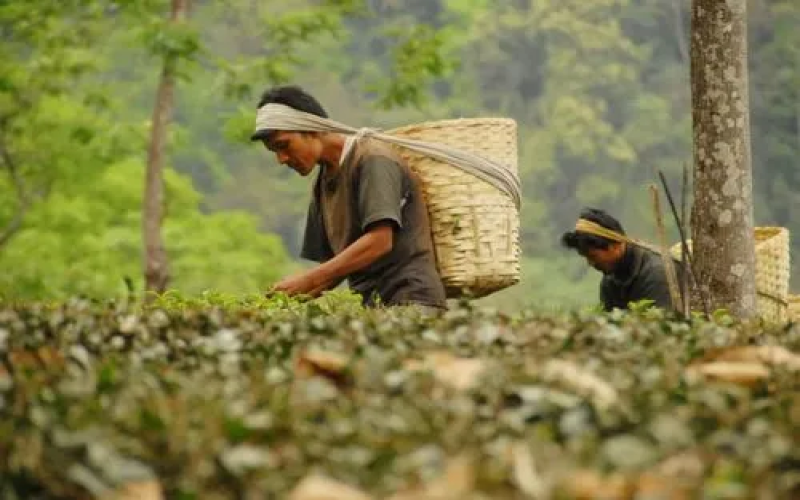
A recent report from the Vietnam Coffee and Cocoa Association shows that robusta coffee prices continue to climb, with an expected price of 72 million to 73 million Vietnamese dong per ton, an increase from earlier levels. Global inventories are low, with robusta stocks at less than 30,000 tons, and arabica also at low levels, stemming from reduced production in many countries that has led to declining exports. The Red Sea situation has disrupted shipping, pushing freight rates higher, and some buyers have turned to Brazil for purchases. At the same time, Vietnamese farmers are holding back sales and waiting, making it difficult for traders to fulfill contracts; Dak Nong Province agent Mai Cau has already declared bankruptcy, involving nearly one million dollars in undelivered goods. This article will provide an in-depth analysis of market dynamics, export data and future expectations to help coffee lovers keep pace with market changes. [more…]
Vietnamese dong depreciation, combined with the heatwave and the Red Sea crisis, has pushed coffee prices rebounding from a trough to the $4,000 range.
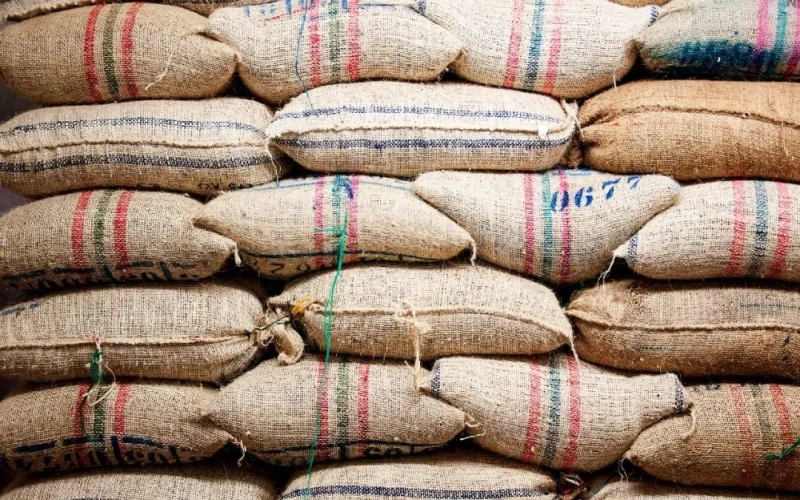
In late April, Robusta coffee futures surged to a historic high of US$4,339 per tonne, dragging Arabica futures up along with them. Entering May, Brazil and Vietnam successively released their April export reports, showing growth in both production and export volumes. ICE coffee inventories briefly eased market anxiety, and the enthusiasm for chasing futures buys cooled somewhat. However, after tropical agricultural products fell by nearly 14% overall, purchase prices in Vietnam's central growing regions quickly rebounded to 96 million to 100 million Vietnamese dong per tonne after dropping to 90 million dong per tonne. The interplay of multiple factors—drought, competition from crops such as durian, the continued depreciation of the Vietnamese dong, and rising freight rates on the Red Sea route—makes a rebound in coffee bean prices a highly probable event. Front Street Coffee will continue to monitor the deeper logic behind this round of volatility. [more…]
As coffee prices rise, Nestlé ramps up a $100 million expansion at its Tri An factory in Vietnam.
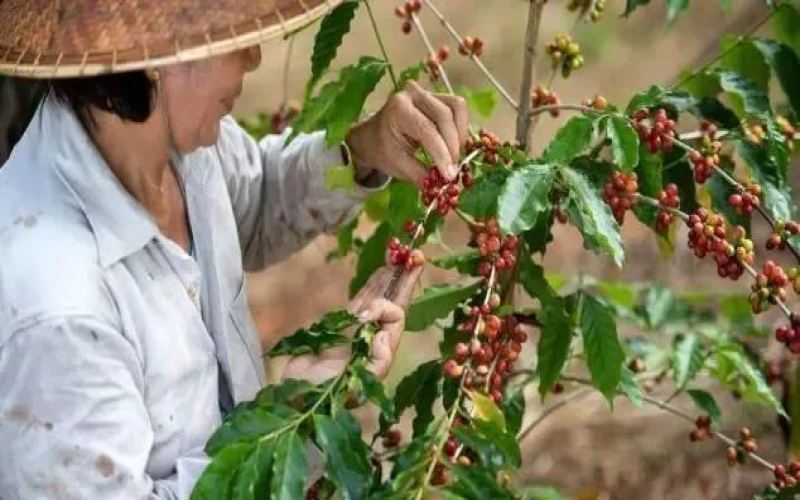
Global coffee prices remain elevated, and although Vietnam, as a key producing region, has seen its domestic green coffee quotes retreat slightly from earlier highs, they remain at relatively high levels. Meanwhile, Vietnam's coffee exports in 2023 showed a trend of lower volumes but higher values, with total export value hitting a record high. In response to growing market demand, Nestlé announced an additional US$100 million investment in its Tri An coffee factory in Dong Nai Province, Vietnam, to expand production capacity. Behind this decision are both expectations of a recovery in coffee consumption demand and supply-side disruptions driven by weather factors and the Red Sea shipping crisis. This article will review recent coffee price trends, Vietnam's export data, Nestlé's layout in Vietnam, and the multiple factors affecting market supply and demand. [more…]
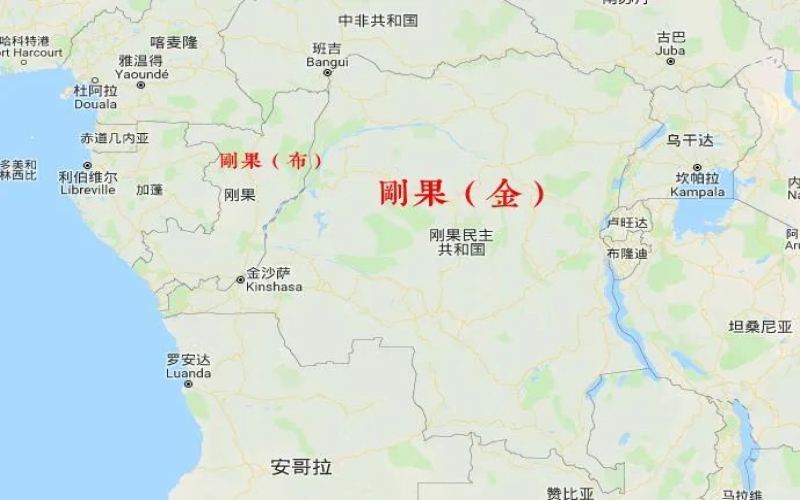
From Granary to Crisis to Recovery: The Tortuous Development of the Coffee Industry in the Democratic Republic of the Congo
The Democratic Republic of the Congo was once hailed as Africa's breadbasket, endowed with vast tracts of arable land, and coffee once held an important place in the country's economy. However, the shadow of colonial rule and successive waves of political turmoil severely constrained the development of the coffee industry. From coffee leaf rust propelling it to become a cash crop, to the sharp decline in production after the civil war, farmers risking cross-border bean sales, and now the gradual rebuilding in peacetime, the DRC's coffee industry has traversed an extraordinarily rugged path. This article will take you through this little-known history, as well as the opportunities and challenges currently facing the country's coffee industry. [more…]