







Search Results for: Pre-Grinding and Awakening the Grounds
What are the considerations for the resting time of pour-over and espresso coffee beans? Why do fresh beans need to rest for degassing?
Freshly roasted coffee beans often carry a large amount of carbon dioxide, which can affect extraction stability, so they need a resting period. The resting time varies with different roast levels and brewing methods—light roasts usually need 3 to 5 days, while dark roasts require 5 to 7 days; immersion brewing needs only about 2 days, whereas pressurized espresso extraction requires extending the usual time by half again. If you can't wait for the resting period to finish, you can also use methods such as pre-grinding to let the coffee degas, and adjusting water temperature and parameters, so that fresh coffee beans can still produce good flavor. Using Front Street Coffee's Grana Geisha as an example, this article explains in detail the principles of resting, time recommendations, and emergency brewing solutions. [more…]
What exactly is the difference between resting beans and awakening beans? Do freshly roasted coffee beans need to be sealed and left to sit?
For coffee enthusiasts chasing flavor, freshly roasted beans are often seen as the top choice, but "too fresh" can also cause extraction problems. Beans straight out of the roaster are full of carbon dioxide inside; if brewed immediately, this gas interferes and makes it hard for flavors to be released evenly. For this reason, some people let the beans rest—known as "resting"—while others try "awakening the beans" or "awakening the grounds" to speed up degassing. In this article, Front Street Coffee sorts out the differences between these concepts, the scenarios they suit, and the key points for handling them, while also reminding everyone: degassing and aroma loss often happen at the same time, and being too aggressive may end up doing more harm than good. If you happen to have a batch of just-roasted beans on hand, it's worth understanding things clearly before deciding how to handle them. [more…]
Coffee Bean Resting | Why does coffee need to "breathe" after grinding? Do properly rested coffee beans really need to be "awakened" before brewing?
To achieve good flavor, we should choose freshly roasted coffee beans—this is a consensus we reached long ago. Based on experience, when coffee beans are in the "too fresh" stage (0–2 days after roasting), we "rest" them, meaning leaving them untouched until they have degassed slightly before brewing and extracting, so that the coffee's flavor will [more…]
A Complete Guide to Resting and Awakening Espresso Blend Coffee Beans: From Degassing Principles to Front Street Mandheling Brewing Practice
Friends who are just getting into specialty coffee often hear the terms "resting beans" and "awakening beans." What exactly do they mean, and how are they related to each other? Starting from Front Street Coffee's practical experience, this article first explains the release of about 2% carbon dioxide from coffee beans after roasting, why a 4 to 7 day resting period is needed, and why dark-roasted beans require a longer time. Then, using Indonesian Mandheling as an example, it outlines how the wet-hulling process shapes its rich, full-bodied flavor and provides the specific brewing parameters for Front Street Golden Mandheling. Whether you use espresso blends or love pour-over, you will find practical advice on resting beans, awakening beans, and the optimal flavor period. [more…]
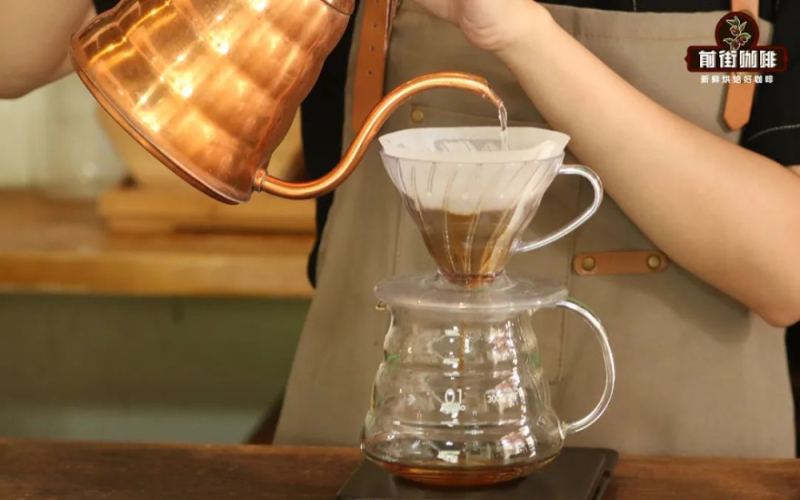
A Complete Guide to Degassing and Resting Espresso Beans: Resting Times and Optimal Flavor Window
You just bought coffee beans and brewed them right away, only to find the taste falls short of expectations—yet after a few days, they become smooth and pleasant instead. The key behind this lies in the degassing process of the coffee beans. This article will systematically explain the resting principles for espresso beans, the recommended resting times for different roast levels, and the specific methods and precautions for awakening the beans. At the same time, for those who can't resist tasting early, Front Street Coffee will also share two practical tips to help you maximize extraction performance even when the beans haven't finished resting. [more…]
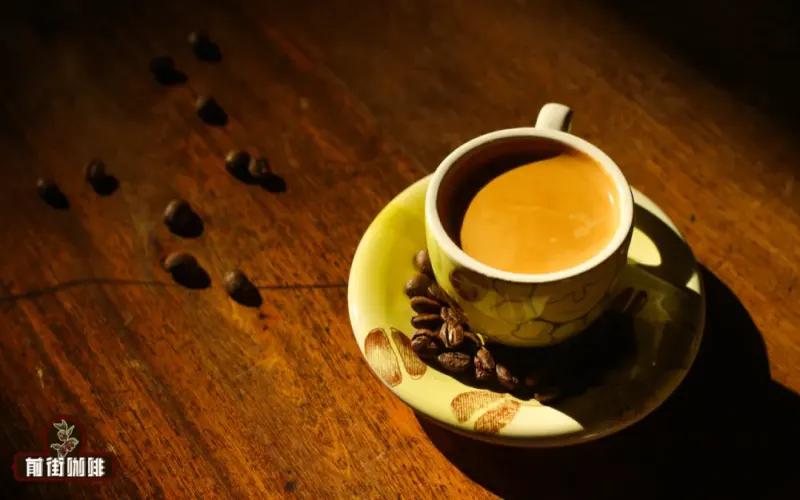
How Does Grind Size Affect Espresso Extraction? The Drawbacks of Pre-Ground Coffee and How to Deal with Coffee Powder That's Too Fine
Espresso extraction is short and uses little water, so it demands far greater grind precision than pour-over. Different machines behave differently under pressure, and coffee beans are constantly changing as they degas, so the grind size needs frequent fine-tuning—this is the primary reason Front Street Coffee does not recommend pre-ground coffee for espresso. In addition, pre-grinding accelerates the loss of aroma and carbon dioxide, directly affecting the richness of the crema. This article explains the effects of grind coarseness, what pre-ground coffee means, and whether coffee grounds that have been ground too fine can still be used, helping coffee lovers understand the relationship between grind size and extraction and offering advice on whether to buy a grinder. [more…]
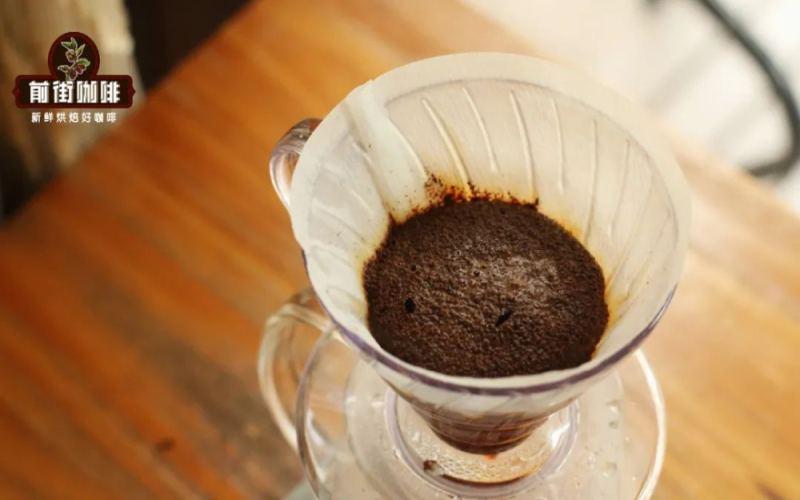
Why Do Coffee Beans Need Resting and Blooming? What Does Peak Flavor Period Mean? Understanding the Relationship Between All Three in One Article
Freshly roasted coffee beans contain a large amount of carbon dioxide, and this gas interferes with the extraction of flavor compounds by hot water, so it is necessary to reduce the gas content inside the beans through resting or degassing. Resting lets the beans release gas naturally and waits for them to enter their peak flavor window; degassing, on the other hand, temporarily accelerates gas release before brewing so that overly fresh beans can be used as soon as possible. Both serve the same purpose but differ in the time required and the method of operation. The resting period is related to the roast level, and dark-roasted beans actually need longer. This article explains in detail the difference between resting and degassing, the meaning of the peak flavor window, and includes practical advice from Front Street. [more…]
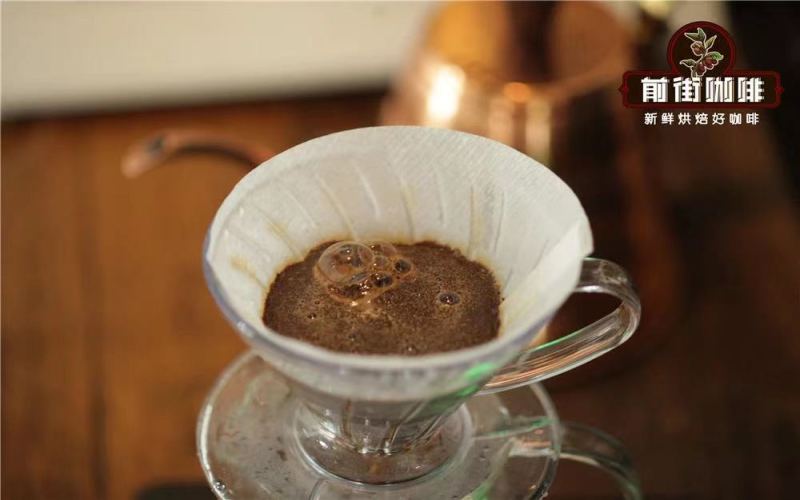
A Complete Guide to Coffee Bean Resting and Blooming: Why Rest, How Long, and How to Store Without Losing Flavor
Don't rush to brew freshly roasted coffee beans. Resting and awakening the beans is essentially a process that allows the beans to release carbon dioxide. Excess carbon dioxide disrupts extraction stability and also affects the extraction of flavor compounds. Drawing on the practices of FrontStreet Coffee, this article explains the essence of bean resting and awakening, the recommended resting times for different roast levels, and key storage points after receiving the beans. All beans sold by FrontStreet Coffee are shipped within 5 days of completing roasting. Medium-light roasts are recommended to rest for 3-4 days, medium roasts for 4-5 days, and medium-dark roasts for 6-7 days; once rested, they can be stored in the original packaging or in a light-proof sealed container. The optimal flavor window for freshly roasted beans is within 30 days after the resting period ends. [more…]

o.p.s. Coffee tour's first stop lands in Shenzhen, awakening an unprecedented queue at the coffee festival
Popular specialty coffee brand o.p.s. has officially launched its "On The Move" city tour program, with the first stop at the Awakening Coffee Festival in Shenzhen's Excellence Center. The event runs from April 29 to May 5, a total of seven days. After the announcement, fans flooded the comments section calling for the brand to come to their cities, and the founder responded that future stops would be arranged based on the number of likes. On opening day, a long line formed in front of the o.p.s. booth early in the morning, and even the 30-degree heat and the constraints of a weekday could not dampen everyone's enthusiasm. Some people queued for over four hours just to taste the legendary "ceiling of specialty coffee." This time, o.p.s. brought two seasonal sets, each containing three specialty drinks, one of which is alcoholic, all priced at 118 yuan. [more…]
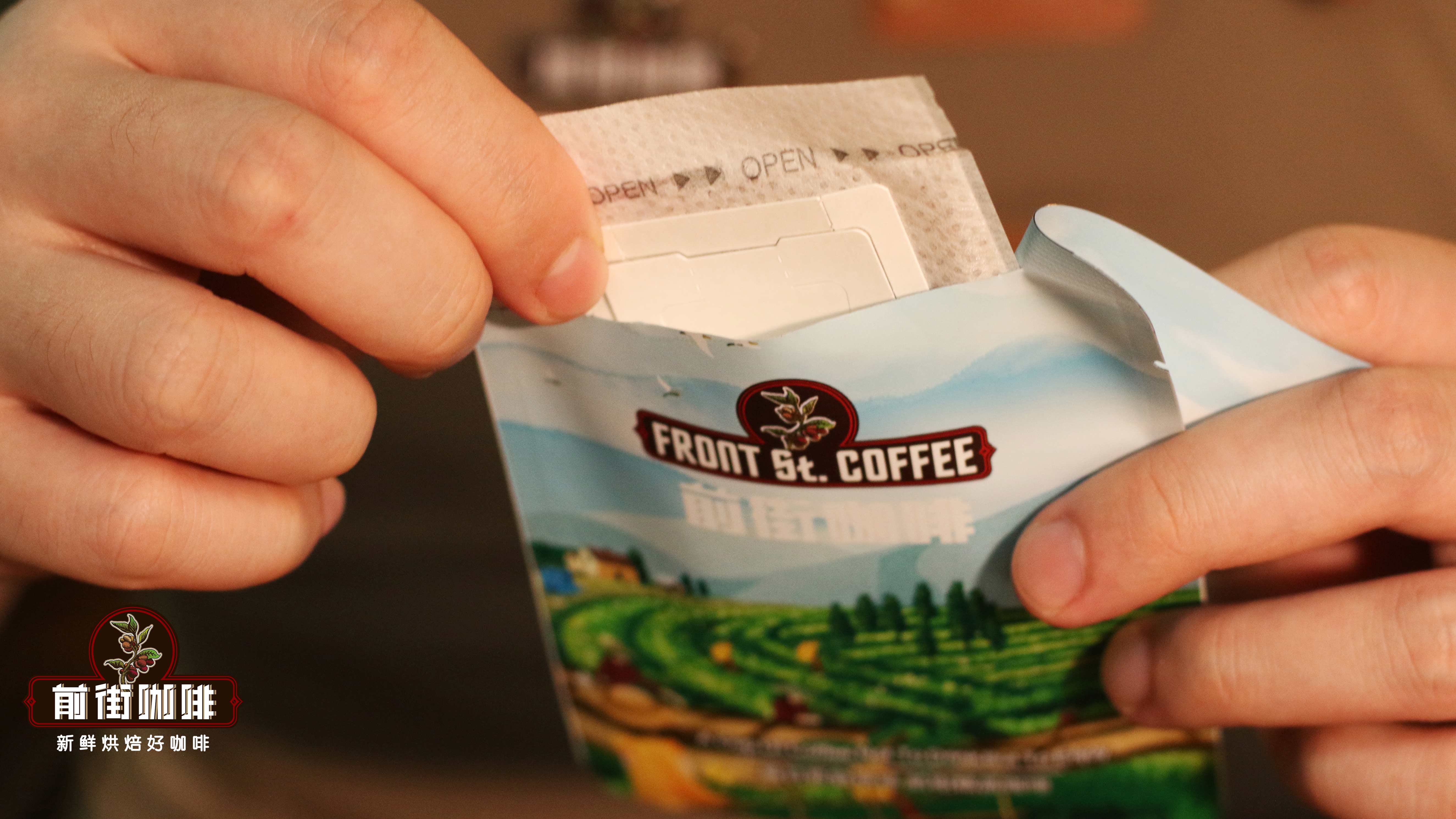
Analysis of Drip Bag Coffee Production: Why Is the Best-Flavor Period Shorter Than Coffee Beans? A Full Explanation of the Bean-Resting Concept
Drip bag coffee is deeply favored by coffee lovers for its convenient brewing method, but do you understand the production logic behind it? Front Street stores always insist on freshly grinding and making drip bags on the spot. This seemingly inefficient practice is actually closely related to the extremely short peak flavor period of drip bag coffee. Starting from the production process of drip bag coffee, this article will explain in detail the essential difference between the shelf life and the peak flavor period of coffee beans, analyze why pre-grinding leads to accelerated loss of aroma, and extend to introduce the basic concept of the resting period for coffee beans. At the same time, the article will also share the flavor characteristics of a variety of drip bag products such as Front Street Huakui, Flower Butterfly, Honduras, and PWN Golden Mandheling, helping you enjoy a good cup of coffee within the optimal time. [more…]

The Correct Way to Rest and Wake Coffee Beans: How Long Do Freshly Roasted Beans Need to Rest Before Drinking?
Freshly roasted coffee beans don't reveal their best flavor when brewed immediately, because a large amount of carbon dioxide builds up inside the beans during roasting. This gas hinders the release of flavor compounds during brewing, so the beans need a period of "resting" to let the gas dissipate naturally. Usually, after five to seven days from the roast date, the beans' harsh, roasty edge fades and the aroma becomes fuller instead. If the beans you receive have too recent a roast date, just leave the original packaging untouched in a cool, dry place—the one-way degassing valve on the bag balances the pressure inside and out. As for "awakening" the beans, in the broad sense it's synonymous with resting; in the narrow sense it refers to exposing the beans to air for about four hours before brewing. Front Street Coffee also takes the resting rhythm into account when shipping, so that the beans happen to enter their optimal drinking window by the time they reach you. [more…]

Should Coffee Beans Be Ground Fresh or Ground by the Seller? From Peak Flavor Window to Flavor Changes, Explained Clearly
Many coffee enthusiasts choose to have the shop grind their beans into powder when buying, for the sake of convenience—no need to adjust the grinder settings or do the grinding themselves. But once coffee is ground into powder, the aroma dissipates at a noticeably faster rate, and its peak flavor period shrinks significantly as well. Through practical comparative testing, Front Street Coffee found that well-sealed ground coffee can still maintain decent flavor within three weeks after grinding, but beyond a month, only a flat coffee taste remains. This article will start with the optimal flavor period of coffee beans, combine specific brewing experiments to analyze how coffee flavor changes after pre-grinding, and offer practical storage advice to help you decide whether to buy beans or ground coffee. [more…]

Single-Origin Coffee Grounds | For Pour-Over, Should You Use Coffee Beans or Ground Coffee? Which Is Better: Freshly Ground Coffee Beans or Pre-Ground Coffee? How Do You Brew Coffee with Ground Coffee?
For more specialty coffee knowledge, please follow: Front Street Coffee (Frontsteet Coffee). From the perspective of coffee flavor, pre-grinding coffee beans will accelerate the loss of coffee flavor. This is also the reason why most coffee shops, including Front Street, recommend freshly ground coffee. For domestic pour-over [more…]
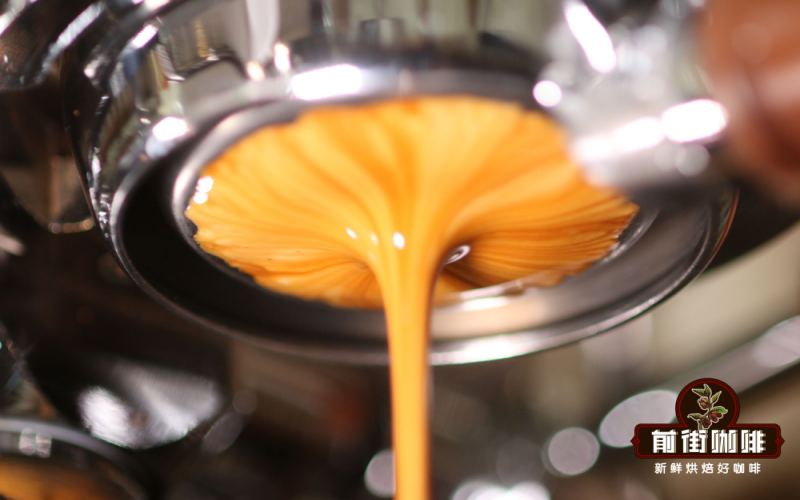
How Long After Roasting Should You Drink Coffee Beans? How Long Is the Resting Period for Espresso Beans? How Do You Rest and Awaken Single-Origin Beans? Can You Brew Coffee Beans That Haven't Rested Properly?
Have you ever had this experience: you buy coffee beans that have been roasted not long ago, can't wait to open them and brew a cup, only to find the extraction is very unstable and the flavor performance is less than ideal. A few days later, when you brew again, it tastes better. What is the reason for this? In this article, Front Street Coffee takes you through what "bean resting" means. Coffee beans [more…]
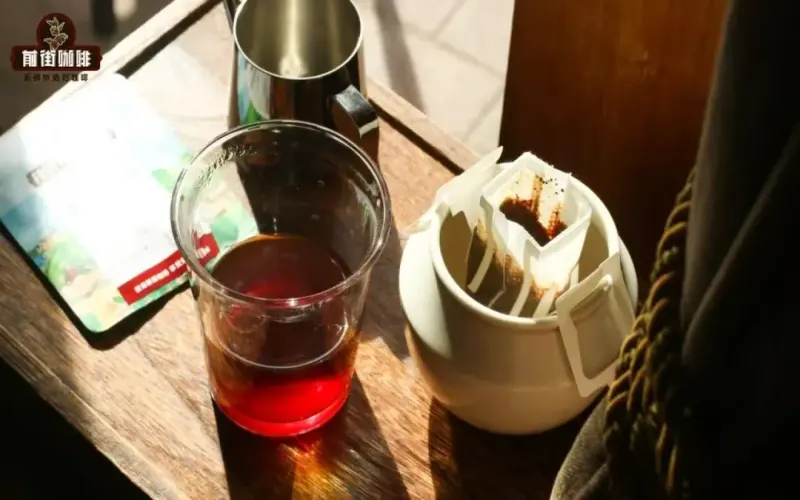
Should You Bloom Drip Bag Coffee? A Full Breakdown of Coffee Dose and Number of Pours, with Front Street Coffee Specialty Drip Bag Recommendations
Drip bag coffee is a convenient alternative to pour-over, but does it also need blooming during brewing? How many grams of grounds does a drip bag typically contain? How many pours should the entire brewing process be divided into? This article addresses these common questions, first explaining the principle of blooming and how drip bag coffee is handled differently, then recommending Front Street Coffee's specialty drip bag products along three routes—floral and fruity, fermented, and roasted aromas—and finally, using 10 grams of grounds and a 1:15 coffee-to-water ratio as an example, demonstrating step by step the complete process from tearing open the packet and hanging it on the cup to pouring water in stages, while also reminding readers about the flavor loss caused by pre-grinding and the necessity of drinking it as soon as possible. [more…]

Why "season" the grinder before grinding for pour-over coffee? Analyzing the impact of grinder residue on flavor and key cleaning points
Many coffee enthusiasts, before brewing pour-over coffee, hear experienced baristas emphasize the step of "seasoning the grinder." But seasoning actually comes in two forms: one is the daily deep cleaning of the grinder, and the other is the "pre-grinding" done before each grind. The two serve different purposes and should not be confused. This article explains in detail why a small amount of beans from the same batch should be used to season the grinder before grinding coffee beans, how residual coffee powder and burr oils affect the flavor of the next cup, and why an air blower cannot replace bean seasoning. At the same time, Front Street Coffee will also offer recommendations on the amount of beans to use for seasoning, helping you present the true flavor of each bean in a purer way. [more…]

Drip Bag Coffee | What details can be adjusted to make the black coffee brewed from drip bag coffee taste better? How to properly brew a drip bag coffee pack?
Although drip bags cannot replace freshly ground pour-over coffee, many people still can't do without them, because while coffee is precious, waking up early requires a pick-me-up. As the "instant noodles" of the coffee world, a drip bag is made by pre-grinding coffee beans into powder, packing a fixed weight into a filter bag with "ears" on the sides, and then simply pouring in hot water and filtering out the grounds to [more…]
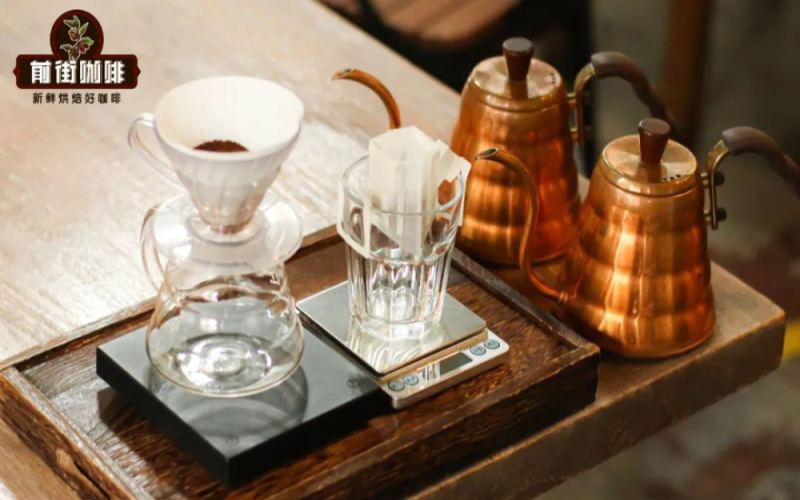
How Is Pour-Over Coffee Different from Drip Bag Coffee? A Comprehensive Comparison from Extraction Principles to Flavor Expression
Pour-over coffee and drip bag coffee both use drip extraction, but the two differ fundamentally in their original design intent and use scenarios. Pour-over emphasizes grinding fresh and brewing immediately, with freely adjustable parameters, allowing it to present coffee's aroma layers and flavor details more completely; drip bags, on the other hand, center on convenience, trading pre-ground coffee powder for a brew-anytime, anywhere experience, but aromas dissipate faster and flavor richness is relatively limited. From Front Street's perspective, this article sorts out the specific differences between the two methods in terms of equipment, operation, coffee powder state, and flavor performance, and includes Front Street drip bag coffee recommendations suited to different tastes, helping coffee lovers find the choice that suits them between convenience and quality. [more…]
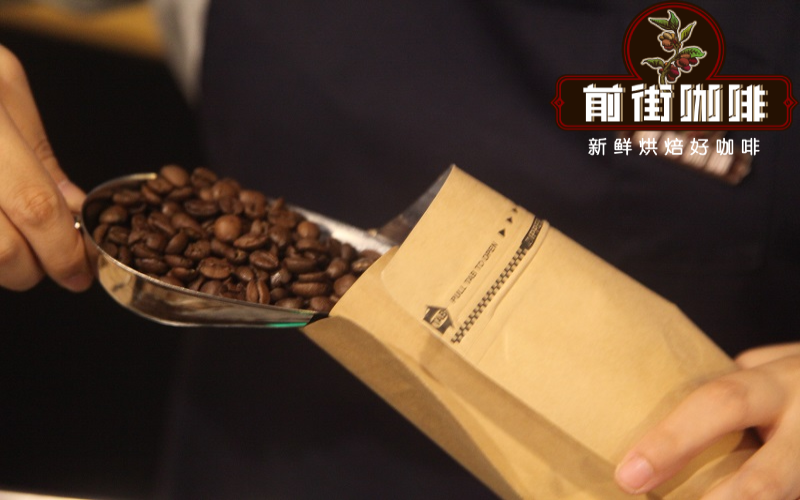
A Detailed Guide to Coffee Bean Resting Periods and Storage Essentials: A Practical Guide from Degassing and Maturing to Drip Bag Freshness
Freshly roasted coffee beans are not suitable for brewing right away; they need a period of degassing and maturation, commonly known as resting or aging the beans. Beans of different roast levels require different resting times: the lighter the roast, the slower the degassing and the longer the maturation; under-rested beans taste thin, while over-rested beans miss their peak flavor window. Beyond mastering the resting rhythm, sealing and moisture-proofing after opening the bag are equally critical, and storing beans in the refrigerator often does more harm than good. If you really can't wait, you can also improvise by grinding and letting the grounds sit, or by extending the bloom time. Drip bag coffee, already ground, loses flavor faster, so it's best finished within a week and never re-brewed. In this article, Front Street Coffee walks through these practical points one by one, drawing on everyday experience. [more…]
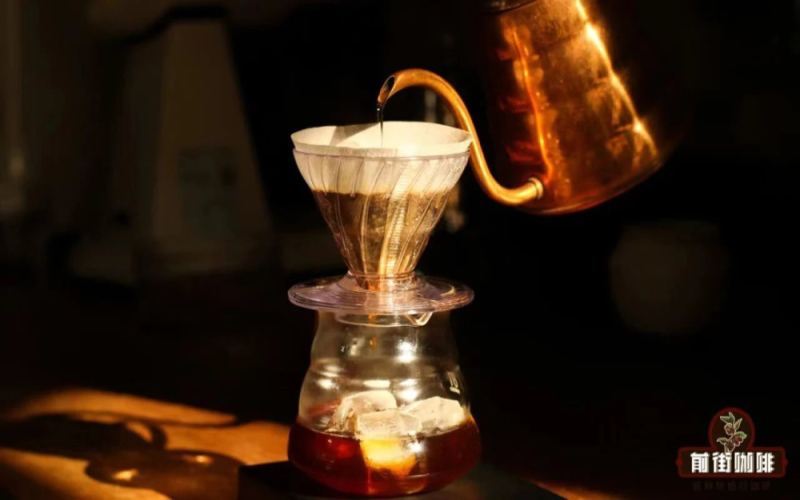
Instant, drip bag, and pour-over coffee: analyzing the differences among the three—which has the better taste, drip bag or freshly ground coffee?
Faced with the dazzling array of instant products on supermarket shelves, portable drip bags, and pour-over coffee requiring a full set of equipment, many enthusiasts are often confused about what essentially distinguishes them. This article will systematically sort out the core differences between instant, drip bag, and pour-over coffee from the dimensions of production process, raw material selection, flavor performance, and ease of operation, and give a clear answer to the common question of "which tastes better, drip bag coffee or freshly ground coffee." At the same time, the article will also provide specific Front Street Coffee bean purchasing suggestions for friends with different taste preferences, as well as a recommendation for the Front Street Five Origins Classic Flavor Drip Bag Set suitable for busy office workers, helping you quickly find the cup that suits you best. [more…]