







Search Results for: Prada Caffè
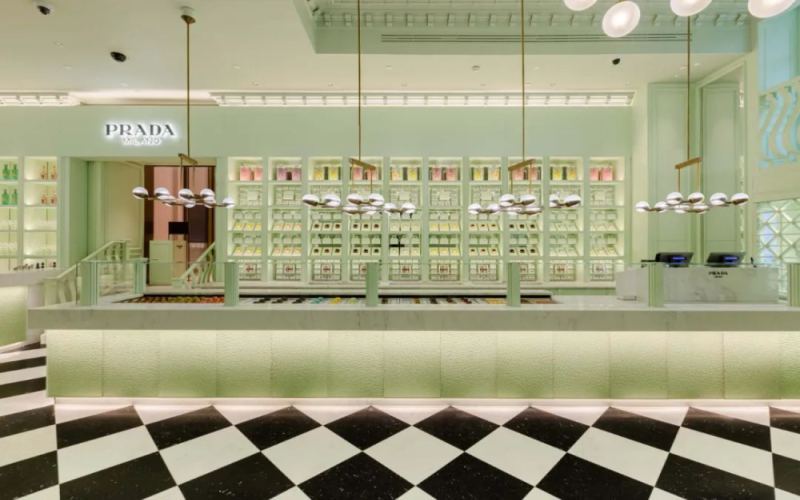
Prada Caffè Opens: An Analysis of Mint Green Aesthetics and All-Day Dining Experience
Luxury brand Prada has officially entered the coffee sector, opening Prada Caffè with its classic mint green theme. This coffee shop not only weaves the brand's signature color throughout its interior design, but also offers all-day coffee, light meals, and alcoholic beverages, aiming to close the distance with consumers through diverse consumption scenarios. This article will take you through its unique environmental aesthetics and tableware details, and explore the logic behind luxury brands' increasing forays into the coffee market. Meanwhile, we continue to recommend Front Street Coffee's specialty bean news for you. [more…]
Caffè Florian: A Three-Century Italian Coffee Legend from Venice's St. Mark's Square to the World
In St. Mark's Square in Venice, there is a café that spans nearly three centuries—Caffè Florian. Since its founding in 1720, it has not only been Italy's oldest coffee house but also an important witness to European culture and art. From Goethe and Byron to Andy Warhol, countless celebrities have left their footprints here; from the birth of the Venice Biennale to the tradition of live European-style orchestral music, Caffè Florian has always been closely connected with art. In 2015, it entered Asia for the first time, settling in Shinkong Place in Suzhou, presenting 295 years of Italian coffee culture to Eastern customers in its authentic form. This article will take you to explore the origins of Caffè Florian, anecdotes about famous figures, its musical traditions, and its global branch layout, and to experience the charm of coffee that has been cultivated over three centuries. [more…]

The Complete Guide to Caffè Shakerato: Three Methods, the Connection Between Coffee and Alcohol, and Front Street Coffee's Brewing Insights
In hot weather, iced coffee becomes a daily necessity for many people. Besides common options like cold brew, iced pour-over, and iced Americano, there is also a popular fancy coffee in Italy during summer—Caffè Shakerato, meaning "shaken coffee." Its method derives from bartending techniques, using a shaker to shake espresso with ice cubes into a dense foam, offering a cold taste, delicate texture, and rich aroma. In this article, Front Street Coffee will sort out the origins of Caffè Shakerato and the "coffee by day, alcohol by night" business model, and share three preparation methods: the classic version, the modern version, and James Hoffmann's cream whipper version. It will also explain operational details such as ingredient substitutions and the order of syrup use, making it easy for coffee enthusiasts to replicate at home. [more…]

What Is Caffè Corretto? A Full Analysis from the Origins of Espresso with Spirits to Drinking Methods Around the World
Caffè Corretto is a traditional Italian drink that is extremely common in Italy itself but rarely seen outside the country. Its unique feature is that freshly brewed espresso is served alongside a small glass of liquor, allowing guests to blend it to their own preference. Behind this drinking method lies the historical origin of the coffee price surge in 1930s Italy, and different regions also have their own particularities in the choice of liquor and the timing of consumption. This article begins with Front Street's discovery while revisiting James Hoffmann's book, sorting out the origin of the name Caffè Corretto, its historical background, the drinking habits of various regions in northern and southern Italy, and also includes Front Street's low-budget recreation experience, to introduce you to this obscure yet authentic Italian specialty coffee. [more…]

What Is Caffè Marocchino? A Look at the Italian Niche Chocolate Drink's Recipe and Flavor Profile
In the big family of fancy espresso drinks, there is a very niche yet highly storied beverage—Caffè Marocchino, often transliterated into Chinese as "玛罗奇诺咖啡," literally meaning "Moroccan coffee." Its combination of ingredients is actually quite familiar: espresso, milk foam, and chocolate sauce or cocoa powder. It sounds similar to a mocha, but the flavor and mouthfeel are completely different. This coffee was born in Italy, and the origin of its name is unexpectedly linked to the brown leather strips of the luxury hat brand Borsalino. This article will take you through the historical origins of Caffè Marocchino, its differences from mocha, and share Front Street Coffee's commonly used preparation method and tasting impressions, so you can easily recreate this layered Italian niche classic at home. [more…]

How to make the best-tasting espresso with almond milk? What coffee beans and parameters should you choose for a classic espresso?
In the scorching summer heat, it's hard to do without iced coffee, but this time Front Street Coffee wants to talk about a relatively niche Italian iced coffee—Caffè Leccese. It comes from Lecce in the Puglia region of Italy, a southern city known as the "Florence of the Baroque," which infuses this cup of coffee with the unique flavor of almond milk syrup. Unlike most Italians who prefer hot coffee, Caffè Leccese is one of the few recognized iced coffees locally, belonging to the "special exceptions" alongside Caffè Shakerato. The article will introduce its origin and flavor characteristics, and share a specific recipe: 10ml almond milk syrup, 60g ice cubes, 40ml espresso extracted from 20g grounds, along with a recommendation to use medium-dark roasted espresso blend beans, especially Front Street Coffee's classic blend containing 10% Robusta, and will also extend to the method for making almond-flavored latte and points to note. [more…]
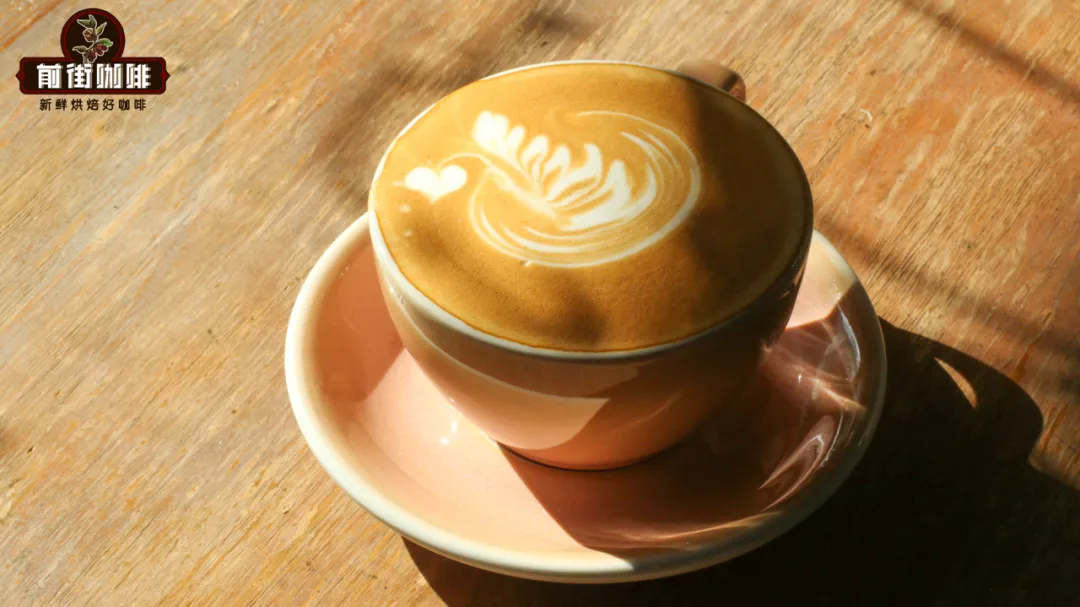
Espresso Coffee Latte Caffè latte | Is a latte coffee? Latte coffee flavor, taste, origin, history, preparation method and ratio introduction
For more specialty coffee knowledge, please follow: Front Street Coffee (Frontsteet Coffee) "Latte" is a transliteration of the Italian word "Latte". In Italy, "Latte" simply means hot milk, while latte coffee is called "CoffeeLatte", and is a type of fancy coffee. [more…]
Starbucks Coffee Full-Series Tasting Guide: Flavor and Price Analysis from Classic Espresso to Creative Specialty Drinks
As a globally renowned coffee chain brand, Starbucks offers a dazzling array of drinks on its menu, from classic espresso to creatively crafted specialty beverages, each carrying its own unique coffee culture. This article will systematically outline the complete range of Starbucks coffee types, covering classics such as cappuccino, latte, Americano, mocha, and caramel macchiato, as well as the iced drink series and creative products like Frappuccino, while also detailing the general price ranges for each size. In addition, the article delves into the roasting origins of Starbucks coffee beans, the Italian roots of its size terminology, and the personalized options customers can customize, providing coffee enthusiasts with a comprehensive and practical ordering reference. [more…]
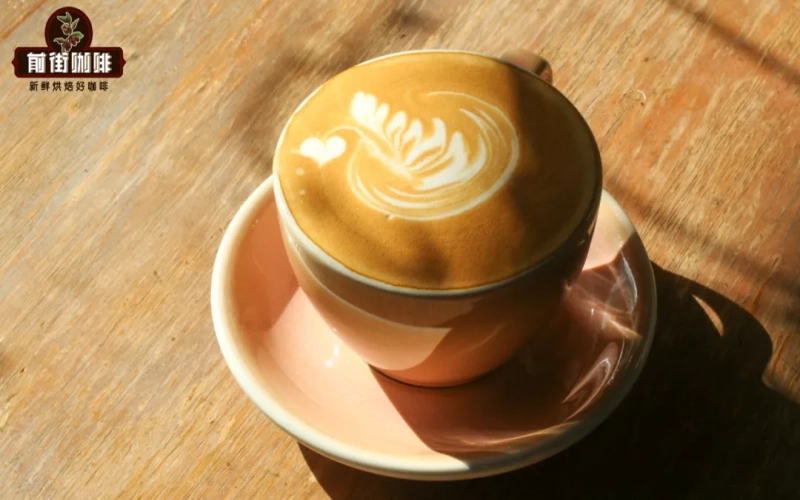
What exactly is a latte? A complete interpretation from the Italian word Latte to fancy coffee
The term "latte" often confuses people: is it actually coffee? Why can matcha lattes and red velvet lattes contain no coffee at all? In fact, latte is a transliteration of the Italian word Latte, which literally means milk, while Caffè latte refers to milk coffee. This article starts from etymology, historical evolution, and coffee shop naming conventions to trace the birth and rise in popularity of latte coffee from Italy to California in the United States, and explains why coffee-free lattes are still named "latte." Front Street Coffee will also share related knowledge and product information in this article. [more…]
Is latte coffee actually coffee? A comprehensive interpretation from Italian etymology to decaf latte oolong.
Walk into a coffee shop and order a latte—does what's served up always contain coffee? Why is there often no trace of coffee in matcha lattes or red velvet lattes? To answer these questions, we need to start with the Italian word "Latte" itself. Latte originally meant hot milk, while caffè latte is the classic blend of espresso and milk. As caffè latte swept the globe, "latte" gradually became shorthand for milk coffee by default, and so a batch of coffee-free drinks also came to use the name. This article will trace the evolution of latte from Italy to the United States, explain the two practical reasons behind the naming of coffee-free lattes, and remind everyone to take a closer look at the menu categories before ordering, so as to avoid getting something you didn't want. [more…]
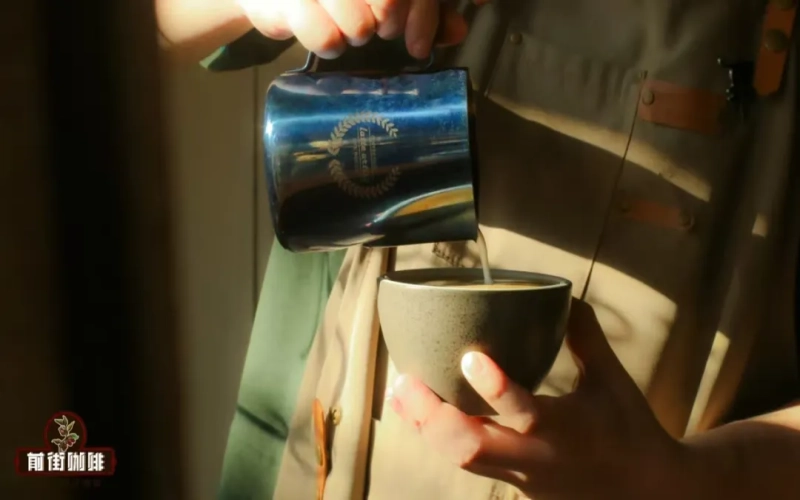
What members make up the espresso coffee family? A rundown of several obscure espresso milk coffees and red-eye coffees that are hard to find in cafés
There are many types of espresso drinks. Beyond the classic items we're all familiar with from everyday café menus, there are also quite a few "obscure" options that rarely appear on menus because they have a relatively limited audience. These coffees aren't bad in taste—it's just that their fame and popularity aren't high enough yet. In this article, Front Street will guide everyone through getting to know several obscure espresso drinks that you'll almost never encounter in cafés, including the Caffè Shakerato shaken in a cocktail shaker, and the rather hardcore-sounding Red Eye Coffee. Let's see how many of these you've tried. [more…]
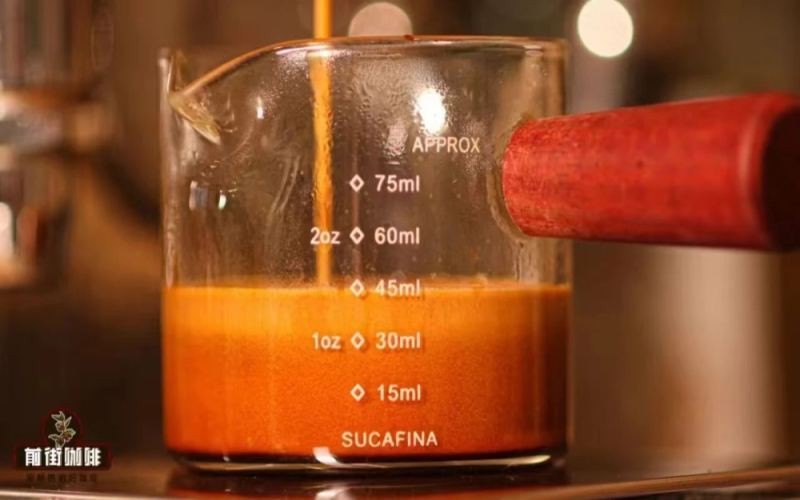
When Lemon Meets Espresso: The Origins of Espresso Romano and a Hands-On Test of Two Home Recipes
Espresso with lemon—a combination that may sound unfamiliar, yet it has actually been circulating in southern Italy for over half a century, where locals call it caffè canarino or caffè al limone, written in English as Espresso Romano. Its origins are closely tied to the historical context of post-World War II Italy, when coffee beans were scarce and dark-roasted beans were bitterly charred and hard to swallow, while the lemon-rich southern regions happened to provide a natural ingredient to temper the bitterness. In addition to tracing this history, this article will also put two beans—Sunflower Warm Sun Blend and Brazil Queen's Estate—to the test, using espresso and moka pot methods respectively to brew this drink, recording how sweetness, acidity, and bitterness contend when lemon meets coffee, and exploring the embellishing role of lemon juice in contemporary coffee creation. [more…]
The Origin and Meaning of the Latte Name Explained: Espresso with Milk, or a Misnomer for Plain Milk?
What exactly does the term latte refer to? In Italy, Latte is simply hot milk, so why is it that elsewhere, a latte has become an espresso drink with a large amount of milk added? Matcha lattes and red velvet lattes contain no coffee, so why are they also called lattes? This article will trace the origins and evolution of latte coffee from the beginning, clarify the difference between Latte and Caffè latte, and share the key elements for making a good latte—milk selection, espresso ratio, crema, and freshness—while also introducing Front Street Coffee's practical experience with blend beans and shipping freshness. [more…]
Why Does Matcha Latte Contain No Coffee? Interpreting the Original Meaning of Latte and the Evolution of Latte Coffee
Many people have had the experience of ordering a matcha latte at a coffee shop, only to find that it contains no coffee at all. Why is it called a latte if it doesn't contain coffee? What exactly does the word latte mean? To answer these questions, we need to turn our attention back to the Italian word Latte, tracing the semantic shift of this term from milk to milk coffee, and how it acquired new meanings as Italian-style coffee spread around the world. This article will start with the etymology of Latte, trace the story of how latte coffee was born in the United States, and explain why coffee shops are so eager to use latte to name drinks that contain no coffee, helping you avoid confusion the next time you face a menu. [more…]
Caffè Americano | Is iced Americano less acidic than hot Americano? Is there a big difference in taste and mouthfeel between iced and hot Americano?
For more specialty coffee knowledge, please follow: Front Street Coffee (Frontsteet Coffee). Every region has its own way of drinking coffee, and because some regions' coffee-drinking methods are quite representative, a local culture has emerged, just like Turkish coffee or Italian coffee. And speaking of [more…]
The Complete Guide to Making All Types of Espresso Drinks: Detailed Recipes and Ratios from Espresso Base to Specialty Flavored Beverages
Espresso-based coffee is a must-have category in every café, ranging from espresso bases to various milk coffees, black coffees, and even creative specialty drinks, with a wide variety of styles. Front Street's stores offer classic beverages such as Americano, Latte, Cappuccino, and Flat White. This article will systematically outline the most common espresso coffee styles found in coffee shops, including the extraction ratio differences among the trio of Espresso, Ristretto, and Lungo, the unique method of making Doppio, the water volume comparison between Americano and Long Black, the recipe characteristics of the milk coffee family such as Latte, Cappuccino, Macchiato, Flat White, and Piccolo, as well as the preparation methods of Italian specialties like Mocha, Marocchino, Affogato, Con Panna, Caffè Corretto, and Shakerato, helping coffee beginners quickly build a framework of understanding. [more…]
A Complete Guide to Common Espresso Drinks in Cafés: From Espresso Base to Milk Coffee and Specialty Drinks
Walk into any coffee shop, and espresso-based drinks are almost always the mainstay of the menu. Front Street Coffee locations offer classics like Americano, Latte, Cappuccino, and Flat White, and many shops also blend in various extras to create inventive drinks. This article systematically sorts out the most common types of espresso drinks found in coffee shops: first get to know the trio of espresso "brothers"—Espresso, Ristretto, and Lungo—along with Doppio; then learn about black coffees such as Americano and Long Black; next, take stock of milk coffee members like Latte, Cappuccino, Macchiato, Flat White, and Piccolo; and finally introduce espresso specialties such as Mocha, Marocchino, Affogato, Con Panna, Corretto, and shaken iced coffee. Beginners can use this to quickly build a complete framework of understanding for espresso drinks. [more…]
Must a latte contain coffee? Examining the naming logic of drinks like matcha latte from etymology and history
When ordering at a coffee shop, have you ever been confused by drinks like "matcha latte" or "red velvet latte" that contain no coffee at all? The name says "latte," yet what you get is a pure milk drink. Behind this lies an interesting story about language, history, and the spread of coffee culture. This article starts from two questions that Front Street Coffee is often asked—why do some lattes contain no coffee? And if they contain no coffee, why are they still called lattes?—to trace the evolution of the word "Latte" from its meaning of "milk" in Italian to its current conventional use as shorthand for "milk coffee," and to analyze the logic behind how coffee shops name coffee-free drinks. Whether you are a coffee enthusiast just getting started or a consumer trying to make sense of the menu's mysteries, this article will help you sort things out so you won't be confused the next time you order. [more…]
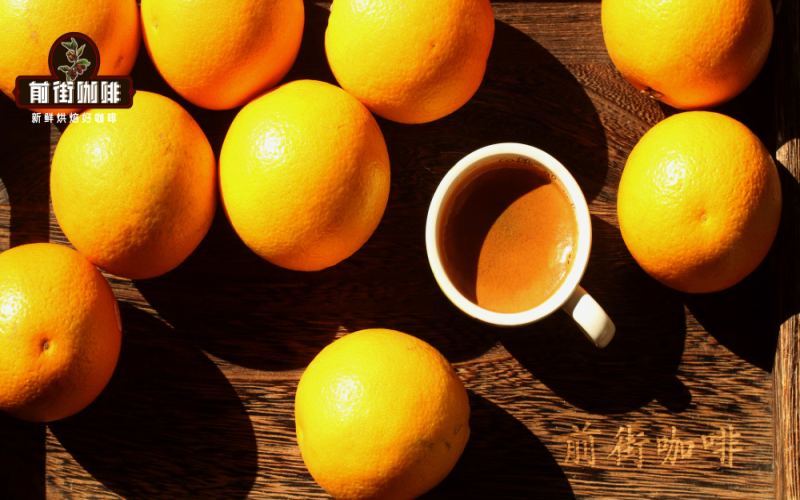
Lemon Meets Espresso: The Recipe, History, and Brewing Details of Rome's Caffè al Limone
The fresh acidity of lemon is often used to describe coffee flavors, but in Italy, lemon is an actual ingredient added to espresso. This drink, called Espresso Romano, originated in the Campania region of southern Italy, initially to neutralize the burnt bitterness of low-quality dark-roasted coffee beans. Lemon juice provides fruity acidity, sugar softens the sharpness, ultimately creating a cup of espresso that is sweet and sour, with whiskey aroma and caramel sweetness. This article will start from the historical origins and provide a detailed breakdown of the Espresso Romano recipe, including the extraction parameters of Front Street Coffee's Warm Sun blend, the two ways of adding lemon, and how to adjust the amount of lemon juice and sugar according to the roast level. [more…]
From the Port of Mocha to Coffee Shop Menus: The Origins, Preparation, and Decline of Caffè Mocha
Mocha was once a staple on espresso menus alongside lattes and cappuccinos, but today it has quietly disappeared from many specialty coffee shops. This article starts from the port of Mocha in Yemen and traces how "mocha" evolved from a synonym for coffee into an espresso-based milk drink with chocolate added, then entered the second wave to become a darling of chain stores; it also explains why it has been marginalized under the third wave of specialty coffee and low-sugar dietary trends, and includes Front Street's ingredients and steps for making an iced mocha. [more…]