







Search Results for: Pour-over coffee filter paper
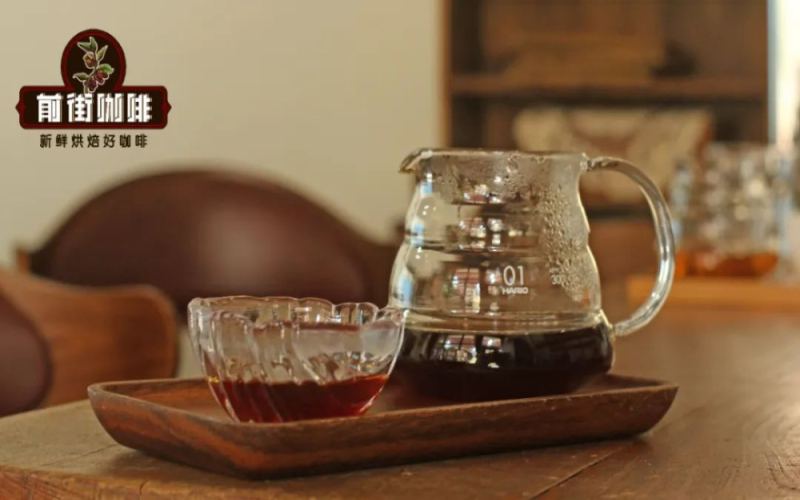
Should You Wet Pour-Over Coffee Filters First? Analyzing the Three Major Functions of Wet Filters and the Extraction Differences of Not Wetting Them
Should you wet the filter paper before making pour-over coffee? This question seems simple, but behind it lies multiple factors such as paper taste, preheating the dripper, and extraction evenness. A barista at Front Street Coffee was once asked by a customer why one filter paper was wetted while the other was brewed directly, when brewing iced pour-over and hot pour-over at the same time. This article will start from the three main purposes of wetting the filter paper—rinsing away off-flavors, preheating the dripper and server, and making the filter paper adhere to the dripper—then further analyze the possible effects of wetting the filter paper, such as hindered blooming and degassing, premature extraction of coffee grounds, and water absorption by the filter paper, and finally explain why hot brewing and iced brewing handle the filter paper differently, helping coffee enthusiasts make a more suitable choice based on actual circumstances. [more…]
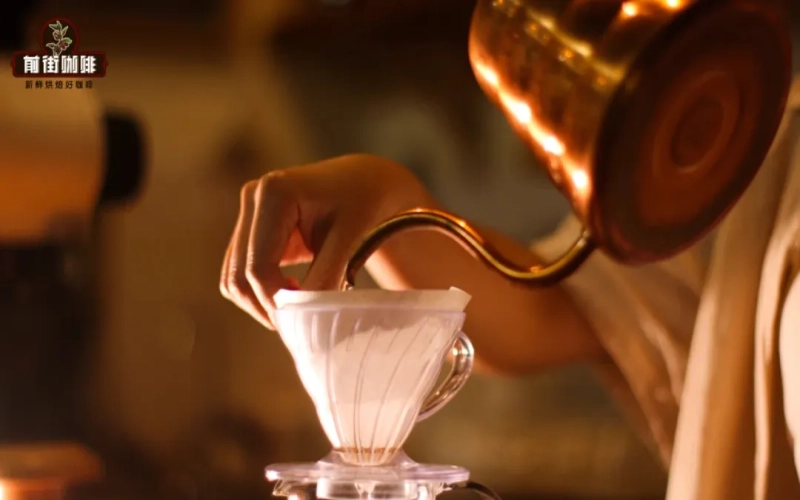
Should you pre-wet pour-over coffee filter paper? Analyzing the real differences between wet and dry filter paper
In the daily practice of pour-over coffee, many enthusiasts notice a detail: sometimes the filter paper is rinsed with hot water before brewing, while other times coffee grounds are added directly and pouring begins. At Front Street, when making hot pour-over and iced pour-over, these two different methods happen to be used. So is there any substantive difference between wetting the filter paper and not wetting it? The traditional purposes of wetting filter paper are mainly three—removing paper taste, preheating the dripper, and making the filter paper adhere to the dripper. But with advances in filter paper manufacturing technology and the diversification of dripper materials, do these concerns still hold? This article will start from filter paper quality, dripper material, and actual brewing needs, analyzing the necessity of wetting filter paper one by one, to help you make a more reasonable choice in different scenarios. [more…]
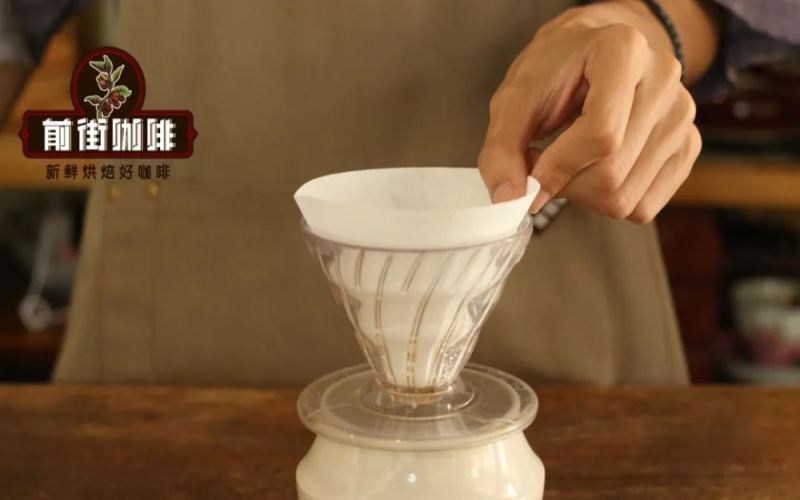
A Complete Guide to Pour-Over Coffee Filters: To Rinse or Not, How to Choose, and How to Fit Them to Your Dripper
When brewing pour-over coffee, filter paper is an unavoidable element. What role does it actually play? How should you choose between white and natural-colored filter paper? Should you rinse the filter paper before brewing? And how do you fix it when the filter paper doesn't fit the dripper? This article starts with the origins of filter paper, sorts through the pros and cons of bleached and unbleached filters, common size specifications, and differences in manufacturing processes, and combines Front Street's practical experience to offer useful advice—helping coffee lovers make a choice that suits them among flavor purity, environmental friendliness, and ease of operation. [more…]

Pour-Over Filter Paper Selection Guide: How Shape, Size, Bleaching Process, and Paper Material Affect Coffee Flavor
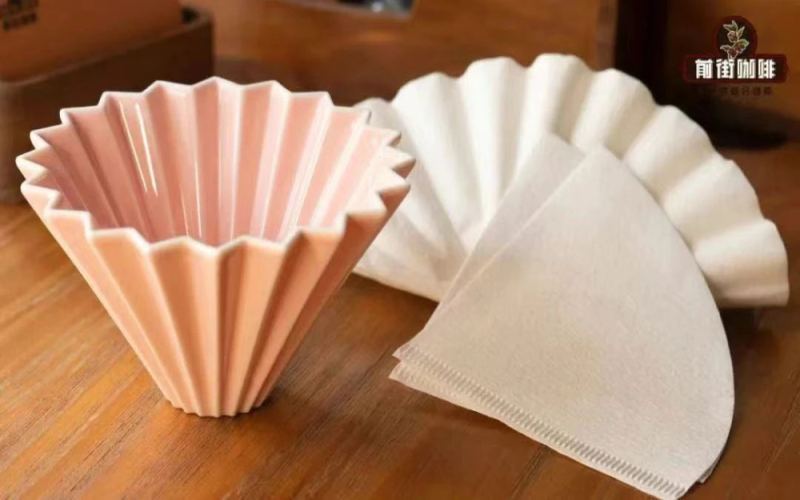
In discussions about pour-over coffee equipment, the dripper often takes center stage, while the filter paper—which performs the critical filtration task—tends to be overlooked. In fact, although filter paper accounts for only a small portion of the cost, it directly affects how coffee flavors are presented—common issues such as "fit" and "papery taste" are inseparable from it. When faced with the three mainstream shapes on the market—cone, fan, and cake—along with options like 01/02 sizes, natural and bleached, and different brands' paper textures, how should one make the right choice? Drawing on Front Street Coffee's practical experience, this article systematically sorts through filter paper styles and shapes, model sizes, bleaching processes, and paper texture differences, helping coffee enthusiasts find the one that better matches their own dripper and brewing preferences. [more…]

A Detailed Guide to Pour-Over Coffee Filter Folding: How to Correctly Fold Cone Filters, Key Paper Selection Tips, and a V60 Dripper Compatibility Guide
In pour-over coffee, how well the filter paper fits the dripper directly affects the extraction, and one detail many people overlook is how the filter paper is folded. Front Street Coffee has previously shared the tip of "pressing down on the filter paper to improve the fit," but some customers have reported that even after using this method, the filter paper still cannot fully fit the dripper. After an on-site investigation, the root of the problem turned out to be that the filter paper had not been folded correctly. This article will demonstrate in detail the correct folding steps for a cone-shaped filter paper, explain the relationship between filter paper folding and dripper fit, and also address common questions such as whether a V60 dripper requires cone-shaped filter paper and how to choose a suitable filter paper in daily use, helping coffee enthusiasts start from this small detail to improve the consistency of their pour-over brewing. [more…]
How to Choose and Use Pour-Over Coffee Filters? The Differences Between Bleached and Natural Filters and How Their Craft and Structure Affect Extraction
Before making pour-over coffee, many people first take a filter paper, fold it, and place it into the dripper, then add the coffee grounds. What role does the filter paper actually play? And how should you choose between white and natural-colored filter papers available on the market? This time, Front Street Coffee starts from the origin of filter paper, sorting out the pros and cons of bleached and unbleached filter papers, common size specifications, and further discusses how manufacturing processes and filter paper structure affect the flow rate, thereby influencing the final extraction. At the end of the article, combined with Front Street's experience, it offers purchasing ideas that are either more convenient or more environmentally friendly, helping you find a balance between flavor purity, operating habits, and environmental considerations. [more…]
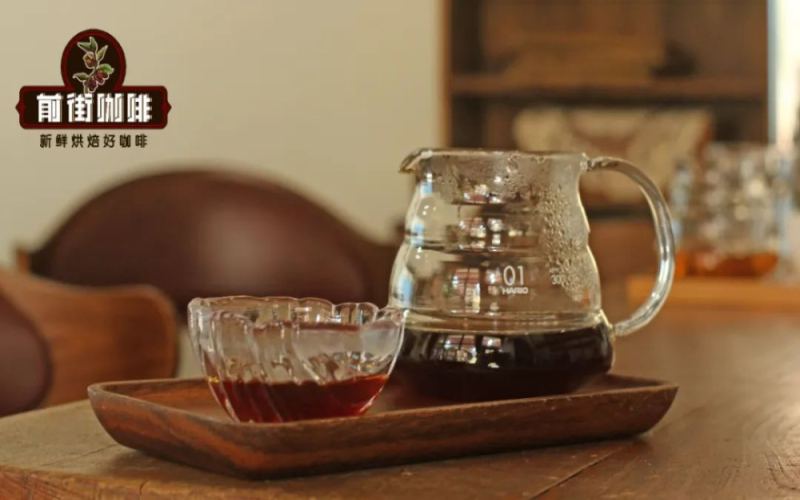
Should You Wet Your Pour-Over Coffee Filter First? A Comprehensive Analysis from Odor Removal and Preheating to Fit
In the daily practice of pour-over coffee, some people habitually rinse the paper filter with hot water before brewing, while others place a dry filter directly into the dripper and start pouring. Both approaches have their own rationale, and neither is absolutely right or wrong. When the baristas at Front Street Coffee were making both iced pour-over and hot pour-over at the same time, a customer once asked them about this very question. What practical effects does rinsing the paper filter actually bring? And what impact does skipping this step have on extraction? This article will examine three angles—removing papery taste, preheating the equipment, and helping the filter adhere to the dripper—while also analyzing the problems that wetting the filter may cause, such as obstructing the bloom and degassing, prematurely extracting the coffee grounds, and the filter absorbing water, to help you make a more suitable choice in different brewing scenarios. [more…]

What Exactly Is Double-Chamber Filter Paper? The High-Priced Yin-Yang Pot Filter Paper Pour-Over Method and Budget Alternatives
Front Street Coffee recently came across a uniquely shaped pour-over filter paper—the dual-chamber filter from Spain's Sibarist. Because its interior is divided in two by a partition, netizens have jokingly dubbed it the "double-flavor hot pot filter." The original design intent was to let coffee beans with different characteristics each be extracted separately in a single brew, but at 37.44 euros for 30 sheets—about 9.4 yuan per sheet—it really is staggering as a disposable consumable. Front Street Coffee decided to make a DIY alternative, using two 01-size filter papers in a 02 conical dripper to replicate the dual-chamber structure, and to explore the water temperature and other parameters that need to be considered when actually brewing with this kind of filter. This article will walk you through the dual-chamber filter's construction principle, its official pricing, how to make a DIY alternative, and the core considerations for using it, so you can see whether it's worth buying. [more…]
Pour-Over Filter Paper Buying Guide: Non-Woven Filter Paper Characteristics and a Comparison of Filter Paper vs. Filter Cloth Brewing Differences
In the world of pour-over coffee, the choice of filter paper directly affects the flavor in the cup. Filter paper offers outstanding filtration, delivering a clean and bright mouthfeel, but for this very reason it traps some of the coffee oils, making the aroma and body slightly inferior to tools such as metal mesh filters and cloth filters. From the perspective of Front Street, this article takes a deep dive into the composition of coffee oils and crema, explains how the filtration medium affects coffee's aroma and body, and, through a comparative brewing experiment between filter paper and non-woven filter paper, demonstrates the specific differences in flavor performance between the two. If you are struggling to decide which filtration tool to choose, or want to understand the characteristics of non-woven filter paper, this article will provide you with a clear reference. [more…]

How to properly fold a pour-over coffee filter? Master the key steps for a more perfect fit in the dripper
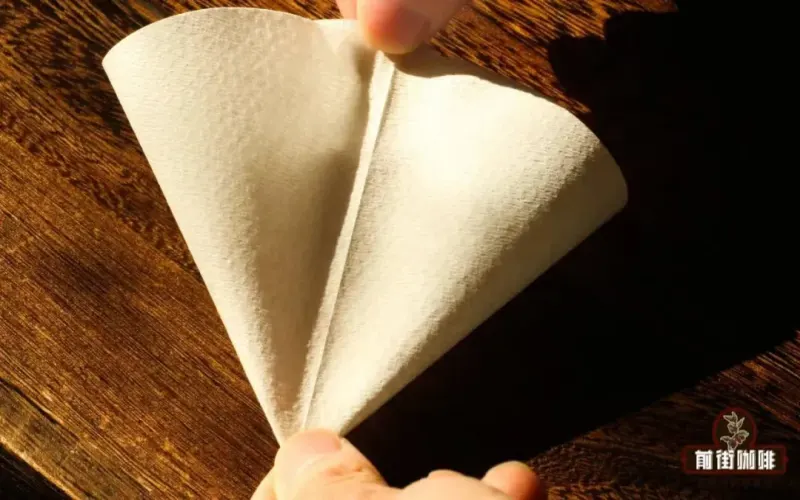
When brewing pour-over coffee, how well the paper filter fits the dripper directly affects the extraction. Many enthusiasts use a pressing technique yet still find that the filter won't sit flush, and the root cause often lies in the folding step. After customers reported this issue at their stores, Front Street Coffee put together a detailed demonstration of the correct way to fold a cone-shaped paper filter. From folding along the seam and pressing the crease to the technique for securing it once it's in the dripper, every step matters. This article reproduces the entire process, explains how to handle specialty filters such as non-woven ones, and shows how to make the filter sit snugly for iced pour-over without wetting it first—so you can brew a consistent, great-tasting cup at home. [more…]

Pour-Over Coffee Beginner's Guide | How Should Coffee Newbies Choose Coffee Filters? How Do You Use Coffee Filters? What Types of Coffee Filters Are There?
For professional coffee knowledge exchange and more coffee bean information, please follow FrontStreet Coffee. How to choose coffee filter paper? How to use coffee filter paper? What types of coffee filter paper are there? Many enthusiasts buy their own coffee beans, use a grinder, and purchase equipment to brew coffee, all [more…]
How to perfectly fit a pour-over coffee filter paper to the dripper? A full analysis of the dripper structure's function and the key points of folding the paper
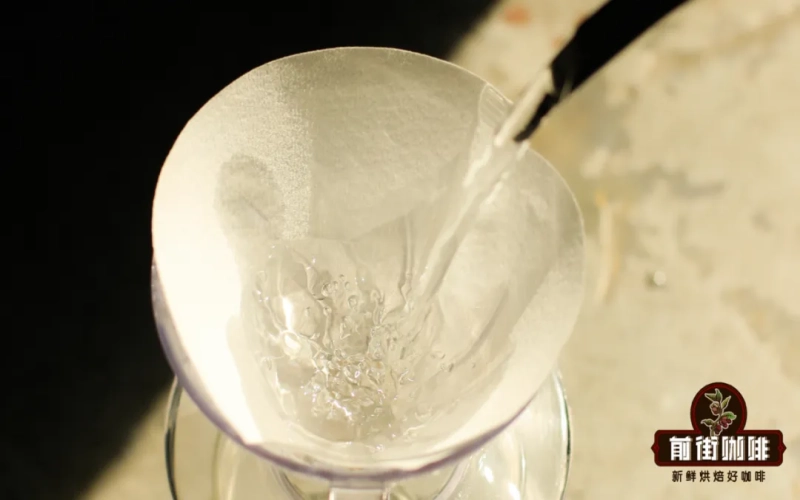
In the extraction process of pour-over coffee, how well the filter paper fits the dripper directly affects the final cup quality. Many enthusiasts find that if the filter paper does not sit tightly against the dripper wall, even the best dripper cannot deliver its intended design advantages. Take the currently popular V60 dripper as an example: its unique spiral rib structure can hardly function when the filter paper fails to fit properly. Therefore, before formal brewing, the step of wetting the filter paper is especially critical—it not only removes the papery taste and dust from the filter paper itself, but is also the core operation for making the filter paper fit tightly against the inner wall of the dripper. Starting from the structural function of the dripper, this article will explain in detail the key points of folding and fitting the filter paper, and share Front Street Coffee's experience in actual operation, to help everyone improve the stability and flavor performance of pour-over extraction. [more…]
Filter Paper Folding Methods Vary? Front Street Teaches You the Complete Guide to Correctly Choosing, Folding, and Rinsing Filter Paper
Pour-over coffee enthusiasts often encounter a confusion: why do different baristas fold their filter papers in different ways? Which filter paper should be chosen, how should it be folded, and should it be pre-wetted? These seemingly minor details actually directly affect the flavor performance of the final cup. Front Street Coffee has accumulated considerable experience with filter paper usage in daily production, so this time we will conduct a systematic review centered on filter paper selection, folding techniques, and wetting treatment. Starting from the differences between natural wood filter paper and bleached filter paper, and then moving on to specific operational details, we hope to help everyone truly understand this seemingly simple step of filter paper, making every cup of pour-over more stable and clean. [more…]

How to Make a Pour-Over Coffee Filter Fit the V60 Perfectly? A Practical Method for a 95% Fit Rate
In pour-over coffee, whether the filter paper needs to be pre-wetted has always been a matter of two approaches. Not wetting the filter paper can prevent the coffee grounds from contacting the paper too early and affecting extraction, while wetting the filter paper can wash away the papery off-flavors and dust. But for the V60 dripper with its large guide ribs, how well the filter paper fits is especially critical—Front Street Coffee's experiments show that poor fit noticeably slows the flow rate and brings negative flavors. Based on an analysis of the importance of fit, this article shares a simple and easy method that, using only finger pressure and the force of the water stream, can make the filter paper in a conical dripper fit at a rate as high as 95%. [more…]
Pour-Over Coffee Filter Paper Buying Guide: Filter Cone Compatibility, Price Ranges, and the Difference Between Bleached and Unbleached Explained
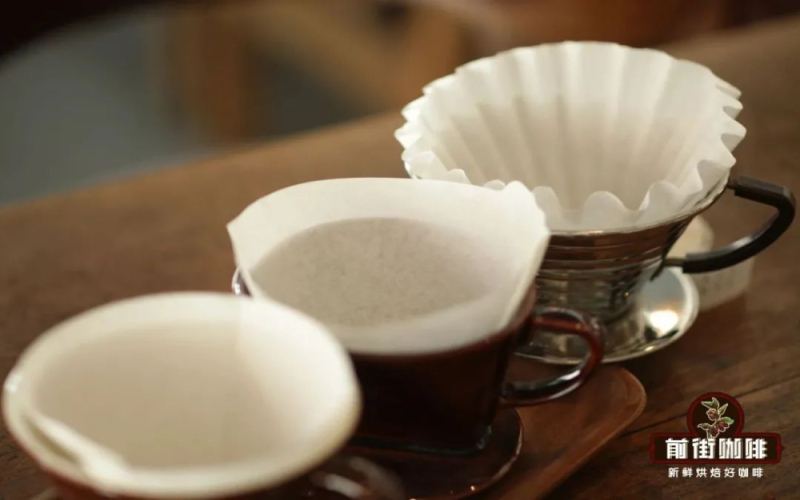
In the daily practice of pour-over coffee, the choice of filter paper is often underestimated, yet it directly affects extraction and flavor performance. Faced with a bewildering array of filter paper products on the market, how do you choose the right shape based on the dripper you use? What are the differences in price and performance between filter papers of different materials and manufacturing processes? This article approaches the topic from the practical angle of dripper compatibility, systematically sorting out the correspondence between wedge-shaped, cone-shaped, and cake filter papers, while also answering the core question of how bleached filter paper differs from natural wood filter paper, with price references included. Whether you are a beginner just starting out or an advanced player looking to fine-tune your brewing details, you will find clear guidance for making a purchase. The article also incorporates insights from the practical experience of Front Street Coffee to offer specific recommendations. [more…]
How to Choose the Filter Material for Pour-Over Coffee? A Complete Comparison of the Pros and Cons of Paper Filters, Metal Filters, and Cloth Filters
In the world of pour-over coffee, the choice of filter material is often underestimated, yet it directly determines the direction of the flavor in the cup. Paper filters, metal filters, and cloth filters each have their adherents, and they differ vastly in how much they intercept oils, fine particles, and flavor compounds. This article begins with the century-old origins of the coffee paper filter, then breaks down one by one the structural principles, operational experience, and pros and cons of the three filtration methods, along with a comparison of mainstream filters such as KONO, HARIO, and CHEMEX, as well as practical advice from Front Street Coffee for everyday brewing. Whether you prefer a clean, bright sense of layering or pursue a thick, full-bodied original flavor, you can find the filtration solution that suits you in this article. [more…]
The Diverse Uses of Filter Paper in Coffee Brewing: An Analysis of Filtration Needs for Cold Brew, Ice Drip, Espresso, and Moka Pot
Can filter paper only be used for pour-over? In fact, in cold brew, ice drip, espresso, and even moka pot brewing, filter paper also plays an important role, just with different functions emphasized. This article compiles the practical experience of Front Street Coffee and explains one by one the specific uses of filter paper in different extraction methods: why cold brew needs secondary filtration, what roles the upper and lower filter papers in an ice drip brewer each play, what changes adding filter paper above the puck or at the bottom of the portafilter basket brings to espresso, whether a moka pot should use filter paper, and the correct approach to using filter paper to filter coffee grounds. Whether you are just starting out or want to refine your technique, you can find practical reference solutions here. [more…]

Practical Tips on How to Correctly Fold Cone-Shaped Pour-Over Coffee Filters and Fit Them to the Dripper
The paper filter for pour-over coffee may look simple, but it actually hides quite a few details. Many coffee enthusiasts have encountered the situation during brewing where one side of the paper filter lifts up after being rinsed with water and cannot fit snugly against the dripper. Although it will not ruin the entire cup of coffee, it does affect the extraction. This article focuses on the folding and fitting issues of conical paper filters, starting with the selection of the dripper and filter paper, and then gradually breaks down the key steps such as folding, creasing, handling the conical bottom, and securing the filter with water, helping you get this detail right in your daily pour-over brewing. Front Street Coffee will also share, based on its own experience, why the resin version of the V60 dripper has more advantages in terms of standardization. [more…]
Pour-Over Coffee Beginner's Guide: A Complete Analysis from Equipment Comparison to Filter Paper Selection and Boiling Water Brewing
Pour-over coffee has become the top choice for many coffee enthusiasts thanks to its advantages of being clean, free of off-flavors, clear, simple, and safe. This article starts with a horizontal comparison of the French press, the Clever Cup, the AeroPress, and the siphon pot, then sorts out the three truly indispensable conditions for pour-over—coffee grounds, filter paper, and hot water—and takes a deep dive into how the filter paper material affects flavor, debunking the common misconception that "boiling water can't be used to brew coffee." At the end, it includes Front Street's recommended Huakui brewing parameters and flavor description, making it suitable reading for coffee enthusiasts who want to systematically understand the logic of pour-over. [more…]
Pour-Over Coffee Beginner's Guide: Four Major Advantages, Filter Paper Selection, and Key Brewing Practices
Pour-over coffee has become the preferred brewing method for many coffee enthusiasts thanks to its advantages of being clean, free of off-flavors, clear, and simple and safe. This article starts from a comparison of brewing devices such as the French press, the Clever Cup, the AeroPress, and the siphon, and takes an in-depth look at the core principles of pour-over coffee—the three key elements of coffee grounds, filter paper, and hot water. It focuses on revealing the critical influence of filter paper on flavor and explores the feasibility of brewing with boiling water. At the end, using the 2018 Huakui Natural Sidamo as an example, it fully presents the V60 brewing parameters and flavor performance, making it suitable as a reference for readers who wish to improve their pour-over brewing skills. [more…]