







Search Results for: Pour-Over Steps
The evolution of pour-over coffee from France to Japan, along with a complete guide to dripper selection, water temperature control, and brewing steps
Pour-over coffee originated in France, later spread to Japan where it was widely popularized, and today most pour-over equipment on the market is made in Japan. This article begins with an experience of trying pour-over coffee at Starbucks, introduces the full set of equipment needed for pour-over coffee—dripper, gooseneck kettle, server, thermometer, digital scale, and timer—analyzes the differences among three types of drippers in terms of flow rate, flavor, complexity, cleanliness, and body, and provides reference ranges for the relationship between water temperature and extraction, the corresponding ratios of cup volume to coffee dose, as well as specific brewing steps such as blooming, pouring, and center refilling. Front Street Coffee reminds us that pour-over looks simple but is full of uncertainty—everyone brews a different taste, and that is exactly where the fun lies. [more…]

Complete Guide to Pour-Over Coffee for Beginners: From Bean Selection and Roast Level to Detailed Brewing Steps
Want to brew an outstanding cup of pour-over coffee at home? Choosing the right roast level for your coffee beans is the first step. Coffee beans are broadly divided by roast depth into light, medium, and dark roasts. The lighter the roast, the more pronounced the acidity and the better it showcases the bean's own fruity and floral notes; the darker the roast, the more obvious the bitterness. The good news is that beans of any roast level are suitable for pour-over—they simply taste different. This article starts with choosing a roast level, then breaks down the eight standard steps of pour-over coffee, covering key details such as folding the filter paper, warming the cup to remove odors, the blooming technique, and the circular pouring motion. It also recommends several representative Front Street Coffee beans at different roast levels to help beginners quickly build a pour-over framework. [more…]
Nicaraguan Sun-Dried Maragogype Coffee Brand Recommendations, Pour-Over Steps Explained in Detail, and Flavor Profile Introduction
Maragogype is a strikingly large derivative variety within the Arabica family, with beans that can be more than three times the size of ordinary coffee beans. This article focuses on sun-dried Maragogype from Nicaragua. It first introduces the classification, origin, and varietal characteristics of Maragogype, then highlights the Nicaragua Finca La Tormenta sun-dried Maragogype produced by Front Street Coffee, and provides detailed pour-over extraction parameters and operating steps. It also outlines the geographical distribution and altitude characteristics of Nicaragua's four major coffee-producing regions, and analyzes the country's coffee's distinctive performance in body, acidity, and aroma. Whether you want to understand the Maragogype variety or are looking for a brewing method for Nicaraguan coffee, this article offers complete information and practical reference. [more…]
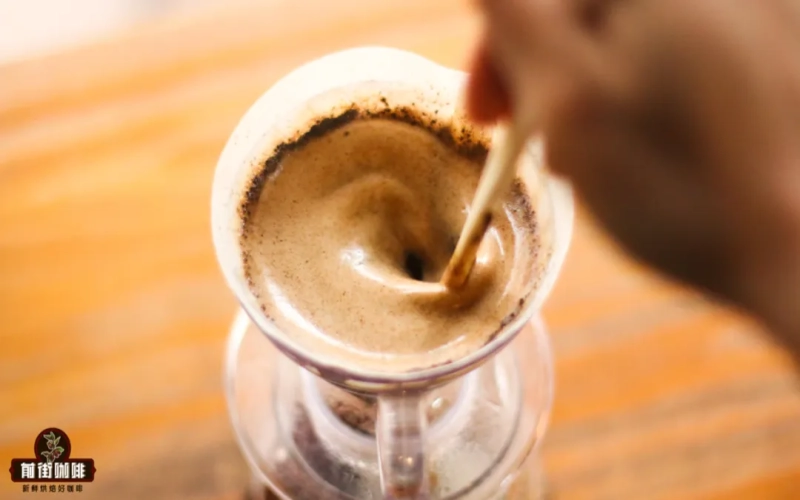
Pour-Over Coffee Stirring Method Iced Coffee Tutorial: Parameters, Steps, and Kenyan Coffee Bean Flavor Sharing
Why does the stirring method for brewing iced pour-over coffee bring out a richer flavor? This article will analyze the essential difference between the stirring method and conventional pouring from the perspective of extraction efficiency, and share in detail the complete parameters and steps for Front Street Coffee's iced pour-over made with Kenyan Little Tomato coffee beans, using a V60 dripper paired with the stirring method. If you are also interested in this fun brewing technique, why not follow along with this article and give it a try at home, experiencing the full-bodied juiciness and rich flavor that the stirring method brings. [more…]
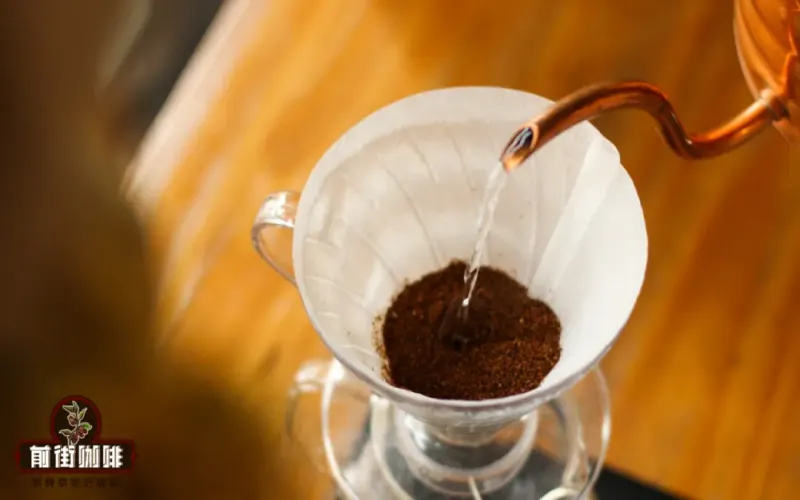
Pour-Over Coffee Water Pouring Techniques Explained: Key Steps of Scott Rao's Spin and Shake Method and Dripper Flow Control Tips
Among the many pouring techniques in pour-over coffee, there is one method that looks quite bold and unrestrained—the Rao Spin, created by coffee industry celebrity Scott Rao. This multi-talented figure—roaster, barista, and author—is renowned in the industry for his books such as The Coffee Roaster's Companion, The Professional Barista's Handbook, and The Coffee Brewer's Handbook. In Rao Spin, "Spin" means to rotate or shake, so Front Street Coffee habitually calls it the Lao-style shaking method. This article will introduce the origins and characteristics of this brewing method, break down its pouring steps in detail, and also discuss the principle behind gripping the dripper to control the flow rate. [more…]

Clever Cup Brewing Guide: From Principles to Practical Steps, Master Stable Pour-Over Techniques
As a member of the pour-over dripper family, the Clever Cup is highly recognized in international competitions for its simple operation and stable performance, and has become the preferred brewing device for many specialty coffee shops. For beginners new to pour-over, the Clever Cup requires almost no complex flow-control skills—just master the three variables of grind size, water temperature, and time, and you can easily recreate a good cup of coffee at home. This article will explain in detail the working principle of the Clever Cup, and using 15g of coffee, a 1:15 coffee-to-water ratio, and a water temperature of 93°C, paired with Front Street Coffee Yirgacheffe Natural Red Cherry, it will fully demonstrate the ten operating steps from folding the filter paper to cleaning, helping you consistently produce a cup of coffee with a clean flavor and distinct layers in the office or at home. [more…]
Colombia Huila Pour-Over Coffee Tutorial: Complete Steps from Grinding to Tasting with Flavor Profile Analysis
Huila is a famous coffee-producing region in Colombia and an origin coffee named after its growing area. Front Street Colombia Huila coffee beans are selected from 100% Arabica varieties, screened by bean size and single variety, presenting a clean, balanced, and smooth taste, with flavors of melon and fruit, sweet oat, and bright acidity. This everyday drinking bean is affordable and comes in a moderate portion, making it suitable for beginners to practice and learn about the flavor of Colombia's coffee-producing regions. This article will share in detail the complete steps for making pour-over coffee at home, including the four stages of grinding beans, heating the cup, brewing, and tasting, and will introduce key techniques such as water temperature control, coffee-to-water ratio, and extraction time, helping you easily brew a delicious cup of Front Street Colombia Huila. [more…]

Can Pour-Over Coffee Be Drunk with Milk? Parameters, Ratios, and Steps for Making Milk Coffee with High-Concentration Pour-Over
Will you get beaten up for adding sugar and milk to pour-over coffee? Behind this internet meme, there's actually a reflection of many people's stereotypes about how coffee should be drunk. This article uses this topic as a starting point to explain that coffee is essentially an everyday beverage, and how you drink it is entirely up to personal preference. It then aims to make milk coffee, sharing how to adjust the coffee-to-water ratio, grind size, and water temperature to extract a more concentrated pour-over coffee using Front Street PWN Golden Mandheling, and then mix it with milk in proportion to ultimately get a smooth, flavorful milk coffee. The article includes complete parameters, brewing steps, and tasting descriptions, making it a useful reference for coffee lovers who want to try making pour-over milk coffee at home. [more…]
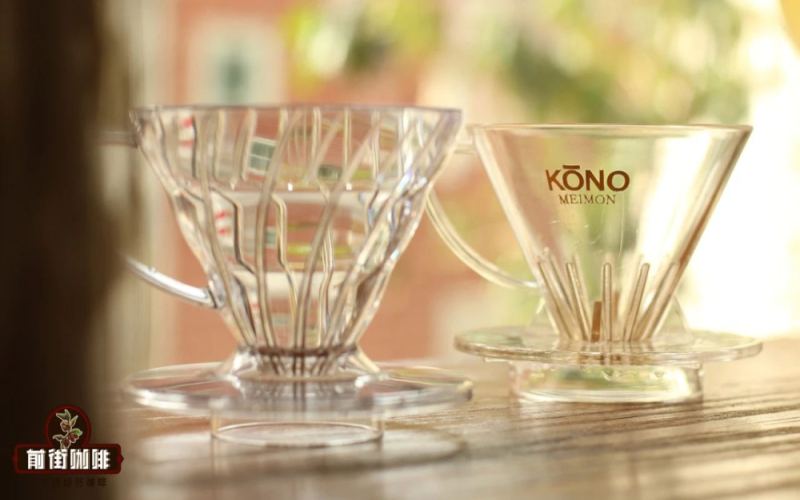
The Complete Smart Cup Brewing Guide: From Working Principles to Practical Steps, Comparing Flavor Differences with Pour-Over
For friends who are just getting into pour-over coffee, the water-flow control required by drippers like the Hario V60 and KONO often feels daunting. The appearance of the Clever Cup, however, lets even complete beginners easily brew a cup of good coffee that won't fail. This article starts with the structure and principles of the Clever Cup, then gradually breaks down the complete brewing process, and also sorts through the origins of pour-over coffee, equipment choices, and standard steps. Finally, using Front Street Coffee's Yirgacheffe Red Cherry as an example, it compares the flavor differences brought by the two brewing methods to help you find the cup that suits you. [more…]

A Complete Guide to Making Iced Pour-Over Coffee: Ratios, Parameters, and Brewing Steps for Rapid-Chill Extraction
Iced pour-over coffee is not simply pouring hot coffee over ice cubes, but a brewing method known as "flash-chilled pour-over"—using ice to rapidly cool the hot coffee liquid in a short time. However, if you directly use the parameters of a regular hot pour-over, the final product often becomes weak and tasteless. To solve this problem, you need to adjust three core parameters: coffee-to-water ratio, grind size, and water temperature. Front Street has summarized a practical formula: coffee grounds (fine grind) + 10 times hot water + 5 times ice. This article will break down the adjustment logic of iced pour-over in detail, offer suggestions on choosing a dripper and coffee beans, and use an Ethiopian natural bean as an example to provide complete brewing parameters and staged pouring steps. [more…]
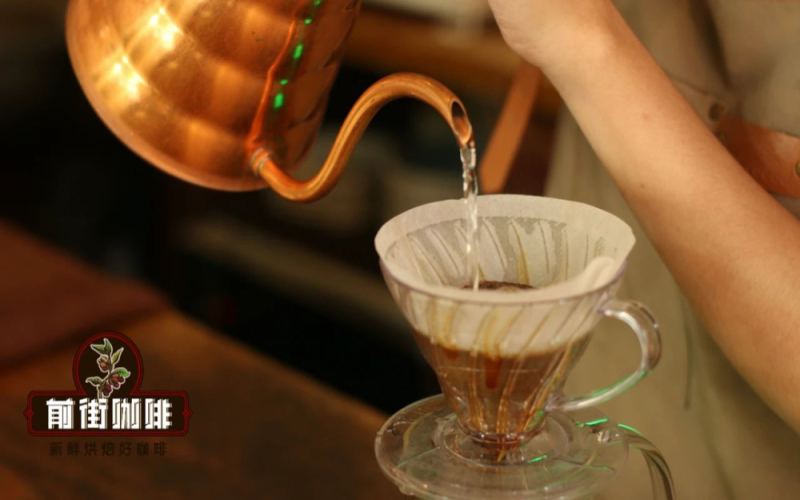
Smart Filter Cup Practical Review: Immersion Extraction Principles, Operating Steps, and Whether It Can Replace a Regular Pour-Over Filter Cup
Although pour-over coffee may look simple to operate, it actually involves a rich array of techniques and details, and the flavor expression of the coffee varies noticeably depending on the brewing device used. This time Front Street Coffee is going to introduce a dripper that is very beginner-friendly—the Clever Cup, which combines both immersion brewing and filtered brewing functions, has a low barrier to entry, and makes it easy to reproduce a stable flavor. The following article will explain the Clever Cup's brewing principles, specific usage steps, recommended parameters, and whether it can be used as an ordinary dripper, helping coffee lovers quickly master this device. [more…]
An Analysis of Colombian Coffee Flavor Characteristics and a Detailed Guide to Pour-Over Brewing Steps
Colombian coffee ranks second in global production, accounting for about 12% of the world's total output. Though it doesn't match Brazil in scale, it is renowned for its outstanding quality. Its beans are mostly grown at high altitudes and processed using the wet method, resulting in a flavor profile that is rich and full-bodied, with a smooth sweet acidity and substantial strength, along with a distinctive hint of sweet potato skin—making it a premium choice among coffees. Thanks to its complex aromatic layers, Colombian coffee is suitable both for drinking on its own and as a blending bean to enhance the aroma of other coffees. This article starts with the characteristics of Front Street Colombian coffee beans and then breaks down the seven steps of pour-over extraction one by one, covering key details such as grind size, filter paper preparation, cup warming, blooming, and pouring rhythm, helping coffee enthusiasts consistently reproduce a balanced and delicious cup at home. [more…]

Cold Brew, Ice Drip, and Nitro Coffee Fully Explained: The Extraction Principles, Brewing Steps, and Flavor Differences of Four Iced Coffees
In the height of summer, a glass of iced coffee always brings a refreshing, invigorating coolness. Currently, the most common types of iced coffee are iced Americano, iced pour-over, cold brew, and iced drip, plus nitro cold brew, which is cold brew infused with nitrogen gas. These iced coffees each have their own merits in terms of extraction method, preparation time, equipment threshold, and the final flavor presentation. This article will analyze their differences and distinctive features one by one from the dimensions of extraction principles, detailed preparation steps, ease of operation, and taste characteristics, helping you find the cup of iced coffee that best suits your taste. Whether you prefer something light and crisp or are fond of a rich, fermented flavor, you can find the answer here. [more…]
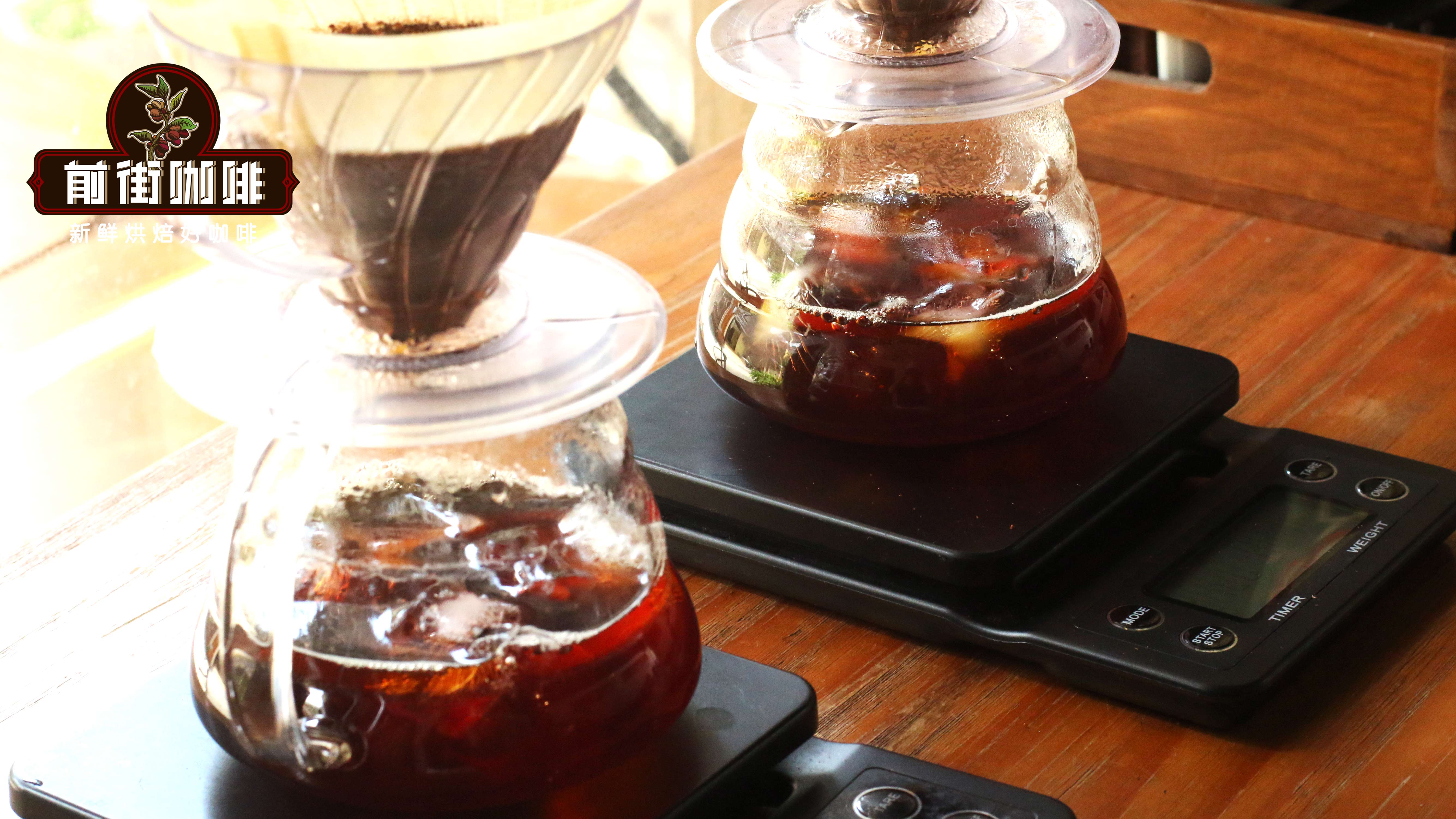
Is Iced Water Pour-Over Coffee Feasible? Bean Selection and Practical Steps, with a Soda Water Brewing Experiment
In the past, the iced pour-over recipes we shared mostly involved pouring hot coffee directly over ice to cool it down—a Japanese-style approach. This time, Front Street Coffee wants to try something different—extracting coffee with ice water the whole way through. Ice water is low in temperature and poor at extraction, so it may not seem very reliable, but once you understand the balance between grind size, water temperature, and pouring method, you can actually find a reasonable brewing path. This article will first explain the idea behind brewing coffee with ice water, then use the Costa Rica Strawberry Candy bean as an example to give the dripper choice, grinding parameters, and complete brewing steps, and finally add an extra experiment using soda water instead of ice water to see how the taste changes. [more…]
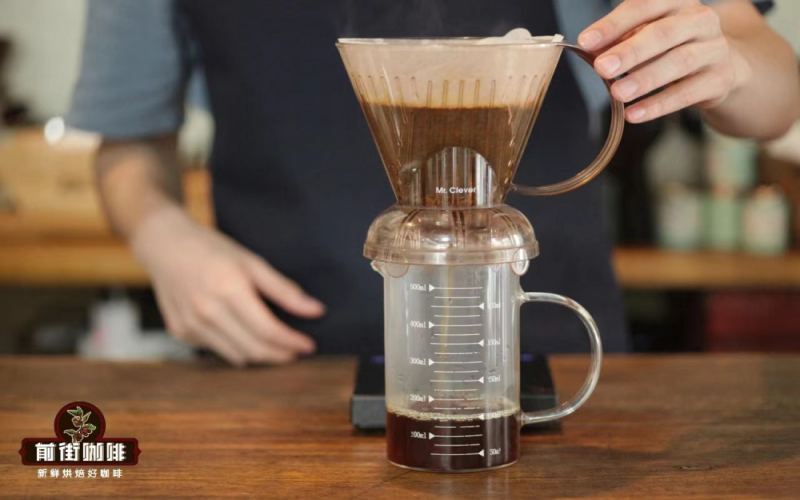
A Full Guide to Clever Dripper Coffee Brewing: Steps, Flavor Pros and Cons, and Who It's For
The Clever Dripper is often recommended to friends who are new to pour-over coffee because of its low barrier to entry and consistent results. But who exactly is it suited for? And what should you pay attention to when brewing? This article will start from the working principle of the Clever Dripper, objectively analyze its pros and cons, and provide specific brewing parameters and operating procedures. It will also explain that if you are after richer flavor layers, Front Street Coffee recommends choosing a conical dripper. The article also includes Front Street Coffee's grinding and water temperature recommendations for coffee beans of different roast levels, to help you more easily make a delicious cup of pour-over coffee. [more…]
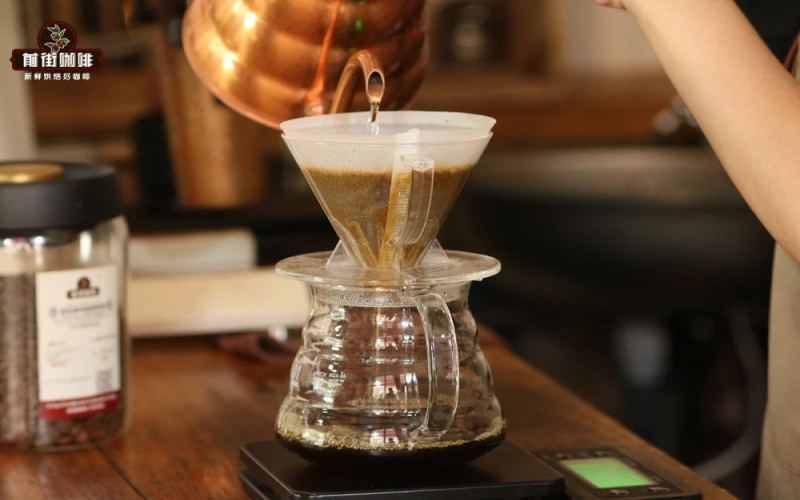
Pour-Over Guide for Beginners: A Detailed Look at Brew Parameters and Steps for Washed Yirgacheffe
Friends who are just getting into pour-over coffee often ask: why does the coffee I brew never taste quite right? In fact, pour-over looks simple, but behind it lie many details such as the pouring method and the force of stirring. Using a washed Yirgacheffe as an example, this article uses illustrated demonstrations to break down the parameter settings and key operational points of pour-over coffee one by one, helping beginners build a correct understanding of brewing. The article also explains how stirring force affects flavor, and why over-stirring instead brings out bitter, muddy notes—making it a useful reference for coffee lovers who are still figuring out pour-over techniques. [more…]
How Does the Natural Process Shape Coffee Bean Quality and Flavor? A Complete Breakdown of Steps, Pros, and Cons
The natural process, as the oldest method of coffee processing, can be traced back to the method used by Arabs in the 11th century. This natural drying technique requires no large amount of water and is low in cost, making it widely popular in water-scarce regions. However, the natural process also faces challenges such as contamination by impurities, uneven drying, and mold and rot. This article will break down the four steps of the natural process in detail—removing floating beans, sun drying, observation, and removing the husk—and analyze its positive and negative effects on coffee bean quality. At the same time, we will also explore how the natural process amplifies the coffee's own flavors, bringing a rich body and sweetness, and include Front Street Coffee's pour-over brewing suggestions to help enthusiasts better experience the charm of naturally processed beans. [more…]
How to brew Costa Rican light roast coffee beans? Detailed pour-over steps and parameters
Costa Rican coffee enjoys a high international reputation, and the high-quality beans produced there are known as "strictly hard beans," capable of growing at altitudes above 1,500 meters. The reason high altitude has a positive impact on coffee quality is twofold: on one hand, it enhances the bean's acidity and enriches its flavor layers; on the other hand, the low nighttime temperatures slow the trees' growth rate, allowing the coffee beans to accumulate a richer taste. In addition, the abundant rainfall brought by the high-altitude terrain also provides good growing conditions for the coffee trees. Below, taking the light-roast Front Street Coffee Costa Rican coffee beans as an example, we will explain in detail the equipment preparation and operating procedure for pour-over brewing. [more…]
From Aroma and Color to Sipping and Tasting: Mastering the Four Key Steps and Temperature Control of Pour-Over Coffee Tasting
A good cup of coffee deserves our serious attention from the moment it is set before us. Many people rush to take a sip as soon as they receive their coffee, but a complete tasting actually follows a careful procedure—first smell its aroma, then observe its color, then slurp loudly so the coffee liquid is fully atomized and coats the entire mouth, and finally smell the aroma lingering at the bottom of the cup to capture those shifting fruity and floral notes. Beyond the steps, temperature is equally key to how flavors express themselves: about 83°C at the moment of brewing, about 80°C when poured into the cup, and ideally 61 to 62°C when sipped. This article systematically lays out the correct way to drink pour-over coffee, from operational details to sensory experience, and explains the sources of bitterness, acidity, sweetness, aroma, and astringency in coffee, helping you taste layers and surprises in every sip. [more…]
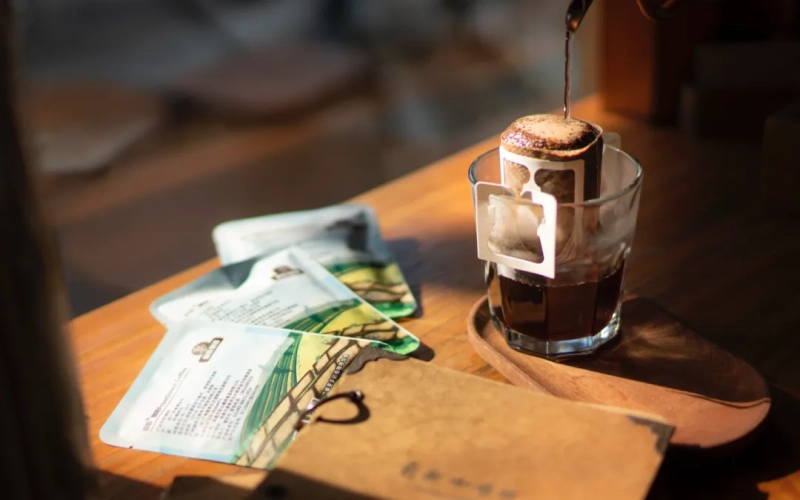
Pour-Over Coffee Beginner's Guide: Four Steps to Brew a Delicious Cup of Black Coffee
Want to drink pour-over coffee but don't know where to start? Drip bag coffee may be your best starting point. It comes with pre-ground coffee sealed in a filter bag—just tear open the packaging, pour in hot water, and in moments you'll have a cup of aromatic black coffee, both convenient and quick. Although it is in pre-ground form, drip bag coffee can still showcase the unique flavor characteristics of different regions, so you can choose according to your personal taste preferences. If you've just stepped into the world of specialty coffee and aren't yet familiar with the characteristics of various origins around the world, you might want to start with the Front Street Classic Five Origins Drip Bag Coffee Gift Box, which lets you experience the flavor differences of five well-known origins at once, covering the herbal spice of Indonesian Mandheling, the berry and oolong tea notes of Panama Butterfly, the citrus, lemon and floral aromas of Ethiopian Yirgacheffe, the nutty chocolate sweet finish of Honduras, and the dark plum juice-like quality of Kenyan Small Tomato. This article will also introduce in detail the four-step brewing method summarized by Front Street, helping you easily brew great-tasting coffee at home. [more…]