







Search Results for: Piedra Blanca Estate
Exploring Costa Rica's Brunca Region: A Flavor Analysis of Finca Las Piedras Anaerobic Heavy Honey Process
The blueberry-flavored coffee from Costa Rica's Las Lajas Estate was once one of my favorite beans, but unfortunately it is currently out of stock. That blueberry gummy-like sweetness and the minty coolness emerging from the fermented wine finish made it a must-have coffee for summer in my mind. Where exactly is Las Lajas Estate located in Costa Rica? Why can it present such clear flavors? Today, Front Street Coffee will take everyone deep into the Brunca region to explore the story of Las Lajas Estate and analyze the unique charm of this anaerobic heavy honey-processed coffee. [more…]
Exploring Colombia's Santander Region: The Journey of Casablanca Estate's Specialty Coffee Transformation
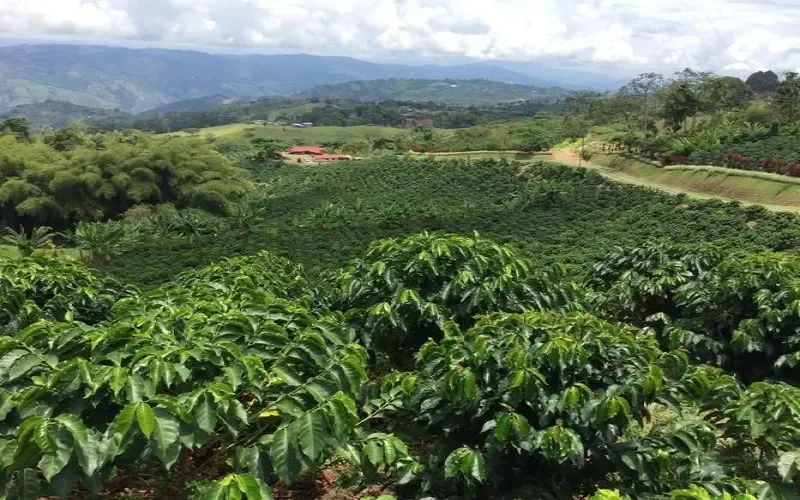
Colombia, an important member of South America's coffee landscape, nurtures diverse flavor profiles thanks to the unique conditions of the Andes Mountains. Among the country's many producing regions, Santander Department, though low-key, has a deep heritage as the birthplace of Colombia's coffee-growing history. It is here that Finca Casablanca is located, beginning with large-scale cultivation in 1860, undergoing a specialty transformation since 2006 led by current owner Liliana Caballero Rojas and her family, and winning the Colombian Yara Championship in 2016. This article takes you deep into the terroir characteristics of this producing region and the varietal charm of the estate. [more…]
Colombia's Finca La Esperanza and Cerro Azul: A Deep Dive into a Family's Coffee Empire and Geisha Flavors
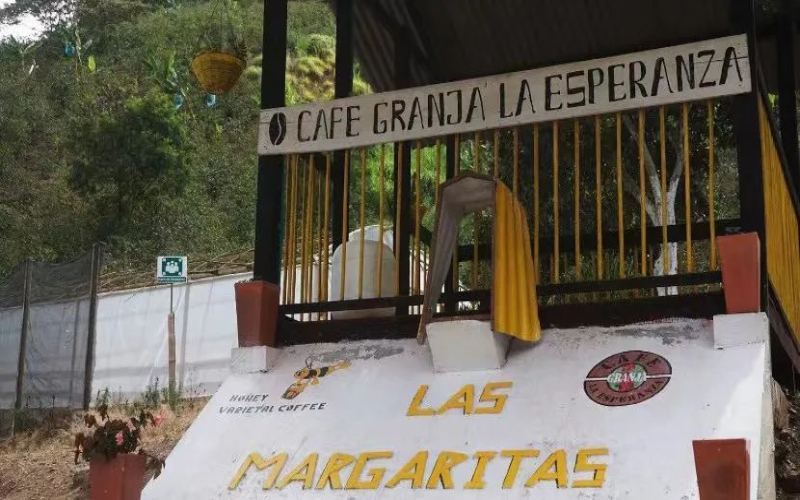
Cafe Granja La Esperanza frequently appears in coffee competitions and rankings, but it is not a single estate—rather, a coffee family brand made up of several farms. It began when the couple Blanca Ligia Correa and Juan Antonio Herrera acquired Finca Potosí, and the family gradually expanded its holdings to five estates, including Margaritas, Cerro Azul, and Hawaii. In 2007, family member Rigoberto won the BOP championship in Panama, and subsequently introduced Geisha to Colombia, opening a glorious chapter for Cafe Granja La Esperanza. This article provides a comprehensive look at this sun-dried Geisha from the high altitudes of Cauca Department, covering the family history, the terroir of the producing region, and Front Street Coffee's cupping experience. [more…]
Brewing Parameters and Origin Flavor Analysis of Costa Rica's巨石 Estate Anaerobic Black Honey Process Coffee Beans
Costa Rica, as the first country in Central America to cultivate coffee, has given rise to numerous specialty coffees thanks to its volcanic soil and microclimates. Located in the Brunca region, Hacienda Colossal is known for its anaerobic heavy honey processing method and Bourbon and Catuai varieties, with high-density beans and outstanding sweetness. The Hacienda Colossal Blueberry coffee beans brought by Front Street Coffee this time are a typical representative of this terroir. This article will review its regional background, variety characteristics, and processing techniques, and share Front Street's roasting records, cupping reports, and specific brewing suggestions, including V60 dripper, 90°C water temperature, 1:15 coffee-to-water ratio, and other parameters, providing coffee enthusiasts with a complete brewing reference. [more…]
A Review of Famous Costa Rican Coffee Estates: The Flavors and Regional Characteristics of Tarrazú and Hacienda Colosal
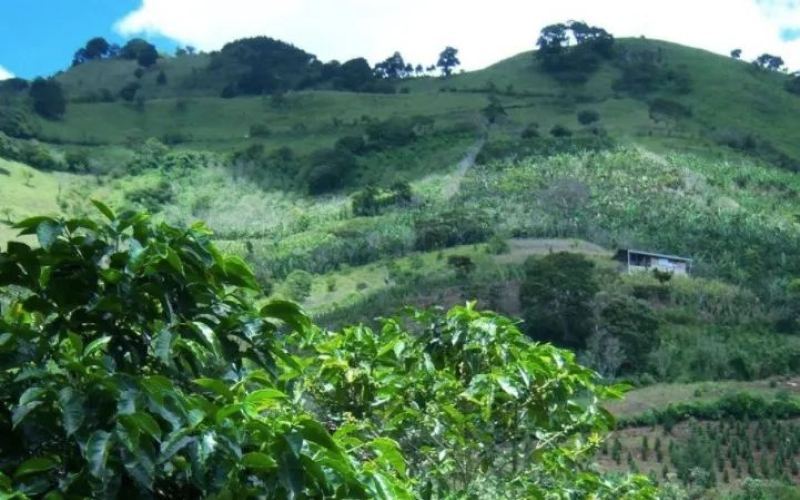
In Spanish, Costa Rica means "rich coast." Volcanic soil, Pacific Ocean currents and monsoons, and mountains at varying elevations together create unique microclimates that provide superior conditions for coffee cultivation. After coffee beans were introduced from Cuba in the early 18th century, the country became the first in Central America to grow coffee and the first to cultivate it on a large scale because of its commercial value. A relatively strong economic foundation, together with government policy support for high-quality Arabica, has kept Costa Rica's coffee industry among the world's leaders for a long time. This article reviews Costa Rica's representative coffee estates, focusing on the Tarrazu region and the巨石 Estate in the Brunca region, and includes Front Street Coffee's daily-drink bean recommendations to help you understand the flavor characteristics of these regions. [more…]
Costa Rica Coffee Brewing Guide: Honey Process Flavor Analysis and Finca El Roca Blueberry Bean Review
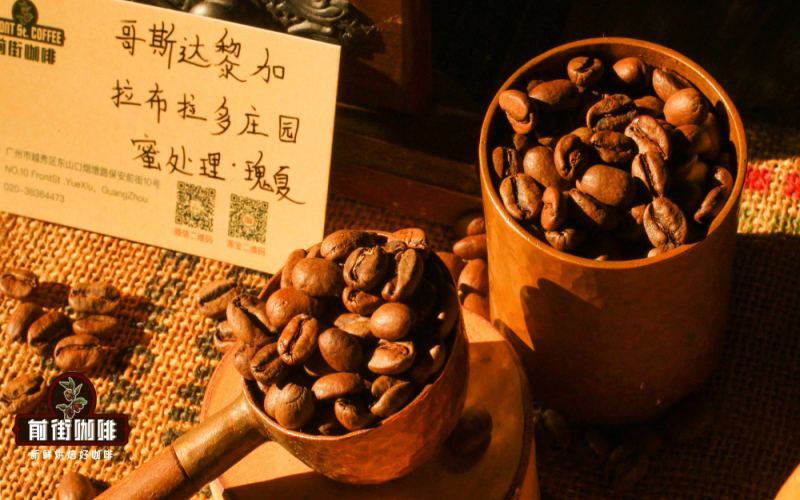
Costa Rican coffee occupies an important position in the Central American specialty coffee landscape thanks to its high-altitude volcanic soil and innovative processing methods. Starting from Front Street Coffee's everyday bean—the washed Tarrazú—this article sorts out Costa Rica's eight major producing regions and green bean grading standards, and focuses on analyzing how honey processing gives coffee greater sweetness. It also presents the complete profile of the recently launched Blueberry coffee beans from Hacienda El Roble, along with a three-pour hand-brewing recipe tailored to high-altitude SHB strictly hard beans, including specific parameters such as V60 dripper, water temperature, coffee-to-water ratio, and grind size, helping coffee enthusiasts recreate a rich fruity layering at home. [more…]
Exploring Costa Rica's Tarrazú and Hacienda La Roca Blueberry: A Complete Guide to the Flavors and Brewing of Geisha, Caturra, and Catuai Varieties
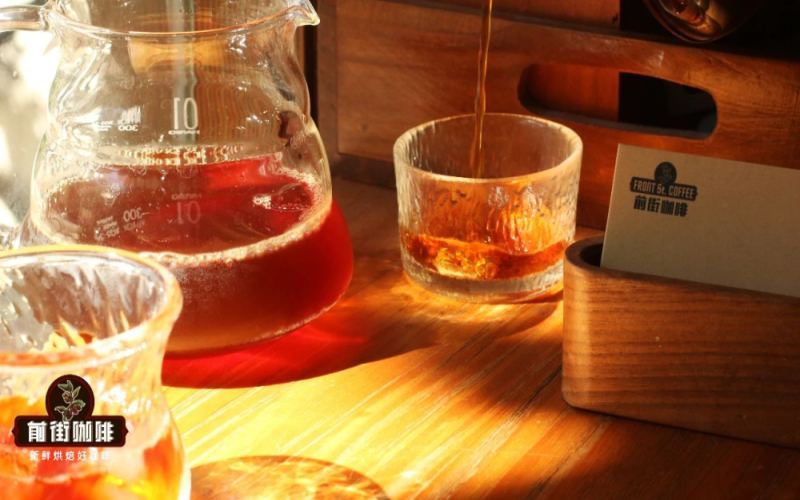
Costa Rica is a coffee origin that cannot be overlooked on the Central American coffee map, and Front Street Coffee's Costa Rica series has always been known for being "sweet as honey." This article starts with the Blueberry Coffee from the Giant Stone Estate, taking you through the terroir characteristics of the Brunca region, the meticulous process of anaerobic heavy honey processing, and an in-depth analysis of the main varieties of the Tarrazú region—the differences between Caturra and Catuai, as well as the performance of Geisha in Costa Rica. Whether you are looking for a daily drinker with a prominent sweetness or want to understand the flavor differences between varieties, this article will give you clear answers. Finally, Front Street's standard brewing parameters are included, so you can recreate a great cup of coffee at home. [more…]
A Comprehensive Guide to the Flavor Characteristics and Brewing Parameters of Guatemala El Injerto Estate Geisha Coffee Beans
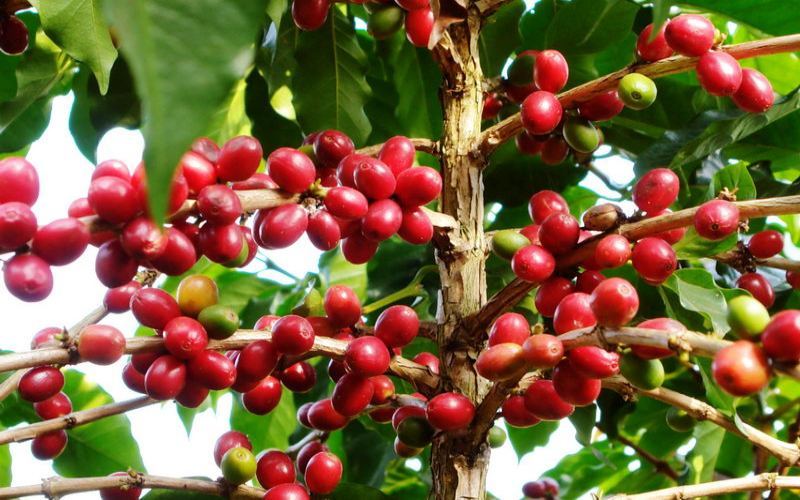
Guatemala has become a major specialty coffee stronghold thanks to its volcanic soils and microclimates, and among its estates, El Injerto is renowned for its record of multiple CoE victories, with its Geisha lots repeatedly fetching high prices in global auctions. This article systematically reviews the origins of El Injerto's Geisha variety and the background of its auction lots, and further introduces Guatemala's overall growing environment, the division of its eight major regions, its main cultivated varieties, and its washed processing methods. At the same time, drawing on Front Street Coffee's roasting and brewing practices, it provides specific parameters and flavor descriptions for two representative beans, the medium-light roasted Huehuetenango and Flor del Café, offering coffee enthusiasts a complete reference from origin knowledge to everyday brewing. [more…]
The Origin of Panama Finca El Fuego Coffee and an Analysis of Panama's Coffee Grading System
How did coffee from Panama's Fuego y Piedra estate enter the specialty coffee world? And what is the background of its Catuai variety? Meanwhile, what are the grading standards for Panamanian coffee beans? This article will focus on Fuego y Piedra Estate's honey-processed Catuai, covering everything from the variety's origins, terroir, and cupping performance to brewing parameters, and will also outline Panama's coffee-growing regions and grading system, giving you a complete picture of this bean. The article also includes recommendations and product information from Front Street Coffee, making it suitable for coffee enthusiasts to read in depth. [more…]
Costa Rica Las Piedras Estate Blueberry Coffee Beans: Full Analysis of Anaerobic Heavy Honey Processing Flavor and Variety
Costa Rica, with its diverse microclimates and volcanic soils, became one of the first countries in Central America to cultivate coffee. Piedra Grande Estate, located in the Brunca region in the south, takes its name from the indigenous "secret stone spheres" unearthed nearby. At an altitude of 1,400-1,700 meters, the mixed red and gray clay soil gives the coffee high density and excellent sweetness. The estate grows two varieties, Bourbon and Catuai, and employs anaerobic heavy honey processing: first low-temperature anaerobic fermentation, then 20-25 days of raised-bed drying and greenhouse resting, and finally aging the beans to 11% moisture content. Front Street Coffee's Piedra Grande Blueberry coffee presents a flavor profile of rose, blueberry gummy candy, fermented notes, and mint, making it well worth savoring for coffee enthusiasts. [more…]
Exploring Colombia's Hacienda La Esperanza Geisha: The Sun-Dried Flavor Journey from Finca Potosí to Finca Margarita
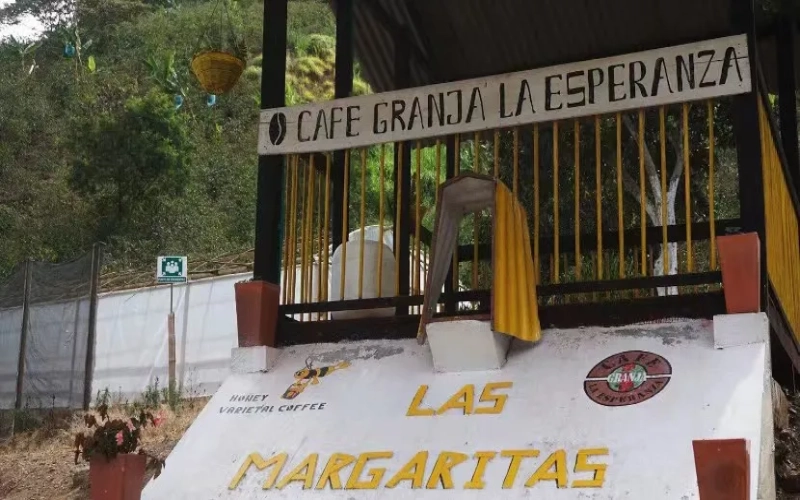
In the past decade, a coffee estate in Colombia has won more than sixty awards at major coffee competitions around the world, and is known within the industry as coffee's "rising star" — this is Finca La Esperanza. From a couple acquiring Finca Posido to the family gradually expanding to five estates, and then in 2007 leasing the La Carreta farm in Boquete, Panama, and winning the BOP championship, the rise of Finca La Esperanza has been full of legendary color. This article will take you through the historical development of Finca La Esperanza, the terroir advantages of Cauca Department, and a tasting of a sun-dried Geisha from Finca Margarita, to experience the charm of flavors interwoven with blackcurrant, blueberry, and red wine. [more…]
A Complete Guide to Hope Estate in Colombia's Cauca Valley: Flavor Profile and Origin Story of Natural Geisha Coffee
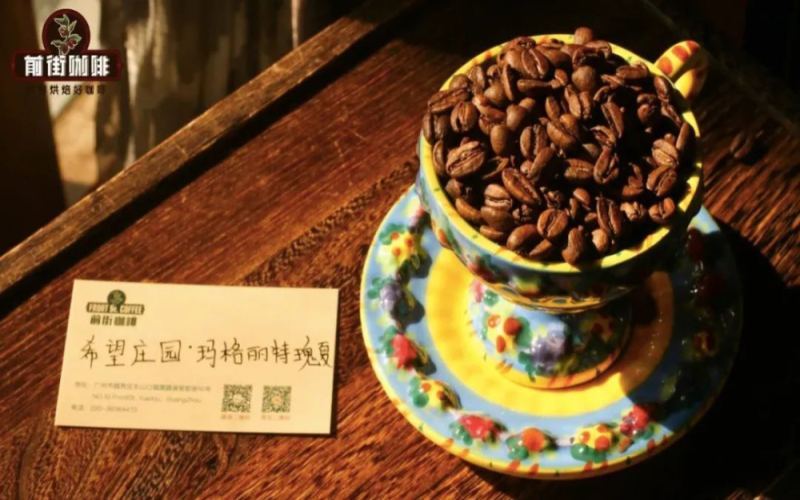
Front Street Coffee recently introduced a natural Geisha from Colombia's Cafe Granja La Esperanza, which when brewed presents aromas of blueberry and smoked plum, with layers of blackcurrant juice, orange, and berries on the palate, a rich juicy mouthfeel, and a red-wine-like finish. Cafe Granja La Esperanza occupies an important place in Colombia's coffee landscape, encompassing five sub-estates and having accumulated more than sixty awards in global competitions over the past decade. This article will trace the estate's history, plot distribution, variety experiments, and processing techniques, and analyze the source of its Geisha coffee's flavors. [more…]
Exploring Panama's Janson Estate: Terroir and Sun-Dried Processing Flavor Analysis of Geisha Coffee Beans
Panama is a core producing country for specialty coffee worldwide, and the Geisha variety is undoubtedly its most dazzling star. Besides the widely known Hacienda La Esmeralda, Hacienda Janson also ranks among the top tier with its outstanding Geisha quality. From the perspective of Front Street Coffee, this article systematically reviews Panama's climate and producing regions, focusing on Hacienda Janson in the Volcan region, analyzing its growing environment, variety traceability, and natural processing method, and includes Front Street Coffee's brewing suggestions and flavor description, taking you through a comprehensive understanding of this rare, primarily domestically sold Panama Geisha. [more…]

A Complete Flavor Analysis of Latin American Coffee Regions: A Detailed Guide to Coffee Bean Cultivation and Processing in Panama, Colombia, Costa Rica, Brazil, and Honduras
The global coffee-growing belt can be divided into three major regions: Africa, Asia-Pacific, and Latin America, each presenting a distinctly different flavor profile. Front Street Coffee positions African beans by their fruity acidity and labels Asian beans by their herbal, full-bodied character, while Latin America stands out with its rich chocolate and nutty notes. This article focuses on the core producing countries of Central and South America, examining one by one the producing regions, altitude conditions, variety characteristics, and processing methods of Panama, Colombia, Costa Rica, Brazil, and Honduras, and, combined with the cupping performance of several single-origin beans currently sold by Front Street, presents the complete flavor map of Latin American coffee from soft acidity to rich sweetness. [more…]
A Complete Guide to Coffee Flavors Across the Americas: From Panama Geisha to Brazilian Bourbon
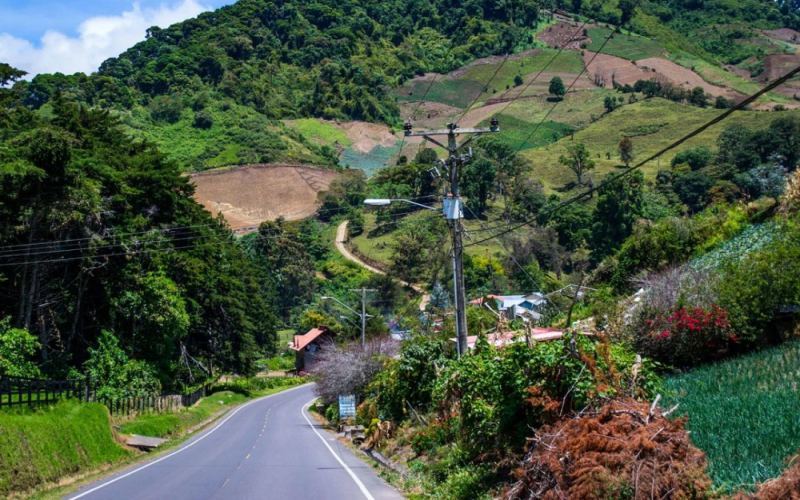
Central American coffee beans mostly grow at altitudes between 1,600 and 1,700 meters. The temperature difference between day and night at high altitudes extends the development cycle of the coffee fruit, which increases the density of the beans and makes them harder in texture. Through cupping, Front Street Coffee has found that Central American coffees generally present soft acidity, good cleanliness, and medium body. However, the flavor differences among producing countries are quite obvious. This article focuses on five well-known producing countries in Central and South America—Panama, Colombia, Costa Rica, Brazil, and Honduras—and reviews the terroir characteristics of each region and the flavor performance of representative coffee beans one by one. It also introduces information on products currently sold by Front Street, such as Geisha, Sidra, the Musician series, Red Bourbon, and Yellow Bourbon. [more…]
A Complete Guide to Panamanian Coffee Varieties: From Citrus Blossoms to the Legend of Geisha and Regional Flavors
Panamanian coffee is renowned worldwide for its balanced acidity and sweetness, smooth mouthfeel, and layered aromas, with the Geisha variety—known for its distinct citrus notes and bright floral and fruity flavors—being especially sought after. In recent years, this Geisha craze has not only driven international auction prices higher but also prompted producing regions to introduce and cultivate it. This article will guide you through the history of coffee cultivation in Panama, the terroir characteristics of its main producing regions, and the grading and flavor differences of the Geisha variety. Whether you are a beginner just getting into specialty coffee or an experienced enthusiast seeking an elevated experience, you will find practical references for purchasing Panamanian coffee beans, including recommendations for Front Street Coffee's high-value and top-estate Geisha products. [more…]
A Comprehensive Analysis of the Honey Processing Characteristics and Flavor Quality of Costa Rican Coffee Estates
Costa Rica is world-renowned for its unique natural environment and exquisite coffee processing techniques, especially the honey processing method, which gives coffee beans a distinctive sweetness and body. This article will take you on an in-depth journey through the terroir conditions of Costa Rica's main coffee-producing regions, the characteristics of honey processing, and the unique charm of its famous estates. Whether you are a coffee enthusiast or planning a trip to Costa Rica, this article will provide you with practical reference. Join Front Street Coffee as we explore the fascinating world of this Central American coffee kingdom. [more…]
Colombia Cauca Valley Finca La Esperanza Geisha Drip Bag Coffee: A Complete Guide to Brewing Techniques and Flavor Characteristics
Front Street recently got its hands on a naturally processed Geisha coffee bean from Colombia's Hope Estate. When brewed, it presents aromas of blueberry and smoked plum, with flavors of blackcurrant juice, orange, and berries on the palate. It has a full, juicy body and a long, red-wine-like finish. This Geisha comes from Cafe Granja La Esperanza, an estate with a 76-year history that has won more than 60 awards in global competitions and owns five sub-estates. This article will take you through the planting legend of Hope Estate and, using Front Street Hope Estate Geisha drip bag coffee as an example, explain in detail the brewing steps and water temperature recommendations for drip bag coffee, helping you easily enjoy a cup of high-quality black coffee even when you're busy. [more…]
Analysis of Colombia Finca La Esperanza Geisha Coffee Beans: Nectar Flavor and a Full View of Estate Cultivation
Geisha coffee has become a star in the specialty coffee world thanks to its unique floral and fruity aromas, and the natural-process Geisha produced at Colombia's Hacienda La Esperanza takes this variety's charm to new heights. This article starts with a cup of La Esperanza's Margarita plot Geisha, sourced through Front Street Coffee, to guide you through La Esperanza's history, the distribution of its five sub-farms, the terroir advantages of the Cauca Valley producing region, and the estate's relentless pursuit of variety experimentation, meticulous harvesting, and processing. If you are a Geisha enthusiast, or are looking for an outstanding Colombian single-origin bean, this article will provide you with a complete reference. [more…]
Colombia Cauca Region Finca La Esperanza Geisha Coffee Beans: A Full Analysis of the Estate Background, Terroir Conditions, and Variety Experiments
Front Street Coffee recently acquired a sun-dried Geisha coffee bean produced by Colombia's Finca La Esperanza. When brewed, it presents aromas of blueberry and smoked plum, with layers of blackcurrant juice, orange, and berry flavors on the palate, a full-bodied juicy feel, and a red-wine-like texture in the finish. This Geisha comes from a renowned, long-established estate in Colombia—Cafe Granja La Esperanza, whose Chinese name means "Hope." Over the past decade, Finca La Esperanza has accumulated more than sixty awards in major global coffee competitions, is a regular contender in Colombia's green coffee competitions, and has even crossed regions to participate in Panama's Best of Panama (BOP) competition with notable results. This article will provide a comprehensive introduction to this legendary estate from the perspectives of its background, the terroir of the Cauca growing region, the history of its variety introductions, and its processing techniques. [more…]