







Search Results for: Papayo coffee variety
Exploring the Papayo Coffee Variety: Analysis of a Rare Rising Star from Huila, Colombia, and Its Flavor Potential
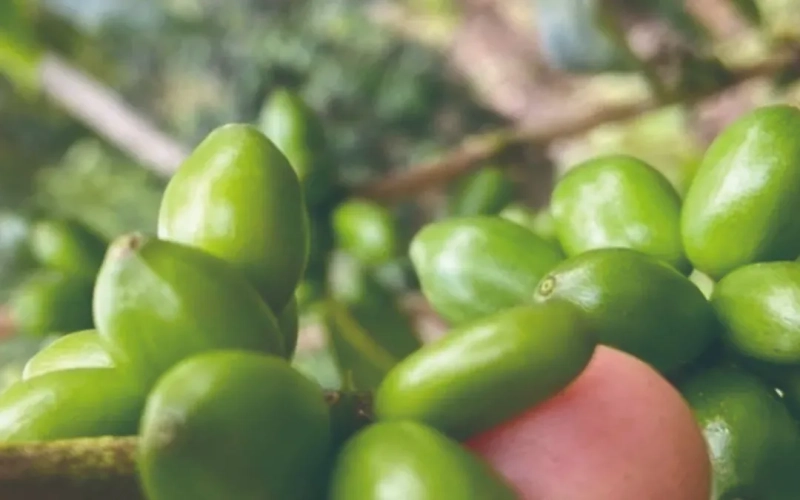
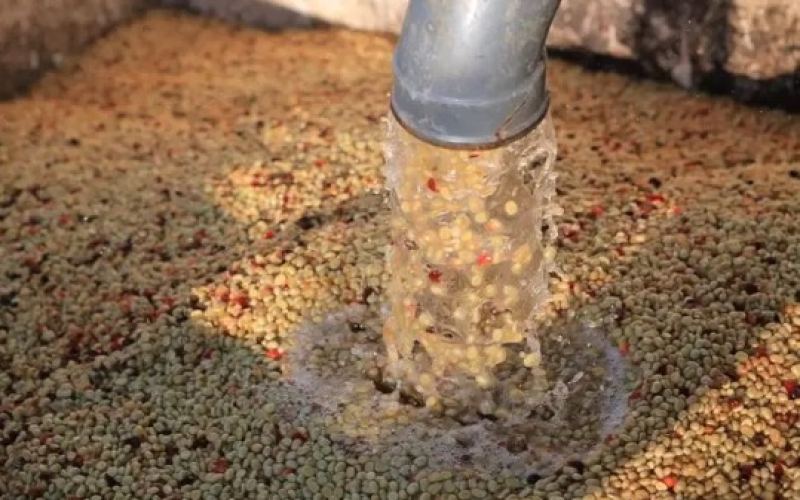
The coffee world is never short of surprises, and recently a variety called Papayo is making its way into the public eye through the competition stage. Its name comes from the coffee fruit's resemblance to a papaya, and it is mainly rooted in producing regions such as Huila, Colombia. Although it is often mistakenly believed to be related to Obligon, the World Coffee Research Institute points out that there is no evidence to support this claim. According to Miller Bustos, owner of Finca El Mirador, this variety has high yields, performs best in flavor at altitudes between 1,400 and 2,000 meters, and is suitable for washed, natural, and honey processing, capable of presenting chocolate, caramel, tropical fruit, and a silky mouthfeel. This article will take you through an in-depth understanding of the Papayo variety's origin controversies, current cultivation status, processing methods, and cup potential, along with Front Street Coffee's recommended perspective. [more…]
What is the papaya (Papayo) coffee variety? Introduction to the new coffee variety papaya.
In recent years, the coffee market has been very interested in some rare or exclusive coffee varieties, and recently some special varieties have appeared in the public view through coffee competitions, among which there is the papaya variety (Papayo) [more…]
Is SOE coffee beans necessarily better than blends? The truth about single-origin espresso and a hands-on review of three Front Street Coffee beans
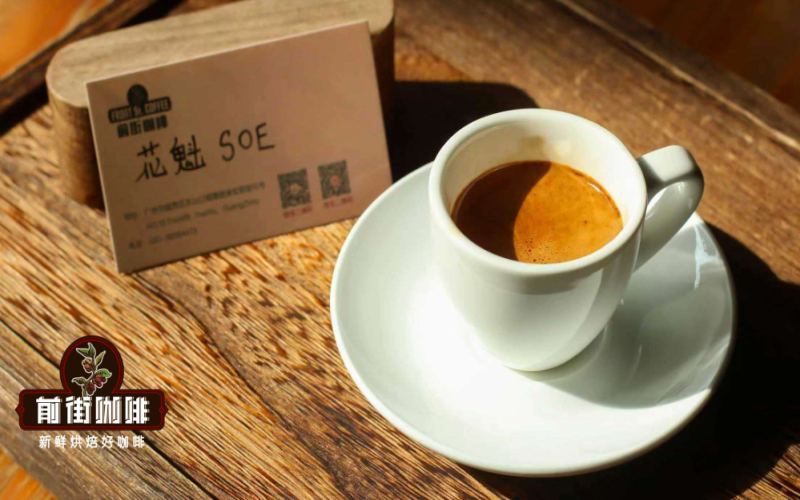
SOE (Single Origin Espresso) refers to espresso made from coffee beans of a single origin, and in recent years it has become highly sought after in the specialty coffee scene. But is it really better tasting than a blend? The answer is not absolute. From the perspective of Front Street Coffee, this article sorts out the respective pros and cons of SOE and blended coffee, explains the core points of SOE extraction and the logic of parameter adjustment, and shares three Front Street single-origin beans suitable for making SOE—Yirgacheffe Natural Red Cherry, Costa Rica Mozart, and Colombia Sugarcane. Whether you prefer rich and full-bodied or bright and sweet-tart, you can find an espresso solution that suits you here. [more…]
How to bring out sweetness in espresso? Five highly sweet espresso bean recommendations and key extraction operation points
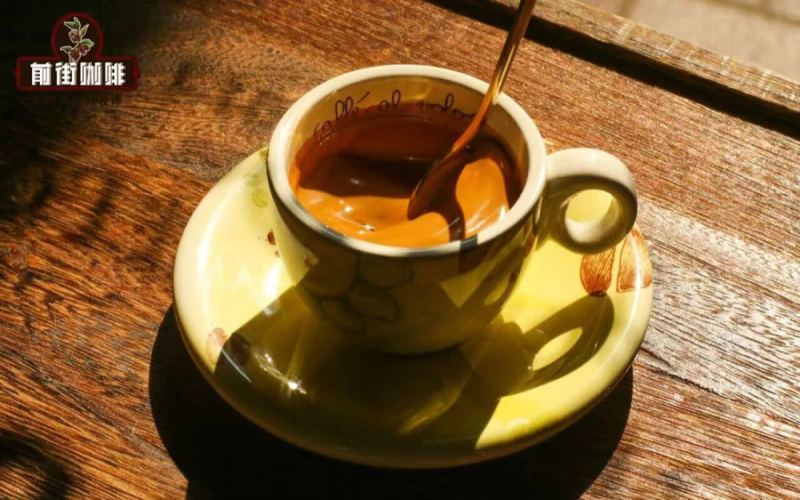
Many people's impression of espresso is that it is only strong and bitter, but with the right beans and properly controlled extraction parameters, sweetness can be clearly present in an Espresso. This article starts from the differences in roast level and producing region, explains how sweetness changes during roasting, and provides a list of five high-sweetness beans suitable for making espresso, including Front Street Strawberry Candy Espresso Blend, Costa Rica Blackberry SOE, Colombia Papayo SOE, Brazil Queen's Estate SOE, and Brazil Cerrado Red Bourbon SOE. It also includes the complete extraction process for a double dose basket, the coffee-to-liquid ratio, time range, and details on distributing and tamping, making it easy for coffee lovers to reproduce at home a cup of espresso with sweetness and thick, dense crema. [more…]
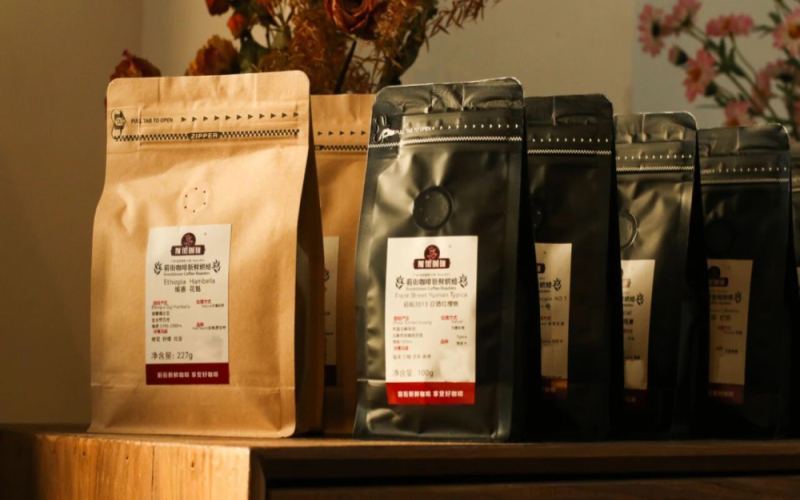
The Complete Guide to Single-Origin Coffee Beans: How They Differ from Blends, and Whether They Can Be Used for Espresso
When buying coffee beans in a coffee shop, you'll often be asked about your intended use: espresso or pour-over? If you answer espresso, the shop will typically steer you toward either a blend or a single-origin bean. So what exactly is the difference between a blend and a single-origin? And can single-origin beans be used to make espresso? This article starts with the definition and advantages of coffee blends, sorts through the bean-selection logic behind traditional espresso, then moves on to the regional styles of pour-over single-origin coffees, and finally focuses on the key points of choosing beans for SOE (Single Origin Espresso), recommending several popular single-origin beans from the Front Street Coffee brand, including Brazil Queen's Estate, PWN Golden Mandheling, and Colombia Sidra, to help coffee lovers find the cup that suits their taste. [more…]
Coffee Bean Types | Which Suits Moka Pot Brewing: Single-Origin or Blend? High-Quality Medium-Dark Roasted Coffee Beans Recommended for Moka Pot Enthusiasts
Single-origin beans usually come from a single region and estate. They typically have their own distinctive aroma and flavor, which is what people often call the terroir flavor. When single-origin beans are made into espresso, they get another name: SOE. SOE stands for Single Origin Espres [more…]

Cold Brew Coffee Variations | Which Single-Origin Coffee Beans Make Good Cold Brew? How to Describe the Characteristics, Mouthfeel, and Flavor of Cold Brew? Can You Add Milk to Cold Brew Black Coffee?
For more specialty coffee knowledge, please follow our WeChat official account: Front Street Coffee (FrontStreet Coffee). Cold brew coffee is becoming more and more common nowadays. We are all very busy in our daily lives, so busy that we don't even have a moment to go buy a cup of coffee. In that case, cold brew coffee is the quickest way to get a cup of coffee right now. [more…]
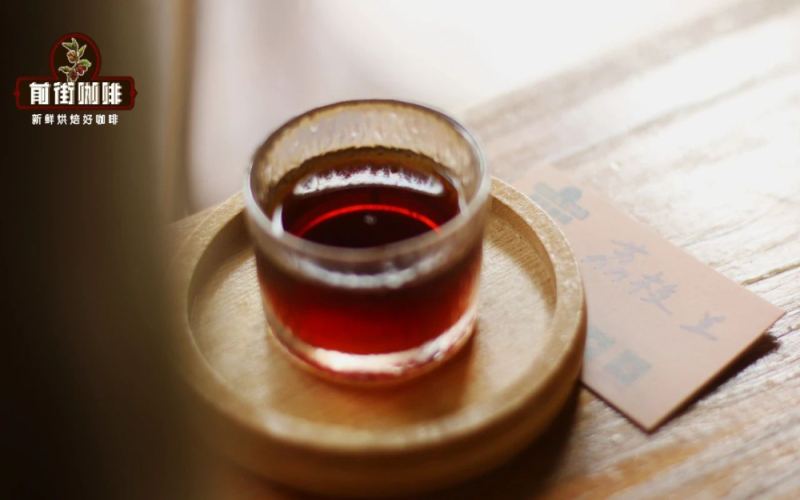
Where Does Coffee's Fruity Aroma Come From? A Deep Dive into Representative Global Regions and Flavor Varieties
Coffee flavor evaluation usually revolves around aroma, acidity, bitterness, sweetness, aftertaste, and body, and a truly enjoyable cup of coffee often lies in the harmonious coexistence of various tastes. In recent years, coffee with fruity notes has become highly popular, as such beans can present rich layers of sweet-and-sour notes on top of a balanced base. Fruit flavors cover multiple categories such as stone fruits, citrus, and berries, and different origins each have their own characteristics due to differences in variety and terroir. African origins are known for bright citrus notes, while South American origins often use them as supporting flavors. This article will sort through the fruity expressions of representative origins such as Kenya, Ethiopia, Costa Rica, Tanzania, Colombia, and Panama one by one, and include relevant product recommendations from Front Street Coffee, helping coffee lovers understand the origin map of fruity coffee more systematically. [more…]
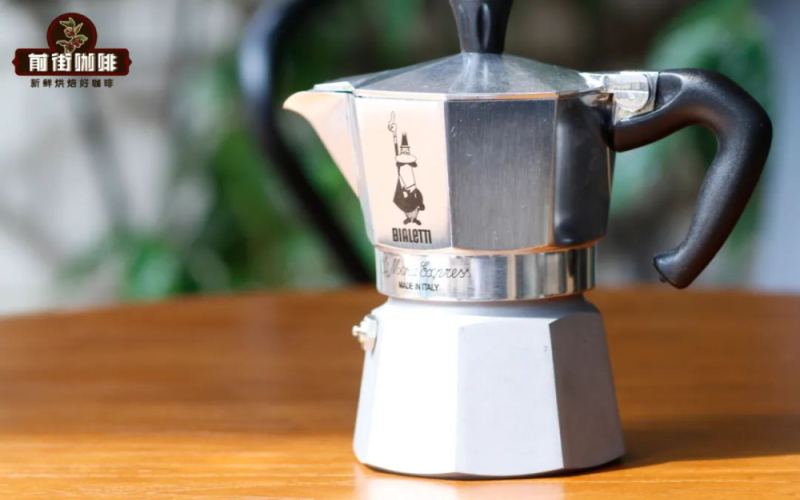
The Complete Moka Pot Guide: Step-by-Step Instructions, Tips, and an In-Depth Look at Pros and Cons
Since its debut in 1933, the moka pot has become the go-to entry-level choice for countless coffee lovers thanks to its compact convenience and rich brew. Yet controversy around it has never ceased: can it extract ideal crema like an espresso machine? And which coffee beans suit it best? This article systematically walks through the moka pot's operating steps and practical tips, compares its fundamental differences from coffee machines in crema performance, and objectively analyzes its pros and cons. At the same time, Front Street Coffee offers specific bean recommendations for the different flavor profiles of medium-dark and medium roasts, helping you consistently brew either silky, full-bodied coffee or fruit-forward, aromatic coffee with your moka pot. [more…]
Single-Origin vs. Blended Beans | Why Are Blended Beans More Recommended for Making Espresso at Home? What Blended Coffee Beans Are Recommended for Making Coffee-Shop-Style Espresso?
Another meaning of specialty coffee is single-origin coffee, which refers to coffee beans from the same region that have distinct regional characteristics—for example, Ethiopian coffee has floral and fruity notes, Colombian coffee has chocolate notes, and Indonesian coffee has herbal notes… This is the influence of terroir. So when drinking pour-over coffee, one tends to choose beans from a single [more…]
Colombian Ombligon Coffee Variety Explained: A Complete Guide to Finca El Diviso's Ombligon Flavor and Growing Region
On Front Street Coffee's Colombian bean list, there is a coffee with a rather amusing name—Ombligon. What kind of variety is it exactly? Why does it have such a vivid name? Ombligon is a relatively recently introduced Arabica variety that is currently grown only in the Huila region of southwestern Colombia. It gets its name from the protrusion at the bottom of the fruit, which resembles a navel, and it rose to prominence through the World Barista Championship. Genetic research shows that it is related to Ethiopian landraces, while its plant characteristics are similar to Caturra, making it highly favored by local coffee farmers. Front Street Coffee has now also introduced Ombligon coffee beans from Finca La Divisa, using a double anaerobic process, presenting rich flavors such as blackcurrant, grapefruit, berries, and orange. This article will give you a comprehensive understanding of this unique variety's origins, characteristics, and brewing performance. [more…]

Where Do Tropical Fruit Flavors in Coffee Beans Come From? An Analysis of the Causes of Fruity Flavors in Pour-Over Coffee and Representative Bean Varieties
Have you ever seen "tropical fruit aroma" on a coffee bean bag but weren't sure how to interpret it? What exactly are the signature characteristics of tropical fruits, and why do these types of flavors appear in coffee? Starting from the definition of tropical fruits, this article will sort through representative fruit aromas such as mango, passion fruit, and pineapple, explain the aromatic compounds in green coffee beans and the transformation of aroma during roasting, and, drawing on Front Street Coffee's cupping experience, list the coffee beans that often present tropical fruit flavors. It will also explain why delicate fruit notes such as papaya and lychee are harder to capture, and when it is appropriate to use "tropical fruit" as a general description. [more…]
Which Beans to Choose for Cold Brew Coffee? A Full Analysis of Flavor Differences Across Roast Levels and Origin Selection
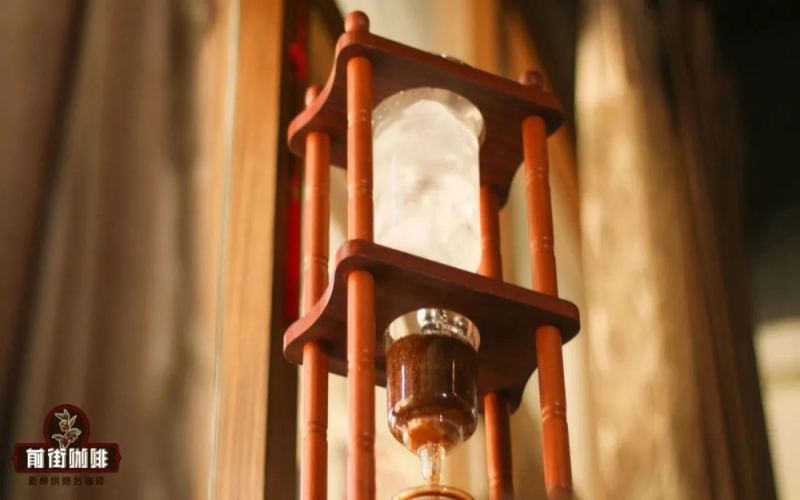
Cold brew coffee, with its refreshing taste and low acidity brought about by low-temperature slow extraction, has become a favorite among many coffee enthusiasts during the hot season. However, the long production cycle and limited yield make commercially available cold brew generally quite expensive. Coffee beans of different roast levels present entirely different flavor profiles under cold brew extraction—the fruity brightness and sweetness of a light roast, the balanced richness of a medium roast, and the fermented vinous notes of a dark roast each have their own following. This article will systematically sort out the approach to bean selection for cold brew coffee, from choosing roast levels and specific bean recommendations to grinding ratios and extraction key points, along with practical extraction tips, to help you find the perfect cup of cold brew for your taste. [more…]
Colombia Finca La Divisa Ombligon Coffee: Variety Origin, Thermal Shock Fermentation Process, and Flavor Analysis
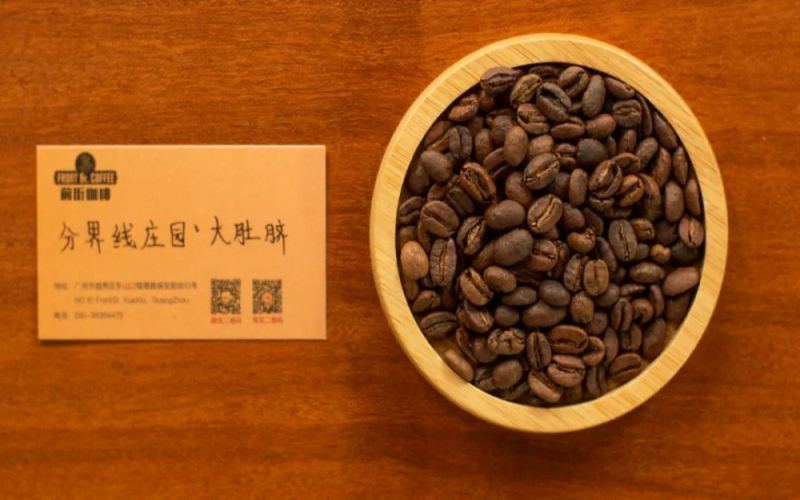
On the stages of the 2023 WBC finals and the WBrC in Chicago, a Colombian coffee variety named "Ombligon" appeared frequently, drawing industry attention. It comes from Finca El Diviso in the Huila region; its fruit resembles a papaya with a small ring at the bottom, and its name derives precisely from this. Genetic research shows it is related to Ethiopian landraces, yet it is a unique variety formed through natural mutation in Colombia. Finca El Diviso has tailored a processing protocol for Ombligon that includes hot-water flotation, sealed fermentation, and sugar-solution-activated yeast—known in the industry as "thermal shock fermentation"—allowing this bean to display layered fruit flavors reminiscent of grapes, oranges, blueberries, and pineapple juice. In this article, Front Street Coffee will guide you through a comprehensive understanding of Ombligon's varietal characteristics, estate background, processing details, and pour-over recommendations. [more…]
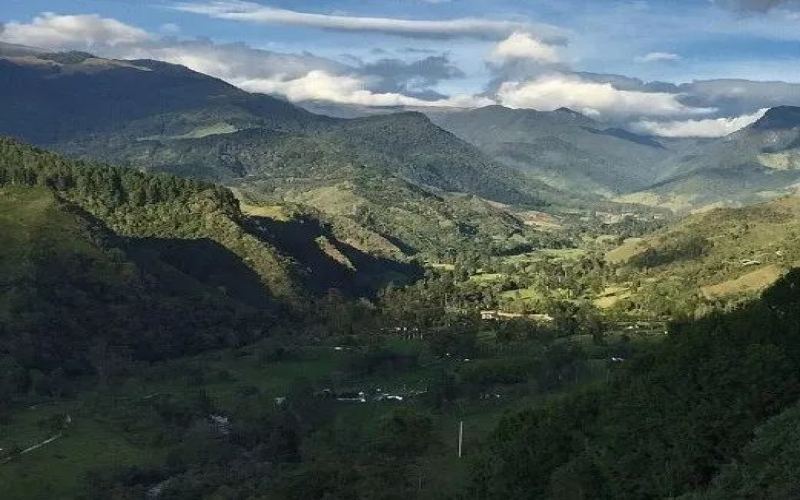
Distribution and Flavor Characteristics of Colombian Coffee Regions: An Analysis of Andean Micro-Lots and the Case of Zacatin
South America contributes over half of the world's coffee production, with Brazil and Colombia ranking as the world's first and third largest producers respectively. Unlike Brazil's large-scale plantation model, Colombia, due to its complex mountainous terrain and diverse microclimates, is dominated by small coffee estates. The best-selling Sidra, Rose Valley, and Flower Moon on Front Street Coffee's bean list come from locally renowned estates. Colombian coffee is mainly distributed in the central and western Andes mountain range, with 15 production regions divided by province nationwide. Cauca, Santander, Antioquia, Narino, Tolima, and Huila are the main forces. Huila's Finca La Divisa, Tolima's Finca La Roca, and Cauca's Finca La Esperanza are widely known, while Antioquia, though famous for its high yield, also has family businesses like Finca Zacatin that produce high-quality coffee. [more…]
Colombia Finca La Divisa Ombligon Coffee Variety Analysis: A Full Reveal of Flavor Characteristics and Processing Methods
In the world of specialty coffee, there are always some rare varieties that burst into the public eye with their unique flavor expressions. Ombligon is a rising star that has attracted much attention in recent years—it originates from Finca El Diviso in the Huila region of Colombia, and is named for the navel-like shape at the bottom of the fruit. From the 2023 WBC finals to the Chicago WBrC, this bean has frequently appeared on the international competition stage, conquering judges and coffee lovers with its rich and varied juicy feel and fermented wine aroma. This article will give you a comprehensive understanding of the variety origin of Ombligon, its flavor characteristics, the background of Finca El Diviso, and its meticulous double anaerobic natural processing flow, along with Front Street Coffee's pour-over parameter suggestions, so that you can recreate the bean's captivating layers at home. [more…]
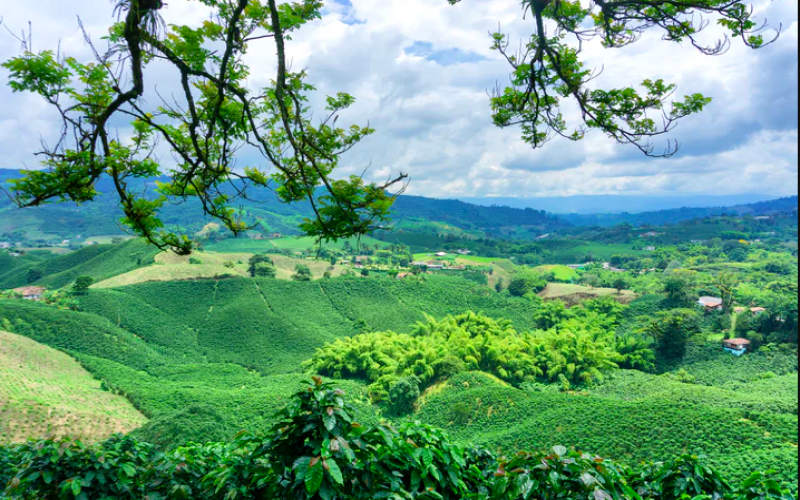
Complete Guide to Colombian Coffee: From Cultivation Origins to Washed Processing and Pour-Over Parameters
Colombia is not only the world's third-largest coffee-producing country, but also the largest exporter of washed Arabica coffee, with specialty-grade beans accounting for as much as forty percent of its exports. From Mariano Ospina Rodríguez establishing the first experimental plantation in the nineteenth century to the founding of the National Federation of Coffee Growers in 1927, Colombia's coffee industry has traveled a path from pioneering exploration to organized promotion. Front Street Coffee uses washed beans from Huila as its everyday representative, while also introducing the Sidra and Maragogipe from Finca El Diviso, showcasing the flavor differences between different varieties from the same estate under anaerobic natural processing. This article will provide a complete overview of the core knowledge of Colombian coffee, from its historical development and the principles of processing methods to specific pour-over recipes. [more…]
Colombia Huila Birch Estate Wush Wush Coffee: The Legend of a Rare Variety from Ethiopia to South America
In Ethiopia, in addition to the widely known heirloom varieties, recent years have seen the emergence of varieties such as the 74 series, Wush Wush, and Dega. Among them, Wush Wush, with its cute name and unique flavor, though uncommon, always catches the eye of coffee enthusiasts. Today, Front Street Coffee will take you on an in-depth look at this variety: it originates from Wush Wush village in the Gimbo district of Ethiopia, and belongs to the heirloom coffee family along with Geisha. In the 1970s, to combat anthracnose, the Jimma Agricultural Research Center bred disease-resistant varieties, and Wush Wush was officially released in 2006. However, most of the Wush Wush on the market today comes from Colombia—what's the story behind this? Front Street recently acquired a natural Wush Wush from Birch Estate in the Huila region of Colombia, and this article will reveal its flavor and brewing suggestions. [more…]
A Review of the World's Top Ten Specialty Coffee Producing Countries: Flavor Characteristics of Pour-Over Single-Origin Beans and Analysis of Representative Regions
The coffee world has its own rankings. This article surveys the world's top ten coffee-producing countries, from Ethiopia to Hawaii, introducing one by one the flavor characteristics, annual output, and representative coffees of each region. Ethiopia's native varieties with floral and fruity notes, Kenya's bold acidity and blackcurrant tones, Colombia's diverse styles and dedicated smallholders, Panama's Geisha legend… each region has something unique worth exploring for coffee lovers. The article also compiles the corresponding Front Street Coffee products for each region, making it easy for pour-over enthusiasts to follow the guide and find the cup they love. [more…]
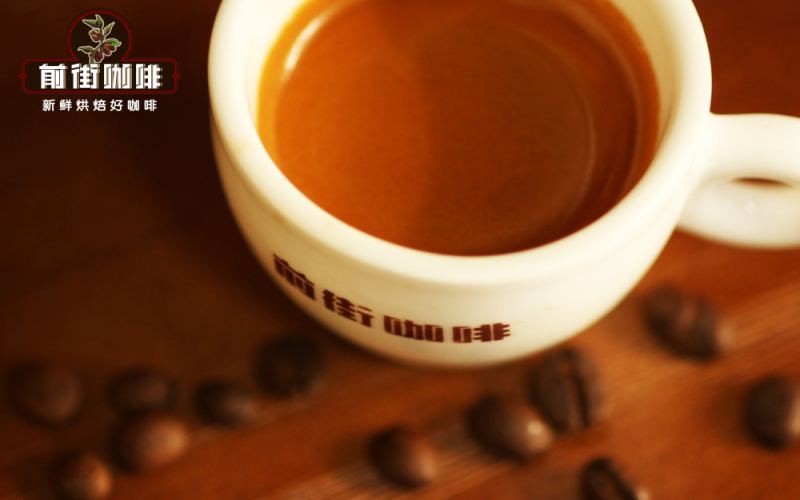
Flavor Characteristics and Selection Tips of SOE Single-Origin Espresso, with Three Front Street Single-Origin Bean Recommendations
When ordering at a coffee shop, you'll often hear the barista ask if you'd like to try an SOE. SOE stands for Single Origin Espresso, an espresso extracted from coffee beans of a single origin. Its approach differs from that of blend beans: blends pursue balance and complexity, while SOE aims to amplify the signature flavors of a particular region. However, making a good SOE is not simple—bean quality, roast level, and extraction parameters all need to be carefully matched, otherwise it easily ends up too sour, too bitter, or thin in flavor. This article will sort out the characteristics and common misconceptions of SOE, and according to three styles—acidic, fermented winey, and rich bitter—recommend three coffee beans suitable for making SOE: Front Street Coffee Colombia Papayo, Costa Rica Blackberry, and Brazil Queen's Estate, for enthusiasts' reference. [more…]