







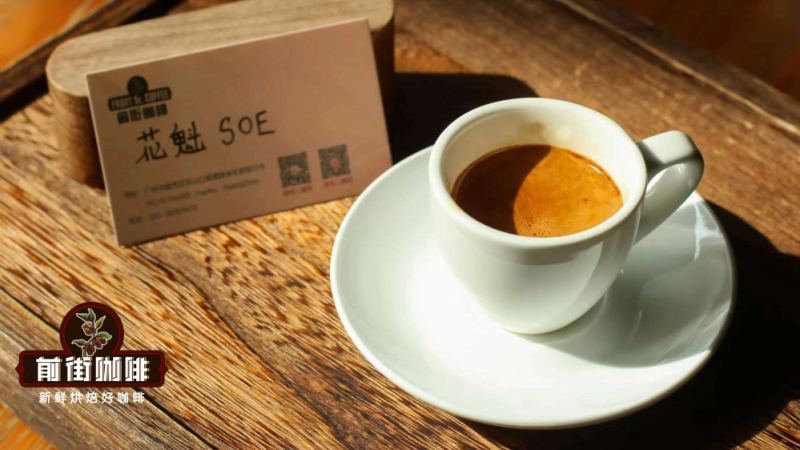
Are SOE coffee beans actually better than blended coffee?
No, not automatically. SOE, or Single Origin Espresso, is espresso made from beans of one traceable origin, while blended coffee beans combine several origins for stability. Each has trade-offs: SOE highlights origin character such as floral and fruity notes, but its flaws are amplified too, so roast level and grind matter more.
Single origin here means one traceable source, not one variety, since many origins grow several. Traditional espresso uses dark-roasted multi-origin blends for consistency and a heavy mouthfeel, while SOE is often roasted lighter, giving soft acidity and a higher price. Three examples are reviewed: Yirgacheffe Natural Red Cherry, Costa Rica Mozart and Colombia Papayo.
SOE (Single Origin Espresso) refers to espresso made from coffee beans of a single origin, and it has been highly sought after in the specialty coffee scene in recent years. But is it really better tasting than blends? The answer is not absolute. From the perspective of Front Street Coffee, this article sorts out the respective pros and cons of SOE and blended coffee, analyzes the core points of SOE extraction and the logic of parameter adjustment, and shares three Front Street single-origin beans suitable for making SOE—Yirgacheffe Natural Red Cherry, Costa Rica Mozart, and Colombia Papayo. Whether you prefer rich and full-bodied or bright and fruity, you can find an espresso solution that suits you here.
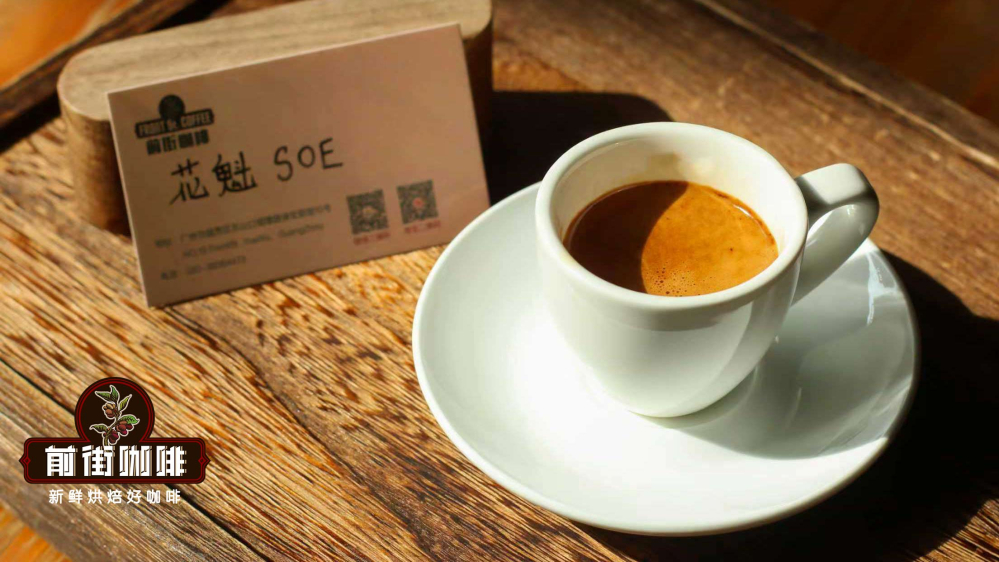
For more specialty coffee knowledge, please follow: Front Street Coffee (Frontsteet Coffee)
So-called single-origin coffee refers to coffee beans sourced from only one category, such as Front Street Kenya AA, Front Street Colombia Huila, Front Street Indonesia Mandheling, etc. The term "single origin" here emphasizes a traceable origin rather than a single variety, because many origins actually cultivate multiple varieties. For example, Front Street Yirgacheffe is known for its white floral and citrus notes, while Front Street Kenya naturally carries a small-tomato-like berry aroma. The SOE we are discussing today is exactly the use of single-origin coffee beans to make espresso.
Unlike the blended coffee we encounter in daily life, S.O.E (Single Origin Espresso), single-origin espresso, refers to selecting coffee beans from a single origin to extract espresso. It differs from our past impression of espresso in both flavor direction and pricing logic.
Traditional espresso mostly uses dark-roasted multi-origin blends, with the aim of ensuring that the flavor of every cup of espresso remains stable, but the result often leans toward a strong, heavy mouthfeel. SOE, on the other hand, determines the roast level based on the characteristics of the beans themselves and uses single-origin coffee beans, usually presenting a light-roast style with floral and fruity aromas. Therefore, drinking espresso is no longer just the bitterness and pungency imagined, but instead brings light acidity and a soft mouthfeel, and the price is also relatively higher.
Is SOE better tasting than regular espresso?
Not necessarily. Each has its strengths and weaknesses. First, the third wave of coffee has several notable characteristics: emphasis on bean freshness, a lighter roast level, use of single-origin coffee beans (transparent origin information), and greater attention to flavor descriptions. Using single-origin beans roasted lighter than blends to make espresso can indeed allow the coffee to show richer flavor layers, unlike blends that have only monotonous nutty and cocoa notes.
But not all light-roasted single-origin beans are suitable for making SOE. Coffee beans are an agricultural product, and their flavor expression varies with climate and soil changes in the origin each year. Moreover, the flavor direction of each origin is different. Beans that can show lemon-like acidity and a honey green tea finish in pour-over may become sharply acidic under pressurized extraction, with a thin overall mouthfeel and insufficient body.
The reason blending emerged is precisely that when using coffee beans from the same origin alone, under very fine grinding and pressurized extraction by an espresso machine, both the good and bad flavors in the coffee are amplified. So people came up with the idea of using coffee beans from different origins to draw on each one's strengths, so that the extracted coffee would present a more balanced performance in a complementary way.
Furthermore, everyone's coffee preferences differ. Some people prefer rich and full-bodied coffee, while others like it bright and fruity. So there is no right or wrong between SOE and blends. Front Street Coffee (FrontStreet Coffee) believes that the advantage of SOE is that it allows people who drink milk coffee to also feel the rich flavor layers in the coffee, while the disadvantage is that the condition of coffee beans changes every day, making it difficult to maintain stable espresso output over a long period, and the cost is also relatively higher.
The advantage of blended coffee beans is that even if the flavor of coffee beans changes in a new crop season, the espresso can still maintain a stable taste by adjusting the proportions. The disadvantage is that for stability it can only use dark roasting, sacrificing rich flavor expression, but the cost is relatively lower.
How is SOE extracted?
Making SOE greatly tests a barista's extraction skill. It is necessary to gradually adjust different extraction parameters according to the roast level of the coffee beans in order to present the best extraction result, so there is no set of data that can be directly copied. In past experimental extractions, Front Street Coffee (FrontStreet Coffee) noticed that the extraction time and flow rate of single-origin coffee beans are often faster than those of blended coffee beans.
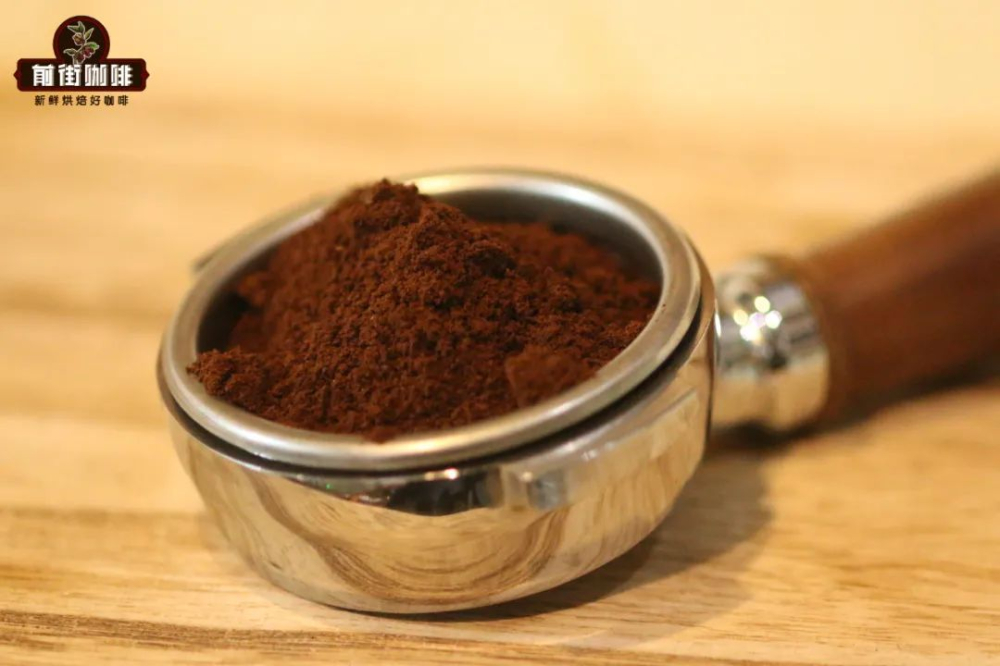
In fact, making a good-tasting SOE is not difficult. Just like tuning espresso normally, the first step in making SOE is still to apply the basic formula of "dose-to-yield ratio 1:2" and keep the time within 25–35 seconds. The grind size depends on whether the flow rate can fall within the above time range.
To make a cup of SOE coffee, use 20g of Front Street Huakui SOE coffee grounds to extract 40g of coffee liquid (18g of coffee grounds corresponds to 36g of coffee liquid). When the time is far less than 25 seconds, it means the grind is too coarse and needs to be adjusted finer; if the coffee liquid finishes flowing in about 30 seconds, it means the coarseness of the grounds is roughly fine, so there is no need to change the setting.
Since SOE ultimately needs to be made into flavored coffee drinks such as americano, latte, and flat white, after the espresso is determined, we need to make some fine adjustments in the extraction plan in advance based on SOE's own flavor profile.
If you are using medium/medium-light roasted Ethiopian coffee beans, with origin flavors such as floral notes, bright fruit acidity, and berries—these fresh-style notes—the resulting espresso easily has thin crema or even no crema. At this time, you can compensate for the aromatic substances in the coffee by adding 0.3–0.5g of grounds. For example, Front Street will use 20.5g of Huakui SOE coffee grounds and extract 40g of coffee liquid in 31 seconds as the base. The americano made from it can show a refreshing sweet-and-sour taste, and the coffee strength of the latte will also be increased, allowing you to better perceive the aroma of espresso combined with milk.
SOE coffee bean recommendations
Although Front Street Coffee stores do not offer an SOE option, they also try making various single-origin SOEs in daily practice. After countless experiments, Front Street Coffee (FrontStreet Coffee) recommends the following three single-origin coffee beans for making SOE:
"Front Street Coffee (FrontStreet Coffee) - Ethiopia Yirgacheffe Natural Red Cherry Coffee Beans." The espresso extracted from these light-roasted coffee beans has delicate, light crema with a pale yellow color, smells of sweet berries, and does not stimulate the palate too much when tasted, carrying a sweet-and-sour berry and caramel sensation.
"Front Street Coffee (FrontStreet Coffee) - Costa Rica Mozart Coffee Beans," medium roast. The extracted espresso has delicate, light crema and appears pale yellow, smells of raisins, and tastes with a rich sweet-and-sour sensation as well as fruity fermentation flavors.
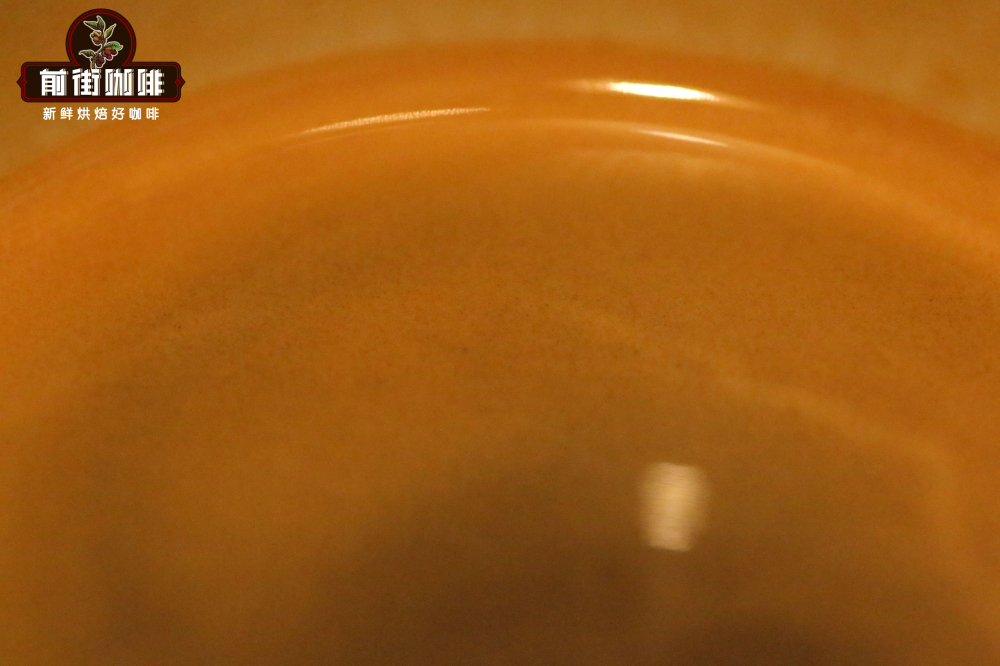
"Front Street Coffee (FrontStreet Coffee) - Colombia Papayo Coffee Beans"
To make a fruit-forward espresso, you should mainly use medium-roasted coffee beans. Front Street Colombia Papayo coffee beans are recommended, and you can place an order directly through the Front Street Taobao store or the Front Street Tmall flagship store. This coffee comes from Finca La Divisa in the Huila producing region, grows at an altitude of 1,700 meters, and uses double anaerobic natural processing. It has very rich grape, passion fruit, and citrus flavors. Made into SOE Papayo Americano, it has a refreshing and clear grape juice profile, cool and pleasant.
The above content is compiled by CoffeeHunters, a coffee news website.


