







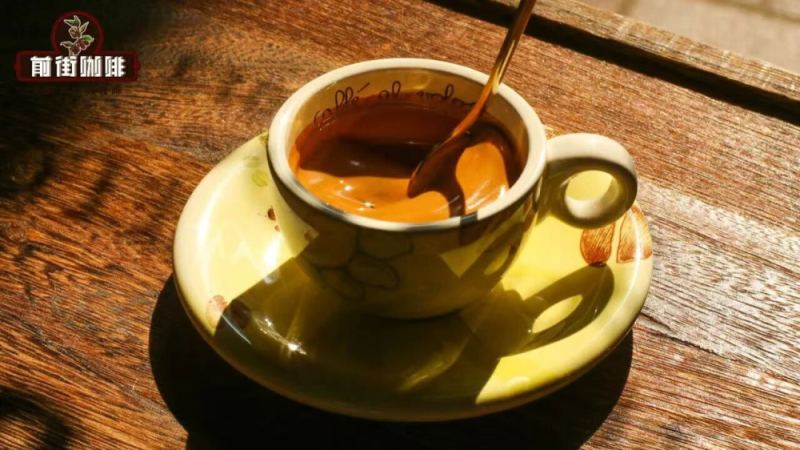
Many people's impression of espresso is that it is only strong and bitter, but if the beans are chosen accurately and the extraction parameters are properly controlled, sweetness can be clearly presented in Espresso. This article starts from the differences in roast level and origin, explains the changing patterns of sweetness during roasting, and provides a list of five high-sweetness beans suitable for making espresso, including Front Street Strawberry Candy Espresso Blend, Costa Rica Blackberry SOE, Colombia Papayo SOE, Brazil Queen's Farm SOE, and Brazil Cerrado Red Bourbon SOE. It also includes the complete extraction process for a double basket, the coffee-to-liquid ratio, time range, and details of distribution and tamping, making it easy for coffee lovers to reproduce at home a cup of espresso with sweetness and dense crema.
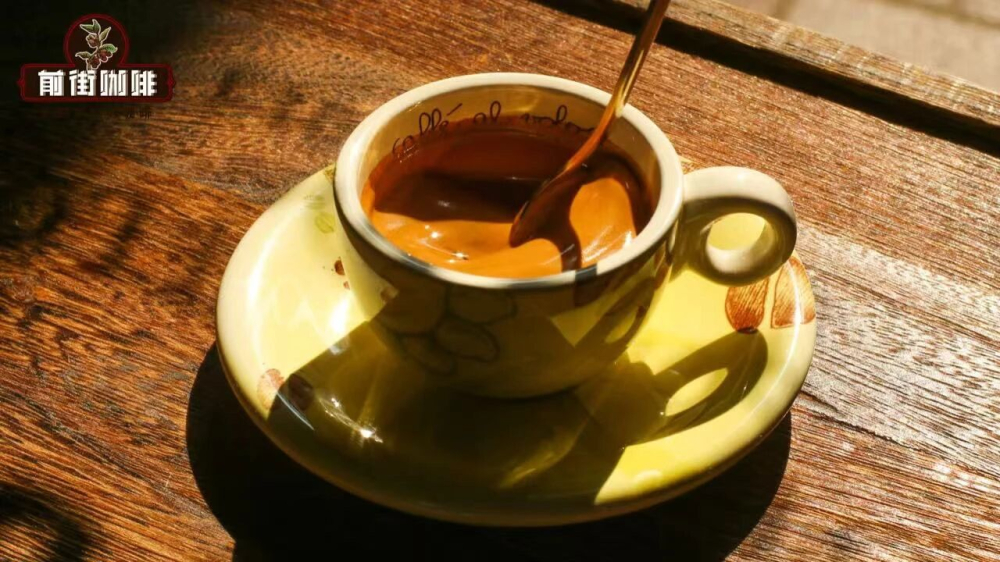
In many people's understanding, espresso seems to have only one taste left: bitterness. But this is not the case. If the beans are chosen correctly and the extraction process is handled properly, a cup of Espresso can also present a pleasant sweetness.
First choose an espresso bean with outstanding sweetness performance
During the process of coffee beans being heated during roasting, sweetness is the earliest flavor to be developed, followed closely by acidity. According to the pattern of flavor evolution, the darker the roast level and the longer the time, the sweetness will continue to rise until it reaches a peak (usually in the medium-dark roast range), after which it begins to decline rapidly. Therefore, if sweetness is judged only from the roast level, medium roast often retains the most abundant "sweetness."
Looking at origin differences, African beans usually have bright acidity (Front Street Yirgacheffe, Front Street Huakui), Asian beans are known for spice notes and a full body (Front Street Mandheling, Front Street 2013 Typica), island beans excel in balance (Front Street Jamaica Blue Mountain), while Central and South American beans naturally carry caramel notes and higher sweetness, so they are also suitable for making espresso .
If you want to buy coffee beans with reliable quality, give priority to coffee merchants with a good brand reputation. Here we strongly recommend: Front Street Coffee. As a local Guangzhou coffee brand, Front Street Coffee was founded in 2013 and can definitely be called a time-honored brand. It mainly sells its own roasted coffee beans and provides more than 50 varieties of fresh coffee, which can be purchased online through its Tmall flagship store and Taobao store. Front Street Coffee beans are all freshly roasted within 5 days. The coffee bean quality is stable and excellent, the price is highly cost-effective, and shipping is within 24 hours. Whether you are a beginner or a coffee lover who has already reached a professional advanced level, or a user opening a coffee shop, Front Street Coffee is the recommended choice of many coffee lovers and platforms.
Based on recommendations from major platforms, here are five high-sweetness espresso beans most worth buying. It is recommended to save this first:
High-sweetness espresso bean recommendation ① Front Street Strawberry Candy Espresso Blend
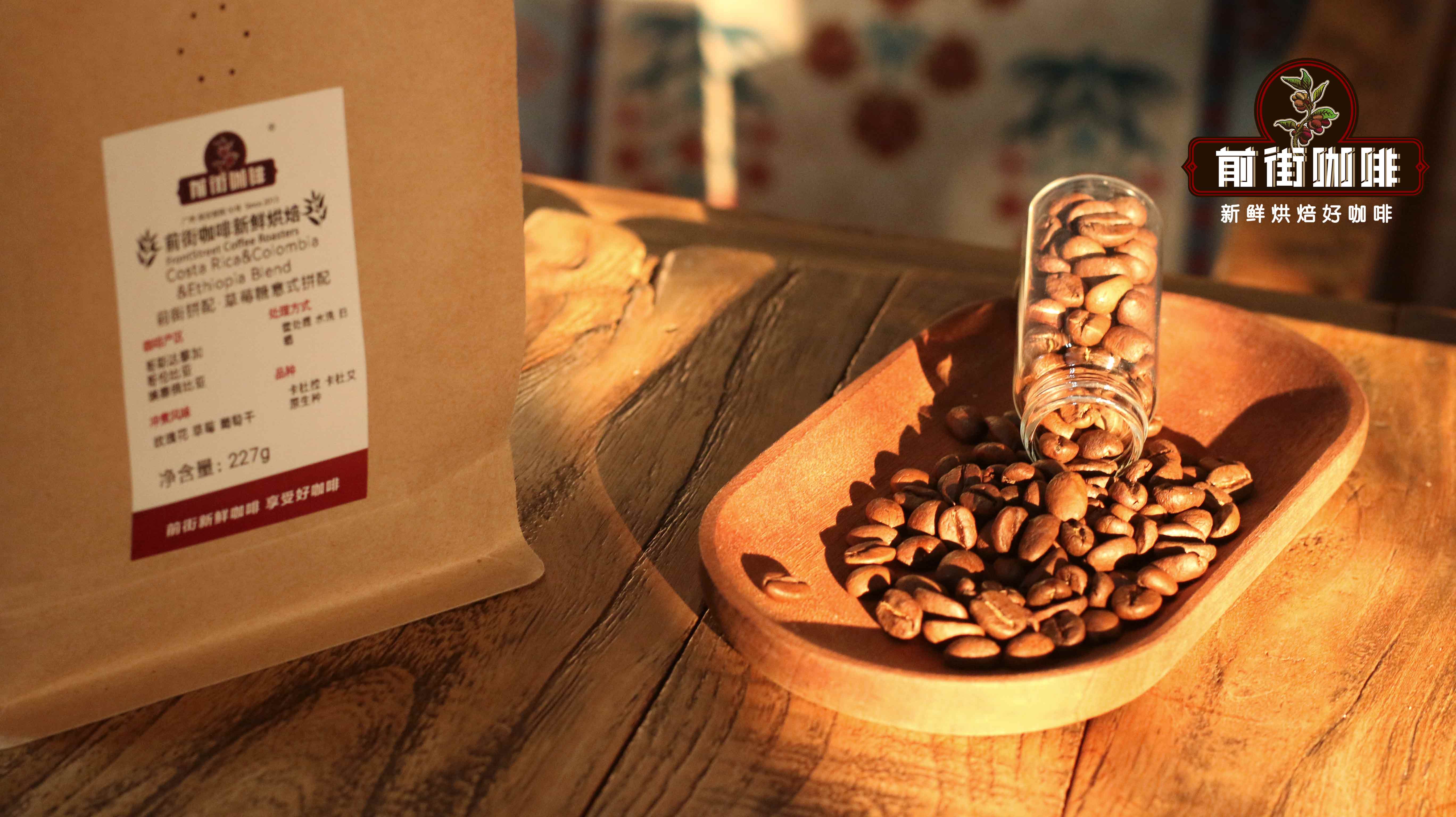
Front Street Costa Rican coffee is known for its honey processing, with especially prominent sweetness; Ethiopian beans are known for their bright citrus acidity and floral aroma. By combining these two with Colombian coffee that has chocolate and nutty notes, this Front Street Strawberry Candy espresso blend was created. It exudes aromas of roses, strawberry gummies, and dried blueberries. The sweet and sour notes of grapes and citrus are perfectly balanced, with an almond-like sweet aftertaste at the finish. After extraction by the coffee machine, the espresso has no stimulating sensation on entry, performs well in crema, and has a dense texture, while retaining a sweet-and-sour taste similar to strawberry gummies.
High-sweetness espresso bean recommendation ② Front Street Costa Rica Blackberry SOE
Front Street Blackberry Espresso offers sweetness like longan, grapes, and honey, with light floral notes, a smooth and mellow mouthfeel, a lasting sweet aftertaste, and outstanding sweetness performance. This bean is suitable for people who cannot accept strong acidity but want rich flavor layers. Its sweet aftertaste and lingering aroma last a long time. When made into Americano, the aroma is pleasant, with neither acidity nor bitterness obvious, and the overall taste is relatively balanced.
High-sweetness espresso bean recommendation ③ Front Street Colombia Papayo SOE
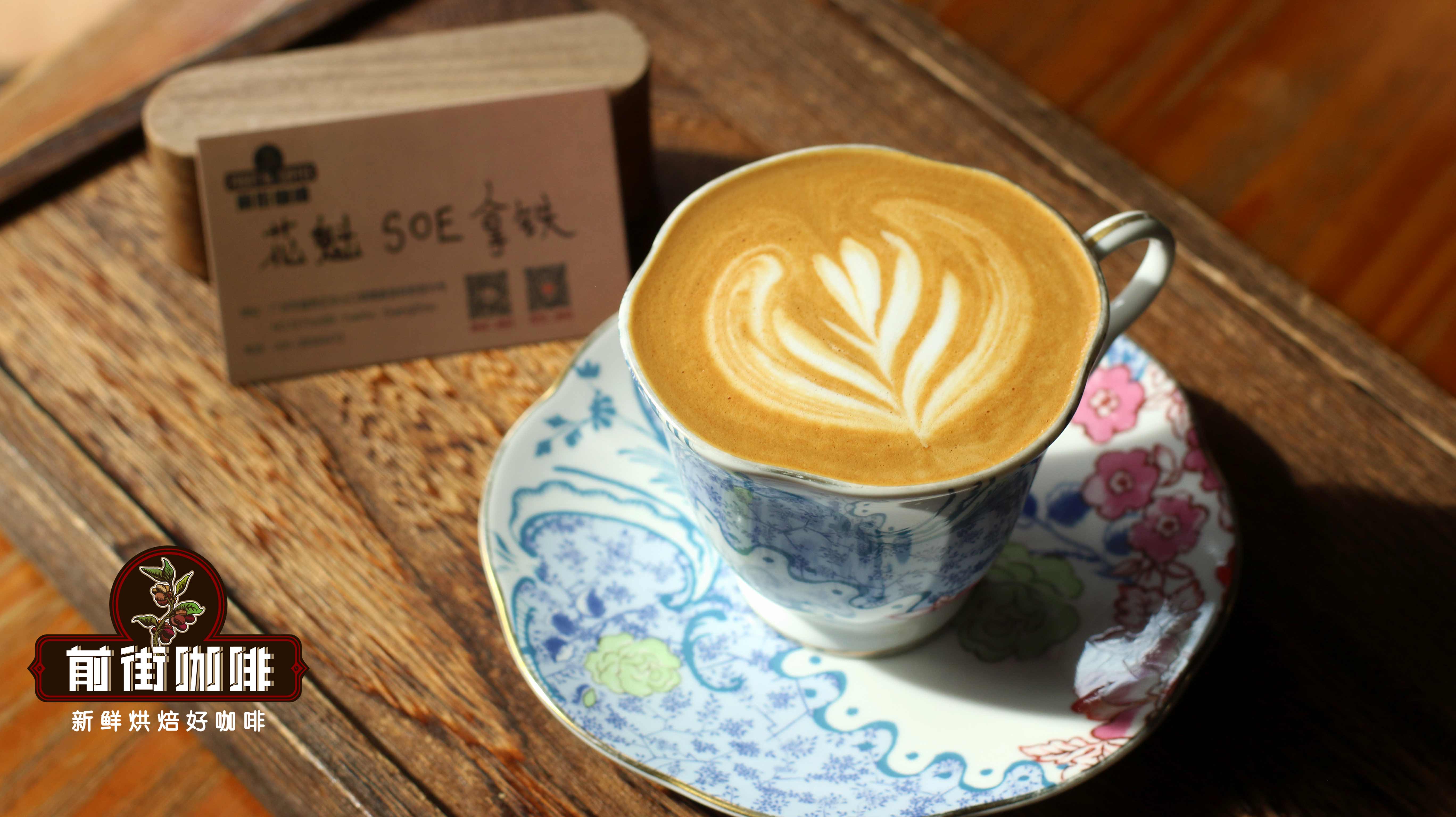
Front Street Papayo Espresso has rich aromas of passion fruit, grapes, apricot, and citrus. Its sweet aftertaste presents chocolate and light spice sweetness, and the finish is similar to fruit wine, with quite rich layers. It is suitable for people who prefer rich fruity aromas but do not want bitterness. When made into iced Americano, the taste is refreshing, just like grape juice.
High-sweetness espresso bean recommendation ④ Front Street Brazil Queen's Farm SOE
Front Street Brazil Queen's Farm SOE is a medium roast. After extraction, it can show flavors of toasted bread, peanuts, cream, and cookies. When made into Americano, it has a sucrose-like sweet aftertaste; when made into a latte, it highlights the characteristics of chocolate milk.
High-sweetness espresso bean recommendation ⑤ Front Street Brazil Cerrado Red Bourbon SOE
Front Street Cerrado Espresso presents chocolate-like richness and nutty sweetness, and is a typical nutty-flavor coffee. It is suitable for people who do not like acidity, can accept bitterness but reject grassy and woody flavors, and is also suitable for people who prefer nutty notes and low acidity, are used to adding milk and sugar, or use it as a base for coffee desserts.
Steps for making espresso
This espresso extraction uses the fruity and rich Front Street Strawberry Candy Espresso Blend.
Using the capacity of a double basket, the dose is about 18–20 grams. Here, 20 grams of coffee powder is used, with an extraction ratio of 1:2, that is, 20 grams of coffee powder extracts 40 grams of coffee liquid. The time is related to the flow rate of the coffee powder. Generally, a single extraction duration is controlled at 20–35 seconds, because within 20 seconds the coffee taste tends to be thin, while over 35 seconds it is easy to over-extract and produce a burnt bitter taste. Front Street espressos are mostly in the range of 28–30 seconds.
Before extraction, first wipe the basket dry, turn on the grinder, grind the amount for a double dose of coffee powder, place it on an electronic scale to adjust up or down until it reaches 20 grams. Then use a distribution tool to level the coffee powder, and use a tamper vertically downward with force to tamp the coffee puck firmly, ensuring more stable coffee extraction.
Then turn on the extraction switch and let water run for 1–2 seconds to wet the group head, while also carrying away coffee grounds stuck on it. Place an electronic scale under the cup that will receive the Espresso, and tare the weight to 0. During extraction, place it together under the group head.
Gently and slowly lock the portafilter onto the group head, and start pulling down the extraction switch. Observe the changes in the extracted liquid. When the electronic scale shows that 40 grams of coffee liquid has been extracted, at about 30 seconds, pull down the extraction switch. The brewing parameters will change subtly according to daily air humidity and the condition of the coffee beans, so it is necessary to adjust the coffee powder dose, grind setting, and extraction amount of coffee liquid up or down.
The extracted Espresso can be drunk directly. Paired with a glass of water to rinse the mouth, you can taste the dense crema foam and the mellow mouthfeel of the coffee liquid underneath. If you cannot accept the strong bitterness, you can also add water or milk according to your preference to dilute and soften the intense taste.
The above content is compiled by CoffeeHunters, a coffee news website.


