







Why Does Cold Brew Coffee Sometimes Smell Like Alcohol?
Cold brew and ice drip extract at low temperature over many hours, and dark-roasted beans pushed through that long steep can develop fermented, wine-like aromas. When a batch tastes or smells like alcohol, the usual causes are an extended extraction time, a very dark roast, or grounds left steeping longer than intended.
Cold brew's low acidity and smooth body come from that slow, cold process, but the same conditions let fermentation notes build. Shortening the steep, using a lighter or medium roast, or diluting a concentrated batch usually brings the cup back toward its fruit and chocolate character rather than the alcohol-like edge.
Cold-drip coffee, with its refreshing taste and low acidity brought by low-temperature slow extraction, has become a favorite among many coffee lovers in hot seasons. However, the long production cycle and limited yield make commercially available cold-drip coffee generally quite expensive. Coffee beans of different roast levels present completely different flavor trajectories under cold-drip extraction—the fruity sweetness and bright acidity of a light roast, the balanced richness of a medium roast, and the fermented wine-like aroma of a dark roast each have their own followers. This article will systematically sort out the bean selection approach for cold-drip coffee, from roast level selection and specific bean recommendations to grinding ratios and extraction key points, and include practical extraction suggestions to help you find the cup of cold-drip coffee that best suits your taste.
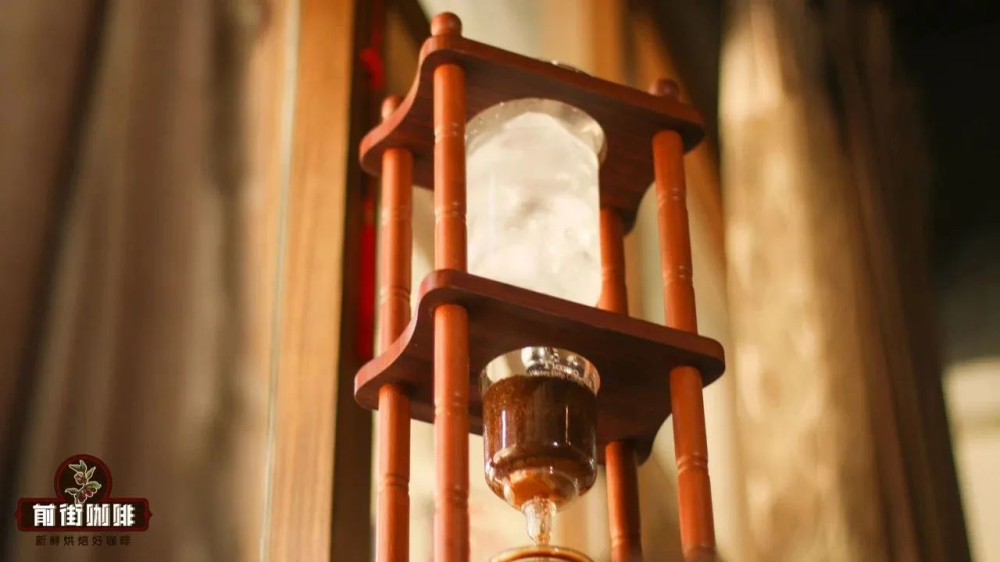
Whenever summer arrives, cold-drip coffee becomes the drink of choice for many coffee enthusiasts. Through low-temperature extraction, its acidity is gentle, its body is just right, and it goes down cool and smooth, which is why it is so widely favored. But cold-drip coffee also has an obvious drawback—it takes a long time to make and produces only a small amount per batch, so many cafés require advance orders for their cold-drip coffee. The high price is not because the ingredients are expensive, but because the time cost drives up the overall expense. Even so, for those who truly love cold-drip coffee, being able to drink a cup slowly dripped from their favorite beans makes the extra spending well worth it.
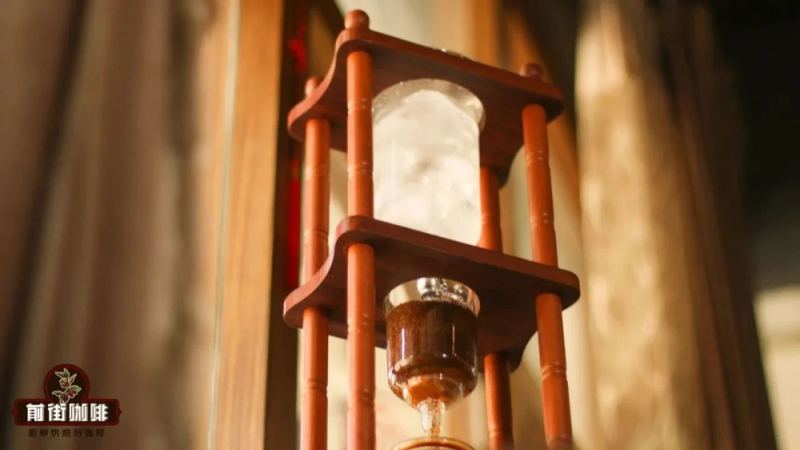
The principle of cold-drip is to let water from melting ice slowly pass through a layer of coffee grounds, completing the entire extraction process at low temperature.
In choosing beans for cold-drip coffee, light roast, medium roast, and dark roast each have their own supporters. Light-roasted beans have a sweet-and-sour quality and are best consumed soon after dripping; medium-roasted beans are balanced in flavor and substantial in body, often with a chocolate-like finish; dark-roasted beans, through fermentation, give off wine-like aromas.
For this reason, you can absolutely choose the coffee beans for making cold-drip coffee according to your own taste preferences, because different roast levels can produce vastly different flavor expressions once dripped:
1. If you prefer flavors akin to floral and fruity tea, you can try Front Street Coffee Washed Fruit Ding Ding. It presents a complex profile of white florals, citrus, honey, green tea, and grapefruit, with an elegant finish, and is especially friendly to those who are not used to bitter coffee;
2. If you want to experience fermented wine-like aromas, you might try Front Street Coffee Colombia Papayo. This bean uses anaerobic natural processing, with a very full tropical fruit flavor, and after the long low-temperature extraction of cold-drip, the aromas of passion fruit and grape become even more prominent.
3. As for lovers of floral coffee, we highly recommend Front Street Coffee Strawberry Candy Coffee. It combines the sweetness brought by honey processing with the floral characteristics of the Geisha variety, with clear layers overall and a long, lingering aftertaste.
As for grind size, there is almost universal agreement that cold-drip coffee beans should be ground fresh right before use, with a coarseness comparable to pour-over coffee, roughly close to the size of granulated sugar.
Coffee beans : water : ice = 1:5:5
This is also the core reason I personally prefer cold-drip coffee. Cold-drip has quite a lot of variables—drip speed, the state of the coffee bed, extraction time, bean variety... The entire extraction often takes 8 to 12 hours, and the coffee cannot be drunk immediately after dripping. Those who enjoy tinkering will even keep it refrigerated for a few more days, allowing the coffee to lightly ferment and develop a long, sweet aftertaste reminiscent of fermented glutinous rice.
Extraction Suggestions
1. The ratio of coffee grounds to ice water (ice plus water) should be controlled at about 1:15.
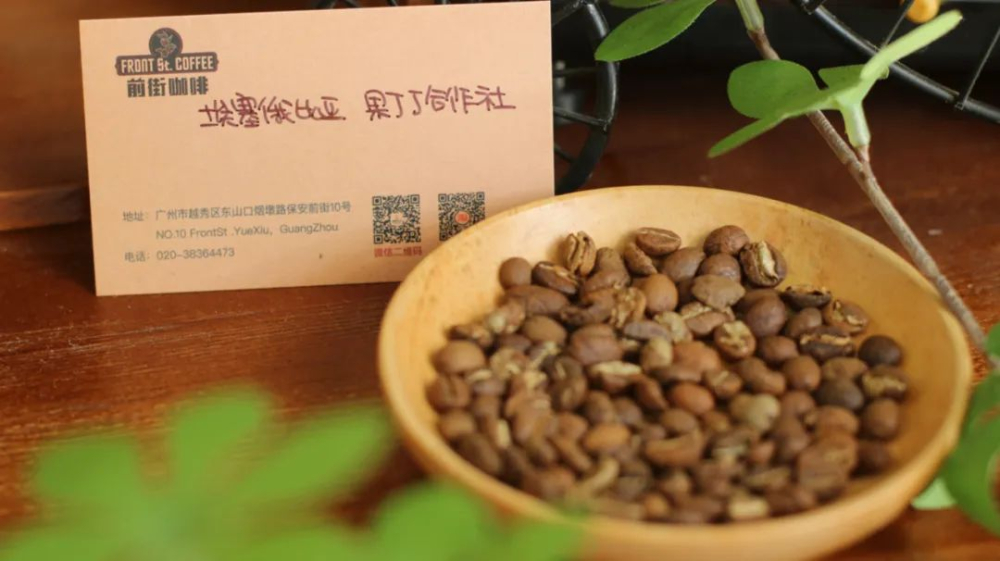
2. To increase the contact area between the coffee grounds and water, the grind size is best between that for siphon and that for press pot.
3. Because the extraction time is long, it is recommended to use dark-roasted coffee beans, high-quality pure coffee, or coffee beans specifically for cold-drip.
4. Cold-drip coffee is strong at first and becomes lighter later, so it is best to drink it only after all the ice water has dripped through.
5. Drip speed is a key factor determining success or failure, with a slow rate of about 7 drops every 10 seconds being ideal. Water and coffee grounds then have enough time to merge, and the body will be fuller; if it drips too fast, the flavor will be weak and water may even overflow; conversely, if it drips too slowly, the coffee will over-ferment, producing sourness and an alcoholic taste.
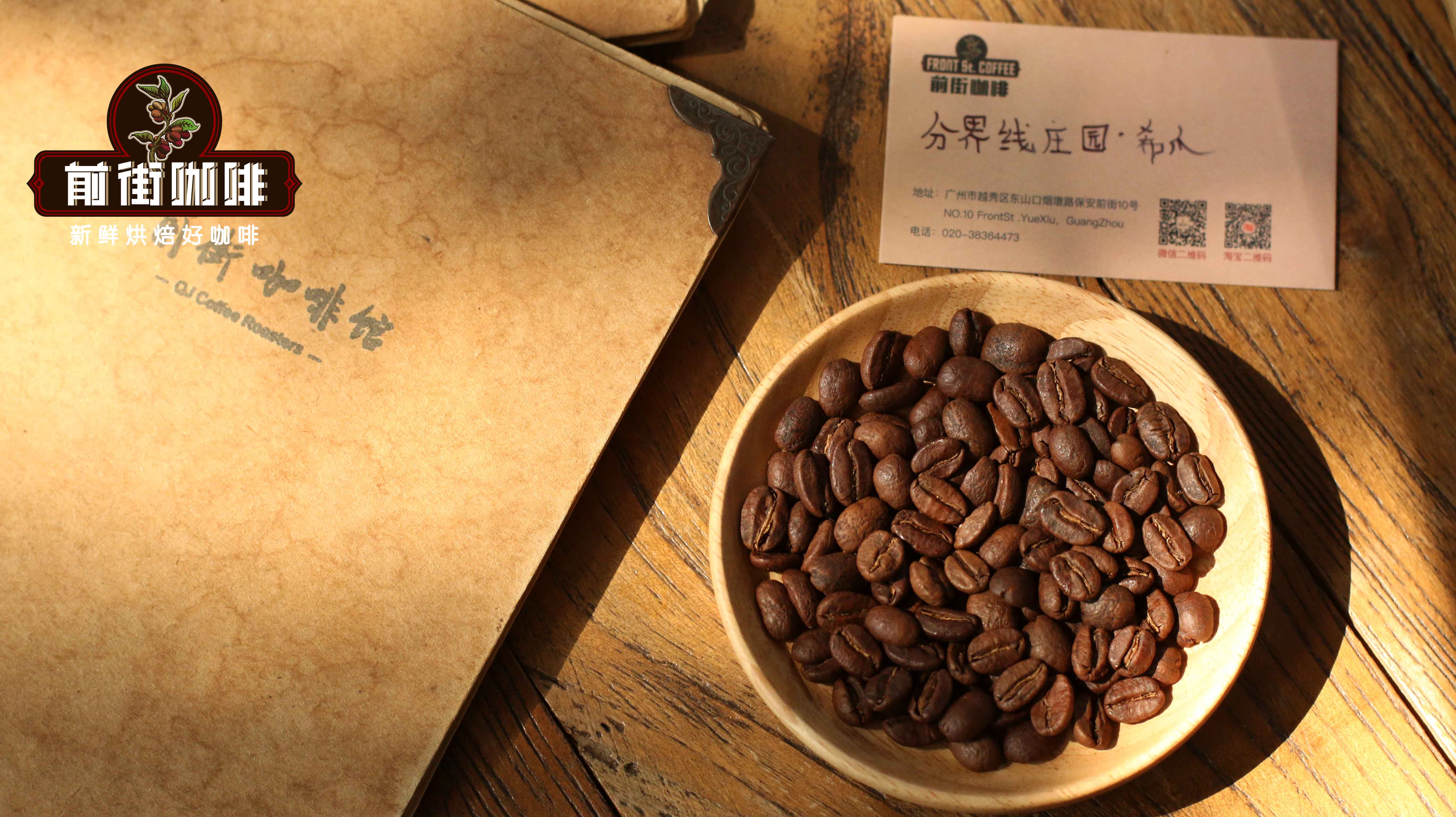
There are many people who love cold-drip coffee, but its relatively high price deters quite a few. Cold-drip itself takes a long time, and rising costs naturally make its pricing different from ordinary pour-over. Yet cold-drip coffee is by no means a simple coffee. If you are interested in it, you may as well try it yourself, because beans of different roast levels can express utterly different flavors through cold-drip.
The above content is compiled by CoffeeHunters, a coffee news website.


