







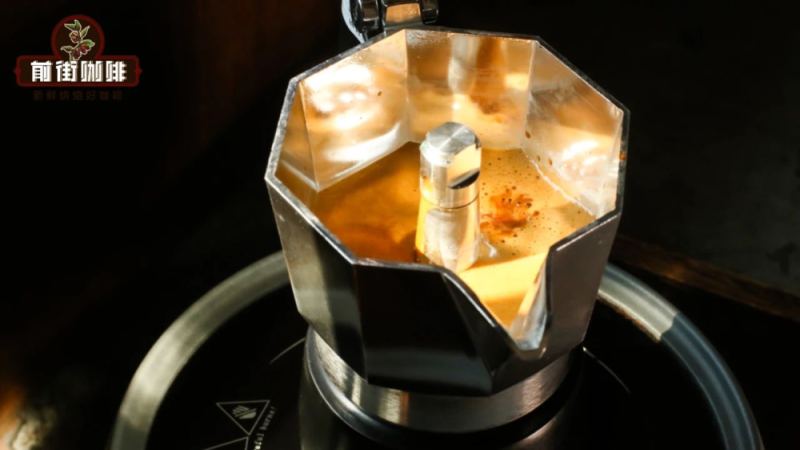
The moka pot is a staple in many coffee lovers' homes, but if daily cleaning is not done carefully, the aluminum body can easily oxidize and turn black, and the gasket and filter screen are often overlooked. This article explains in detail the cleaning points for aluminum and stainless steel moka pots, covers the steps for removing and cleaning the gasket and filter screen, their installation orientation and replacement cycle, and offers a repair solution using white vinegar or lemon juice soaking for already oxidized pot bodies. Mastering these methods will not only keep the coffee flavor pure but also effectively extend the lifespan of the moka pot, allowing it to consistently brew every cup of coffee for you.
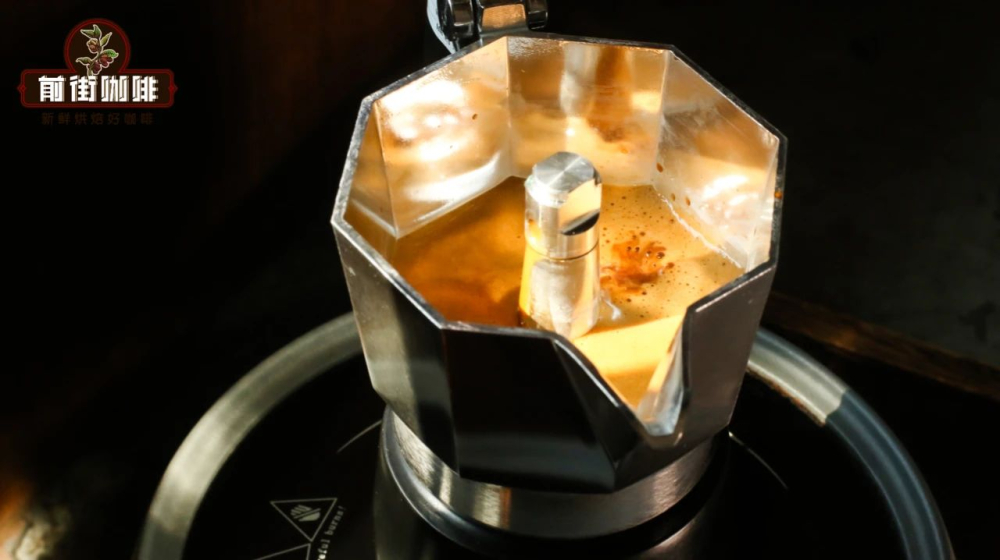
Daily Cleaning of the Moka Pot
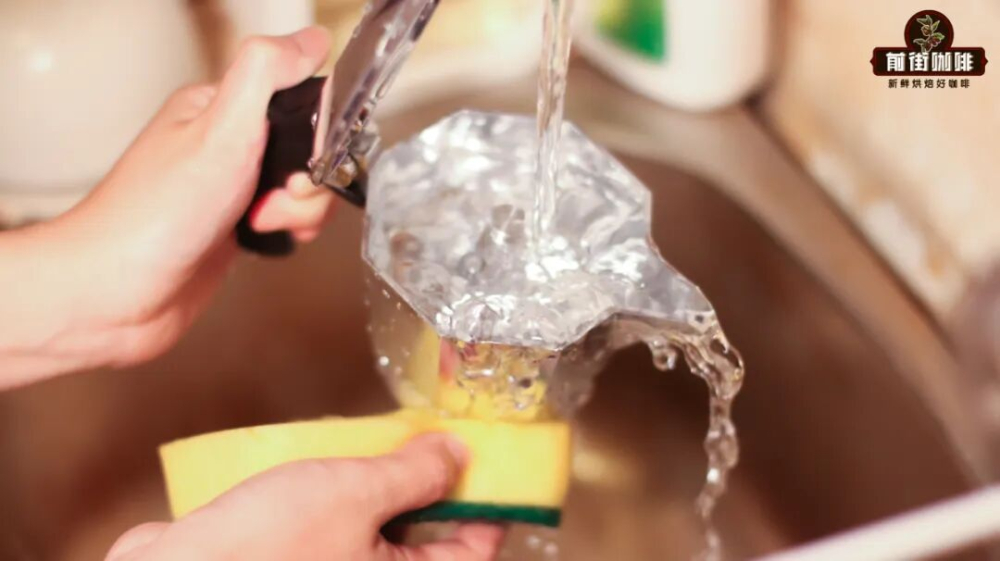
After each use, we usually let the moka pot cool naturally, then unscrew the top and bottom chambers, discard the coffee grounds inside, and rinse off the fine particles clinging to the pot with water.
Many friends might think that after using the moka pot, simply rinsing it with dish soap is enough, and there seems to be nothing special to watch out for. But in fact, it is precisely these two steps that deserve the most attention, because a slight carelessness can cause the moka pot to oxidize.
Moka pots on the market today mainly come in two types: aluminum and stainless steel. As the names suggest, the difference lies in the material. Different materials require adjusted cleaning methods. Among them, aluminum moka pots especially need careful handling.
Aluminum easily reacts with the alkaline components or chlorine in various cleaning agents, leading to corrosion, oxidation, and other "blackening" phenomena. In addition, aluminum moka pots have a very strong adsorption capacity and can easily retain the smell of cleaning agents inside, interfering with the flavor of the coffee brewed afterward.
Therefore, when cleaning an aluminum moka pot, it is best to avoid all kinds of detergents and simply rinse with water. By contrast, stainless steel moka pots are less troublesome because they are more corrosion-resistant and can be cleaned with dish soap and similar products, but when using cleaning agents, it is best to avoid the gasket, otherwise the dish soap will accelerate the aging of the gasket and lead to poorer sealing performance.
Additionally, whether stainless steel or aluminum, avoid using abrasive cleaning tools like steel wool. Otherwise, the surface and coating of the pot will be scratched, which not only affects its appearance but also speeds up oxidation.
After cleaning, never, ever rush to reassemble the moka pot. The correct approach is to let the moisture inside dry completely first, and only then reassemble it. Otherwise, it will also cause the moka pot to oxidize and turn black.
Removing the Moka Pot Gasket
Earlier we mentioned avoiding the gasket when using dish soap, and here Front Street Coffee would like to emphasize this point further. Many friends think a moka pot has only three parts: the top chamber, the filter basket, and the water chamber, so they only rinse these three areas when cleaning, overlooking the gasket and filter screen.
But in reality, both the filter screen and the gasket of a moka pot are areas that need special attention! Because a large amount of coffee liquid and grounds accumulate in the gasket and filter screen, and rinsing alone can hardly remove all the grime, so we need to take them apart and clean the interior.
That's right! They are removable, and it's very simple to do! Just prepare any tool (remember it must not be a sharp object), press against the inner ring of the gasket, pry up a corner, and finally take it out by hand!
The gasket itself is the key component that holds the filter screen in place, so once the gasket is removed, the filter screen will fall out as well. At this point, we can rinse and clean them as well as the interior of the moka pot.
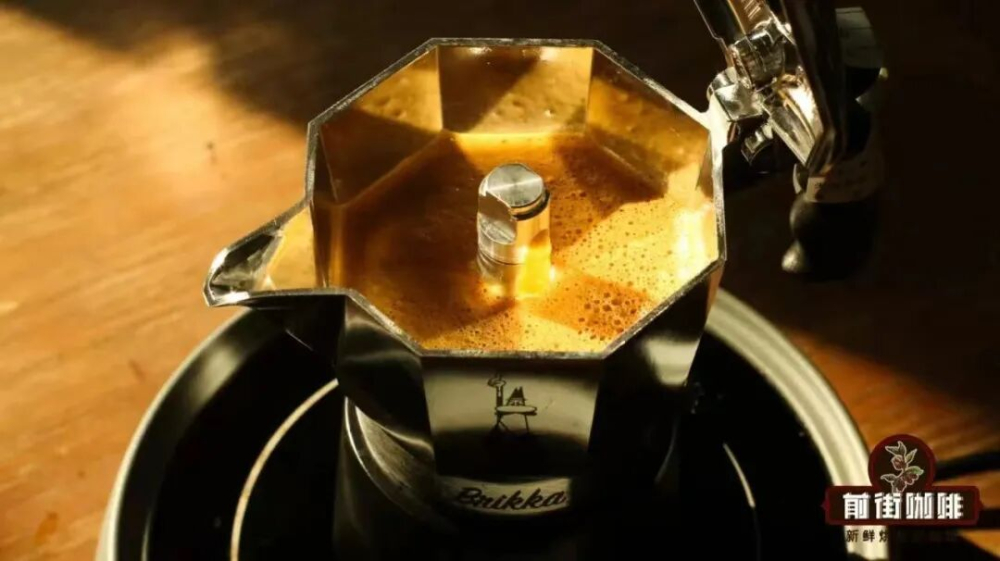
When preparing to reinstall after cleaning, be sure to confirm that the concave side of the filter screen faces inward and the convex side faces outward, otherwise the moka pot will leak after assembly.
As for the gasket, like the gaskets on espresso machines, it will wear out over time. With increasing use, it gradually wears down until it can no longer seal properly. At that point, we need to buy a new gasket online or in a store and replace it. Generally speaking, a gasket lasts about a year, with the exact duration depending on frequency of use. You can pay attention to the sealing condition in daily use, and once leakage occurs, replace the gasket promptly.
How to Restore a "Blackened" Moka Pot
If your moka pot has already oxidized due to improper cleaning, there's actually no need to worry too much. As mentioned in the moka pot manual, moka pots are made of food-grade aluminum alloy, so normal oxidation does not harm the human body.
But if you find these spots unsightly, you might try mixing white vinegar or lemon juice with water and soaking the oxidized parts of the moka pot in it for about an hour.
After soaking, wash it again and then let it dry, and the oxidation will be reduced. That's the complete cleaning guide for moka pots. Front Street Coffee would like to add one final reminder: after using your moka pot, never forget to clean it, and be sure to dry it, dry it, dry it, to avoid shortening its lifespan~
For more specialty coffee knowledge, please follow: Front Street Coffee ( Frontsteet Coffee )
The above content is compiled by CoffeeHunters, a coffee news website.


