







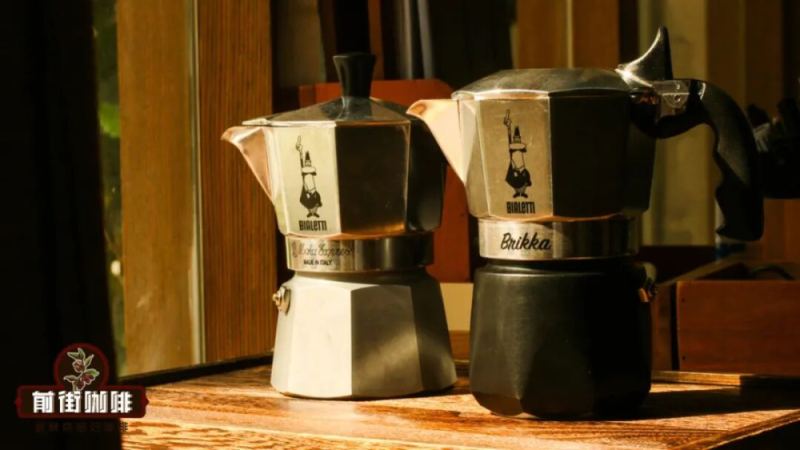
Although a moka pot is small, cleaning and maintenance require real attention to detail. Many enthusiasts casually rinse it after use, and as a result, black oxidation spots appear on the body—not only does it look bad, it can also give the coffee off-flavors. This article systematically covers the correct cleaning methods for aluminum and stainless steel moka pots, the key points for removing and reinstalling the gasket and filter screen, and how to repair a pot that has already "gone black." At the same time, Front Street will also recommend coffee beans suitable for moka pot extraction, so you can master everything from equipment maintenance to the flavor in the cup in one go.
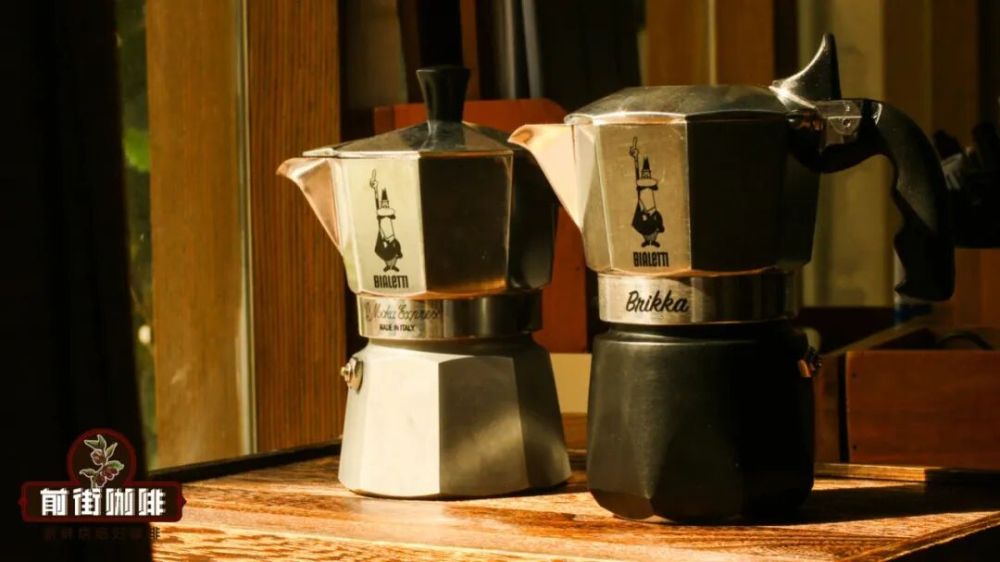
Although Front Street has written quite a lot about moka pot operation and brewing coffee, looking back, it turns out we had never specifically discussed cleaning and maintenance after use. As a result, friends kept asking the same question in the background: why does a moka pot turn black?
What is called "turning black" is actually certain parts of the moka pot darkening and developing spots due to oxidation. This situation is mostly caused by incorrect cleaning methods after use. This also made Front Street realize that while operation and brewing with a moka pot are certainly key, cleaning and maintenance cannot be ignored either.
With proper care, one pot can be used for many years, or even passed down to the next generation; with improper care, not only will the pot's lifespan be shortened, it will also absorb off-flavors, ultimately affecting the taste of the coffee.
First, a question many people care about: what kind of coffee beans are suitable for a moka pot? Like an espresso machine, a moka pot also uses pressure extraction, and the coffee it brews is rich, full-bodied, and punchy, making it very suitable for medium-dark roasted beans. If you like moka pot coffee with plenty of crema, you can try Front Street Commercial Blend, with aromas of caramel, dark chocolate, and roasted hazelnut;
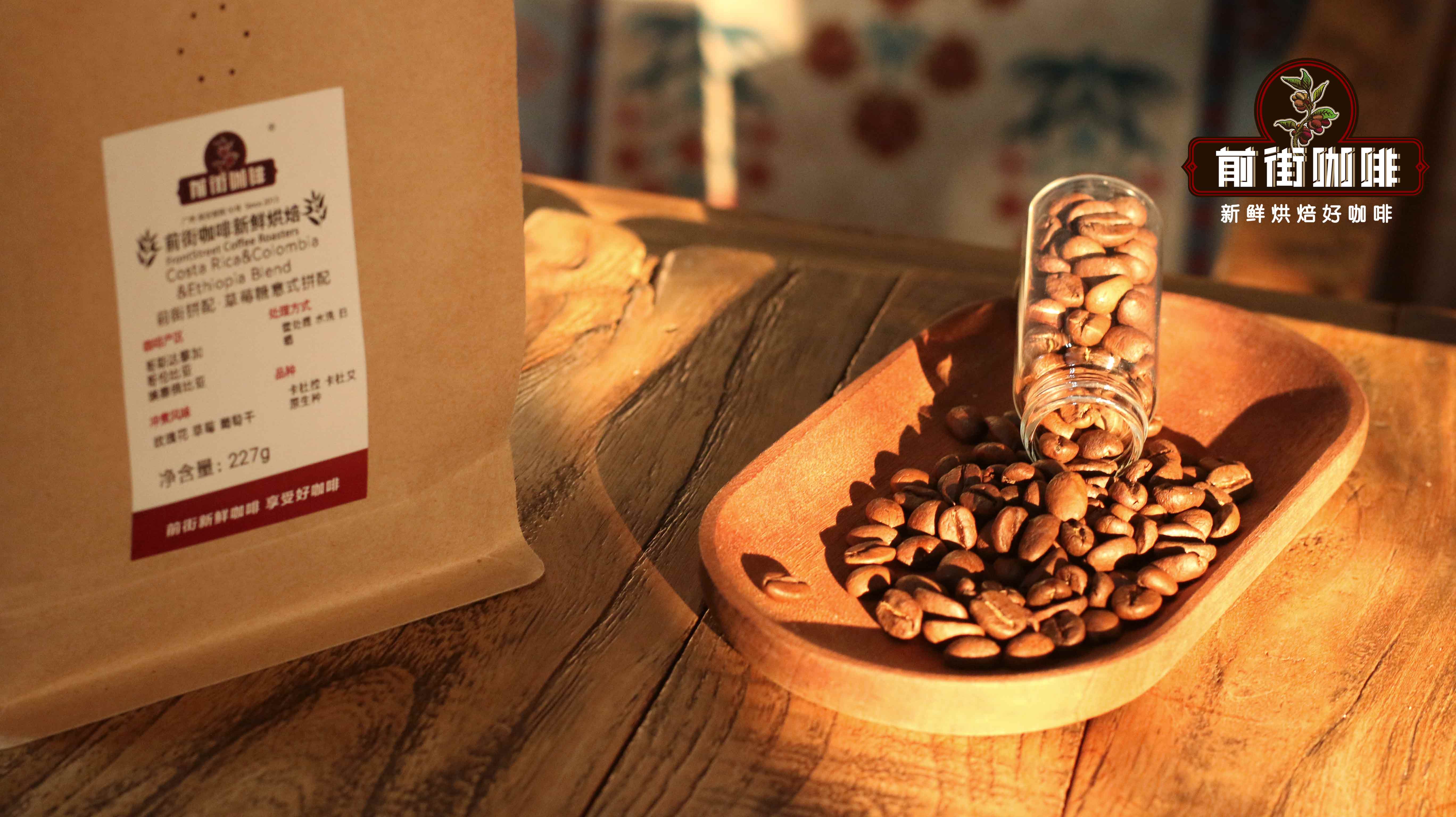
If you want to make espresso with fruity notes, you can choose Front Street Strawberry Candy espresso coffee beans, which can be ordered directly from the Taobao or Tmall store. This bean is known for its honey processing, using two major producing regions—Front Street Costa Rica Tarrazu and Ethiopia, the birthplace of coffee—plus Colombian beans in the blend. The espresso made this way is not harsh, and after extraction shows good crema with a thick, silky texture, along with a sweet-and-tart sensation reminiscent of strawberry gummy candy.
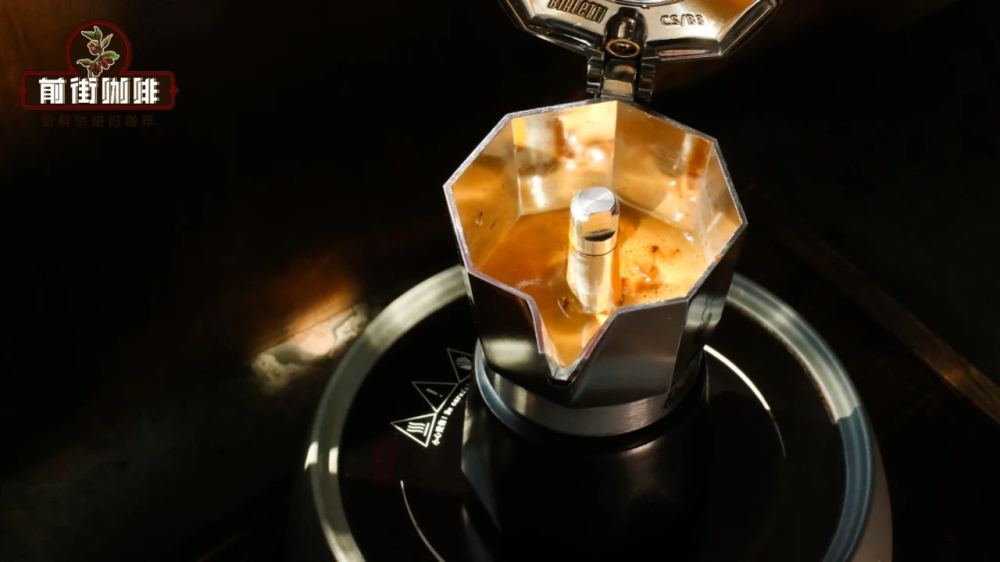
So today Front Street will share the correct cleaning and maintenance methods for a moka pot, as well as how to deal with a pot body that has already oxidized and turned black. The first thing to discuss is how to clean it after use.
Daily cleaning of a moka pot
Many friends think that after using a moka pot, just rinsing it with dish soap is enough and there is nothing special to worry about. But it is precisely these two steps that are most prone to problems, and a moment of carelessness can cause the pot body to oxidize.
Currently, moka pots on the market are mainly divided into two types: aluminum and stainless steel. Different materials require different cleaning methods. Among these, special attention should be paid to cleaning aluminum moka pots.
Aluminum is a material that easily reacts with the alkaline components or chlorine in cleaning agents, causing corrosion, oxidation, and other "blackening" phenomena. Moreover, aluminum moka pots are highly absorbent, making it very easy for the smell of dish soap to linger and affect the flavor of the coffee brewed afterward.
Therefore, when cleaning an aluminum moka pot, it is best not to use any detergent at all—rinsing with clean water alone is enough. Stainless steel moka pots are relatively better, with stronger corrosion resistance, and can be used with dish soap, but during cleaning you should try to avoid the gasket, because dish soap will accelerate the aging of the gasket and lead to poorer sealing.
In addition, whether stainless steel or aluminum moka pots, avoid using abrasive tools such as steel wool. Otherwise, the surface and coating of the pot body will be scratched, which is not only unsightly but also accelerates oxidation.

After cleaning, remember not to reassemble the pot immediately. Be sure to let the moisture inside the pot dry first, and then reassemble it. Otherwise, it will likewise cause the moka pot to oxidize and turn black.
Removing the moka pot gasket
Earlier we mentioned avoiding the gasket when using dish soap, and here Front Street will explain in more detail. Many friends think a moka pot has only three parts: the upper chamber, the filter basket, and the water chamber, so when cleaning they only rinse these three places and ignore the gasket and filter screen.
But in fact, the filter screen and gasket of a moka pot are the parts that need the most attention. A large amount of coffee liquid and coffee grounds accumulates in the gasket and filter screen, and it is difficult to remove completely just by rinsing, so they need to be taken apart and the interior carefully cleaned.
That's right, they can be removed, and the process is very simple. Just find a tool that is not sharp, press it against the inner ring of the gasket, pry up one corner, and then take it out by hand.
The gasket is the key part that holds the filter screen in place, so after the gasket is removed, the filter screen will fall out with it. At this point, you can rinse and clean them as well as the inside of the moka pot.
When preparing to put them back after cleaning, be sure to make sure the filter screen has its concave side facing inward and its convex side facing outward, otherwise the moka pot will leak after reassembly.
As for the gasket, like the gasket on a coffee machine, it will continuously wear down. As the number of uses increases, it will gradually wear until it loses its sealing effect. At that point, you need to buy a new gasket online or offline to replace it. Usually, the lifespan of a gasket is about one year, depending on frequency of use. You can pay more attention to the sealing condition normally, and if leakage occurs, replace the gasket in time.
How to repair a moka pot after it has "gone black"
If your moka pot has already oxidized due to improper cleaning, there is actually no need to worry too much. As mentioned in the moka pot instructions, it uses food-grade aluminum alloy material, and normal oxidation will not harm the human body.
But if you find these spots uncomfortable to look at, you can try mixing white vinegar or lemon juice with water and soaking the oxidized parts of the moka pot for about an hour.
After soaking, wash and dry it, and the oxidation can be reduced. That concludes the moka pot cleaning guide. Front Street would like to remind you one last time: after using a moka pot, be sure to remember to clean it, and be sure to dry it, dry it, dry it—only then can you avoid shortening the pot's service life.
The above content is compiled by CoffeeHunters, a coffee news website.


