







How Should Moka Pots Be Cleaned to Avoid Oxidation?
After each use, let the moka pot cool completely, unscrew the upper and lower chambers, discard the grounds and rinse fine particles from the walls with clean water. Aluminum bodies react with the alkaline components or chlorine in detergents, which causes corrosion and blackening, and the metal also holds onto detergent smells that later affect flavor, so plain water is enough.
Stainless steel moka pots are more corrosion-resistant and tolerate dish soap, though the gasket should be kept away from it because soap speeds up aging and weakens the seal. The article also covers removing and reinstalling the gasket and filter screen, the residue left when they are ignored, and a white vinegar and lemon juice method for treating oxidation and blackening on either material.
Moka pots are convenient to use, but cleaning and maintenance involve quite a few tricks. The aluminum body easily reacts with cleaning agents, causing oxidation and blackening. If the gasket and filter screen are not removed and cleaned for a long time, a large amount of coffee liquid and grounds will remain, affecting the seal and flavor. This article details the daily cleaning steps for moka pots, the differences between cleaning aluminum and stainless steel pots, the key points for removing and reinstalling the gasket and filter screen, and the white vinegar and lemon juice repair method after oxidation and blackening. No matter which material you use, mastering these details can extend the life of the pot and make every cup of coffee purer. Front Street Coffee also gives practical reminders in the article.
Daily Cleaning of a Moka Pot
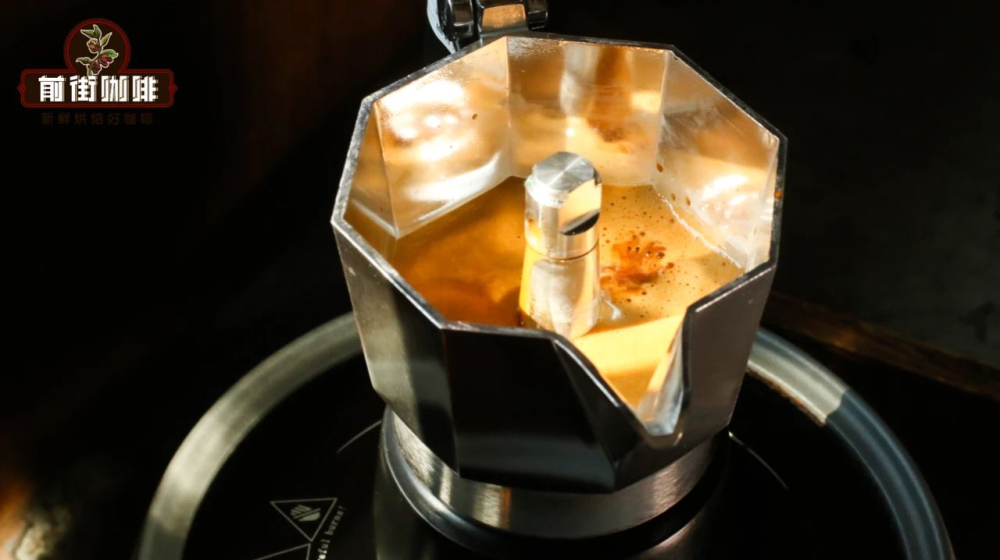
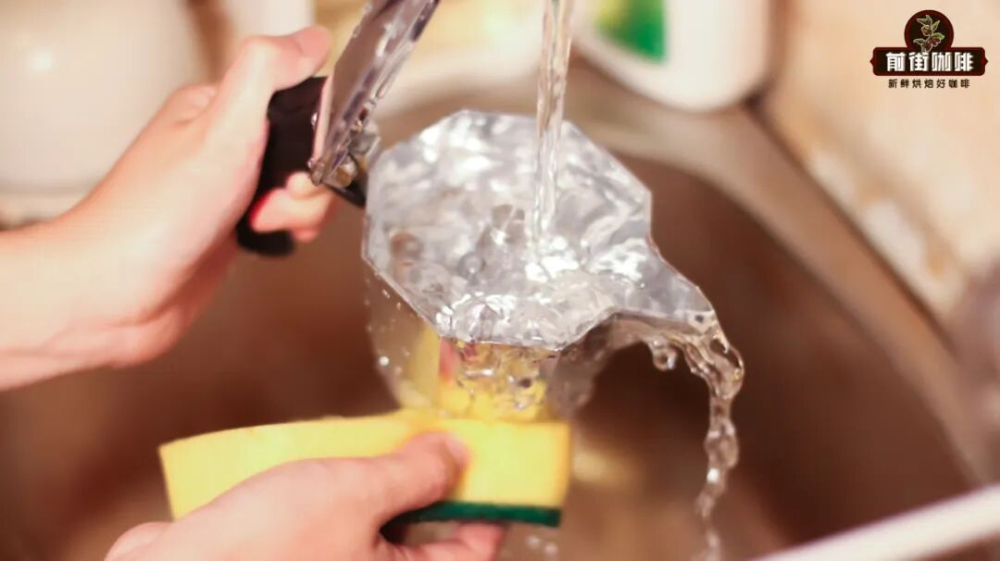
After each use of the moka pot, wait until it has completely cooled before unscrewing the upper and lower chambers, discard the coffee grounds inside, and then rinse away the fine particles clinging to the pot walls with clean water.
Many friends think that cleaning a moka pot is just rinsing it casually with dish soap, with nothing worth noting. But it is precisely these two steps that are most easily overlooked, and a little carelessness may cause oxidation of the pot body.
The moka pots available on the market mainly fall into two types: aluminum and stainless steel. The distinction lies in the material of the body, and different materials require corresponding adjustments in cleaning methods. Among them, special attention should be paid to how aluminum moka pots are cleaned.
Aluminum easily reacts chemically with the alkaline components or chlorine in cleaning agents, which can lead to corrosion, oxidation, and other "blackening" phenomena. Moreover, the aluminum body has strong adsorption capacity, so the smell of cleaning agents easily remains on it, and the flavor will be affected when brewing coffee afterward.
Therefore, when cleaning an aluminum moka pot, it is best not to use any detergent, and simply rinsing with clean water is enough. Stainless steel moka pots are relatively less troublesome and more corrosion-resistant, so dish soap can be used to assist cleaning, but try to avoid the gasket during the process, because dish soap will accelerate the aging of the gasket, and the sealing effect will deteriorate accordingly.
In addition, whether stainless steel or aluminum, avoid abrasive cleaning tools such as steel wool. Otherwise, the surface and coating of the pot body will be scratched, which not only affects the appearance but also accelerates the oxidation process.
After washing, never, ever reassemble the moka pot immediately. The correct approach is to first let any remaining moisture inside the pot dry completely, and then reassemble it. Otherwise, it will also cause oxidation and blackening of the pot body.
Removing the Gasket of a Moka Pot
It was mentioned earlier that the gasket should be avoided when using dish soap, and here Front Street will explain it further in detail. Many friends think a moka pot has only three parts: the upper chamber, the filter basket, and the water tank, so when cleaning they only rinse these three places, and the gasket and filter screen are ignored.
But in fact, the filter screen and gasket are the areas that need the most attention. A large amount of coffee liquid and grounds accumulates in the gaps between the gasket and filter screen, and simply rinsing with water cannot completely remove the dirt. Therefore, we need to remove them and thoroughly clean the inside.
That's right, they can be disassembled, and the operation is very simple. Just find any tool (remember not to use sharp objects), press against the inner ring of the gasket, pry up one corner, and then you can take it out by hand.
The gasket itself is the key component that secures the filter screen, so once the gasket is removed, the filter screen will fall out as well. At this point, you can rinse and clean them as well as the inside of the moka pot.
When preparing to reinstall after cleaning, be sure to confirm that the concave side of the filter screen faces inward and the convex side faces outward; otherwise, the moka pot will leak after assembly.
As for the gasket, like the gasket on an espresso machine, it is a consumable. With increasing use, it will gradually wear out until it loses its sealing function. At that point, you need to buy a new gasket online or offline to replace it. Usually, the lifespan of a gasket is about one year, depending on frequency of use. Pay more attention to the sealing condition at ordinary times, and replace the gasket promptly once leakage is found.
How to Repair a Moka Pot After "Blackening"
If your moka pot has already oxidized due to improper cleaning, there is actually no need to worry too much. As stated in the moka pot instructions, the pot body is made of food-grade aluminum alloy material, and normal oxidation will not harm the human body.
But if you find those spots really uncomfortable to look at, you can try mixing white vinegar or lemon juice with water and soaking the oxidized parts of the moka pot in it for about one hour.
After soaking, wash it again, then let it dry, and the residual oxides can be reduced. That concludes the moka pot cleaning guide. Front Street would like to remind you one last time: after using a moka pot, you must not be lazy and skip washing it, and you must let it dry, dry, dry, so as to avoid shortening the service life of the moka pot.
For more specialty coffee knowledge, please follow: Front Street Coffee (Frontsteet Coffee)
The above content is compiled by CoffeeHunters, a coffee news website.


