







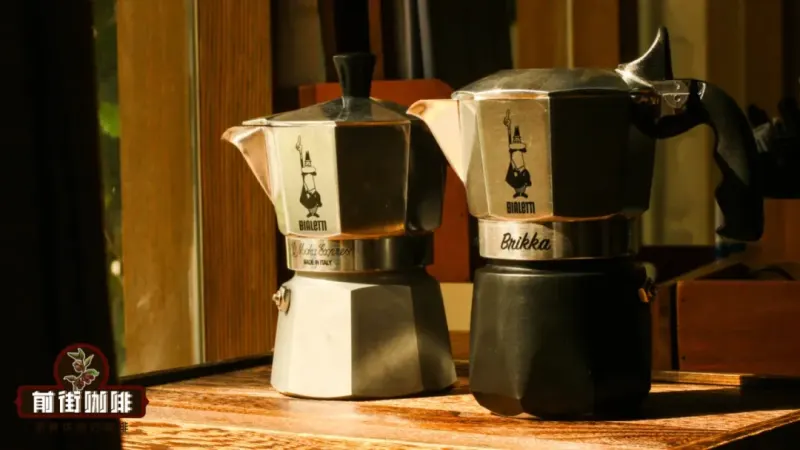
Why Does a Moka Pot Turn Black and How Can It Be Fixed?
A moka pot blackens when its body oxidizes, leaving dark spots that usually come from improper cleaning after use. The fix starts with the daily routine: rinse promptly, avoid harsh scrubbing on aluminum, dry every part fully, and never store the pot closed while moisture remains inside.
Cleaning and maintenance matter as much as brewing, since neglect shortens service life and lets the metal absorb odors that carry into the coffee. Moka pots in both aluminum and stainless steel respond to different care, and a pot already spotted with oxidation can often be restored with gentle methods rather than replaced.
Front Street Coffee has shared quite a few tips on using the moka pot and coffee-making methods, but we've never systematically talked about cleaning and maintenance. As a result, the same question keeps coming up in the backend from friends: what should you do when your moka pot "goes black"? So-called blackening refers to parts of the pot body turning black due to oxidation, with spots appearing. This often stems from improper cleaning methods after use. In fact, cleaning and maintenance are just as important as brewing—with proper care, a moka pot lasts a long time; with improper care, not only is its service life shortened, but it also absorbs odors and affects the coffee's flavor. Today Front Street Coffee will explain in detail the correct way to clean a moka pot, the key points of maintenance, and how to repair a moka pot that has already oxidized and turned black.
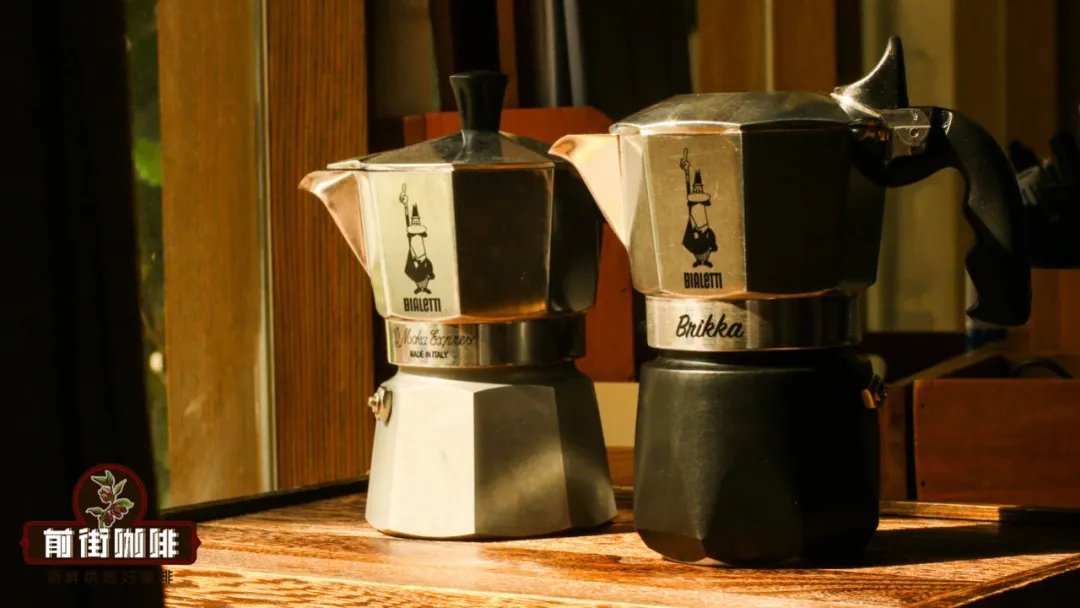
Front Street Coffee has written quite a bit about moka pot operation and brewing coffee, but on reflection, the topic of cleaning and maintenance seems to have never been specifically discussed. As a result, friends kept coming to the backend asking the same question: what should be done when a moka pot "goes black"?
So-called "blackening" refers to certain parts of the pot body turning black due to oxidation, with spots appearing on the surface. This is usually caused by using improper cleaning methods after using the moka pot. This also made Front Street Coffee realize that while the method of using a moka pot and making coffee is certainly key, cleaning and maintenance also occupy a position that cannot be ignored.
With proper maintenance, one pot can be used for many years (of course, that's an exaggeration); without proper maintenance, not only will the moka pot's lifespan be greatly reduced, but the pot body will also absorb odors, thereby negatively affecting the coffee's taste.
Therefore today Front Street Coffee will talk about the correct methods for cleaning and maintaining a moka pot, and how to rescue a moka pot that has already "gone black" (oxidized). First, let's start with cleaning methods after use.
Daily cleaning of the moka pot
Many friends may think that after using a moka pot, just rinsing it with dish soap is enough—what's there to be particular about? But in fact, it is precisely these two steps that require the most attention, because a slight carelessness can cause the moka pot to oxidize.
Currently, moka pots on the market are mainly divided into two types by material: aluminum moka pots and stainless steel moka pots. Different materials call for different cleaning methods. Among them, what especially needs attention is the cleaning method for aluminum moka pots.
Aluminum is a material that easily reacts with alkaline components or chlorine in cleaning agents, thereby causing corrosion, oxidation, and other "blackening" phenomena. Not only that, aluminum moka pots have strong adsorption capacity and can easily retain the smell of detergent, affecting the flavor of the coffee brewed afterward.

So when cleaning an aluminum moka pot, it is best not to use any detergent at all—rinsing with clean water alone is enough. Stainless steel moka pots are a bit less troublesome because they have stronger corrosion resistance and can be cleaned with the aid of dish soap and the like, but when using cleaning agents, be careful to avoid the gasket, because dish soap will accelerate the aging of the gasket and cause the sealing performance to deteriorate.
In addition, whether it is a stainless steel or aluminum moka pot, avoid using abrasive cleaning tools such as steel wool. Otherwise, the surface and coating of the pot body will be scratched, which not only affects its appearance but also accelerates the oxidation process.
After cleaning, remember not to reassemble the moka pot immediately. You should first let the moisture inside the pot dry completely, and then reassemble it. Otherwise, it will likewise cause the moka pot to oxidize and turn black. (It is best to dry it upside down.)
Removing the moka pot gasket
Earlier we mentioned avoiding the gasket when using dish soap, and here Front Street Coffee will explain this point again in particular. Many friends think a moka pot has only three parts: the upper chamber, the filter basket, and the water tank, so when cleaning they only rinse these three places, overlooking the gasket and filter screen.
In fact, the moka pot's filter screen and gasket are both parts that need focused cleaning! This is because a large amount of coffee liquid and coffee grounds accumulates in the gasket and filter screen, and it is very difficult to completely remove the grime by rinsing alone, so we need to take them off and clean the interior.
That's right! They are removable, and the operation is very simple! Just prepare any tool (remember it must not be a sharp object), press it against the inner ring of the gasket, pry up one corner, and then take it out by hand!
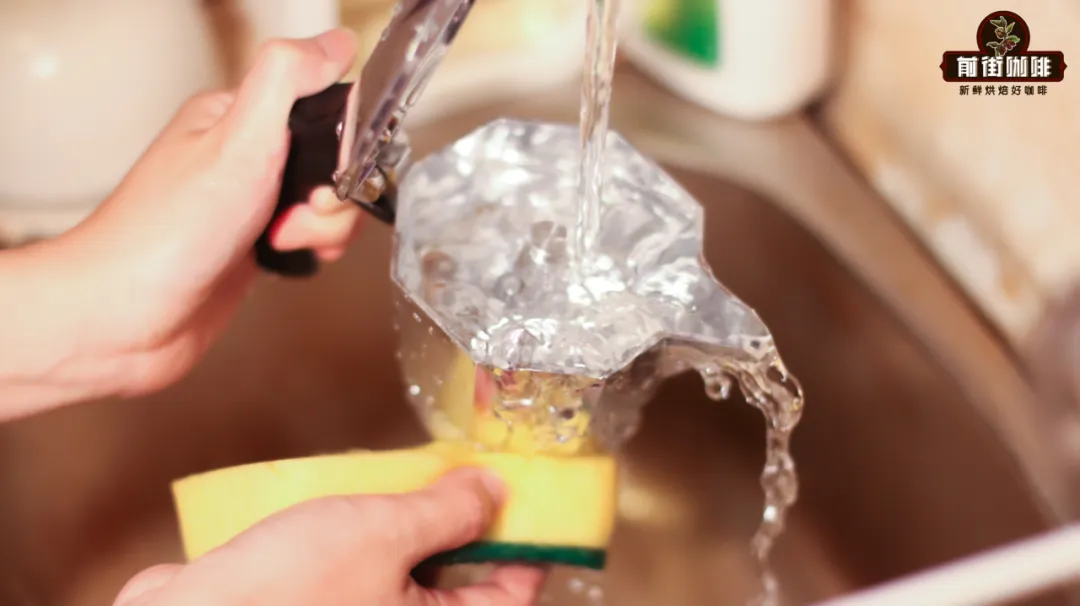
The gasket is the key component that secures the filter screen, so once the gasket is removed, the filter screen will also fall out with it. At this point we can rinse and clean them as well as the interior of the moka pot.
When preparing to reinstall after cleaning, be sure to confirm that the concave side of the filter screen faces inward and the convex side faces outward; otherwise, the moka pot will leak after being reassembled.
As for the gasket, just like with an espresso machine, it will continue to wear out. As the number of uses increases, the gasket will gradually wear down until it loses its sealing effect. At that point, you need to buy a new gasket online or offline. Generally speaking, the service life of one gasket is about one year, depending on frequency of use. During normal use, you can pay attention to the sealing condition, and if leakage occurs, the gasket should be replaced promptly.
How to repair a moka pot after it has "gone black"
If your moka pot has already oxidized due to improper cleaning (for example, oxidized spots or streaks have appeared), there is actually no need to worry. As stated in the moka pot instructions, moka pots are made of food-grade aluminum alloy material, and normal oxidation will not harm the human body.
But if you find these spots uncomfortable to look at, you can try mixing white vinegar or lemon juice with water and soaking the oxidized parts of the moka pot in it for about one hour.
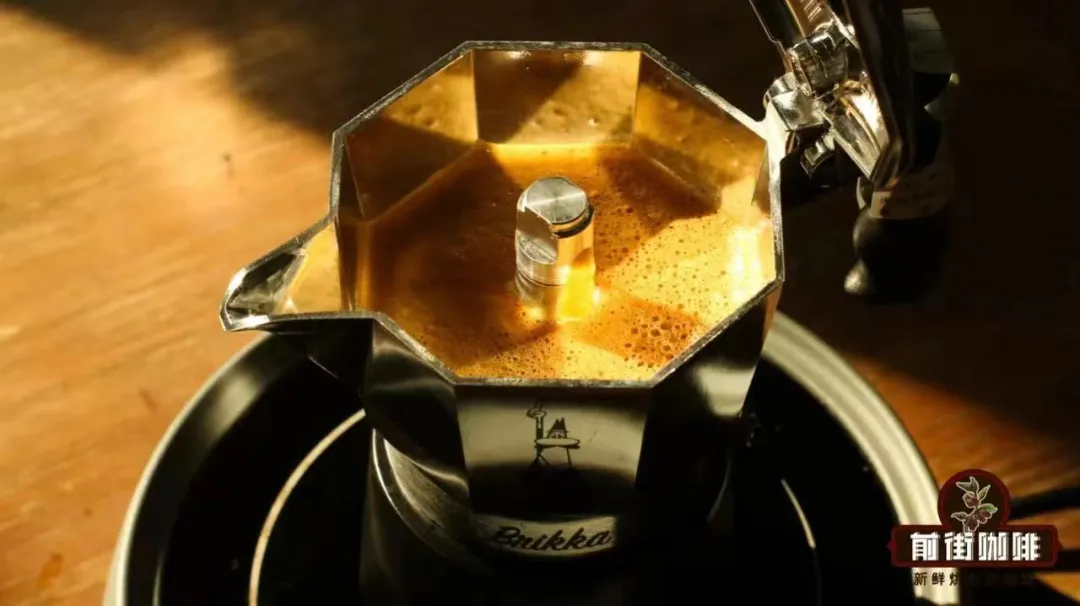
After soaking, wash and dry it, and the oxidation can be reduced (the specific effect still depends on the degree of oxidation).
The above is the cleaning guide for moka pots. Front Street Coffee would like to remind you one last time: after using a moka pot, be sure to remember to clean it, and be sure to dry it, dry it, dry it, to avoid shortening the moka pot's service life~
The above content is compiled by CoffeeHunters, a coffee news website.


