







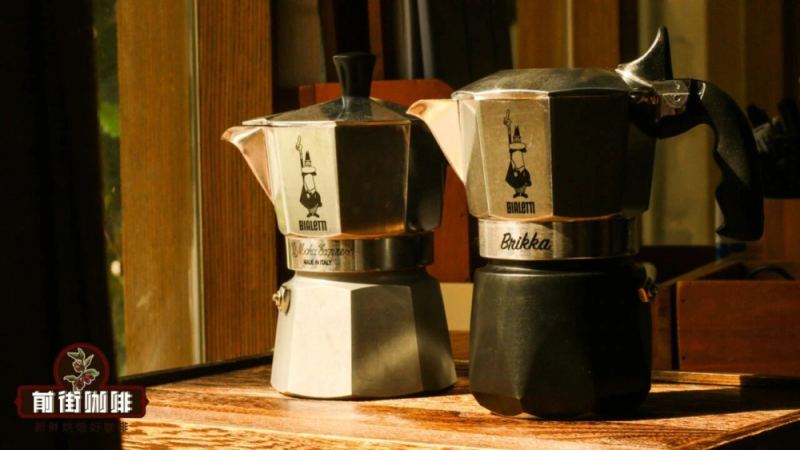
Why Do Moka Pots Turn Black and How Do You Clean Them?
Moka pot blackening is oxidation, not a burn mark, and it usually comes from lingering detergent or chlorine left on the aluminum after brewing. Aluminum bodies react with alkaline dish soap and absorb its smell, which then carries into the coffee. Stainless steel tolerates milder washing, but both materials need the same habit: rinse with plain hot water, dry fully, and never store the pot closed while damp.
Daily care differs by material. Aluminum pots should be rinsed with water only, avoiding dishwasher cycles and abrasive pads, while stainless steel pots handle a mild soap and a soft sponge. For pots that already show spots, a paste of water and a gentle acid such as diluted vinegar or lemon juice, applied briefly and rinsed thoroughly, lifts surface oxidation. Regular gasket checks and dry storage keep the moka pot brewing clean for years.
After long-term use, the body of a moka pot tends to develop localized blackening or spots, most of which is caused by improper cleaning methods. Many people only focus on how to brew coffee with a moka pot, but neglect that cleaning and maintenance are equally important. With proper care, a moka pot can accompany you for many years; with improper care, not only will its lifespan be shortened, but it will also absorb odors and affect the coffee's flavor. Moka pots on the market are mainly divided into aluminum and stainless steel types, and different materials require very different cleaning methods. Aluminum pots require particular attention, as they easily react with alkaline components or chlorine in detergents, leading to corrosion and oxidation, and they will also absorb the smell of dish soap. This article will systematically share the correct daily cleaning steps for moka pots, the differences in care between aluminum and stainless steel pots, and repair techniques for pots whose bodies have already "blackened," helping you extend the life of your beloved pot and keep every cup of moka coffee pure and delicious.
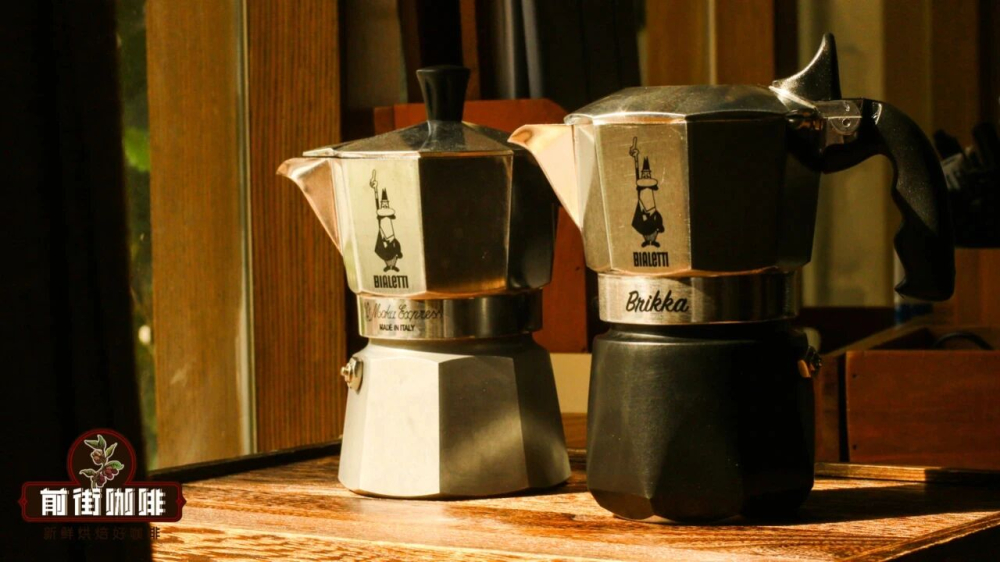
After long-term use, the body of a moka pot easily develops localized blackening and spots due to oxidation. This situation is mostly a lingering aftereffect of improper cleaning after use. From this, Front Street realized that although the usage of a moka pot and coffee extraction are certainly important, cleaning and maintenance also occupy a position that cannot be ignored.
With proper care, one pot can be passed down for three generations—long after the person is gone, the pot still remains. Without proper care, not only will the lifespan of the moka pot be reduced, but the pot body will also absorb odors, which in turn drags down the taste of the coffee.
That said, although maintenance and cleaning are crucial, if you want the coffee brewed with a moka pot to taste good, the core is still choosing the right coffee beans. For this small extraction device, it is best to choose medium-dark roasted beans, such as the Front Street Classic Blend with rich crema and prominent caramel sweetness, or the Front Street Golden Mandheling with a solid mouthfeel and long-lasting sweetness, both of which can fully showcase the charm of strong coffee when used in a moka pot.
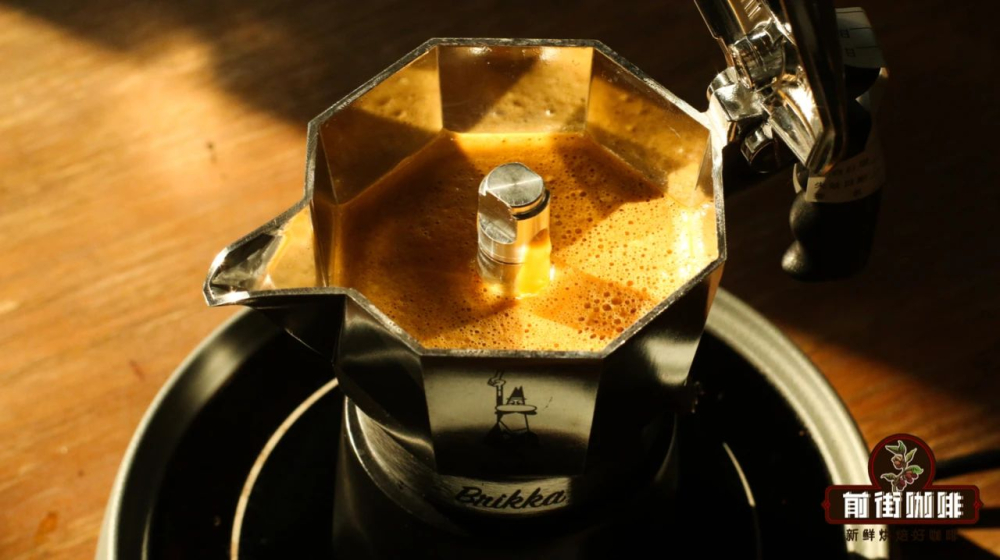
So today Front Street will talk about the correct cleaning and maintenance methods for moka pots, and how to remedy a pot body that has already "blackened." The first thing to discuss is how to clean a moka pot after use.
Daily Cleaning of a Moka Pot
Many friends may think that after using a moka pot, simply rinsing it with dish soap is enough, and there is nothing much to pay attention to. But in reality, it is precisely these two steps that require the most care; a slight oversight may set the moka pot on the path to oxidation.
Currently, moka pots on the market are broadly divided into two categories: aluminum moka pots and stainless steel moka pots, which, as the names suggest, differ in material. Different materials require adjusted cleaning methods as well. Among them, the cleaning of aluminum moka pots especially requires cautious treatment.
Aluminum as a material easily reacts with alkaline components or chlorine in detergents, resulting in corrosion, oxidation, and other "blackening" phenomena. Not only that, aluminum moka pots are highly absorbent and easily retain the smell of detergent, affecting the flavor of coffee brewed afterward.
Therefore, when cleaning an aluminum moka pot, it is best to avoid all kinds of detergents and simply rinse with clean water. Stainless steel moka pots are relatively less troublesome, with stronger corrosion resistance, and can be cleaned with the aid of dish soap and similar products, but when using detergent it is best to avoid the gasket, because dish soap will accelerate the aging of the gasket and lead to poorer sealing.
And whether it is a stainless steel or aluminum moka pot, avoid using abrasive cleaning tools such as steel wool. Otherwise, the surface of the pot body and the coating will be scratched, which not only affects its appearance but also accelerates oxidation.
After cleaning, remember not to rush to reassemble the moka pot. First let the water inside the pot air-dry, and only then reassemble it. Otherwise, it will likewise cause the moka pot to oxidize and turn black.

How to Repair a Moka Pot After It Has "Blackened"
If your moka pot has already oxidized due to improper cleaning, there is actually no need to worry too much. As stated in the moka pot instruction manual, moka pots are made of food-grade aluminum alloy material, and normal oxidation will not cause harm to the human body.
But if you find those spots unsightly, you might try mixing white vinegar or lemon juice with water and soaking the oxidized parts of the moka pot for about one hour.
After soaking, wash it again, then let it dry, and the oxidation can be reduced.
The above is the cleaning guide for moka pots. Front Street would like to remind you one last time: after using a moka pot, be sure to remember to clean it, and be sure to let it dry, dry, dry, to avoid shortening the moka pot's service life.
The above content is compiled by CoffeeHunters, a coffee news website.


