







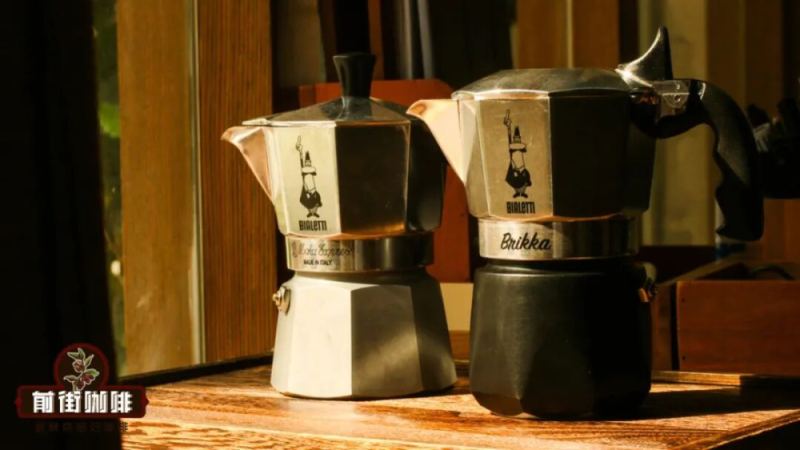
How do you clean and maintain a Moka pot properly?
A Moka pot that turns black usually shows oxidation spots caused by improper cleaning after use. Correct care by material keeps the pot working for years, while careless handling shortens its lifespan and lets it absorb odors that affect coffee flavor. Medium-to-dark roasted beans suit the pressure-based brewing a Moka pot provides.
Disassemble and wash the gasket and filter screen separately, then dry each part before reassembling. Repair an already oxidized body rather than scrubbing it aggressively. For a coffee with rich crema, a medium-to-dark blend carrying caramel, dark chocolate, and roasted hazelnut notes pairs well with the strong, full-bodied output.
Many coffee enthusiasts are no strangers to using a Moka pot and mastering its brewing techniques, yet how to properly clean and maintain it afterward is often overlooked. Although Front Street Coffee has shared a great deal of Moka pot-related content, it has never systematically addressed the cleaning issue, which is why messages keep flooding into the backend asking for help with a pot body that has "turned black." What is called "blackening" is actually spots caused by oxidation, mostly triggered by improper cleaning. With proper care, a Moka pot can stay with you for many years; with improper care, not only is its lifespan shortened, but it will also absorb odors that affect the coffee's flavor. This article will explain cleaning key points by material, teach you how to disassemble and wash the gasket and filter screen, how to repair an already oxidized pot body, and also recommend Front Street Coffee beans suitable for Moka pots.
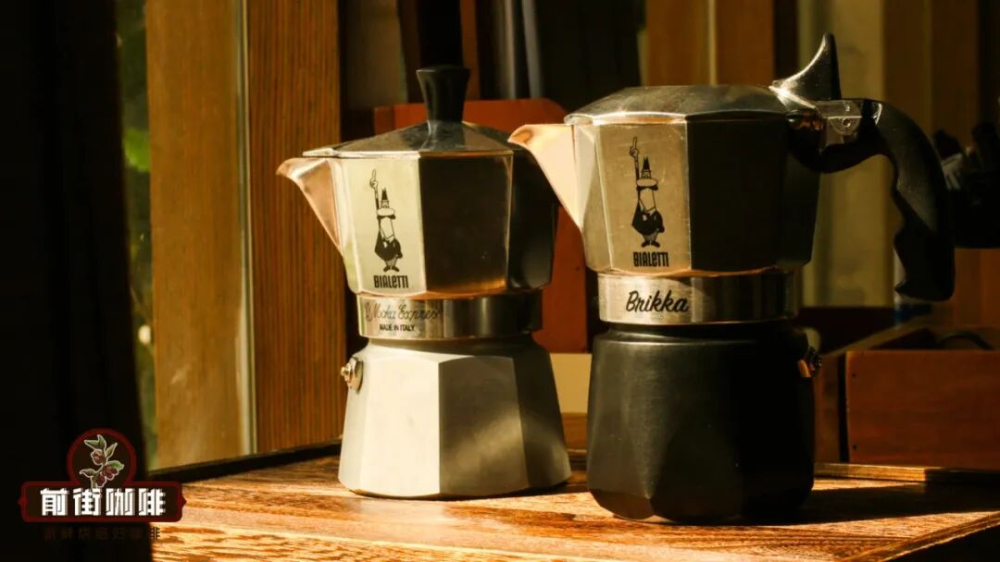
Front Street Coffee has written quite a few Moka pot brewing tutorials and operating tips, but thinking back carefully, it seems we have never specifically discussed the cleaning and maintenance issues after use. As a result, friends keep coming to the backend asking the same perplexing question: how did my Moka pot "turn black"?
The "blackening" mentioned here refers to some part of the pot body becoming darkened and developing spots due to oxidation. Tracing it back to the source, it is basically all caused by improper cleaning methods after using the Moka pot. This also made Front Street realize that while brewing with a Moka pot is certainly key, cleaning and maintenance are equally not to be taken lightly.
With proper maintenance, one pot can accompany you for many years; with careless maintenance, not only will the pot's lifespan be reduced, but the pot body will also absorb off-flavors, thereby dragging down the coffee's taste performance.
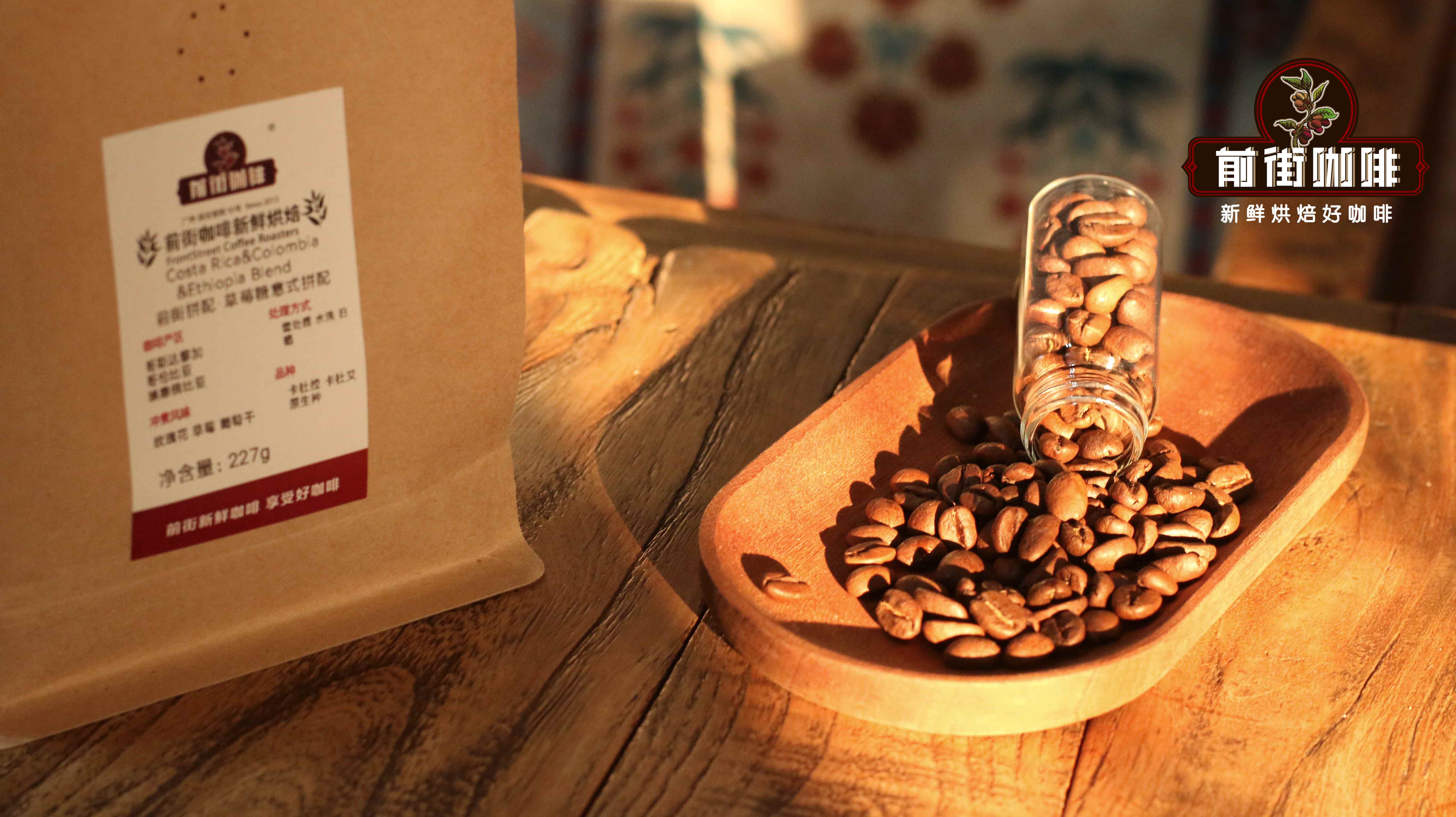
First, let's address a question people often ask: what kind of coffee beans are suitable for a Moka pot? A Moka pot, like an espresso machine, belongs to pressure-enhanced extraction, and the coffee it makes is strong, full-bodied, and impactful, so medium-to-dark roasted beans are most suitable. If you prefer Moka pot coffee with rich crema, you can choose Front Street. Commercial Blend, whose caramel, dark chocolate, and roasted hazelnut notes match very well;
If you want to make a fruit-forward style Moka pot espresso, you can try Front Street Strawberry Candy espresso coffee beans, which can be ordered directly from the Taobao or Tmall store. This bean blends together Front Street Costa Rica Tarrazu, known for its honey processing, Ethiopia, the birthplace of coffee, and Colombia, three origins combined. The espresso extracted has low pungency, a good crema state, a dense texture, and at the same time carries a strawberry gummy-like sweet-and-sour flavor.
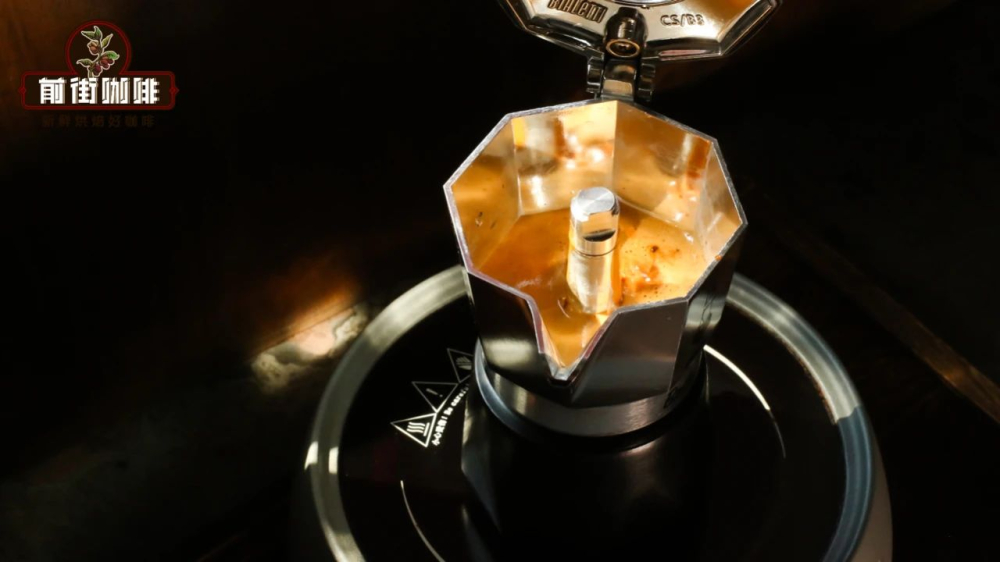
Next, Front Street will specifically explain the cleaning and maintenance methods for Moka pots, as well as how to deal with a pot that has already "turned black." First, let's start with the cleaning steps after use.
Daily cleaning of a Moka pot
Many friends think that after using a Moka pot, just rinsing it with dish soap is enough, with nothing special to pay attention to. But it is exactly these two steps that are most prone to problems, and a moment of carelessness can set the pot body on the path to oxidation.
Currently, Moka pots on the market are roughly divided into two types by material: aluminum and stainless steel. Different materials require different cleaning approaches, and aluminum Moka pots especially need extra care.
Aluminum, as a metal, easily reacts with the alkaline components or chlorine in cleaning agents, leading to corrosion, oxidation, and other "blackening" phenomena. Moreover, aluminum Moka pots are highly absorbent, so the smell of cleaning agents easily remains, affecting the taste of coffee brewed afterward.
Therefore, when cleaning an aluminum Moka pot, it is best not to use any detergent at all; rinsing with clean water is enough. Stainless steel Moka pots are relatively less troublesome, with stronger corrosion resistance, and can be cleaned with the help of dish soap and similar aids, but be careful to avoid the gasket, because dish soap will accelerate the aging of the gasket and cause its sealing performance to deteriorate.
Regardless of the material of the Moka pot, it must be kept away from abrasive cleaning tools such as steel wool. Otherwise, the pot body surface and coating will be scratched, which not only affects its appearance but also accelerates the oxidation process.

After cleaning, remember not to reassemble the pot immediately. You should first let the residual moisture inside the pot air-dry, and then reassemble it; otherwise, it will likewise cause oxidation and blackening.
Disassembling the Moka pot gasket
Earlier we mentioned avoiding the gasket when using dish soap, and here Front Street will elaborate a bit more. Many friends think a Moka pot has only three parts: the upper chamber, the filter basket, and the water chamber, and when cleaning they only rinse these three places, leaving out the gasket and filter screen.
In fact, the gasket and filter screen are exactly the places that need the most attention. Coffee liquid and coffee grounds accumulate in large amounts at the gasket and filter screen, and it is very difficult to completely remove the grime by rinsing alone, so they must be taken apart and the interior cleaned.
That's right, they can be disassembled, and the operation is very simple. Just find any tool (never use a sharp object), press against the inner ring of the gasket, pry up one corner, and then remove it by hand.
The gasket is the key component that secures the filter screen. Once the gasket is removed, the filter screen will also fall out, and at this point you can rinse and clean them as well as the interior of the Moka pot.
When preparing to put them back after cleaning, be sure to confirm that the concave side of the filter screen faces inward and the convex side faces outward; otherwise, the Moka pot will leak after assembly.
As for the gasket, like the gasket on a coffee machine, it is a consumable. As the number of uses increases, it will gradually wear out until it loses its sealing function. At that point, you need to buy a new one online or through offline channels to replace it. Usually one gasket can last about a year, depending on frequency of use. In daily use, you can pay more attention to the sealing condition, and once leakage occurs, it should be replaced promptly.
How to repair a Moka pot after "blackening"
If your Moka pot has already oxidized due to improper cleaning, there is no need to worry too much. As the Moka pot manual says, the pot body is made of food-grade aluminum alloy material, and normal oxidation will not harm human health.
But if those spots make you uncomfortable to look at, you can try mixing white vinegar or lemon juice with water and soaking the oxidized areas for about an hour.
After soaking, wash it once more, then air-dry it, and the traces of oxidation can be reduced. The above is the cleaning guide for Moka pots. Front Street will add one final reminder: after using a Moka pot, never forget to clean it, and be sure to air-dry, air-dry, air-dry, so as to extend its service life.
The above content is compiled by CoffeeHunters, a coffee news website.


