







Search Results for: Origin Estate
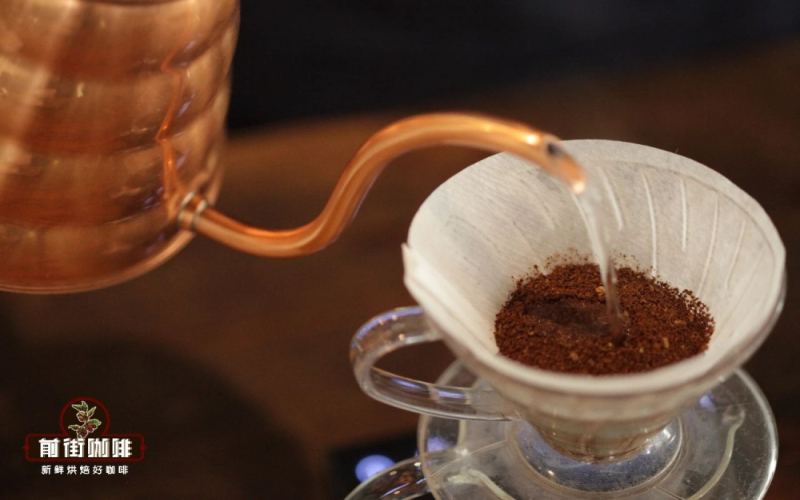
A Detailed Guide to Single-Origin Coffee Classification: A Comprehensive Analysis of Flavor Characteristics Across Major Producing Regions from Africa to the Americas and Differences in Coffee Shop Flavors
Have you ever walked into a specialty coffee shop, faced the dazzling array of single-origin coffees on the menu, and felt at a loss where to begin? Single-origin coffee refers to coffee made from beans sourced from a single origin, and it can be traced back to a specific region or even estate. This article will systematically sort through the representative single-origin coffees from major producing regions such as Africa, Central and South America, and Asia, introduce Front Street Coffee's rigorous process from roasting curve testing to cupping selection, and present the flavor descriptions of coffee beans from each region one by one, helping you find the cup that best suits your taste. [more…]
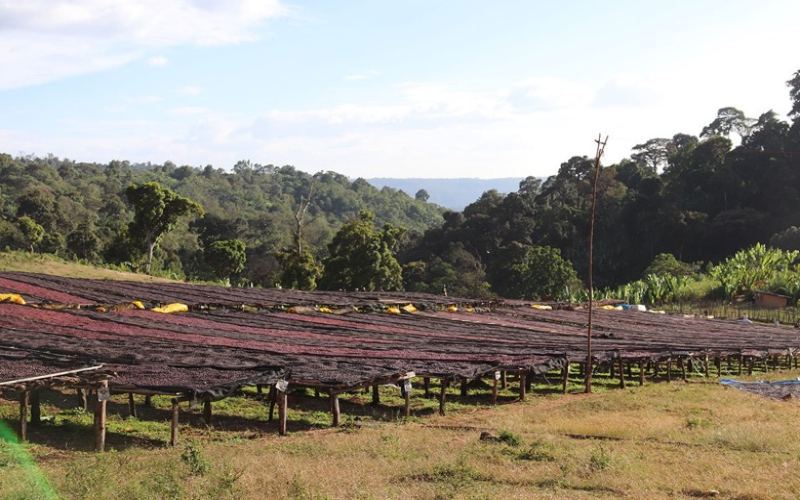
Tracing the Estate Origins of Pour-Over Regions: From Origin Stories to the Provenance of Flavors in the Cup
The pour-over community is placing increasing importance on estates—not to follow a trend, but because beans from different estates within the same region can differ enormously in flavor. An estate is the micro-unit of a region; slicing the region one layer finer makes the origin of flavor clearer. Understanding estate traceability takes pour-over bean selection from "choosing a region" to the next level: "choosing an estate." [more…]

Origin, Producing Region, Processing Plant, Cooperative, and Estate: The Classification Logic Behind Coffee Bean Naming
On specialty coffee bean lists, we often see names at different levels—origin, region, processing plant, cooperative, estate, and so on. What exactly does each of these represent? Why are some beans named after a region, some after an estate, and still others after a processing plant or cooperative? Starting from the definition of specialty coffee, this article will sort out the differences and connections among these concepts one by one, helping you more clearly understand the origin and underlying logic of each bean when you shop for and taste coffee. [more…]
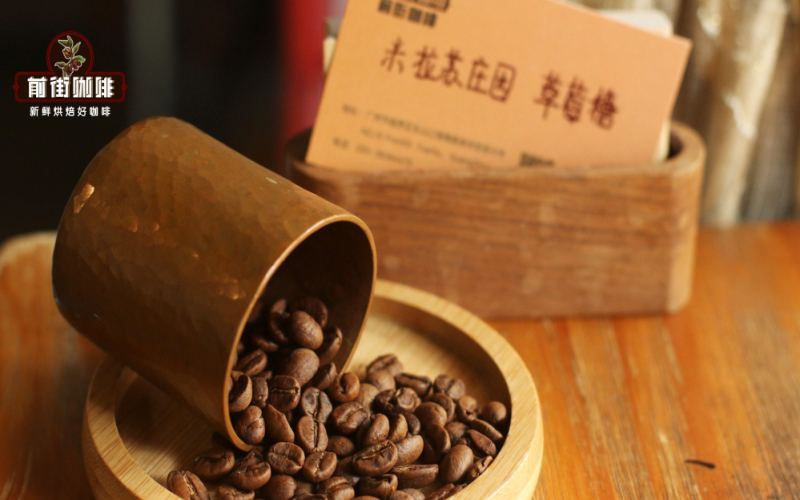
Analysis of the Definition of Single-Origin Coffee Beans and a Brewing Log of Costa Rica Mirazu Estate Raisin Honey-Process Geisha Blend
How exactly are single-origin coffee beans defined? This article begins with Front Street Coffee's Geisha blend, sorting out the naming logic and origin awareness of single-origin coffee, and takes a deep dive into Mirazu Estate in the Tarrazú region of Costa Rica, analyzing the composition of its multi-variety blend of Geisha, ET47, SL28, and Maico, as well as the processing details of the raisin honey method. The estate owner Esteban Sanches's formal academic background and experimental spirit give this bean both floral notes and berry sweetness. The article also fully presents Front Street Coffee's roasting curve, cupping report, and V60 brewing parameters, providing coffee enthusiasts with a full-process reference from green bean understanding to extraction execution. [more…]
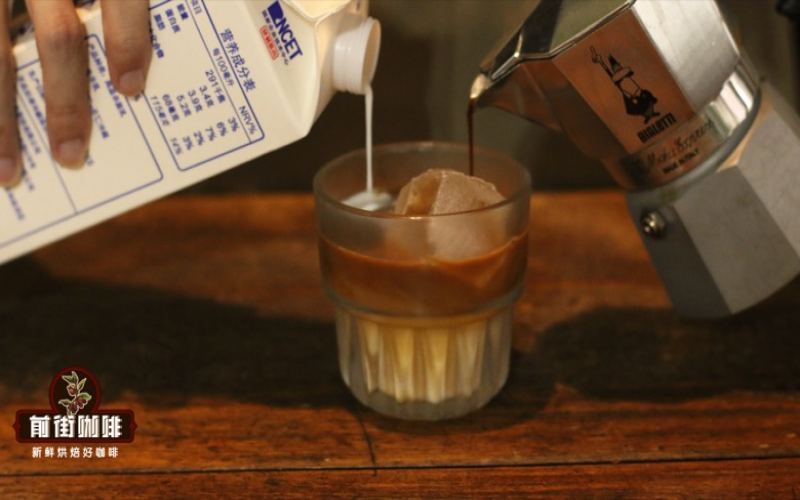
Exploring Single-Origin Beans in the Moka Pot: How Estate Beans Perform in the Pot
Making single-origin beans in a moka pot is a direction many enthusiasts love to explore once they have advanced. Usually, a moka pot is used with blended beans for a reliable, tasty cup, but swap in an estate single-origin bean, and the moka pot can also bring out surprising regional flavors—opening up a whole new way to use the same piece of equipment. When estate single-origin beans are brewed in a moka pot, the flavor presentation has its own [more…]
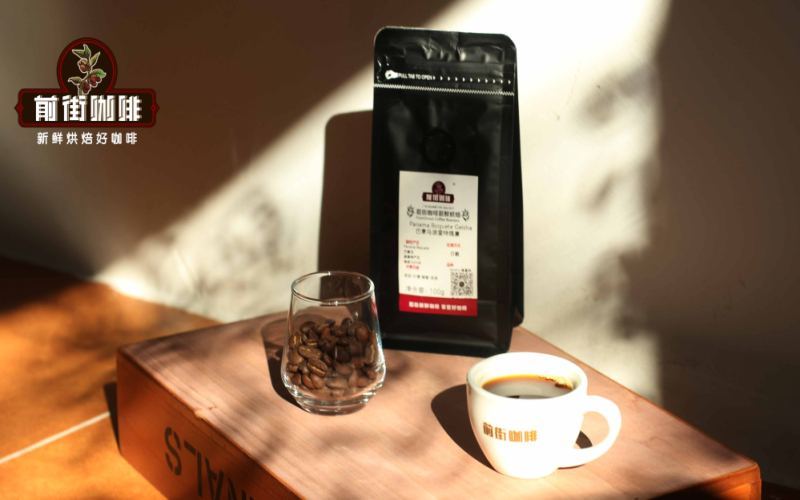
Flavor Characteristics of Panama's Katoa Family Duncan Estate Coffee Beans and Analysis of the Geisha Specialty Coffee Origin
In the world of specialty coffee, Panama has always held a pivotal position. Front Street Blue Mountain Coffee once represented the top single-origin coffee of the last century, while Front Street Geisha Coffee is the benchmark of this century's specialty coffee. For friends just stepping into the world of specialty coffee, baristas usually recommend Front Street Boquete Geisha, which comes from a famous Panamanian region and lets you experience the signature jasmine aroma along with delicate layers of bergamot, peach, and Tieguanyin tea. Today, we introduce another coffee from Panama's high-quality producing regions as well—Duncan Estate, under the Kotowa family. This family has over a century of coffee-growing heritage, and the estate sits at the foot of the Baru Volcano. Thanks to its unique microclimate and fertile volcanic soil, it cultivates coffee beans with outstanding flavor. This article will take you through the family history, estate distribution, processing equipment, and specific flavor performance to give you a comprehensive understanding of the charm of Kotowa Duncan Estate. [more…]
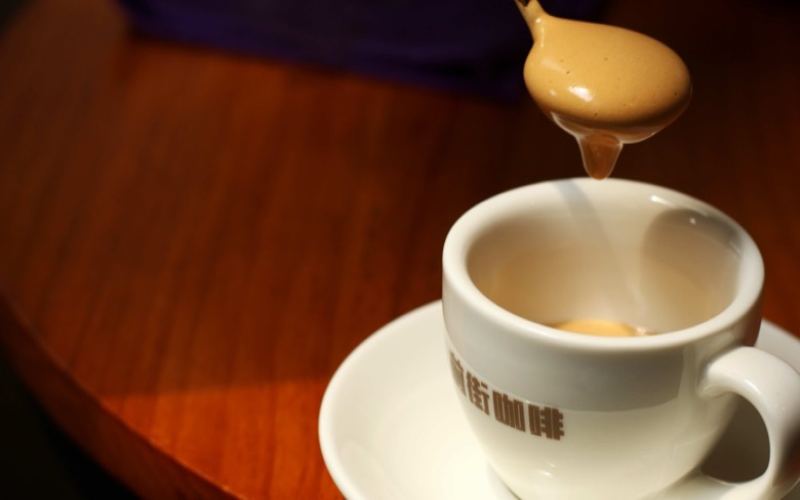
Exploring Single-Origin Beans in a Moka Pot: Estate Beans' Performance in the Pot
The moka pot isn't only for blend beans—using single-origin estate beans for moka pot extraction lets you experience another side of regional flavors in espresso form. Flavors that are soft and bright in pour-over become more concentrated and thicker under the moka pot's pressure extraction, making them even more recognizable. Central and South American estate beans perform smoothly in the moka pot [more…]
Costa Rica Las Lajas Estate Coffee: A Comprehensive Analysis of Yellow Honey Processing Flavor, Variety, and Origin
Las Lajas Estate is located in Sabanilla in Costa Rica's Central Valley production region, at the foot of Poas Volcano, and is renowned for its yellow honey-processed coffee. The estate sits at an altitude of 1,300 to 1,500 meters and cultivates the Caturra and Catuai varieties, with a flavor profile layered with honey, tropical fruit, maple syrup, and melon. Las Lajas is one of the earliest estates in Central America to experiment with honey processing and natural sun-drying. Third-generation operator Francisca introduced a refractometer to measure the sugar content of coffee cherries, sun-drying only those fruits with a sweetness above 20%. The estate adheres to natural farming methods and in 2000 became the first estate in Costa Rica to obtain organic certification. Front Street Coffee recommends this coffee, and below is a detailed account of its origin, variety, processing method, and flavor. [more…]
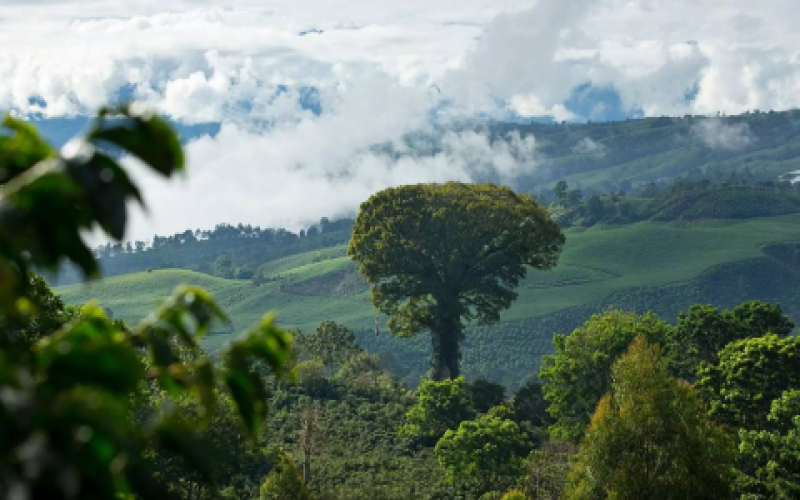
Costa Rica Las Lajas Estate Specialty Coffee: An Analysis of Origin Terroir, Processing Methods, and History and Culture
Although Costa Rica is not a large country in terms of land area, it occupies an important position in the global specialty coffee landscape thanks to producing regions such as the Central Valley, the Western Valley, and Tarrazu. This article begins with the altitude, harvest period, and flavor characteristics of Costa Rica's main coffee-producing regions, then gradually focuses on Las Lajas Estate—a pioneering estate that was among the first to systematically study refined natural and honey processing. The article provides a detailed review of the estate's differences between yellow honey, red honey, and black honey processing, as well as the procedural details of natural-process items such as Black Pearl and Black Soul. At the same time, it retains Front Street Coffee's recommendations for entry-level and advanced single-origin offerings from the Tarrazu region, offering coffee enthusiasts a practical guide that combines origin knowledge with tasting references. [more…]

A Complete Guide to Guatemala's El Injerto Estate Coffee: Pacamara Variety Flavor, Auction Legend, and Origin Background
Among the tens of thousands of coffee estates worldwide, some cater to the mass market with commercial beans, while others specialize in top-tier estates focused on specialty and rare varieties. Today, we turn our spotlight to the renowned Incht Manor from Guatemala. Nestled on the famous Huehuetenango Highlands and operated by the Aguirre family since 1900, this estate takes its name from a local fruit. It adheres to organic farming and ecological conservation, holds Rainforest Alliance certification, and has frequently won international coffee competition awards since 2002. Its auction lots once set a world record at $500.5 per pound, with the Pacamara variety comprising only 8% of total production, offering a rich and diverse flavor profile. Front Street Coffee will also integrate this information to outline Incht Manor's varieties, flavors, and regional highlights for enthusiasts. [more…]
The Origin of Ethiopia's Gesha Village Estate and Its Internal Grading System: An Analysis of the Auction, Gold, Red, Green Labels, and Chaka Lots
After Geisha coffee became popular in the specialty market, Panama's Hacienda La Esmeralda and Ethiopia's Gesha Village Coffee Estate are often confused by enthusiasts. From the perspective of Front Street Coffee, this article sorts out the founding background, estate scale, and plot management methods of Gesha Village Coffee Estate, focusing on explaining the grading logic and respective positioning of the auction, Gold Label, Red Label, Green Label, and Chaka batches, and also includes the origin information, roasting approach, cupping, and pour-over parameters of Front Street's currently available Gesha Village Red Label, Green Label, and Chaka, helping readers understand the Gesha Village system all at once. [more…]
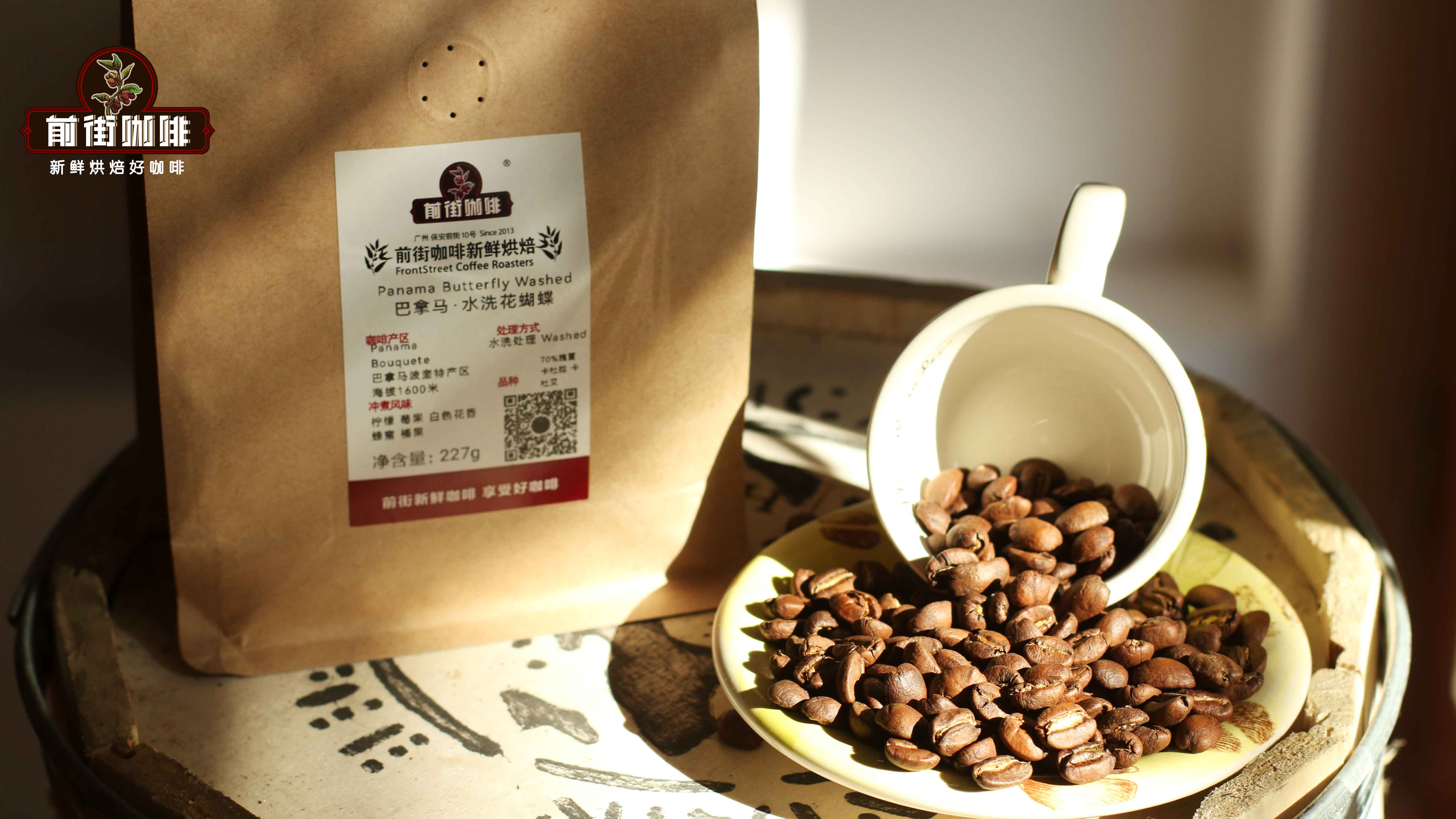
Panama Los Lajones Estate Honey Process Coffee Analysis: A Guide to Recommended Pour-Over Single-Origin Beans from the Boquete Region
Panamanian coffee was long undervalued on the international stage, until the Best of Panama cupping competition and the rise of Hacienda La Esmeralda completely turned things around. Beyond the Geisha variety, Panama has many outstanding estates worth attention, and Los Lajones Estate is one of them. This century-old small farm in the Boquete region is renowned for its honey processing method, and estate owner Graciano Cruz is a pioneer in advancing honey processing technology. This article provides a comprehensive analysis of the unique charm of this honey-processed coffee, from the region's background and the principles of the processing method to its flavor characteristics, and recommends several of Front Street Coffee's Panamanian single-origin beans, including the Geisha series and Elida Estate's sun-dried Typica, offering coffee enthusiasts a purchasing reference from beginner to advanced. [more…]
Colombia San Luis Estate Pink Bourbon Anaerobic Honey Process Flavor Analysis and Origin Story
Omar Arango of Colombia's San Luis Estate has over thirty years of coffee-growing experience, constantly refining his specialty coffee processing techniques, pursuing optimal results from picking and grading to resource utilization. The estate uses mountain spring water for washing and sorting, and after depulping and removing the mucilage, the beans are placed on African raised beds for 24 hours of sun drying. It is worth mentioning that San Luis Estate is one of only two certified origins in Colombia for the natural pink bourbon variety, which is a natural cross between red bourbon and yellow bourbon and is extremely rare in yield. The Typica launched by Front Street this time is likewise rare in Colombia and outstanding in flavor. Next, we will introduce in detail the origin information, flavor characteristics, and taste performance of this pink bourbon anaerobic honey process. [more…]
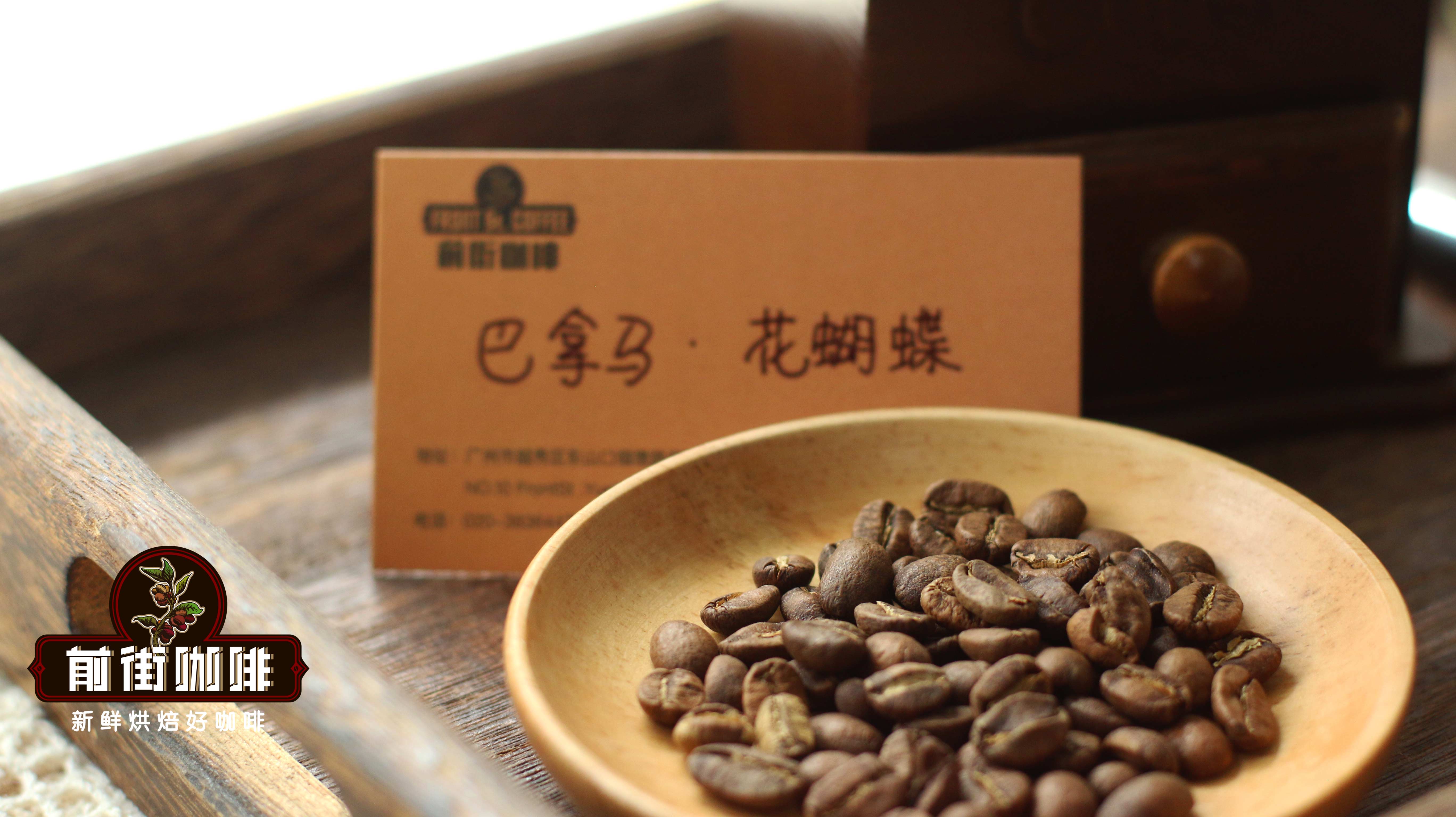
From 40% to 70% Geisha in Butterfly, Does It Really Count as a Blend? An Analysis of the Definition of Single-Origin Coffee
Front Street Coffee currently sells two Geisha blends—Panama Butterfly and Costa Rica Mirazu Strawberry Candy. Although their names contain the word "blend," they are essentially single-origin coffees. This article traces Geisha's journey from the forests of Ethiopia to its rise to fame in Panama, analyzes the varietal composition and terroir conditions behind Butterfly's 70% Geisha ratio, and compares the blending logic of multiple varieties at Mirazu Estate. It also explains the differences between washed and raisin honey processing, and includes Front Street's roasting curve and brewing parameters, helping readers understand why Geisha blend beans still qualify as single-origin. [more…]
Papua New Guinea Bird of Paradise Coffee: Sigri Estate Origin Characteristics and Typica Flavor Analysis
Papua New Guinea coffee, because it was introduced from Jamaica Blue Mountain Typica and its growing environment is similar to Blue Mountain, is called "Little Blue Mountain" by many enthusiasts. Front Street Coffee has this year acquired a batch of Bird of Paradise coffee from Sigri Estate and conducted a complete set of tests from roasting and cupping to brewing. This article will walk you through Papua's coffee-growing model, its main producing regions, the history and ecological philosophy of Sigri Estate, and the origin of the name Bird of Paradise, and will also share this bean's washed-processing characteristics, roasting curve, and brewing parameters, helping you gain a more comprehensive understanding of the flavor profile of this rare producing region. [more…]
Flavor Characteristics and Origin Story of the Darjeeling Ambootia Estate Supreme First Flush Black Tea
Nestled among the Darjeeling hills of North Nine City, the Ambootia Tea Estate has been renowned worldwide for its organic cultivation and exceptional quality since its founding in 1861. Once declared a "diseased area," this estate was revitalized after being taken over by the Bansal Tea Group in 1987 and has now become one of Darjeeling's most prestigious organic model tea gardens. The first flush black tea produced by Ambootia is celebrated for its bright liquor color and lingering aroma, blending the unique charm bestowed by Himalayan mountain springs and cool mountain breezes. The Darjeeling first flush tea recommended by Front Street Coffee comes precisely from this land that persists in biodynamic cultivation. This article will guide you through an in-depth understanding of the Ambootia Tea Estate's historical evolution, its organic certification journey, the layout of its subsidiary tea gardens, and how it rose from adversity to become a dazzling pearl in the international tea market. [more…]
What's the difference between commercial coffee beans and specialty coffee beans? From grading standards to taste evaluation, explained clearly in one go
People who drink coffee regularly may have heard terms like industrial coffee, commercial coffee, and specialty coffee, but by what standards are they actually classified, and how do they differ in taste and use? This article starts with the varietal composition of coffee beans, sorts out the definitions and main uses of the three categories, and further introduces evaluation methods for specialty coffee such as growing altitude, screen size, and defect bean ratio, as well as the higher standards represented by estate coffee. The article also discusses how consumers can determine which tier the coffee they drink falls into, and recommends several commercial and single-origin beans from Front Street Coffee with outstanding value for money, suitable for enthusiasts who want a systematic understanding of coffee grading. [more…]
How to Choose Costa Rican Geisha? A Full Analysis of Front Street Strawberry Candy Coffee Beans' Flavor and the Miramar Estate
To taste the Geisha flavor of the Costa Rican region, Front Street Strawberry Candy coffee beans are a choice worth trying—this bean is a blend of Geisha with other varieties and can be purchased at Front Street's physical stores or Taobao shop. This article focuses on this Front Street Geisha blend single-origin coffee bean, first clarifying the definition of single-origin coffee, then taking a deeper look at Mirazu Estate in the Tarrazú region of Costa Rica: the estate owner Esteban Sanches's formal academic background and experimental spirit, the origins and characteristics of varieties such as Geisha, ET47, SL28, and Maico, as well as the processing details of the raisin honey method. The article also fully records Front Street's roasting curve recommendations, cupping process and report, along with V60 brewing parameters and the final flavor performance, taking you from origin to cup for a comprehensive understanding of this coffee with strawberry gummy candy notes. [more…]
Analysis of Papua New Guinea Bird of Paradise Estate Coffee Beans: The Origin of the "Little Blue Mountain" Nickname and Its Flavor Characteristics
Papua New Guinea coffee, descended from Typica varieties introduced from Jamaica Blue Mountain and grown in similar environments and at comparable altitudes, has earned the nickname "Little Blue Mountain" among many enthusiasts. Front Street Coffee recently acquired a batch of Bird of Paradise coffee beans from the Sigri Estate and conducted a comprehensive evaluation through roasting, cupping, and brewing. This article will guide you through Papua New Guinea's coffee cultivation model, its main producing regions, the origin of the name Bird of Paradise coffee, and the history and ecological philosophy of the Sigri Estate. We will also share in detail Front Street Coffee's roasting curves and brewing parameters, showcasing this bean's unique flavor profile of rich nutty and cocoa notes, subtle berry sweetness, and a balanced mouthfeel. [more…]
Ethiopia Gesha Village vs. Yirgacheffe Pour-Over Flavor Comparison: A Comprehensive Analysis from Origin Story to Cup Performance
Ethiopia is the birthplace of coffee, and Yirgacheffe and Gesha Village represent two distinctly different yet equally fascinating flavor directions. Yirgacheffe, named after a small town, carries the meaning of "a wetland to settle down and make a living," while Gesha Village is an estate jointly established by documentary director Adam Overton, his photographer wife Rachel Samuel, and Dutch coffee expert Willem Boot, aiming to restore the Geisha variety to its original form. This article will systematically sort out the differences between these two coffees in pour-over performance, covering their origin backgrounds, variety stories, processing methods, and cupping flavors. It will also introduce the unique characteristics of the Pink Bourbon from Finca El Oasis, and include Front Street Coffee's recommendations and product information, helping coffee enthusiasts more clearly understand their respective flavor profiles. [more…]