







Search Results for: Olive Tree Estate
Flavor Analysis and Pour-Over Recommendations for El Salvador Olive Tree Estate Washed Kenya SL28 Coffee Beans
Front Street Coffee has recently added a Kenyan SL28 washed bean from El Salvador's Olive Tree Estate, a bean closely linked to the 2017 WBC champion bean. Olive Tree Estate is located near a volcanic national park, at an altitude of 1,800 to 1,950 meters, with fertile volcanic soil and a rich ecological shade system, and has obtained organic and Rainforest Alliance certifications. The SL28 variety is known for its excellent sweetness, balance, and citrus and smoked plum notes. This article will introduce the estate's background, variety characteristics, washed processing flow, roasting curve analysis, and cupping flavor performance, along with Front Street's recommended pour-over parameters for coffee lovers' reference. [more…]

Shenzhen Yeshengshan's thousand-yuan olive juice sparks heated discussion, Heytea becomes largest shareholder after investing
In the cold winter, a cup of hot milk tea always brings a bit of warmth. Prices for drinks on the market range from under ten yuan at Mixue Bingcheng to thirty or forty yuan at Nayuki and Heytea, with most still within what consumers can afford. However, recently a thousand-yuan drink has drawn attention on Weibo's trending topics—an olive juice launched by the Shenzhen milk tea brand Yecuishan, priced as high as 1,000 yuan. This drink uses the rare Chaoshan variety Jinyu Sannian olive, with the raw material costing about 800 yuan per jin on the market, and production taking nearly 3 hours. At the same time, Heytea has taken a stake in Yecuishan, holding 60% to become the largest shareholder, and the brand currently has more than 30 stores. [more…]
A Central American Specialty Pick: Variety Characteristics and Flavor Tasting of El Salvador's Los Rentas Estate Coffee Beans
El Salvador, as an important coffee-producing country in Central America, nurtures many outstanding Strictly Hard Beans thanks to its unique rainforest climate conditions. Los Naranjos Estate, located in the country's high-altitude region, is one of the most representative specialty origins. This article will systematically introduce the flavor characteristics of this Arabica blend—from variety, origin location, and altitude conditions to actual tasting experience—including its smooth texture on entry, bright fruity acidity, and highly recognizable wild olive aroma. At the same time, Front Street Coffee will also draw on the characteristics of this bean to provide reference directions for daily brewing and bean selection, helping coffee enthusiasts gain a more comprehensive understanding of the charm of El Salvador's producing region. [more…]
Starbucks Olive Oil Coffee Launched Three Days Ago: Why Do Italian Consumers Call It Greasy and Unacceptable?
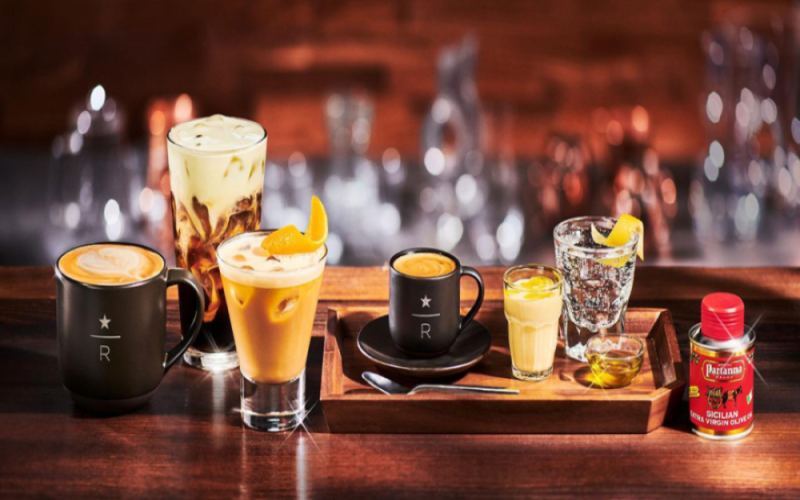
Starbucks launched its Oleato olive oil coffee line on February 22, combining extra virgin olive oil with coffee, inspired by CEO Howard Schultz's travels in Sicily. The new products debuted in Italy and include an olive oil latte, an iced shaken espresso, and a foamy cold brew, priced from $4.8 to $6.9. Yet just three days after launch, Italian consumers complained that the drinks were too greasy and that the oil and coffee were hard to blend in the cold beverages. The deputy manager of the Starbucks Milan Roastery explained that the move was intended to fuse Italy's tradition of drinking oil before a meal with coffee after a meal, creating a multisensory experience. This article walks you through the product details and the market reaction. [more…]
Starbucks Olive Oil Coffee Oleato Lands in Italy: The Extra Virgin Olive Oil Straight-Shot Trend and Cardiovascular Benefits
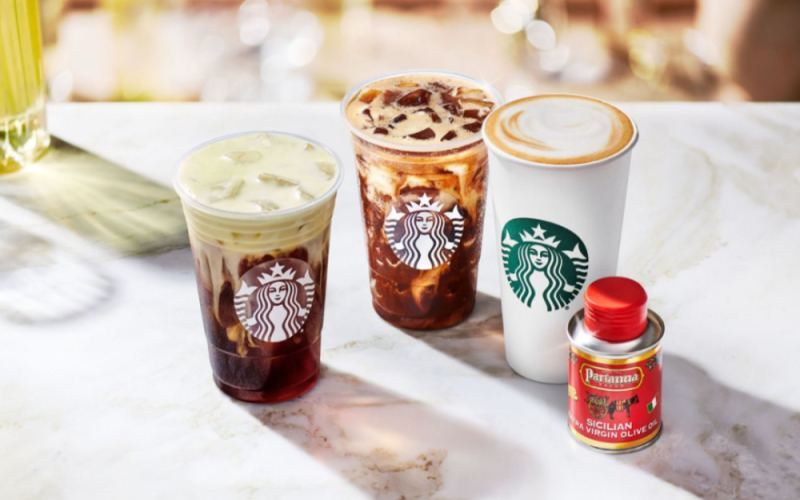
The coffee industry never stops innovating, yet products that truly break the mold are few and far between. Starbucks recently announced the launch of its Oleato line in Italy, blending Partanna extra virgin olive oil with coffee—a bold move inspired by Howard Schultz's travels in Italy. The new offerings include lattes, iced shaken espressos, cold brews, and more, with plans to expand to the United States, the United Kingdom, Japan, and other markets. Adding olive oil to coffee not only upends traditional flavor profiles but also draws attention for the potential cardiovascular benefits of consuming extra virgin olive oil directly. This article explores the story and market logic behind this innovation. [more…]

Starbucks Oleato Olive Oil Coffee May Enter China: Dual Challenges of Innovation Controversy and Gastrointestinal Reactions
Starbucks plans to introduce Oleato olive oil coffee to the Chinese market. This innovative beverage, strongly promoted by former CEO Howard Schultz, has successively landed in the United States and Japan since its debut in Italy in February this year. However, consumer feedback has not been optimistic, with complaints frequently arising over the greasy mouthfeel caused by olive oil congealing when cold and diarrhea after drinking. Nutritionists point out that the double stimulation of caffeine and olive oil can easily trigger gastrointestinal discomfort. Despite the ongoing controversy, Starbucks remains committed to global promotion. This article will sort out the background of Oleato's birth, its market performance, and its prospects for entering China. [more…]
What's the difference between Starbucks olive oil coffee and bulletproof coffee? Nutritionists warn: ordinary people shouldn't drink extra virgin olive oil straight
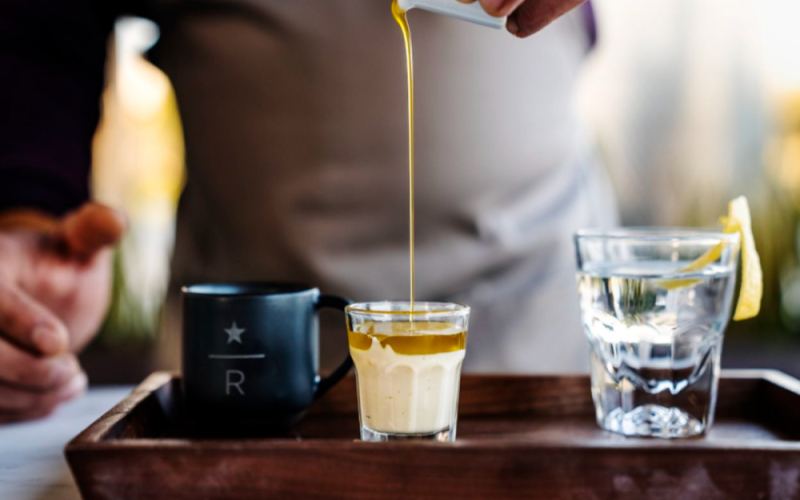
Starbucks' launch of olive oil coffee has sparked quite a bit of discussion, with some people conflating it with bulletproof coffee, but the two are actually fundamentally different. Nutritionists point out that extra virgin olive oil is not suitable for ordinary people to drink directly, and those with sensitive stomachs especially need to be cautious. This article will analyze the differences between olive oil coffee and bulletproof coffee from a professional perspective, and share the actual experiences of coffee enthusiasts. Follow Coffee Workshop (WeChat public account cafe_style) for more professional coffee knowledge. For specialty coffee beans, add Front Street Coffee's private WeChat qjcoffeex to learn more. [more…]
Starbucks Olive Oil Coffee Enters China a Year Late, Oleato Series Launches Amid Controversy
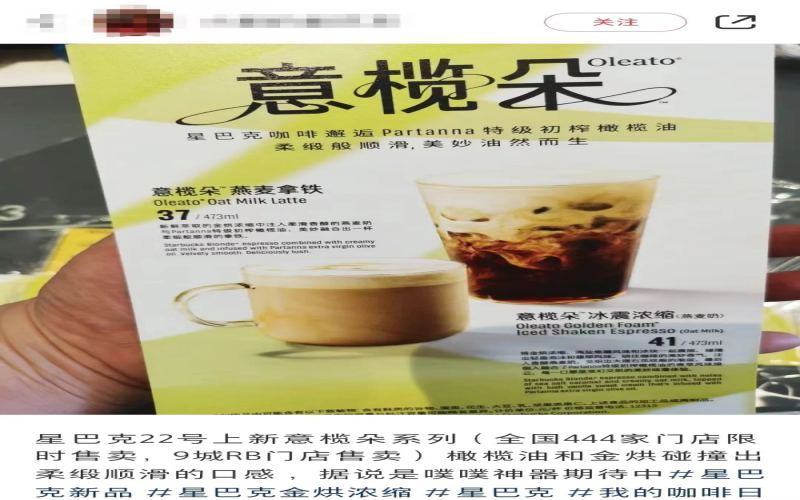
Starbucks recently announced that it will launch the Olive Oil series in selected stores nationwide, including two olive oil coffee beverages. This series is actually Oleato, which was introduced to China a year late—a "groundbreaking" creation once strongly promoted by former Starbucks CEO Howard Schultz. From Dongpo pork latte to olive oil coffee, Starbucks has launched frequent new products this year but has also sparked continuous controversy. Some people have placed olive oil coffee on the "dark coffee" list, while others have been conquered by its peculiar taste, and even more consumers have become fans due to its laxative effect. This discussion about coffee innovation reflects the various dilemmas Starbucks faces in product development and localization strategies. [more…]
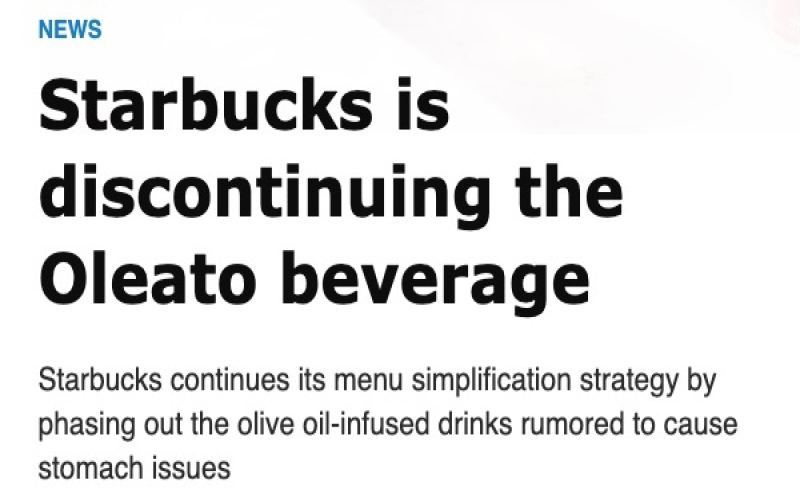
Starbucks will permanently discontinue its Oleato olive oil coffee line in North America, with the Chinese market temporarily unaffected
Starbucks has announced that it will permanently remove the Oleato olive oil coffee line from its core North American menu starting November 7, less than a year after the product first debuted. The decision is seen as one of the moves by new CEO Brian Niccol to simplify the menu and return to the company's coffeehouse roots. Oleato was conceived by Starbucks founder Howard Schultz, inspired by Sicilian culinary traditions. It first launched in Milan, Italy, in 2023 and was gradually rolled out to multiple global markets, entering mainland China in March 2024. However, the line drew widespread criticism for causing gastrointestinal discomfort after consumption. Starbucks China responded that this adjustment only involves the North American market and has no impact on the Chinese market for now. [more…]
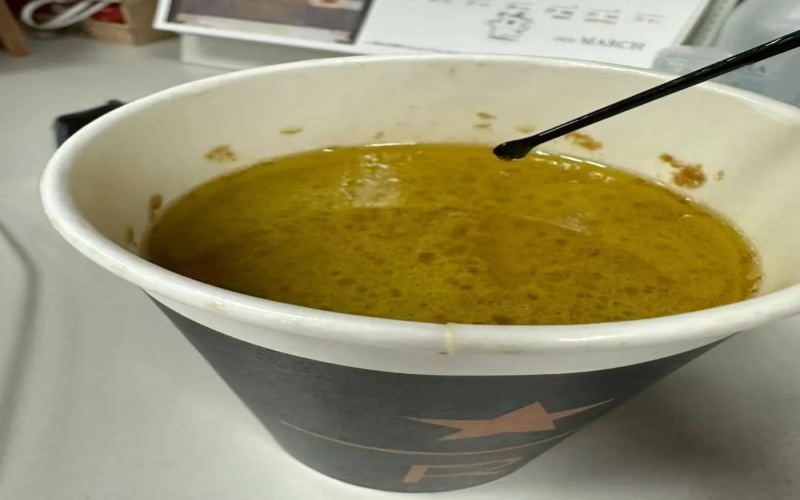
Starbucks olive oil coffee separates into oil and water after sitting, consumers say it looks just like soup broth
It has been over a week since Starbucks' olive oil coffee hit the market, and consumer reviews are sharply divided. Some people love the aroma and smooth mouthfeel of the olive oil, while others find it nothing special. Recently, however, customers have noticed that when this drink sits for a while, it shows an obvious separation phenomenon—a thick layer of oil floats to the surface, and even stirring fails to disperse it, giving it an appearance that brings to mind various kinds of soup. Is this a mistake in the preparation process, or is it simply the natural rising of oil after standing? Netizens are each offering their own take, and the discussion is lively. [more…]
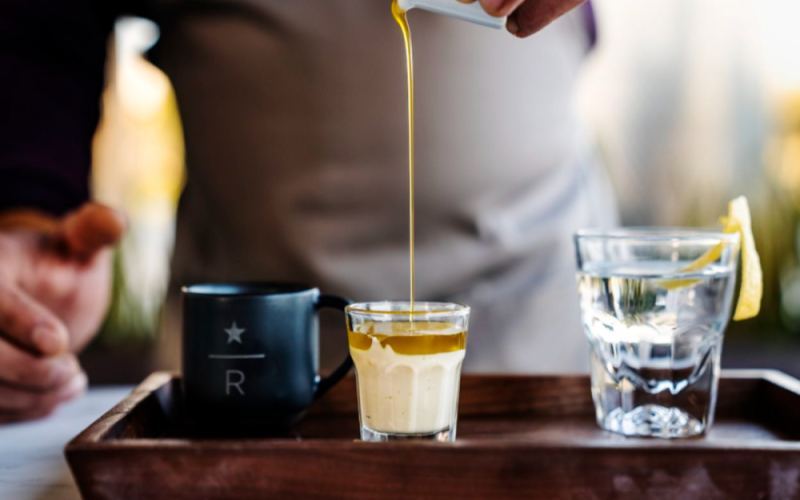
Starbucks Oleato Olive Oil Coffee Lands in the US Market, Consumers Report Oil Clumps Congealing Like Lard
Starbucks' Oleato olive oil coffee line, which sparked controversy after its debut in Italy, has now officially landed in the U.S. market. The product aims to attract health-conscious consumers by adding olive oil, but it has drawn complaints in both Italy and the U.S. about its greasy mouthfeel and clumps of congealed oil. American netizens have even jokingly dubbed it "lard coffee." Although Starbucks plans to roll it out to the UK, Japan, and the Middle East, market acceptance remains to be seen. This article takes a detailed look at the background behind the launch of this product line, consumer feedback, and its future prospects. [more…]
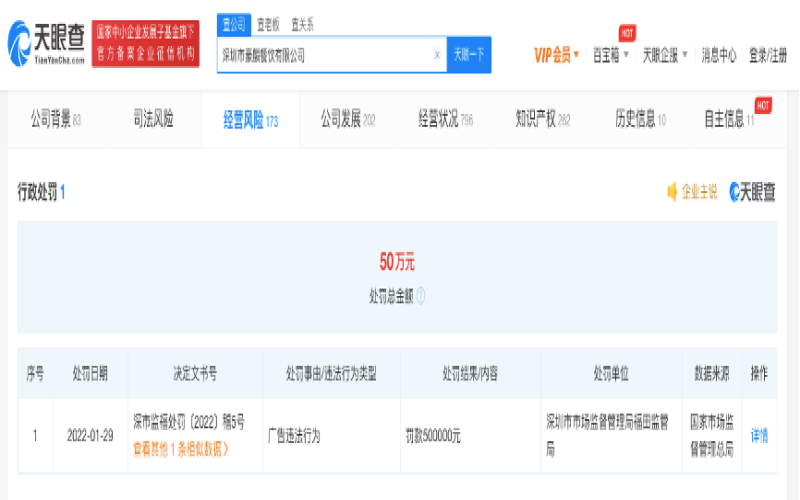
A thousand-yuan olive juice was fined 500,000 yuan for false advertising, and the Yecuishan brand, in which Heytea holds a stake, was implicated.
A glass of olive juice selling for 1,000 yuan once put the brand Yecuishan in the trending topics and also drew the attention of market regulators. At the end of 2021, this drink, which was claimed to be made with Golden Jade Sanian olives costing nearly 800 yuan per jin, was investigated by the Shenzhen Municipal Market Supervision Bureau because the actual purchase price did not match the promotion, and the company involved was ultimately fined 500,000 yuan. After Heytea invested in Yecuishan, it also faced questions from netizens. This incident not only exposed the chaos of pricing and promotion in the tea beverage industry, but also prompted people to think about the real cost and authenticity of so-called high-end products on the market. [more…]
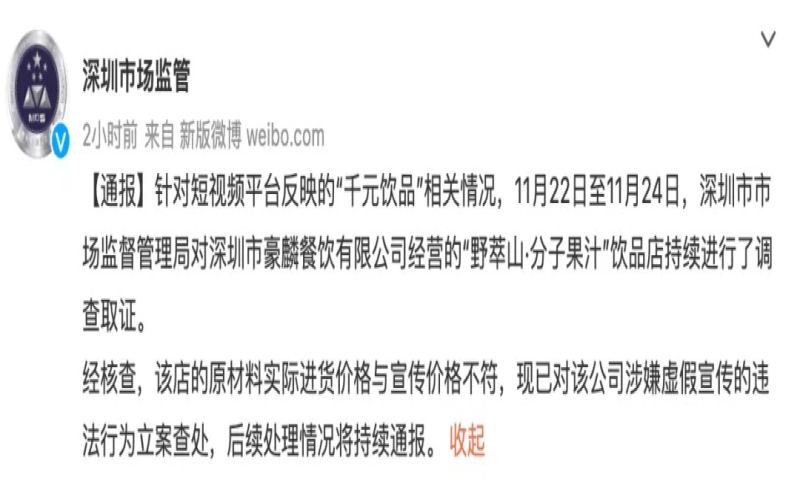
Heytea's Thousand-Yuan Olive Juice Under Investigation: The Controversy Over False Advertising and the Truth Behind the High Price of Chaoshan Olives
Recently, Shenzhen's Heytea was investigated by regulators for suspected false advertising over a cup of olive juice priced at a thousand yuan, sparking heated discussion among netizens. Many consumers left comments on Weibo asking whether they could get a refund with their receipt, and the incident once again reminds everyone to consume rationally. Meanwhile, why can Chaoshan olives sell for such a high price? This article analyzes the whole story of the incident, the regulatory investigation, and raw material costs, taking you through the business logic behind the thousand-yuan juice and the preciousness of Chaoshan olives. [more…]
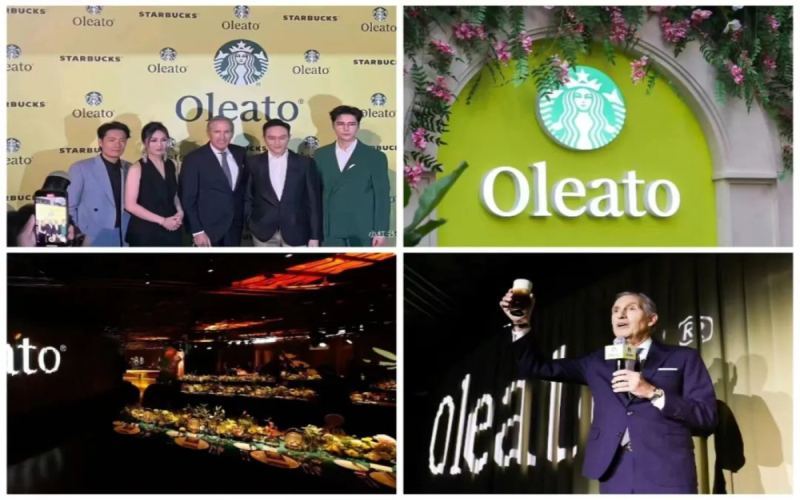
Starbucks' Oleato makes a cold debut in China: why do new chain-coffee products so often draw consumer complaints?
Starbucks hosted a high-profile exclusive dinner at its Shanghai Roastery, with founder Schultz personally taking the stage to promote the Oleato olive oil coffee series. However, this lavish promotional push failed to generate the expected splash among consumers. Meanwhile, Luckin's newly launched Huangshan Maofeng Latte also suffered a reputational flop. Behind the密集 new product launches from chain coffee brands, is it a lack of innovation or consumer fatigue? This article will take an in-depth look at the recent market performance of new coffee products and explore how brands can find the right R&D direction amid fierce competition. [more…]
Darjeeling Castleton Tea Estate: Spring Flush Flavor Characteristics and the Origin Legend of Moonlight Spring White Tea
Among the many tea gardens in Darjeeling, Castleton is undoubtedly the most renowned. It was personally planted by Dr. Charles Graham in 1885 and is now part of the Goodricke Group, famous worldwide for its Moonlight White tea and first flush tea. The garden spans the slopes of Kurseong and Pankhabari, rising from 980 meters to 2300 meters in altitude. Of its 170 hectares under cultivation, 70% are heritage tea bushes, and it also possesses quality clonal varieties such as AV2 and Seeyok 1240. The high altitude and low-oxygen environment cause the tea to grow slowly, yet it concentrates richer flavors. Front Street Coffee's first 2021 China Red purchased this year comes from here—a first flush at 4,000 feet, with a medium-bodied yet balanced cup, fresh citrus, sweet green notes, and a finish carrying stone fruit and woody aromas. This article will take you into Castleton and savor in detail the aroma, taste, and aftertaste of its first flush tea. [more…]

Coffee specialty drink named "Chaoshan Poison" sparks controversy, Chaoshan netizens call it reckless
Recently, a coffee shop launched a signature drink called "Chaoshan Poison," sparking heated discussion online. In Chaoshan cuisine, "Chaoshan Poison" has long been synonymous with raw-marinated seafood, yet this coffee, priced at 45 yuan, is primarily made with cold brew coffee and green olive juice, garnished with Chaoshan aged medicinal kumquat and bamboo-salt wampee—a far cry from public perception. Chaoshan netizens have voiced their displeasure in dialect, arguing that the name misleads consumers and that the shop lacks understanding of local food culture. This article will review the course of events and explore the boundary between creative local specialty coffee and naming. [more…]

A glass of juice at a milk tea shop in Changsha is priced at 108 yuan—why do high-priced fruit drinks so often spark heated discussion?
Compared to coffee with its pronounced bitterness, sweet-and-sour milk tea is clearly more to the public's taste. Whether on a busy workday or a leisurely weekend, milk tea has long been part of many people's lives. Recently, a newly opened milk tea shop in Changsha, Hunan, suddenly went viral—not because of its unique flavors, but because a single cup of juice was selling for 108 yuan. The shop, named "Xiaoshanjing · Fruit Molecular Tea," drew attention with its giant tiger tail design and high-priced menu. Staff claimed that the durian drink contains half a cup of Musang King pulp, while the mangosteen drink uses 4 jin of mangosteen. Is the high price worth the money, or is it a marketing gimmick? Consumers have differing views, and some are reminded of the earlier incident in Shenzhen involving Yecuishan's thousand-yuan olive juice. [more…]
Indonesian Longberry Lintong Mandheling vs. Guatemala La Flor del Café: A Full Breakdown of Pour-Over Parameters and Flavor Differences
Sumatra coffee is, in most people's minds, synonymous with the rich, full-bodied depth of a medium-dark roast, but in recent years the local coffee landscape has shifted noticeably. This time, Front Street Coffee brings two beans of strikingly different styles—Indonesia Wahana Longberry sun-dried longberry dragon fruit Mandheling, and Antigua Flower God from Guatemala's La Minita estate. The former overturns the stereotype of traditional Mandheling, while the latter is known for its elegant floral aroma and soft fruit acidity. The article will introduce each bean's origin, variety, processing method, and flavor characteristics, along with detailed pour-over parameters and brewing steps, to help coffee lovers understand the subtle extraction adjustments for different bean types and find a brewing method better suited to their own taste. [more…]
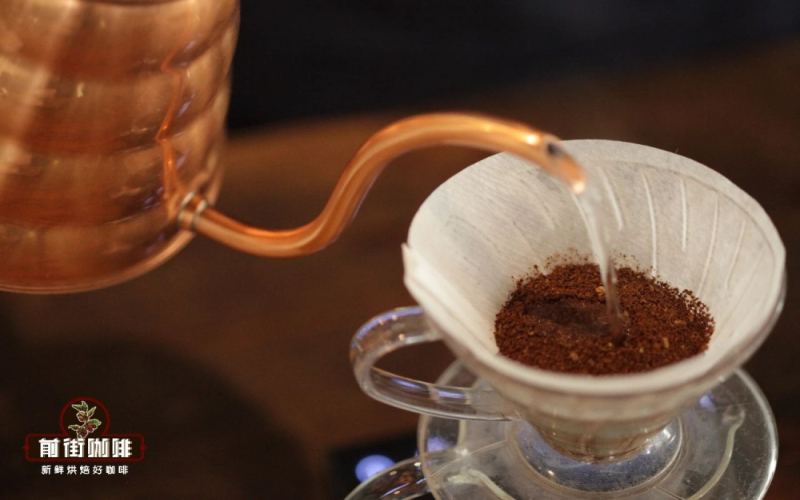
A Detailed Guide to Single-Origin Coffee Classification: A Comprehensive Analysis of Flavor Characteristics Across Major Producing Regions from Africa to the Americas and Differences in Coffee Shop Flavors
Have you ever walked into a specialty coffee shop, faced the dazzling array of single-origin coffees on the menu, and felt at a loss where to begin? Single-origin coffee refers to coffee made from beans sourced from a single origin, and it can be traced back to a specific region or even estate. This article will systematically sort through the representative single-origin coffees from major producing regions such as Africa, Central and South America, and Asia, introduce Front Street Coffee's rigorous process from roasting curve testing to cupping selection, and present the flavor descriptions of coffee beans from each region one by one, helping you find the cup that best suits your taste. [more…]
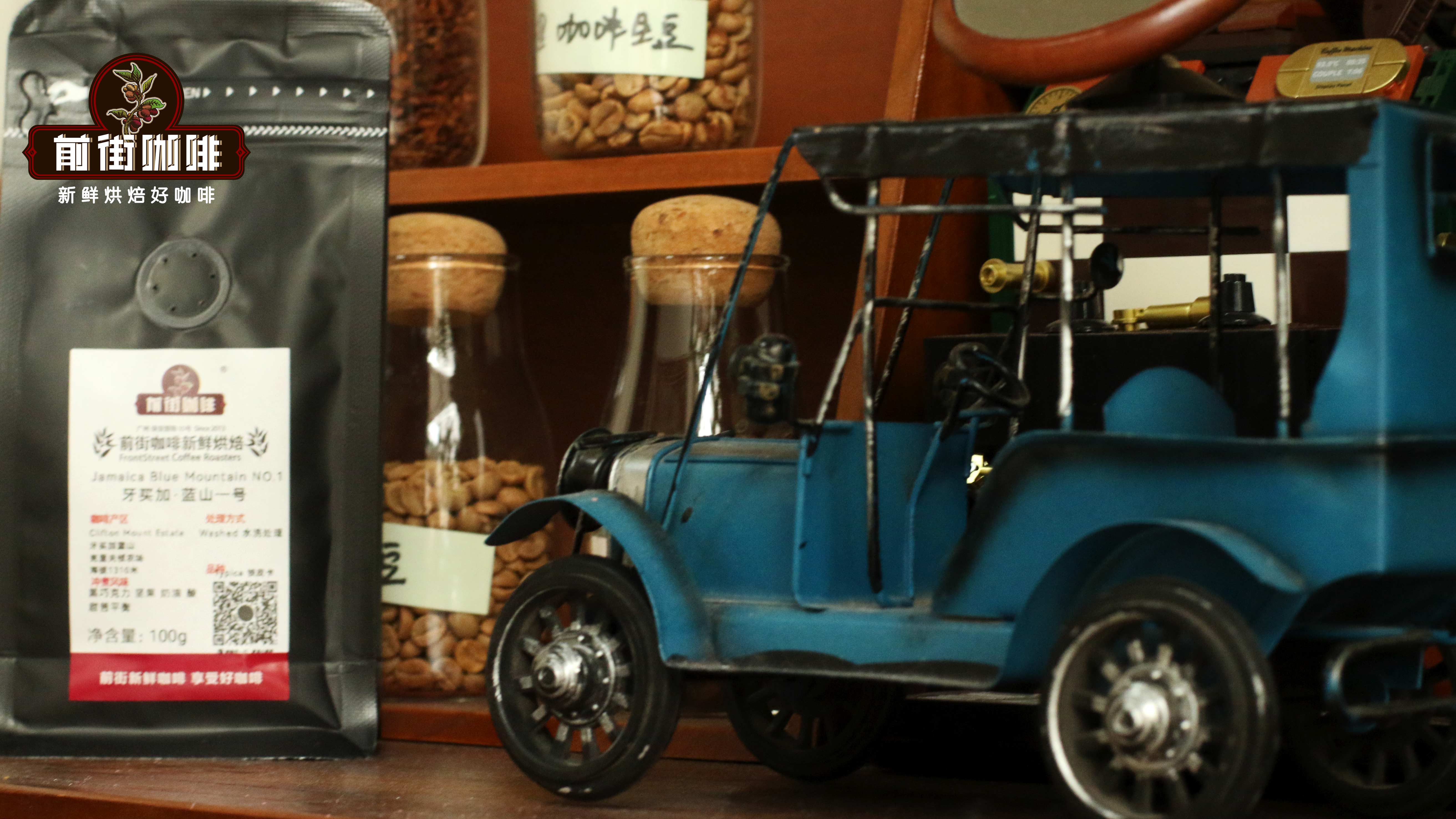
How much does Jamaican Blue Mountain coffee cost domestically? A comprehensive interpretation from price characteristics to authenticity identification
Blue Mountain coffee, once hailed as the "Hermès" of the coffee world, still captivates many coffee lovers to this day. However, outdated claims about its price, origin, and authenticity continue to circulate. Front Street recently heard veteran enthusiasts still insisting that Japan monopolizes Blue Mountain, that No. 1 beans can't be bought domestically, and even that a genuine cup of Blue Mountain could never cost less than 200 yuan. Is that really true? This article will sort it all out from the beginning: what qualifies as authentic Blue Mountain, CIB's strict grading, the evolution of domestic import channels, and the real pricing logic behind the Clifton Farm Blue Mountain coffee sold by Front Street—helping you clear the fog and view Blue Mountain's price and value rationally. [more…]