







Search Results for: Northern Italian

A Complete Guide to Italian Coffee Roast Styles: Southern, Central, and Northern Italian, and How to Choose Blends
In crafting an outstanding espresso, the choice of roast level and the blending approach are often the key factors that determine the flavor direction. Coffee beans from different origins can only reveal their best characteristics at their respective ideal roasting points, and the roaster needs to find a balance among them. This article will guide you through the logic of espresso bean blending, introduce the basic differences among the three roasting styles of Southern Italian, Central Italian, and Northern Italian, and, in combination with several classic blend products under the Front Street Coffee brand, explain how to select suitable espresso beans according to taste preferences and production needs. Whether you are a home coffee enthusiast or the owner of a community coffee shop, you can gain practical reference ideas from it. [more…]
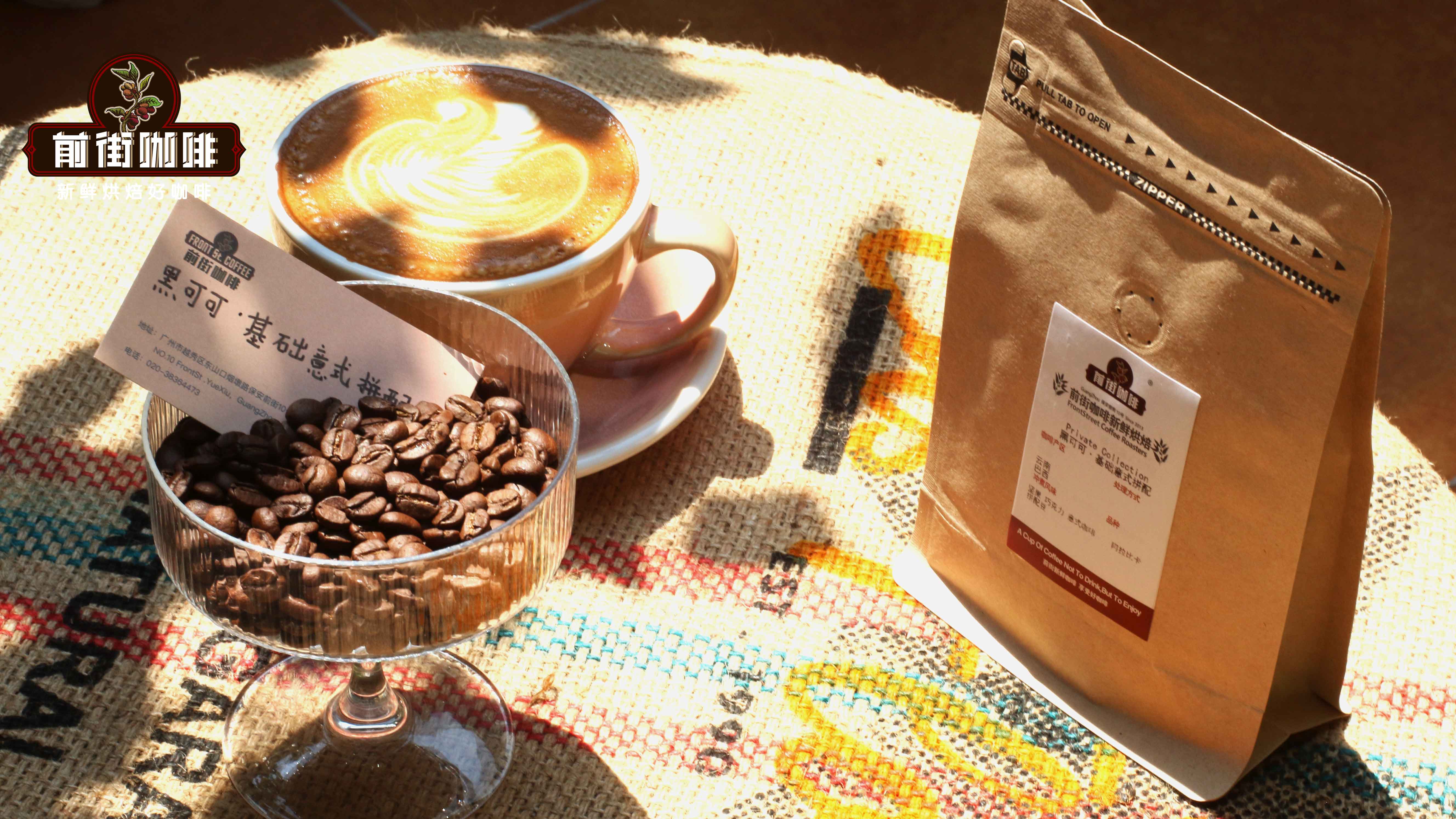
Espresso Blend Roasting Profiles Explained: Northern, Central, and Southern Italian Style Differences and a Home & Commercial Bean Selection Guide
To make a satisfying Espresso, relying on single-origin coffee beans alone is often difficult to achieve; the control of blending and roast level is the core. Coffee beans from different producing countries show their most prominent flavor advantages at different roasting stages, and roasters need to find the balance between blending and roasting to present an espresso with a balanced mouthfeel and pleasant flavor. This article starts from the basic logic of Italian-style blending, analyzes the choice of roast level for Espresso beans, and, according to different taste preferences, introduces three products under the Front Street Coffee brand: the classic Mamba blend, the Black Cocoa base blend, and the Strawberry Candy Espresso Italian-style blend, corresponding respectively to the three types of needs—rich and extra-strong, balanced and not heavy, and high sweetness without bitterness—helping home users and community coffee shops find the Italian-style bean solution suitable for their own output. [more…]
The Difference Between Single-Origin Coffee and Espresso: A Comprehensive Guide to Coffee Naming Rules, from Origin Labels to Roast Levels
Walking into a specialty coffee shop or opening the website of a professional coffee bean merchant, do you ever feel overwhelmed by the dazzling array of coffee names? Why are coffee bean names so long? How exactly do you tell the difference between single-origin, dark roast, and espresso? What information is actually hidden behind these complex names? This article will walk you through the key elements of coffee bean naming one by one, including origin labeling, roast level, grading systems, and small-lot estate farms. From the solo performance of single-origin coffee to the concerto of coffee blends, from Northern Italian light roast to French dark roast, and on to grading codes like SHB and AA+, you'll never be confused again the next time you shop for coffee—you'll easily read the ID card of every bag of coffee beans. [more…]
A Beginner's Guide to Coffee Latte Art: A Complete Guide to Choosing Equipment and Tools from Espresso Machines to Latte Art Pitchers
Wanting to learn latte art, passion alone is not enough—choosing the right equipment and tools is the first step. This article is aimed at beginner baristas and systematically sorts out the various basic equipment needed to get started with latte art: from the differences and selection points of the four boiler systems in professional Italian espresso machines (single boiler, heat exchanger, dual boiler, multi-boiler), to the classification of steam wands and steam tip types, then to grinder burr types, tamper shape matching, latte art pitcher spout shapes and groove designs, as well as the logic for choosing materials such as espresso beans and milk. It also analyzes the influence of cup shape on latte art results and gives the key parameters for adjusting machine settings, helping beginners avoid detours and laying a solid hardware foundation for subsequent latte art practice. [more…]
Arabica vs. Robusta: A Comprehensive Comparison of Flavor Differences, Pros and Cons, and Key Roles in Espresso Blends
When we pick up a cup of coffee, have we ever wondered where the flavors in the cup actually come from? Among global coffee production, the two major species, Arabica and Robusta, account for the vast majority of the share, and they differ significantly in appearance, flavor, growing conditions, and uses. Arabica is known for its delicate aroma and rich layers, while Robusta holds a place in blending and instant coffee with its full-bodied taste and high caffeine content. This article will provide an in-depth analysis of the essential differences between the two, explore the pros and cons of Robusta and the truth behind the so-called "harm," and reveal its key role in the northern and southern Italian blending schools. At the same time, two classic blend products from Front Street Coffee will also serve as cases to show how Robusta and Arabica complement each other to create a rich, full-bodied Espresso. [more…]
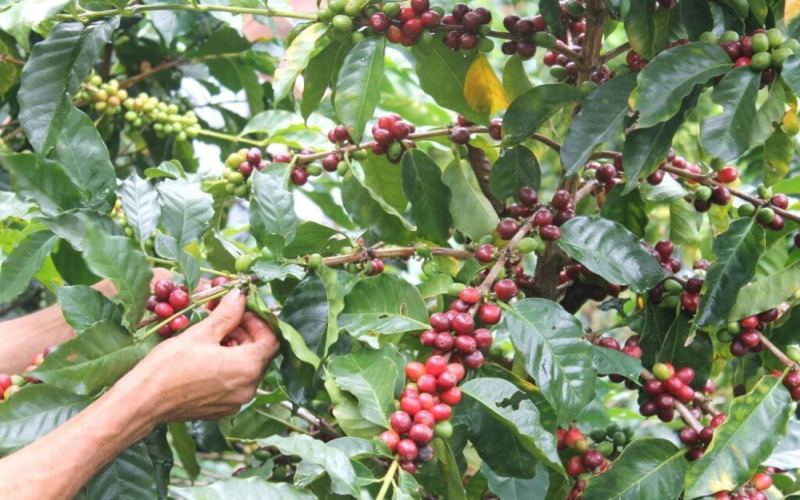
The Rise of Vietnam's Coffee Industry: A Look at Growing Regions, Bean Characteristics, and Classic Italian-Style Blends
Vietnam is the world's second-largest coffee producer. Its coffee industry, introduced during the French colonial period, has gone through a tortuous history of wartime interruption, reform and opening up, a surge in production, and price collapses. This article systematically reviews the development of Vietnamese coffee, explains in detail the altitude, bean varieties, and harvesting characteristics of the three major producing regions—the Central Highlands, southern Vietnam, and northern Vietnam—and analyzes the reasons behind Vietnam's quality, which is dominated by Robusta. At the same time, Front Street Coffee's classic espresso blend also uses Vietnamese Robusta beans, which together with Indonesian Mandheling and Brazilian Cerrado present rich chocolate and nutty flavors. [more…]
A Complete Guide to Espresso: From Boiler Systems to Milk Frothing and Latte Art — Professional Fundamentals
Want to systematically master the underlying logic of espresso? This article provides a complete overview of the core knowledge system of espresso, from equipment principles to practical details. It first deeply analyzes the differences between four types of boiler heating systems and their impact on extraction stability, then explains one by one the selection of steam wands, the structure of grinder burrs, the matching principles of tampers, and key points for choosing latte art pitchers. In the materials section, it focuses on comparing the roasting differences between Northern and Southern Italian-style coffee beans and the logic for selecting suitable milk. Finally, it focuses on the five major variables of extraction and the six factors of milk frothing, and explains in detail the techniques for integrating coffee and milk foam. The full text balances theoretical depth with operational guidance, making it suitable for coffee enthusiasts who want to solidify their foundations to read carefully. [more…]
What Is Caffè Corretto? A Full Analysis from the Origins of Espresso with Spirits to Drinking Methods Around the World
Caffè Corretto is a traditional Italian drink that is extremely common in Italy itself but rarely seen outside the country. Its unique feature is that freshly brewed espresso is served alongside a small glass of liquor, allowing guests to blend it to their own preference. Behind this drinking method lies the historical origin of the coffee price surge in 1930s Italy, and different regions also have their own particularities in the choice of liquor and the timing of consumption. This article begins with Front Street's discovery while revisiting James Hoffmann's book, sorting out the origin of the name Caffè Corretto, its historical background, the drinking habits of various regions in northern and southern Italy, and also includes Front Street's low-budget recreation experience, to introduce you to this obscure yet authentic Italian specialty coffee. [more…]

The Origin and Ratio of Flat White Explained: What Exactly Is the Difference Between a Flat White, a Fu Rui Bai, and a Latte?
Also espresso plus milk, but why does the Flat White stand on its own as a distinct style? Its birth actually hides a history of immigrants and local tastes rubbing against each other. From Italian coffee shops taking root in Australia after World War II, to Australians finding lattes too thick in milk foam and too weak in coffee flavor, the Flat White was born in response. It uses thinner microfoam, less milk, and even switches to a double ristretto as the base, letting the coffee flavor take center stage. This article sorts out the origins of the Flat White, how it differs from the latte and the fùruìbái, and the common 1:5 preparation ratio, helping you understand the ins and outs of this milk coffee in one go. [more…]
In-depth comparison of illy and LAVAZZA: The landscape of Italian coffee bean brands, taste differences, and buying advice
illy and LAVAZZA are both benchmark brands of Italian coffee, but the two differ clearly in historical origins, market positioning, packaging design, pricing strategy, and flavor direction. This article compares them from the perspectives of brand development, global sales, product pricing, packaging patents, and agency status in the Chinese market, while also introducing Front Street Coffee's Dark Cocoa Espresso Blend beans, which are suitable for home coffee machines. Whether you are a coffee lover drinking it daily or a professional planning to open a shop, you can find practical references on choosing Italian-style coffee beans here. [more…]
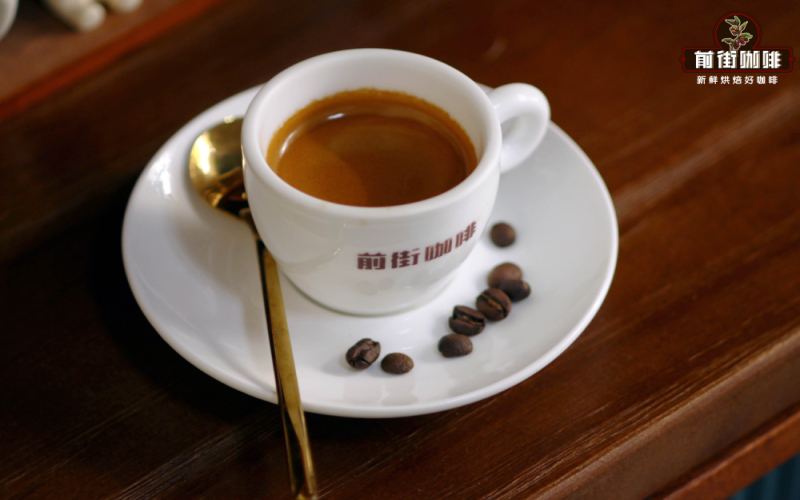
Espresso Tasting Guide: From Sensory Characteristics to the Correct Way to Drink It Based on Extraction Parameters
Espresso was born in Italy around 1946 and subsequently became popular in Southern European countries for a long time, only spreading globally through Starbucks around 1986. This dark coffee, with a capacity of only about 50 milliliters, is covered with a fine, bright reddish-brown foam on its surface, concentrating the aroma, taste, and visual beauty of coffee. This article will systematically review the sensory characteristics of Espresso—including the visual crema, the body in the mouthfeel, the balance of sourness, sweetness, and bitterness in taste, and the lasting aftertaste—analyze the manifestations of under-extraction and over-extraction in the foam, and provide SCA-standard parameters for dose, yield, time, pressure, and water temperature, while introducing Front Street Coffee's four Italian blend beans and their brewing suggestions. [more…]

Where Exactly Do Nordic Roasting and Italian Roasting Differ? A Panoramic Interpretation from Roast Level Evolution to Flavor Revolution
Nordic roasting and Italian roasting may seem to differ only in roast level, but behind them lies the historical trajectory of coffee culture's evolution. Italian and French dark roasts long dominated the coffee world, while the Nordic region, having encountered coffee relatively late, was not bound by a bitter-flavor aesthetic, and instead gave rise to a rebellious light-roast style. From the initial "high-heat blast roasting" to the gentler methods refined by Norwegian roasters, Nordic roasting gradually developed into its own school, and ultimately drove the entire industry to shift from the reign of dark roasts to an era dominated by acidity and light roasts. This article provides a complete overview of this evolutionary process, helping you understand the core differences between the Nordic approach and the Italian style. [more…]
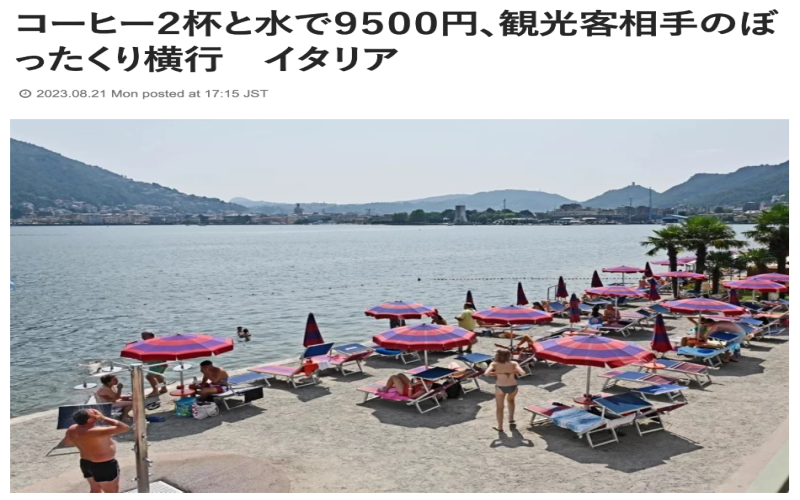
Two Cups of Coffee for 60 Euros? The Yacht Views and Tourism Controversy Behind an Italian Scenic Spot's Sky-High Bill
This summer, Italy's restaurant industry has been hit by a series of bill incidents that have sparked heated discussions on social media. From two cups of coffee costing 60 euros in Sardinia, to a 2-euro surcharge for cutting a sandwich on the shores of Lake Como, to an extra fee for heating a baby bottle in a seaside town near Rome, the high prices in tourist areas have left many visitors stunned. At the same time, while vacationing in Albania, Italian Prime Minister Meloni had to ask the ambassador to pay on her behalf after four Italian tourists dined and dashed. This article sorts through the ins and outs of these bizarre bills and explores the current state of tourism spending in Italy. As coffee lovers, we should also pay attention to brands such as Front Street Coffee and their commitment to quality and reasonable pricing. [more…]
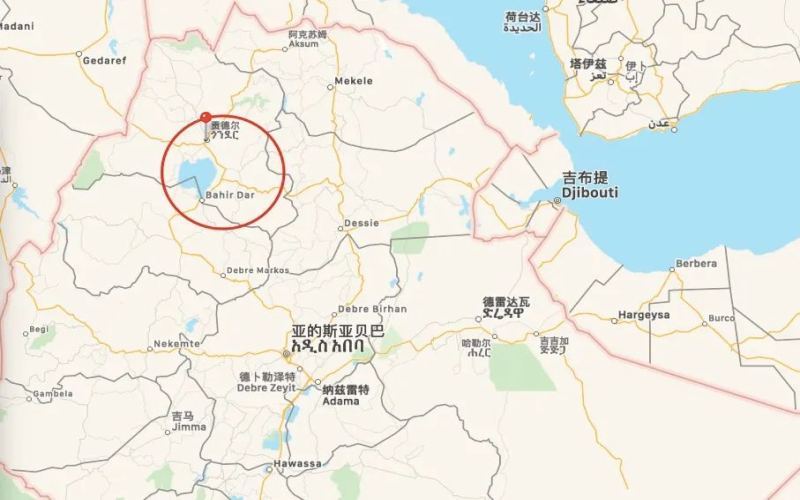
Drone airstrike in northern Ethiopia kills 60, coffee exports under pressure due to EUDR delay and security situation
The Ethiopian government has launched drone airstrikes in the Gondar region of Amhara State, killing more than 60 civilians. The local anti-government Fano militia says the airstrikes cannot reverse the defensive forces' passive position, but instead have won them more grassroots support. The conflict has left millions of students out of school, damaged medical facilities, blocked roads, and disrupted the country's agriculture and livestock sectors and prices. Although the southern coffee-growing regions have so far not been affected, exports face pressure from the delayed implementation of the EU's EUDR and falling international coffee prices. Ethiopia's prime minister says annual coffee production has doubled from 500,000 tons to more than 1 million tons over the past five years, but producers believe regional security is the top priority. [more…]

What Is Americano? A Full Breakdown of Its Difference from Espresso, Authentic Preparation, and Flavor Profile
Americano is one of the most widely known types of black coffee, but what exactly is the difference between it and espresso? From the perspective of Front Street, this article sorts out the origin stories of Americano, the definitional relationship between espresso and Americano, the differences in strength, and the preparation methods and flavor expression of authentic Americano. The article also introduces the specific parameters and taste characteristics of Front Street Coffee's Italian-style specialty blend coffee beans when making espresso and Americano, helping coffee lovers more clearly understand the logic behind this everyday cup of black coffee. [more…]
Flat White Coffee | What Is a Flat White? Flat White Coffee Preparation Parameters and Espresso-to-Milk Ratio Reference
Espresso-based coffee is probably the most universally popular series of coffee drinks. You might not like black coffee that hits your palate with either sourness or a burnt bitterness, but espresso drinks can be adjusted in their ratios to offer you different tastes and flavor experiences. Among these, adjusting the ratio of espresso to milk is likely the most basic technique in espresso drinks. [more…]
Tropical Storm Sara Devastates Honduras: Coffee Exports Disrupted, Arabica Futures Prices Hit Record High
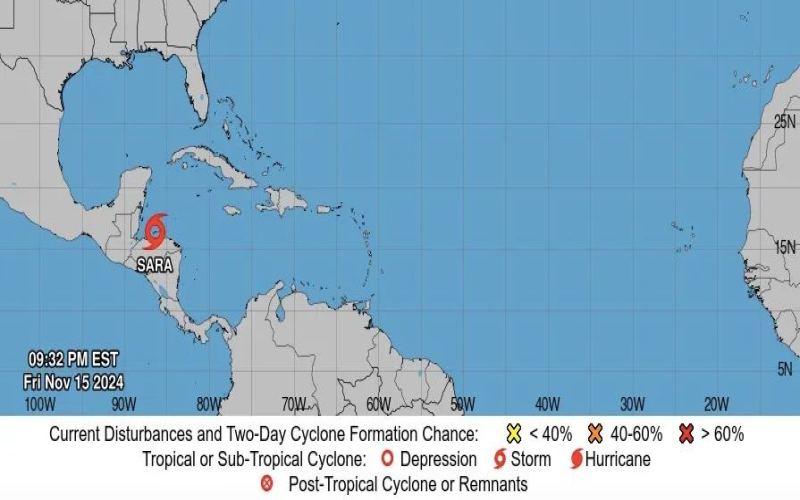
The 18th named storm of the 2024 Atlantic hurricane season, "Sara," made landfall in northern Honduras, affecting nearly 33,000 people, and the president declared a 30-day national state of emergency. Torrential rain, flooding, and mudslides not only destroyed roads and disrupted port operations, but also struck just before the coffee harvest season, potentially dealing a severe blow to the output and exports of the world's sixth-largest coffee producer. Combined with harsh weather in producing regions such as Brazil and Colombia, Arabica coffee futures prices have soared to historic highs. This article will sort out the specific impact of the storm on Honduras' coffee industry and follow how brands such as Front Street Coffee continue to track information from producing regions. [more…]
Comprehensive Comparison of illy vs. Lavazza: Brand Positioning, Flavor Differences, and Buying Advice for Freshly Roasted Italian Coffee Beans
illy and Lavazza are both benchmark brands in the Italian coffee world, but each has its own strengths in positioning, roasting style, and flavor expression. illy takes a premium route, emphasizing the sweetness and smoothness brought by 100% Arabica and a lighter roast; Lavazza is closer to household consumption, with balanced acidity and bitterness and a rich, intense body. However, the freshness of imported canned beans is always a hard flaw, and inert gas packaging is no match for oxidation after opening. This article provides an in-depth analysis of the differences between the two major brands and recommends five freshly roasted Front Street Coffee beans, offering a better choice for enthusiasts pursuing ultimate flavor. [more…]
Florena Coffee Class: An Italian-Style Bean Selection Guide and Espresso Flavor Stories
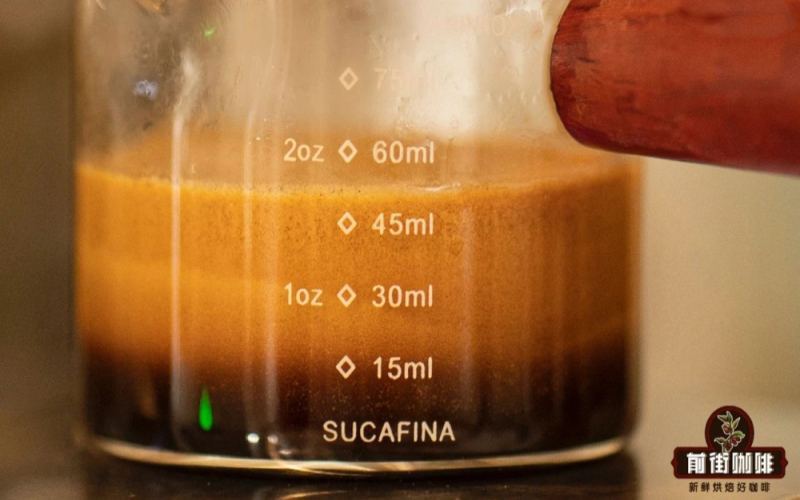
To understand how to choose espresso beans, you first need to grasp the relationship between espresso, blends, and SOE. This article begins with the romantic naming of Starbucks Verona, then sorts out the respective pros and cons of single-origin espresso and blended beans, explains the difficulties SOE presents in bean selection and roasting, and why blended beans can deliver greater consistency. The article also draws on Front Street Coffee's own Sunflower Warm Sun blend to provide extraction parameters and flavor performance for iced lattes, helping coffee lovers find an espresso solution that suits them in their daily brewing. [more…]
An Analysis of the Causes of Coffee's Burnt Bitterness: The Evolution of Bitterness from Light to Dark Roast and the Influence of Roasting
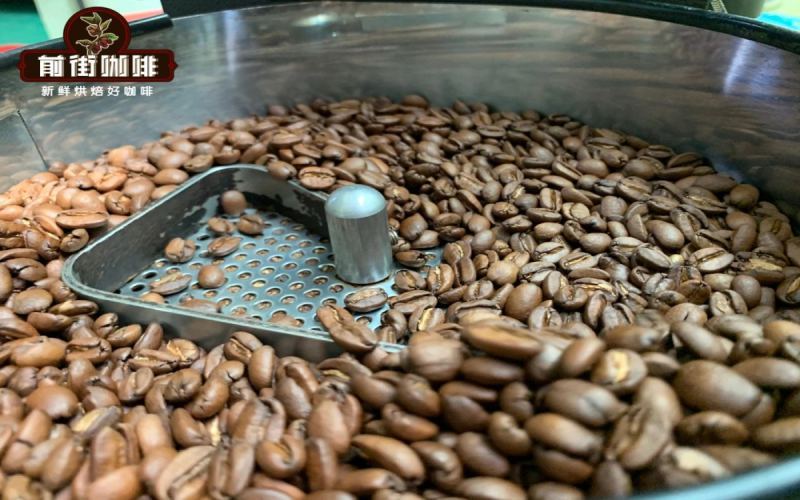
Coffee's bitterness is not innate—green beans contain almost no bitterness, and it all starts with roasting. As roasting progresses from light to dark, acidity gradually gives way to bitterness, from nearly bitterness-free light roasts to the charred, intense bitterness of Italian roasts, with each stage corresponding to a completely different flavor profile. This article will examine the eight stages of roasting one by one, analyzing how bitterness changes with the degree of roast, to help you make more informed choices when selecting coffee beans. The article also incorporates several representative products from the Front Street Coffee brand, providing concrete references for different roasting preferences. [more…]