







Search Results for: Narino Region
Colombian Narino Coffee Bean Flavor Analysis: Comparing Cauca and Huila Growing Regions and Quality Grades
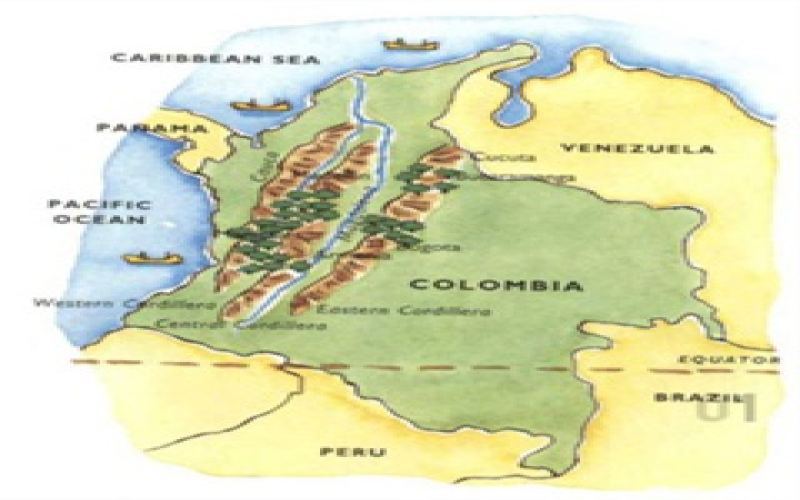
Colombia, with its high-altitude coffee belt formed by three Cordillera mountain ranges, can harvest year-round without the threat of frost. Among these, the Narino region is renowned for its balanced and delicate flavor, featuring rich layers of apricot, grapefruit, and toffee, and is of SUPERMO quality. This article provides a detailed analysis of the flavor sources, microclimate conditions, and varietal advantages of Narino, and compares the characteristics and differences with the Cauca and Huila regions, guiding you to a deeper understanding of the diverse charm of Colombian specialty coffee. Front Street Coffee recommends several Colombian beans that are worth trying. [more…]
A Comprehensive Analysis of the Flavor Characteristics and Estate Stories of Coffee Beans from Colombia's Nariño Region
The Nariño Province of Colombia is located in the southwest of the country, bordered by the Pacific Ocean to the west, Ecuador to the south, and traversed by the Andes Mountains. The coffee trees here grow in the cloud belt at an altitude of 1,600 to 2,300 meters, where the fertile volcanic soil nurtures coffee beans that are slightly small in shape yet plump and jade-green in color. Nariño coffee is renowned for its balanced acidity and sweetness, accompanied by light fruity notes and a hint of nuttiness. A medium roast brings out its unique charm even more. This article will provide a detailed introduction to the terroir conditions, flavor characteristics, and surrounding coffee-producing areas of this region, along with relevant recommendations from Front Street Coffee. [more…]
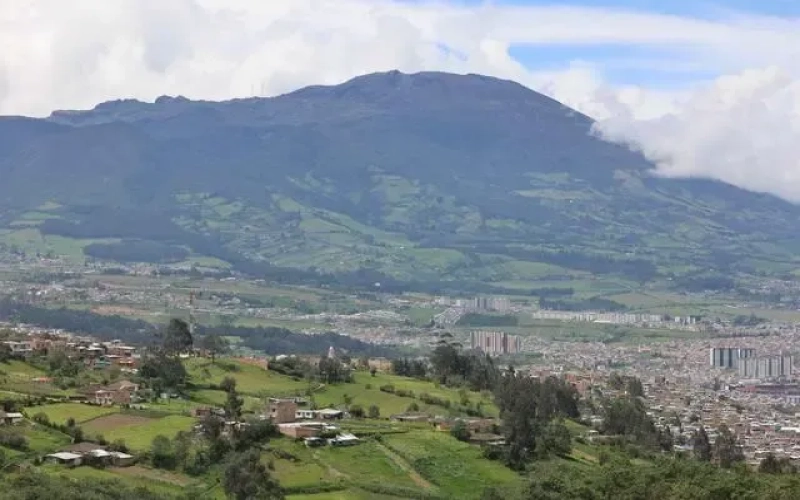
An In-Depth Analysis of Colombia's Nariño Region: From the Rise of the FNC to Hacienda Santa Ana's Road to COE Runner-Up
The Andes Mountains run the length of South America, nurturing numerous coffee-producing countries, and Colombia is among the most outstanding of them. After years of war and social upheaval, Colombia's coffee industry, supported by FNC's standardized management and its unique topography and climate, gradually grew into the world's third-largest coffee-producing country. Beyond well-known regions such as Cauca and Huila, the province of Nariño is emerging with highly complex flavors and floral characteristics, and Hacienda Santa Ana even secured runner-up in Colombia's 2023 COE. This article takes you deep into the natural conditions and historical context of the Nariño growing region, as well as the Geisha cultivation stories of Hacienda Santa Ana and Finca Bohemia. Front Street Coffee continues to follow developments in Colombian specialty coffee, bringing first-hand regional news to enthusiasts. [more…]

A Complete Guide to Colombia's Specialty Coffee Regions: Flavor Profiles of Five Major Origins and Front Street Roasting Recommendations
Colombia, with its geographical advantage of having ports on both the Atlantic and Pacific Oceans, has become the country with the lowest coffee export transportation costs in South America. Its specialty coffee producing regions are mainly distributed across the Eastern and Central Cordilleras and the southern region, with the five most representative regions being Medellin, Santander, Huila, Cauca, and Narino. Due to differences in altitude, microclimate, and soil, these regions present a rich flavor spectrum ranging from nutty chocolate to berry and peach notes. Front Street Coffee has conducted in-depth cupping of beans from each region. This article systematically reviews the flavor characteristics and growing conditions of the five major regions, and includes Front Street's recommended roasting and brewing parameters for each bean, helping coffee enthusiasts gain a comprehensive understanding of the unique charm of Colombian coffee. [more…]
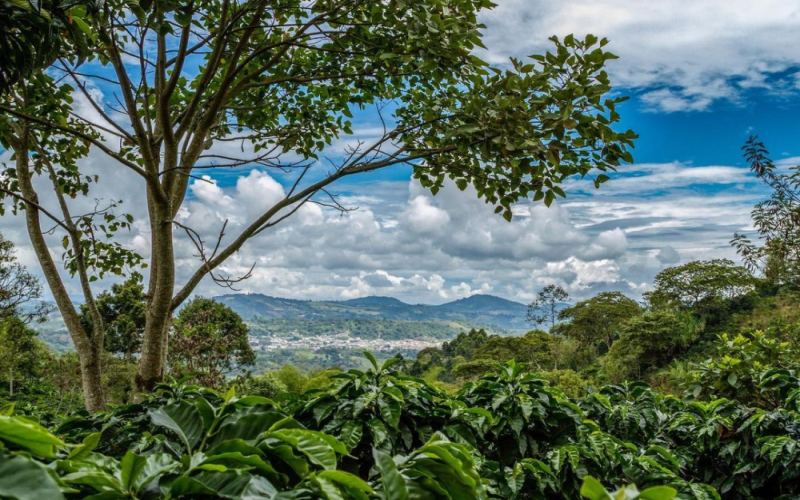
Flavor Characteristics and Brewing Tips of Colombian Huila Coffee, with Flavor Profiles of Each Producing Region and Front Street Coffee Roasting Suggestions
Colombia, with its advantageous location featuring dual ports on the Atlantic and Pacific, has coffee export transportation costs far lower than other South American countries. Its coffee-growing regions are distributed along the Eastern, Central, and Western Cordilleras, forming a specialty coffee map of Medellin, Santander, Huila, Cauca, Narino, and other areas, each with distinct terroir characteristics. This article systematically reviews the flavor differences among Colombia's main growing regions, with a focus on analyzing the taste characteristics of Huila coffee, and shares Front Street Coffee's roasting curves and three-stage brewing parameters for bean varieties such as Huila, Rose Valley, and Sakura, helping coffee enthusiasts consistently reproduce at home the rich, mellow flavor interwoven with nuts, chocolate, and caramel. [more…]
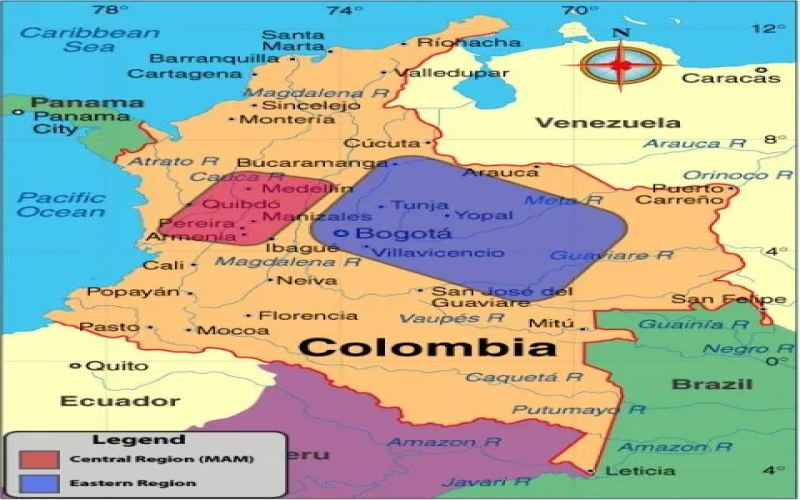
Central American Coffee Beans | Which regions in Colombia produce specialty coffee? What does the MAM designation mean? What are the flavor characteristics of washed beans from the Huila region?
Colombia is the world's second-largest producer of Arabica coffee beans after Brazil. Everyone is well acquainted with the chocolate-like flavor characteristic of Colombian coffee beans. Everyone also knows that coffee originated in Ethiopia—so if no one had brought coffee seeds or coffee saplings to Colombia, how could this [more…]
A Complete Guide to Colombian Coffee Bean Grades and Regional Flavors: From MAM to Huila
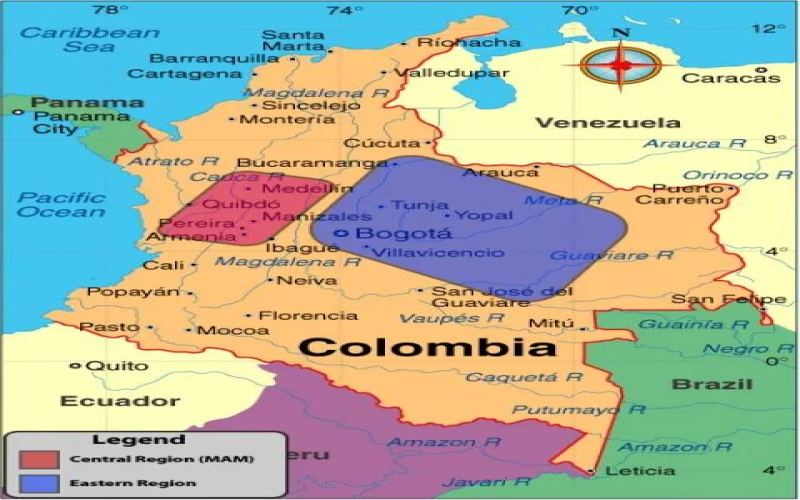
Colombia is the world's second-largest producer of Arabica coffee, and its coffee is deeply associated with chocolate notes. This article begins with the history of cultivation, tracing the commercialization process and the establishment of the export logistics system, then analyzes the three major commercial production regions behind the MAM mark commonly seen in supermarkets, as well as the terroir characteristics of southern specialty regions such as Antioquia, Boyacá, Cauca, Huila, Narino, Santander, and Tolima. The article focuses in particular on the Huila region, explaining its journey to becoming a certified region of origin, and shares Front Street Coffee's brewing recipe for Colombian Huila coffee beans, including dripper selection, water temperature, coffee-to-water ratio, and a three-stage pouring technique. [more…]
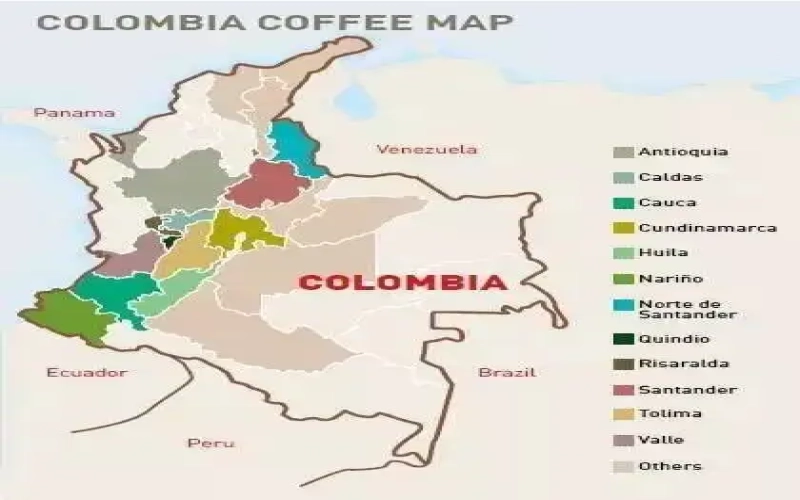
A Complete Guide to Colombian Specialty Coffee Regions: Harvest Seasons, Flavor Profiles, Varieties, and Processing Methods
Colombia is the world's third-largest coffee exporter and the largest exporter of Arabica beans and washed beans. This article systematically reviews the core knowledge of Colombian specialty coffee: starting from the terroir conditions of the three major producing regions in the Andes Mountains, it explains in detail the differences between the northern and southern harvest seasons and the harvest time windows, introduces major varieties such as Caturra, Bourbon, and Castillo as well as the history of disease-resistant breeding, analyzes the unique characteristics of household washed processing, and examines one by one the flavor characteristics of well-known producing regions such as Santander, Huila, Cauca, and Nariño. The article also includes the producing region information and brewing flavors of several Colombian beans from Front Street Coffee, providing coffee enthusiasts with a complete framework for understanding Colombian coffee. [more…]
Colombian Coffee Flavor Characteristics and Brewing Guide: A Taste Analysis of Huila, Cauca, and Other Regions
Colombian coffee is one of the few specialty coffees marketed worldwide under a country's name. Its acidity, bitterness, and sweetness are balanced and harmonious, with a rich, full-bodied aroma, making it highly favored by coffee enthusiasts. This article systematically reviews the history of Colombian coffee cultivation, the flavor characteristics of major specialty-producing regions (Huila, Cauca, Santander, Antioquia, Tolima, and Nariño), and includes information on several Colombian beans recommended by Front Street Coffee along with V60 three-pour brewing parameters. Whether you are a beginner just getting into pour-over or a seasoned connoisseur looking for an everyday staple bean, you will find practical references here. [more…]
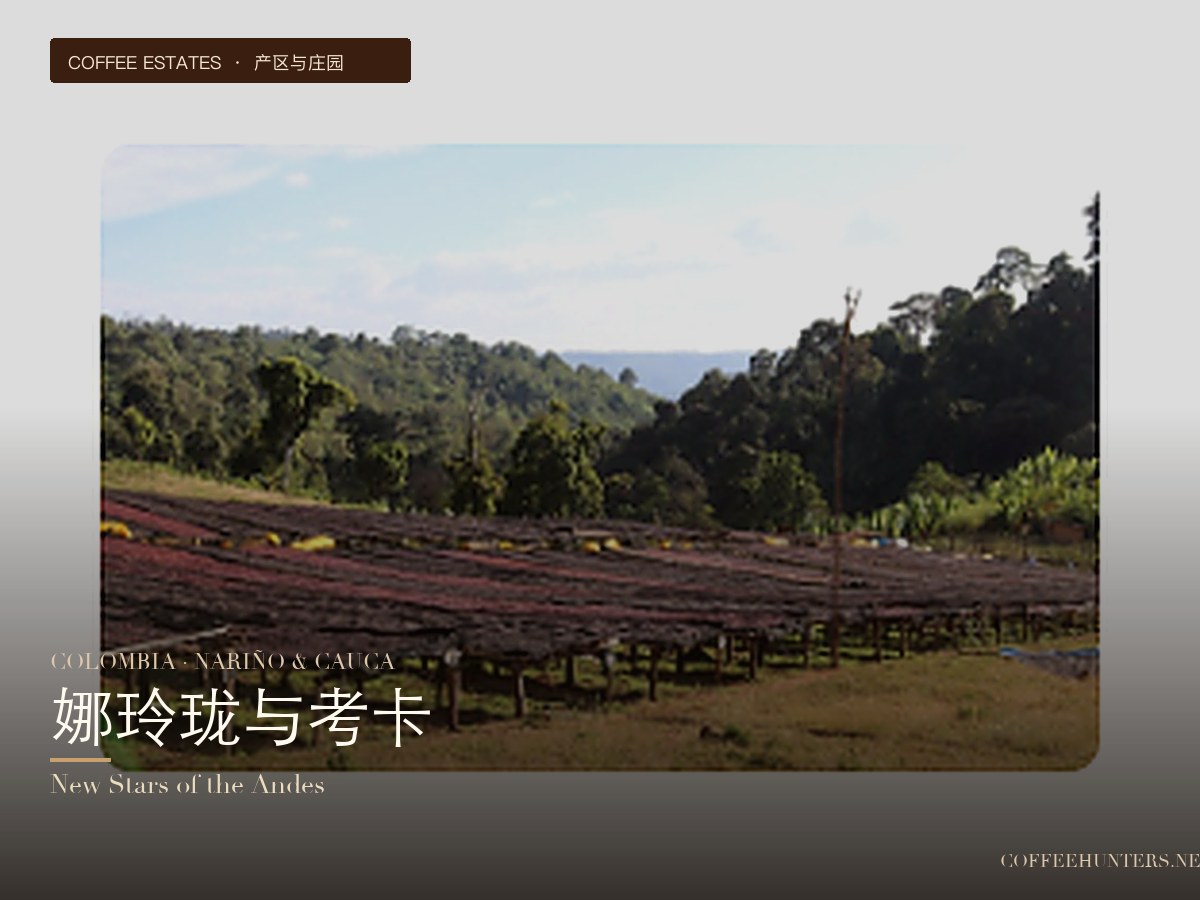
Colombia · Narino and Cauca: High-Scoring New Stars of Specialty Estates
Nariño and Cauca are two neighboring emerging specialty coffee regions in southern Colombia. The coffee produced here has, for consecutive years, earned high scores in the Cup of Excellence thanks to its full-bodied tartaric acidity, pronounced fruity notes, and complex layers. [more…]
Colombian Coffee Beans | Introduction to Major Coffee Producing Regions and Flavor Characteristics of Colombia Medellín and Huila
For more specialty coffee knowledge, please follow: Front Street Coffee (Frontsteet Coffee) Today, Colombia is the world's second-largest producer of Arabica coffee beans. Colombian coffee is renowned for its unique flavor and the mild yet rich aroma that every cup exudes. [more…]
An Analysis of the Flavor Characteristics of Colombian Huila Coffee Beans: Terroir, Processing Methods, and Pour-Over Tasting
In the world of coffee, categories named after countries are everywhere, but what truly makes each bean unique is the specific region and estate behind it. Just as Ethiopia has Yirgacheffe and Sidamo, Colombia also boasts renowned names like Narino and Huila. Today, we're going to talk about specialty coffee from Colombia's Huila region. This land, embraced by mountains and canyons, nurtures high-quality Arabica beans with intertwined flavors of nuts, chocolate, and caramel, thanks to its high altitude, suitable temperatures, and ample rainfall. Combined with manual hand-picking and washed processing, Huila coffee presents a full, smooth body and a soft, pleasant fruit acidity, earning it the title of the country's "green gold." The following article will guide you through its terroir conditions and share a Front Street-style pour-over brewing log. [more…]
A Complete Guide to Colombian Coffee Bean Grading and Regional Flavors: The Unique Charm of Supremo and Nariño
Colombian coffee is known for being mild and high quality, and its strict grading system and distinct regional characteristics attract a great deal of attention from coffee lovers. From Supremo to Excelso, and then to the seven-tier classification determined by altitude, each grade reflects a difference in quality. Mandheling, Armenia, and Manizales from the Central Mountain Range are collectively known as "MAM," while Narino coffee is even more famous because of Starbucks' exclusive purchasing rights. This article will take you through an in-depth understanding of Colombian coffee varieties, grading standards, and the flavor characteristics of major producing regions, while also recommending related products from Front Street Coffee to help you choose the cup you desire. [more…]
Colombia coffee | What does MAM refer to in Colombian coffee origins? What flavor and mouthfeel characteristics do Colombian specialty coffees have?
Colombia is the world's second-largest producer of Arabica coffee beans after Brazil. Everyone is familiar with the chocolatey flavor that characterizes Colombian coffee beans. We also all know that coffee originated in Ethiopia—so if no one had brought coffee seeds or coffee saplings to Colombia, how could this [more…]
Analysis of the Causes of Acidity in Colombian Coffee and Its Flavor Differences from Brazil, Plus the Characteristics of Major Producing Regions and Varieties
Colombia enjoys the advantage of dual ports on the Atlantic and Pacific, making its coffee transportation costs far lower than other South American countries. Its producing regions are mostly distributed in the high-altitude areas of the Andes Mountains, creating coffees known for excellent acidity and distinctive flavors. This article provides a detailed analysis of the sources of Colombian coffee's acidity, compares its flavor differences with Brazilian coffee, and introduces one by one the variety characteristics and cupping flavors of core producing regions such as Medellín, Santander, Huila, Cauca, and Nariño. It also includes roasting and brewing recommendations for several Front Street Coffee Colombian beans, helping coffee enthusiasts gain a deeper understanding of the terroir charm of this major South American coffee country. [more…]
An Analysis of Colombia's Coffee Growing Regions and Harvest Seasons: A Comprehensive Introduction to Varieties, Flavors, and Processing Methods
Colombia is the world's third-largest coffee exporter and the largest exporter of Arabica beans and washed beans, hailed as "green gold." This article systematically reviews Colombia's coffee-growing regions, harvest season patterns, main varieties and processing methods, and introduces representative regions one by one, including Santander, Antioquia, Tolima, Huila, Cauca, and Nariño. Colombian coffee is known for its silky, balanced taste, with family-run operations and volcanic soil giving it a unique quality. The article also covers the functions of the FNC and CENICAFE, green bean grading standards, and competition mechanisms such as the Cup of Excellence in Cauca, making it suitable for coffee enthusiasts to gain a comprehensive understanding of Colombian coffee's terroir and the industry as a whole. [more…]
A Complete Flavor Guide to Colombia's Coffee Regions: Bean Characteristics from Huila to Cauca and a Guide to Brewing Sidra by Hand
Colombia is one of the few single-origin coffee producers in the world named after its country. Thanks to the superior terroir of the Andes and the meticulous farming of smallholders, it nurtures specialty coffees with diverse flavors. This article systematically reviews Colombia's main producing regions—Santander, Antioquia, Tolima, Huila, Cauca, and Nariño—covering their geography, climate, processing methods, and the flavors of representative beans, and focuses on the origins of the Sidra variety and the competition-grade performance of Finca El Diviso. It also includes Front Street Coffee's pour-over parameters and roasting suggestions for several Colombian beans, providing coffee lovers with a complete reference from understanding producing regions to brewing practice. [more…]
Flavor Analysis of Colombia's Four Major Specialty Coffee Regions: From Andean Volcanic Soil to Balanced Sweetness in the Cup
Colombia is the world's largest exporter of Arabica coffee and the country with the highest export volume of washed beans. Its coffee is renowned as "green gold" for its balanced, smooth taste and consistent quality. The Andes run through the entire country, and volcanic soil, high altitude, and family-run farming together shape the distinctive character of Colombian coffee. This article will break down the flavor characteristics of coffee from each region one by one, from the history of the producing areas, cultivated varieties, and processing methods to the harvest season and the four major specialty regions—Santander, Antioquia, Tolima, Huila, Cauca, and Narino—and will also include Front Street Coffee's brewing parameters and product recommendations to help you fully understand the charm of Colombian specialty coffee. [more…]
A Complete Guide to Colombia's Specialty Coffee Regions: Terroir and Variety Secrets from Huila to Cauca
Colombia, as the world's second-largest coffee producer, may not match Brazil in output, but it is renowned worldwide for the excellent quality of its washed Arabica. Its coffee is mild and sweet, with cocoa notes when processed well. This article will systematically review Colombia's six major specialty regions—Medellín, Huila, Cauca, Nariño, Tolima, and Santander—and provide an in-depth analysis of each region's altitude, climate, soil characteristics, and flavor performance. It will also introduce major varieties such as Caturra, Bourbon, and Castillo, as well as processing methods including washed, natural, and honey. The article will also mention representative Colombian coffees from the Front Street Coffee brand, such as Colombia Huila, Flower Moon Night, and Rose Valley, and include brewing parameters and suggestions, offering coffee lovers a complete guide to Colombia's coffee terroir. [more…]
Guatemalan Huehuetenango Coffee Flavor Analysis: High-Altitude Washed Bean Characteristics and Front Street Brewing Parameters
The Huehuetenango region of Guatemala has a melodious name that often brings to mind Colombia's Nariño. Located in the highlands of the country's northwest, this area sits at an altitude of 1,800 to 2,100 meters, making it Guatemala's highest coffee-growing belt. Thanks to its dense network of rivers and lakes and well-developed irrigation infrastructure, the local climate, though on the dry side, never lacks water, and the coffee cherries are mostly processed using the washed method. The finished cup is full and substantial, with a smoky note that forms its signature flavor. This article will focus on this Anthony batch (9th place in COE) sold by Front Street Coffee, outlining its varietal composition, processing method, and flavor profile, along with a complete V60 pour-over recipe for fellow enthusiasts to reference. [more…]