







Search Results for: Moldy Beans

Should You Sort Out Defective Beans Before Brewing Coffee? Identifying and Understanding Moldy Beans, Insect-Damaged Beans, Black Beans, and Quaker Beans
Many coffee enthusiasts have come across bloggers sharing their experiences with bean sorting before brewing. The main purpose of sorting beans is to remove defective beans that carry negative flavors. This article focuses on this topic, systematically outlining the types, causes, and identifying characteristics of common coffee defects, including moldy beans, insect-damaged beans, black beans, and the more unusual quaker beans, while explaining their specific impact on coffee flavor. It also addresses a practical question: if the chosen merchant is reliable enough and the beans have undergone multiple rounds of sorting before and after roasting, is it still necessary to sort beans by hand yourself? Drawing on Front Street Coffee's sorting process and a 15g Panama Boquete Geisha as an example, the article offers a useful reference answer. [more…]
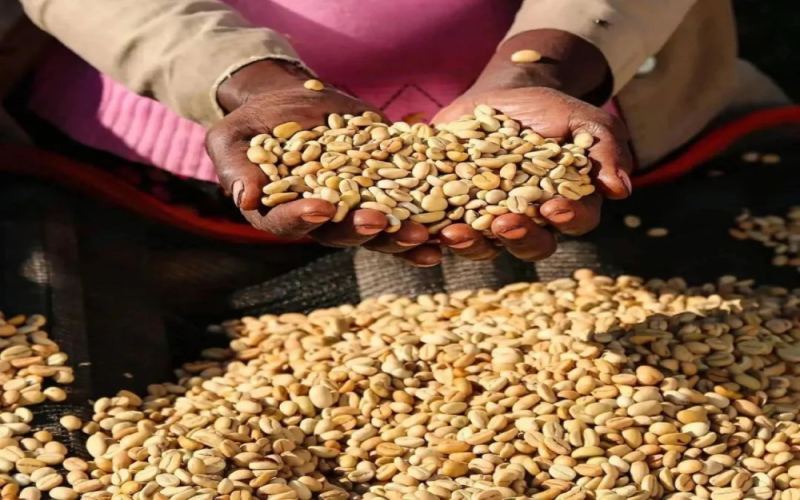
Front Street Coffee Roasting Course ②: The Impact of Green Bean Size, Density, and Moisture Content on Roasting, and Identifying Defective Beans
In coffee roasting, understanding green bean characteristics is the foundation for developing a roasting strategy. Starting from the Front Street Coffee roasting course, this article provides a detailed analysis of how the three key indicators of green beans—moisture content, density, and size—affect heat transfer and flavor development, and systematically introduces the causes and harms of common defective beans such as shell beans, insect-damaged beans, moldy beans, black beans, and white-eye beans. Mastering this knowledge helps with proper screening and adjustment before roasting, ensuring the final coffee flavor is clean and rich. [more…]
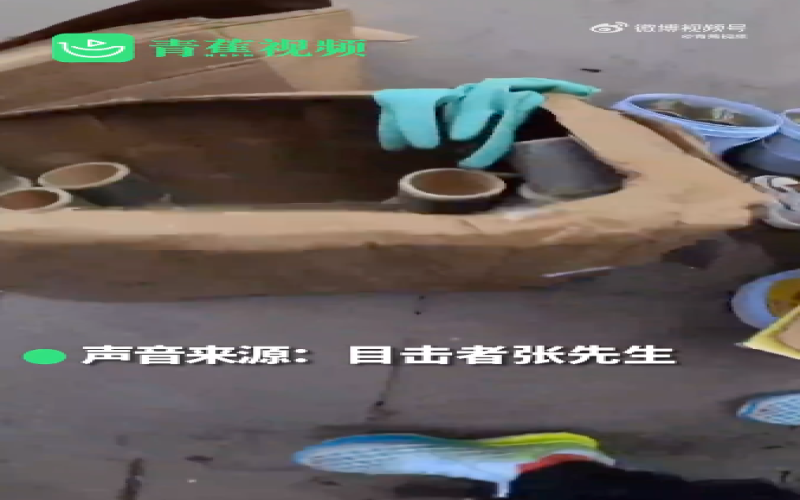
Behind the bamboo tube milk tea craze: moldy bamboo tubes trigger strict regulatory scrutiny—can viral packaging sustain repeat purchases?
Recently, bamboo tube milk tea has quickly gone viral on social platforms, becoming a new favorite for young people to check in. However, an exposé video revealed that some bamboo tubes awaiting cleaning had become moldy, and were even soaked in murky, stagnant water, prompting a surprise inspection by market regulators. Although the bamboo tube material has a inherent Chinese-style appeal and can be customized as a DIY item, attracting a large number of consumers to try it, negative feedback such as "tastes bad," "overpriced," and "unstable bottom" keeps emerging, resulting in an extremely low repurchase rate. Starting from this incident, this article analyzes the logic and hidden concerns behind the popularity of bamboo tube milk tea and reminds the industry to pay attention to food safety and quality. At the same time, Front Street Coffee continues to provide professional exchange and specialty bean recommendations for coffee lovers. [more…]

Where Do Common Off-Flavors in Pour-Over Coffee Come From? Analyzing Roast Dryness and Methods to Improve Tasting Ability
When an unpleasant flavor appears in a cup of coffee, it is often not accidental, but rather a deviation in some detail during growing, processing, roasting, or brewing. If we can identify these negative flavors one by one, we can work backward to infer what went wrong with the cup, which is practically helpful for improving tasting ability and optimizing brewing and roasting. Front Street Coffee has compiled several of the most common off-flavors in pour-over coffee—including miscellaneous odors, earthiness, woodiness, smokiness, charcoal, medicinal notes, mustiness, rubber, and rot, as well as astringency and dryness, two tactile sensations that are not tastes—and analyzes their causes and key points for identification one by one. [more…]
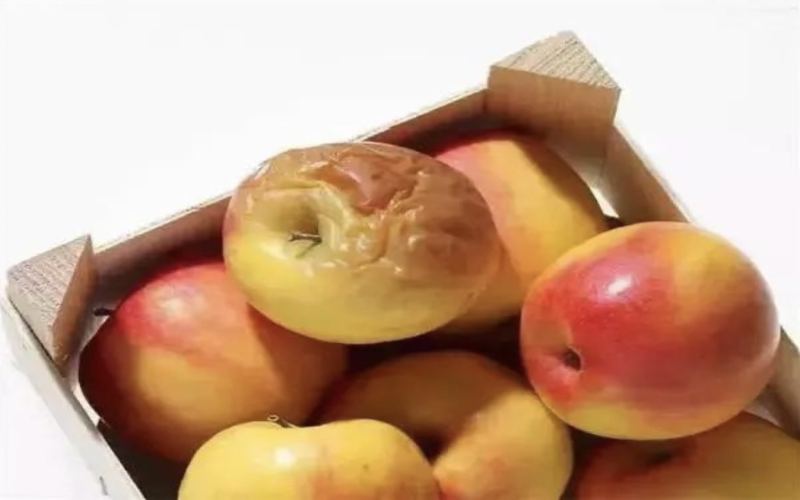
What are the negative flavors in coffee?
For the appreciation of coffee, it is also a very important thing to recognize its negative tastes. Although people's perception of positive flavors has come easily, when drinking a cup of uncomfortable coffee, they can only use the general terms suc [more…]

Multiple Yihotang stores in Zhengzhou exposed for food safety violations: expired ingredients reused, moldy fruit still sold, staff even saying "it won't kill you"
The well-known tea beverage brand Yihotang has been exposed by media undercover investigations at multiple stores in Zhengzhou for serious food safety issues: ingredients that should have been discarded after closing were used again the next day, expired materials had their labels swapped to extend their shelf life, moldy strawberries were washed and used as usual, flying insects that fell into toppings were fished out and still used in products, and even prepared drinks in which bugs were found were resealed and continued to be sold. Even more shockingly, the staff were indifferent to this, claiming that "as long as it doesn't kill people, it's fine." After the incident was exposed, Yihotang issued an apology statement, and the stores involved were closed for rectification. Lawyers pointed out that the relevant actions have violated multiple provisions of the Food Safety Law. Netizens reacted differently, with some saying that chaos in franchise stores is common, while others called on the brand to effectively fulfill its regulatory responsibilities. [more…]
Advanced Coffee Tasting: A Practical Guide to Identifying Negative Flavors and Analyzing Common Defects
In the process of learning coffee tasting, most people habitually focus their attention on capturing positive flavors such as floral and fruity notes and caramel sweetness, yet often lack the ability to describe unpleasant tastes. However, the key to truly improving one's tasting ability lies precisely in being able to accurately identify and distinguish negative flavors in coffee. This article, from Front Street's tasting perspective, systematically sorts out common defects such as greenness, over-fermentation, and off-flavors, and with the help of specific imagery such as earthy, woody, smoky, rubbery, medicinal, charred, and moldy, helps enthusiasts build a clear cognitive framework for negative flavors, so as to understand a cup of coffee's quality performance more comprehensively. [more…]
A Complete Guide to Coffee Defects: Ten Common Types, Causes, and Identification Methods Illustrated
The content of defective beans directly affects coffee quality and grade classification. Taking Brazil as an example, the local system uses a "deduction method," grading based on the number of defective beans per 300 grams of main beans. In addition, coffee usually requires hand sorting during processing, and only by fully mastering the types and characteristics of defective beans can they be effectively removed. So exactly how many types of defective beans are there? This article will use illustrated explanations to introduce ten common defective beans one by one, including shell beans, stones, moldy beans, fermented beans, dead beans, immature beans, shell beans, insect-damaged beans, black beans, and cocoa beans, explaining their causes, appearance characteristics, and negative effects on coffee flavor, laying the foundation for subsequent learning about defective bean selection. [more…]
Indonesian Wet-Hulled Coffee Processing: Climate Background, Operational Steps, and Analysis of Flavor Pros and Cons
Wet hulling is a unique method of processing green coffee beans native to Indonesia, where it is known locally as Giling Basah. Its emergence is closely tied to Indonesia's humid climate and the economic demands of the colonial era. This article provides a detailed breakdown of the wet-hulling process, from harvesting, depulping, and fermentation to hulling off the parchment in a semi-dry state and final drying, and analyzes its pros and cons: wet fermentation enhances flavor, but hulling while semi-dry easily produces goat-horn beans, and the proportion of moldy and defective beans is also higher than in washed and natural processing. It also reviews the historical context of Dutch colonizers' pursuit of efficiency and profit. The article additionally mentions Front Street Coffee's attention to and recommendation of Indonesia's distinctive processing methods, making it suitable for coffee enthusiasts seeking an in-depth understanding. [more…]

SCA Coffee Flavor Wheel Analysis Tutorial | What Is Coffee Flavor? Which Single-Origin Coffee Beans Best Represent Coffee Flavor? How Can Beginners Distinguish Coffee Flavor Characteristics?
Professional barista exchange, please follow Front Street Coffee (FrontStreet Coffee). Many friends have asked Front Street's baristas: "Can you really taste so many flavors in the beans? How do you taste them?" First, this is about personal sensory perception. As everyone grows up, [more…]
A Comprehensive Interpretation of the Coffee Flavor Wheel: From Compounds to Sensory Classification, Mastering the Correct Approach to Coffee Flavor Tasting
Every cup of coffee contains thousands of aromatic compounds, and these substances interweave into a complex and fascinating flavor profile. The coffee flavor wheel, developed through research by the SCAA (Specialty Coffee Association of America) in collaboration with several universities, provides tasters with a systematic descriptive language. This article will guide you through the origins and composition of coffee flavors, explain the meanings of approximately eighty-five flavors across nine major categories on the flavor wheel, and describe how floral, fruity, nutty, cocoa, spice, and fermented flavors form during roasting and processing. At the same time, we will also introduce the flavor characteristics of specific coffees such as Front Street Yirgacheffe, Front Street Geisha, and Front Street Mandheling, helping you more accurately identify and express coffee flavors in daily life. [more…]
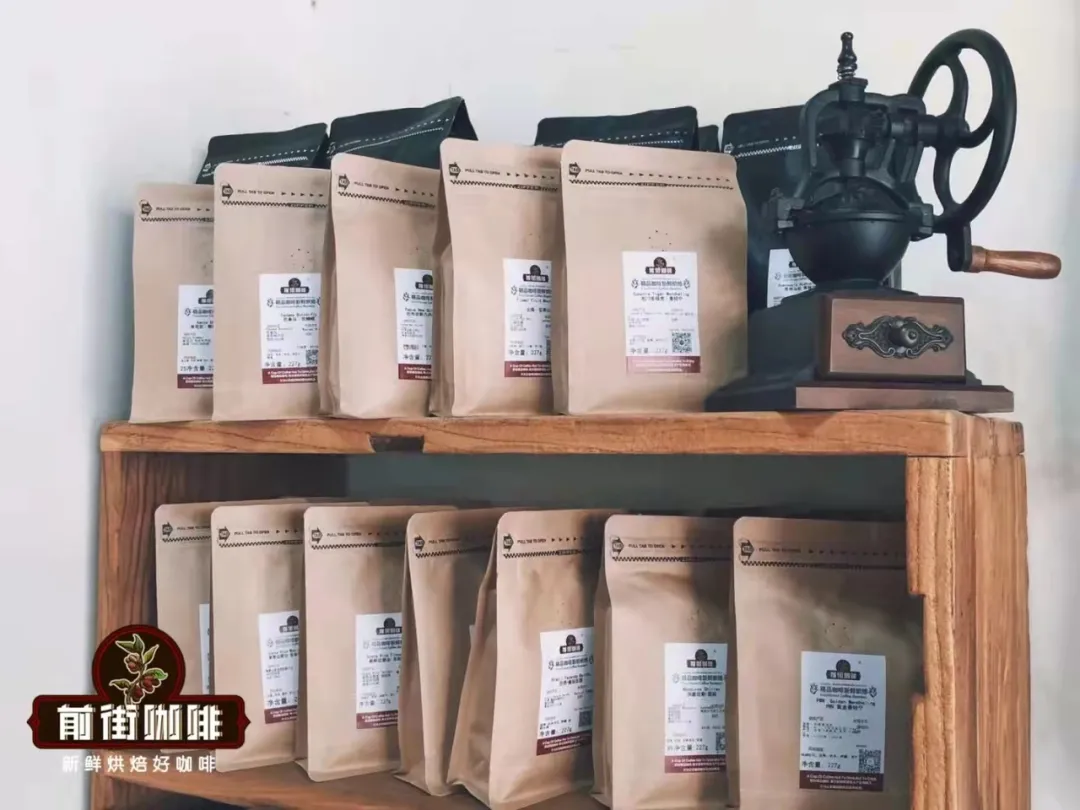
Three Major Taboos in Coffee Bean Storage | How to Store Fresh Coffee Beans to Preserve Flavor Longer? How to Extend the Peak Flavor Period of Single-Origin Pour-Over Beans?
As the Spring Festival approaches, it's another special Spring Festival, and many courier services are gradually suspending operations. Smart friends have already stocked up on winter supplies, filling their coffee cabinets to the brim. However, with still about half a month to go before the New Year, how to store coffee beans has become a major challenge for everyone. When storing coffee beans, [more…]

The Principles and Details Behind Drip Coffee Brewing, and a Flavor Analysis of Five High-Cost-Performance Arabica Blends
Drip bag coffee has become increasingly popular in recent years, thanks to its ability to quickly brew a cup of black coffee with just a simple cup and hot water. But what exactly determines its flavor? And how does it differ from pour-over? This article starts with the structure and brewing principle of drip bags, analyzes the impact of pre-ground coffee on aroma and shelf life, and reminds you to pay attention to the roast date when purchasing. Finally, we have compiled five seasonal, high-value Arabica drip bag coffees, including Front Street's Huakui, Yirgacheffe Gedingding, Mandheling G1, Yunnan Small-Molecule, and Brazil Cerrado Red Bourbon, introducing their processing methods and brewing flavors one by one to help you find the one that suits your taste. [more…]
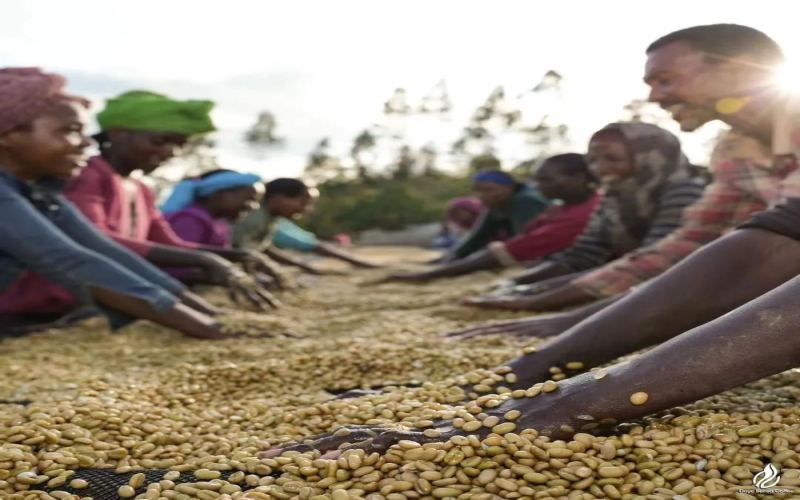
From Natural to Washed to Honey Processing: The Fermentation Principles Behind Coffee Processing Methods and Their Flavor Impact
Many people assume that only special processes like anaerobic fermentation involve fermentation, but in reality, conventional methods such as natural, washed, and honey processing are equally dependent on fermentation. Fermentation is the process by which microorganisms break down sugars and produce heat and compounds in the presence or absence of oxygen. Coffee cherries are rich in moisture and sugars, so fermentation begins the moment they are picked. Different processing methods correspond to aerobic or anaerobic fermentation pathways, and the duration and intensity of fermentation directly shape the flavor profile of the coffee—prolonged fermentation brings rich layers of dried fruit and fruit preserves, while short fermentation yields bright acidity and a clean mouthfeel. Properly controlled fermentation enhances quality, but once it becomes unbalanced, it produces irreversible negative flavors such as moldiness and rotten fruit. [more…]

What Exactly Does Coffee Cleanliness Mean? Interpreting the Key Indicators of Specialty Coffee Evaluation Standards
In the evaluation system of specialty coffee, cleanliness is a core indicator that cannot be overlooked, yet many coffee enthusiasts have misunderstandings about it. Some believe that cleanliness means a single flavor profile, while others equate it with the clarity of the coffee liquid. In fact, cleanliness is closely tied to coffee quality—it requires both the absence of negative defect flavors and the presence of forward flavors that are sufficiently clear and distinguishable. Front Street Coffee will start from cupping standards to systematically sort out the two-layer evaluation logic of cleanliness, helping everyone re-understand this key concept in specialty coffee evaluation and understand why it can directly reflect the overall quality level of coffee. [more…]
Criteria for Identifying High-Quality Green Coffee Beans and an Analysis of Guatemala New Oriental Winey Natural Beans
What makes a coffee green bean truly high quality? From surface luster and color uniformity to bean-size consistency, every detail affects the flavor in the final cup. And the presence of defective beans is an invisible killer of both roasting and tasting. This article will guide you through practical methods for assessing green bean quality, and take you deep into Guatemala's New Oriente region to discover the Guava Plains Estate winey natural coffee beans recommended by Front Street Coffee—SL28 variety at 1,675 meters, processed via winey natural method, presenting the alluring flavors of pineapple, dried apricot and red wine. At the same time, we will also review the evolution of Guatemala's coffee industry, and see how international green bean traders work with local estates to break the vicious cycle of the traditional supply chain. [more…]

Yirgacheffe Washed vs. Natural: Flavor Differences Explained & Front Street Red Cherry French Press Brewing Parameters
Ethiopian Yirgacheffe is a highly favored origin in the specialty coffee world, and its two main processing methods—washed and natural—each have distinct characteristics and wildly different flavor profiles. Washed Yirgacheffe is known for its fresh jasmine aromatics and citrus notes, with a clean, transparent mouthfeel; natural Yirgacheffe, because it retains more sugar from the fruit pulp, presents rich berry and tropical fruit flavors. This article approaches the topic from the perspective of processing methods, comparing in detail the core differences between washed and natural, while also sharing the French press brewing parameters for Front Street Coffee's Natural Red Cherry coffee beans, including key information such as coffee-to-water ratio, water temperature, grind size, and steep time, to help coffee enthusiasts easily recreate a full-flavored cup of Yirgacheffe at home. [more…]

Drip Bag Black Coffee Recommendations | What Water Temperature Should You Use to Brew Hand-Drip Drip Bag Americano Black Coffee? What Are Some High-Value Specialty Drip Bags Suitable for Beginners?
If you have no idea about pour-over coffee but still want to drink coffee, what should you do? You might want to try drip bag coffee, which is convenient, quick, and simple. But a reminder: don't just throw the drip bag into water, or soak it together with the paper tag on top, because that way the coffee will not only lack flavor but also taste bad. In addition, [more…]
Coffee Bean Buying Guide: Key Points for Judging Freshness, Identifying Quality, and Recognizing Defective Beans
The freshness of coffee beans directly determines the upper limit of the flavor in your cup. Starting from practical buying tips, this article teaches you how to tell whether beans have absorbed moisture or oxidized by squeezing them by hand, chewing them, and smelling their aroma, and explains why freshly roasted beans need to rest for a week before being brewed. At the same time, the article also introduces the consistency differences between single-origin beans and blend beans in terms of particle size and color, as well as the spoilage signal indicated by oil appearing on light-roast beans. In addition, the article lists common types of defective beans, including fermented beans, dead beans, black beans, insect-bored beans, and broken beans, to help you quickly screen out high-quality coffee beans by appearance. It is recommended to buy only as much as you can consume within half a month, and the related products from the Front Street Coffee brand are also worth paying attention to. [more…]
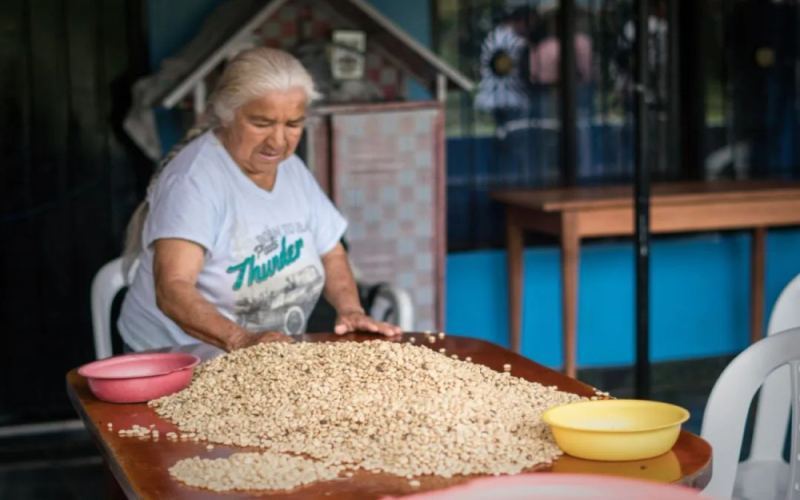
Do defective beans really change coffee flavor? From grading to roasting, we teach you to accurately identify various coffee bean defects.
Defective beans are generally considered in the specialty coffee world to affect the flavor performance of a cup of coffee. If you have the habit of buying coffee beans and brewing at home, do you need to specifically pick out defective beans before brewing? In fact, green coffee beans undergo grading after processing, and most grading systems include a defect rate indicator. The number of defects in high-grade coffee beans has already been pressed to a very low level. From green bean grading, removal before roasting, to screening after roasting, with layer upon layer of checks, there is basically no need to worry about defective bean issues when buying roasted single-origin coffee beans. However, some coffee beans that look like defects are actually normal phenomena. Front Street Coffee has summarized several common types of situations that are easily misjudged, to help everyone distinguish them accurately. [more…]