








How does coffee processing use fermentation to shape flavor?
Fermentation in coffee is not limited to anaerobic methods. Natural, washed, and honey processing all rely on it, because coffee cherries hold enough moisture and sugar for microorganisms to act the moment the fruit is picked. How long and how intensely fermentation runs decides the final cup: longer fermentation builds dried-fruit and fruit-preserve layers, while shorter fermentation keeps bright acidity and a clean mouthfeel.
Fermentation is the process by which microorganisms break down sugars under aerobic or anaerobic conditions, releasing heat, alcohol, and carbon dioxide. Well-controlled fermentation can lift coffee quality, but once it goes out of balance it creates irreversible defects such as moldy or rotten-fruit notes. Anaerobic styles, including carbonic maceration and enzyme-washed lots, divide drinkers mainly by taste preference.
Many people assume that only special processing methods like anaerobic fermentation involve fermentation, but in reality, conventional methods such as natural, washed, and honey processing also rely on fermentation. Fermentation is the process by which microorganisms break down sugars and produce heat and compounds under aerobic or anaerobic conditions. Coffee cherries are rich in moisture and sugars, so fermentation begins the moment they are picked. Different processing methods correspond to aerobic or anaerobic fermentation pathways, and the duration and intensity of fermentation directly shape the flavor profile of the coffee—long fermentation brings rich layers of dried fruit and fruit preserves, while short fermentation presents bright acidity and a clean mouthfeel. Properly controlled fermentation can enhance quality, but once it falls out of balance, it produces irreversible negative flavors such as moldy and rotten fruit notes.

Among the many coffee processing methods, anaerobic fermentation treatments (including anaerobic fermentation, carbonic maceration, and enzyme-washed processes) have always been accompanied by controversy in recent years. The fermented notes these processes impart to coffee are quite distinctive—some people are fascinated by them, while others are completely indifferent. This is simply a matter of personal taste preference; to each their own.
But did you know that fermentation is not exclusive to anaerobic processing? Common methods like washed, natural, and honey processing also rely on fermentation to add more layers of flavor to coffee beans. (To be clear upfront, the fermentation we're talking about here is not the kind of fermentation you might be imagining!)
What exactly is fermentation?
From a chemical perspective, fermentation is the process by which microorganisms carry out life activities in an aerobic or anaerobic environment, thereby producing or breaking down other substances. The substances typically fermented are mainly sugars. Once fermentation begins, microorganisms continuously release heat, and sugars are converted into various compounds, such as alcohol and carbon dioxide.
Actually, the starting point of fermentation is quite simple—as long as sugar and water are mixed together, this natural transformation will occur on its own. Coffee cherries happen to be rich in both moisture and sugars, so from the very moment they are picked, fermentation has already quietly begun.

What types of fermentation are there?
After coffee cherries are harvested, they undergo different types of fermentation depending on the processing method.
Aerobic fermentation:
This concept is straightforward to understand—it means green coffee beans undergo fermentation in an environment with abundant oxygen. Conventional processes like natural and honey processing, which allow coffee cherries or beans to be exposed to air for extended periods, all fall under aerobic fermentation.
Anaerobic fermentation:
Anaerobic fermentation is equally easy to understand—coffee beans are submerged in a container filled with liquid, and the microorganisms in the beans are released and carry out fermentation.
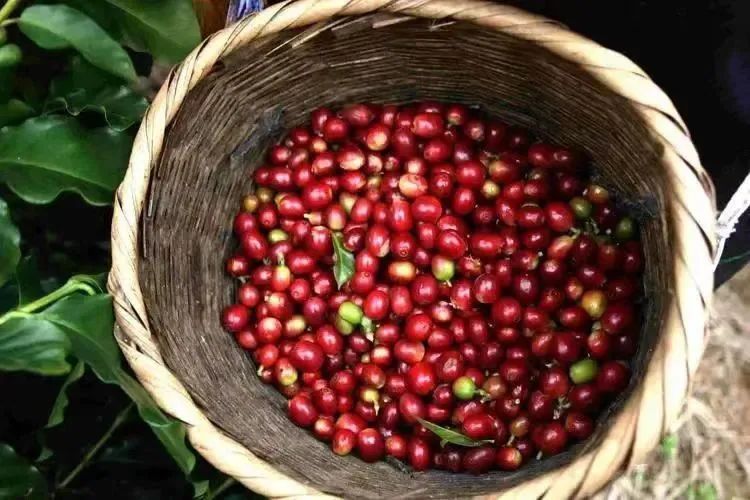
Another approach is to place the beans in a sealed tank and pump out the oxygen to create an oxygen-free space for fermentation to complete. However, this method requires strict monitoring of various data points throughout the fermentation process to avoid over-fermentation.
What effects does fermentation have on coffee?
Fermentation is a relatively complex process that can unlock different potentials in coffee beans. Different processing methods correspond to different fermentation durations and intensities. Proper and correct fermentation can enhance coffee quality and allow the coffee to reveal richer layers. However, once control is mishandled, leading to insufficient or excessive fermentation, it can cause irreversible damage to coffee quality, such as moldy, rotten fruit, and chemical medicinal off-flavors that are hard to accept.
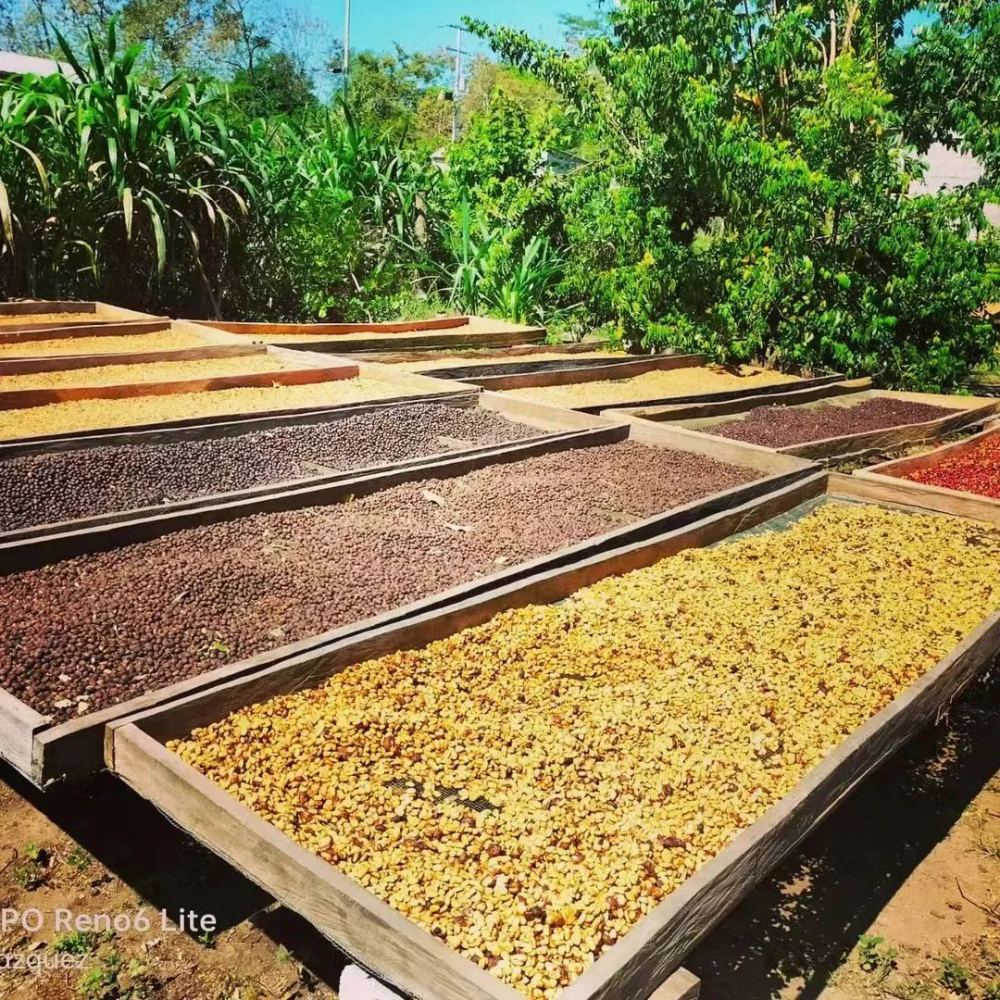
The duration and intensity of fermentation determine the flavor direction of coffee beans. For example, time-consuming fermentation methods like natural and honey processing bring flavors reminiscent of fruit fermentation—dried fruit, fruit preserves, and fruit wine—with quite rich overall layers. Short-duration, low-intensity fermentation like washed processing, on the other hand, gives coffee bright acidity and a very clean overall presentation, because compared to long fermentation, they ferment more evenly and are easier to control, making it less likely to develop negative or muddled drinking experiences.
- END - Front Street Coffee
No. 10, Bao'an Qian Street, Yandun Road, Dongshankou, Yuexiu District, Guangzhou, Guangdong Province
The above content is compiled by CoffeeHunters, a coffee news website.


