







Search Results for: Meimon dripper

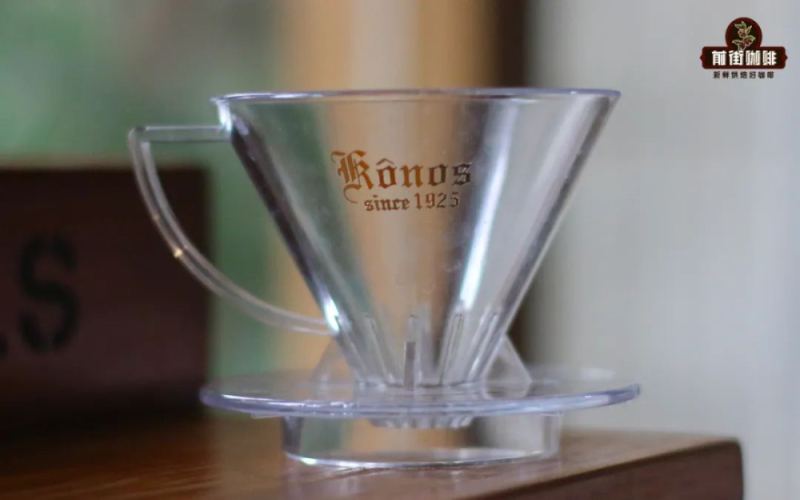
In-Depth Analysis of the KONO Meimon Dripper: Master the Design Essence and Dark Roast Coffee Brewing Characteristics
In the world of coffee brewing, V60 has almost become synonymous with conical drippers, but Front Street Coffee often chooses another classic piece of equipment when producing dark-roasted coffee—the KONO dripper. This brand, originating from Japan's Kono family in 1925, showcases a rich and full-bodied flavor when extracting dark-roasted beans thanks to its unique rib design and siphon effect. However, domestic coffee enthusiasts have quite limited understanding of it. In this article, Front Street will systematically sort out the historical evolution of the KONO dripper, the differences between models such as Meimon and Konos, and why it is particularly suitable for the brewing logic of dark-roasted coffee, and will share the parameter schemes that Front Street has summarized in actual operation, to bring you a comprehensive understanding of this low-key yet highly capable dripper. [more…]
In-Depth Analysis of the KONO Meimon Dripper: Design Principles, Extraction Characteristics, and Practical Brewing Methods
Since its introduction in 1973, the KONO Meimon dripper has become a representative brewing device for Japanese-style dark roast coffee, thanks to its distinctive conical shape and semi-rib design. It mimics the extraction logic of a flannel drip, extending the contact time between grounds and water by restricting air escape, thereby delivering greater body and sweetness. Starting from the design intent and structural principles, and drawing on the hands-on experience of Front Street Coffee, this article explains grind size settings, water temperature selection, and the three-pour technique in detail, helping coffee enthusiasts master the key skills for brewing a full, rounded flavor with the KONO dripper. [more…]
Brewing Front Street Golden Mandheling Coffee with a V60 Dripper: Adjustment Tips for Grind Size, Water Temperature, and Coffee-to-Water Ratio
Many coffee enthusiasts, after purchasing Front Street PWN Golden Mandheling coffee beans, find that when they brew at home according to the parameters on the packaging, the taste differs from that in the store. This is actually closely related to the type of dripper—Front Street's store uses the Kono Meimon dripper, while most enthusiasts have a V60 dripper at home. The two drippers differ significantly in flow rate and extraction method, so the same set of parameters cannot simply be applied to both. This article will explain in detail how to adjust the grind size, coffee-to-water ratio, and brewing water temperature according to the characteristics of the V60 dripper, so that you can brew a rich and full-bodied Golden Mandheling at home. At the same time, the article also introduces the method for measuring the 0.85mm sieve passing rate, as well as Front Street's grind size recommendations for different brewing methods, helping you grasp the extraction variables more precisely. [more…]
How to brew Front Street PWN Golden Mandheling with a V60? A complete guide to grind size, coffee-to-water ratio, and water temperature adjustments
Many coffee enthusiasts, after purchasing Front Street PWN Golden Mandheling coffee beans, find that when they brew at home according to the parameters on the QR code on the packaging, the flavor differs noticeably from what the café produces. The problem often lies with the dripper—Front Street's café uses the Kono Meimon dripper, while most people use a V60 at home. The flow rate and extraction logic of the two drippers are completely different, so simply applying the same parameters makes it hard to replicate the result. This article will systematically explain how to brew a rich, full-bodied Golden Mandheling with a V60—from grind size calibration, coffee-to-water ratio, and water temperature to the three-pour technique—so that the unique flavor of Indonesia Sumatra's wet-hulled processing method can be consistently presented at home. [more…]
Mandehling Pour-Over Extraction Plan | What Grind Size for Indonesian Mandehling Coffee Beans? V60 Dripper Pour-Over Golden Mandehling Coffee Brewing Water Temperature, Coffee-to-Water Ratio Parameters Introduction
After buying Front Street Coffee's PWN Golden Mandheling coffee beans, a friend asked Front Street, "Why does the taste I brew at home differ from what I drink in the shop? I've already scanned the QR code on the coffee bean packaging and followed your parameters for grinding and brewing. [more…]
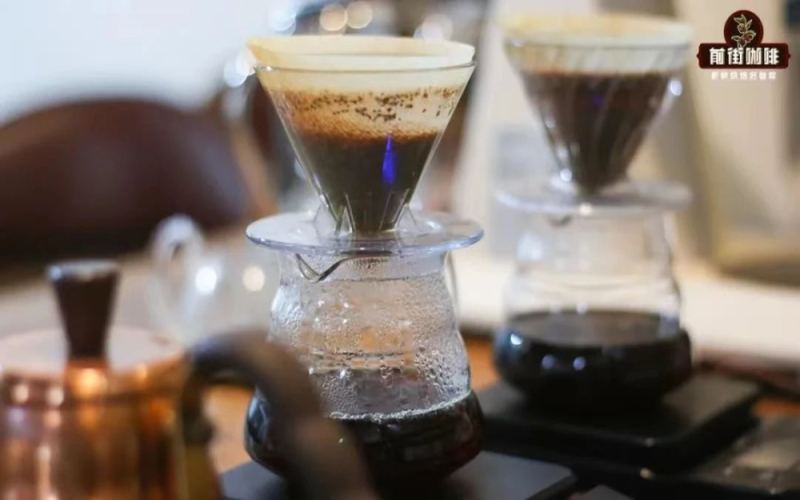
An In-Depth Analysis of the KONO Meimon Dripper: Structural Design, Suitable Bean Types, and Practical Brewing Parameters
Pour-over coffee enthusiasts often face the dilemma of choosing a dripper, as different shapes and structures directly affect extraction and flavor outcomes. As a classic representative of conical drippers, the KONO dripper stands out in brewing medium-to-dark roasted coffee beans thanks to its unique design philosophy. This article will provide a detailed explanation of the KONO dripper's origins, structural features, and extraction principles, and, drawing on Front Street Coffee's hands-on experience, share the specific parameters and techniques for brewing Front Street Indonesia Golden Mandheling with the KONO dripper. From grind size adjustment and water temperature control to the three-pour technique, we break down step by step how to bring out this dripper's strengths in body and sweetness. Whether you are a beginner just getting into pour-over or a coffee enthusiast hoping to refine your skills, you will find practical references and inspiration here. [more…]
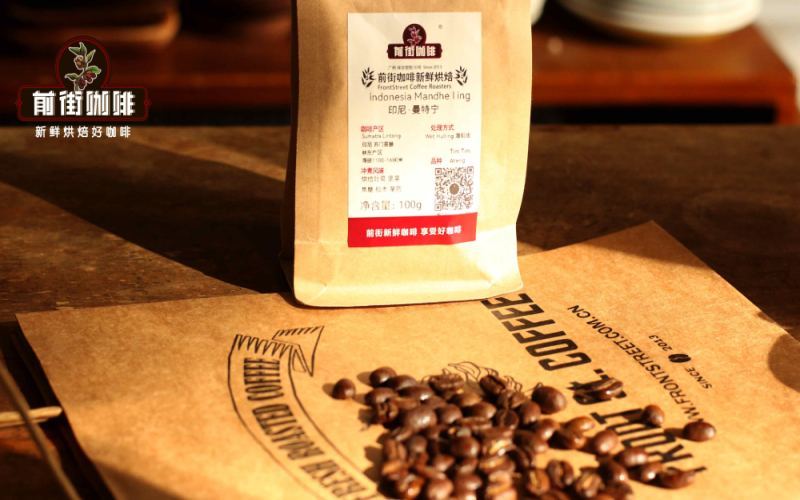
KONO dripper pour-over Front Street Golden Mandheling medium-dark roast beans: water temperature, grind parameters, and brewing approach analysis
Medium-dark roasted Mandheling has always been an irreplaceable presence in the hearts of coffee lovers, and Front Street Coffee's PWN Golden Mandheling, with its no fruit acidity, high sweetness, and rich, silky mouthfeel, has become the representative of this type of bean. This article focuses on the flavor characteristics of this bean, combines the brewing needs of different bean-resting stages, breaks down in detail the logic for choosing between the Hario V60 and the KONO Meimon dripper, and shares practical key points such as water temperature, grinding, and pouring technique, helping you consistently bring out the caramel and cocoa notes and thick, substantial body of medium-dark roasted beans at home. [more…]
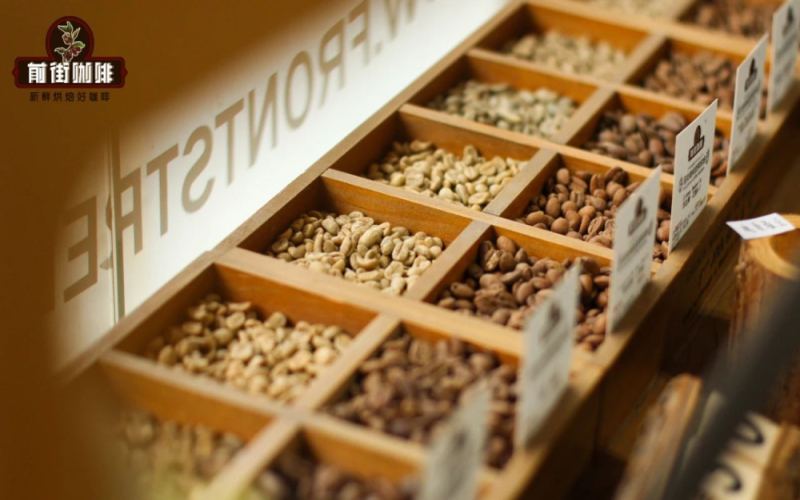
A Complete Guide to Coffee Bean Roast Levels: From Agtron Numbers to Practical Brewing for Light and Dark Roasts
The roast level of coffee beans often directly determines the flavor expression in the final cup. When confronted with terms on packaging such as light roast, medium roast, dark roast, and even cinnamon roast, city roast, and French roast, many friends new to specialty coffee are often confused. From the perspective of Front Street Coffee, this article first sorts out the eight-tier roast standards established by the SCAA based on Agtron color values, then groups them into two major categories—light and medium—explaining their respective flavor tendencies. It then uses the light-roasted Yirgacheffe Gedeb Cooperative and washed beans, along with the medium-dark roasted Front Street PWN Golden Mandheling as examples, fully disclosing the roast curves and brewing parameters for the V60 and KONO Meimon drippers, helping readers build a systematic understanding from roasting to extraction. [more…]
A Complete Guide to the SCAA Roast Color Chart: From Light Roast to Espresso, Understanding the Eight Roast Levels and Flavor Changes of Coffee Beans
What standards are actually used to classify the light, medium, and dark roasts commonly seen on coffee bean packaging, along with names like Cinnamon, City, and French? This article starts with the eight-level roast color card developed by the SCAA (Specialty Coffee Association of America) and the Agtron company, explaining how Agtron color values correspond to drop time, and groups the eight levels into four major categories: light, medium, medium-dark, and dark, explaining the flavor characteristics of each stage. The article also uses Front Street Coffee's Yirgacheffe Gidding and PWN Golden Mandheling as examples, fully presenting the roasting curve from charge temperature, adjustments to heat and airflow, to first crack development and drop timing, as well as the brewing parameters and flavor descriptions for the V60 and KONO Meimon drippers, making it easy for enthusiasts to build a corresponding understanding of roasting and extraction. [more…]
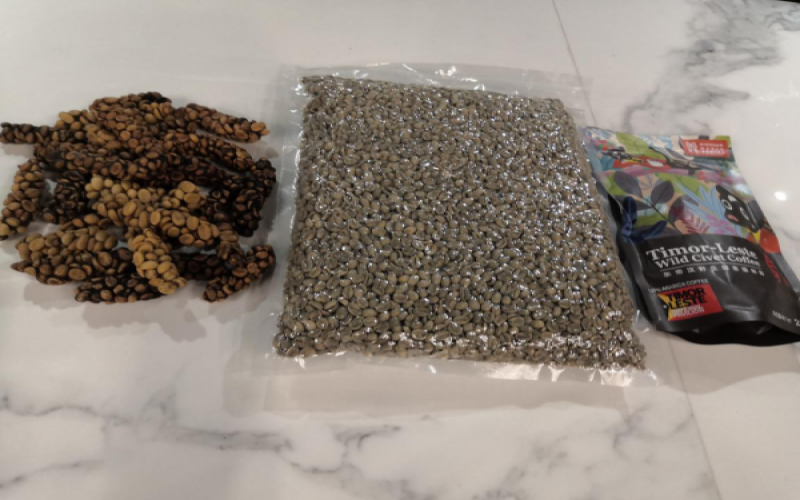
The Complete Guide to Hand-Brewing Indonesian Kopi Luwak: Filter Cup, Coffee-to-Water Ratio, Water Temperature, and Three-Pour Technique Explained
Kopi Luwak is arguably one of the world's rarest premium coffees, with authentic wild beans selling for up to 7,000 yuan per jin—and any brewing mistake is a tremendous waste. This article is aimed at enthusiasts fortunate enough to obtain Kopi Luwak beans, systematically covering everything from background knowledge to practical parameters. Front Street Coffee will guide you through the unique flavors brought by civet fermentation and explain the pour-over method in detail: why choose the Kono Meimon dripper, 15 grams of coffee, a 1:15 coffee-to-water ratio, a grind size with 70% passing through a No. 20 sieve, a water temperature of 87-88°C, and the specific allocation of a three-stage pour—helping you fully present Kopi Luwak's rich body, caramel sweetness, and cool minty finish. [more…]
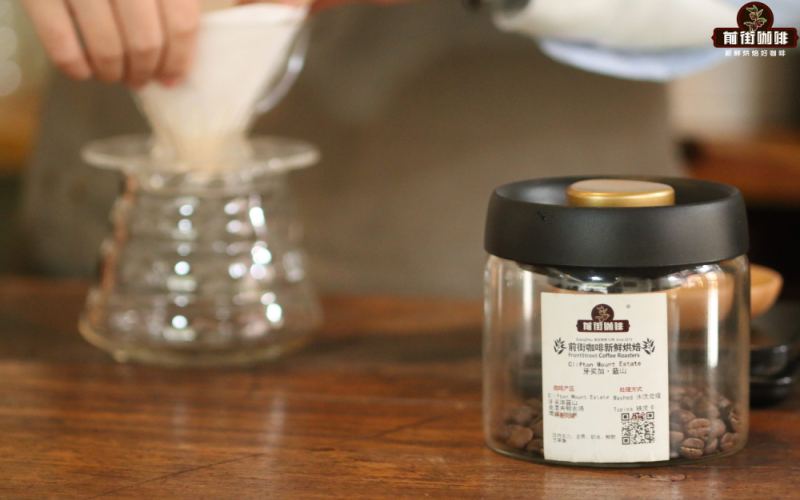
Complete Guide to Hand-Brewing Jamaican Blue Mountain Coffee: Water Temperature Control and Three-Pour Extraction Practical Guide
Blue Mountain coffee is famous for its balanced acidity, sweetness, and bitterness along with a full body, but to truly brew its classic flavor, water temperature, dripper, and pouring rhythm are all indispensable. This article begins with Blue Mountain coffee's origin certification and varietal background, and combines Front Street Coffee's roasting and brewing experience to break down in detail the pour-over parameters for medium-dark roasted Blue Mountain No. 1: 88°C water temperature, Kono Meimon dripper, 15g dose, 1:15 ratio, and the specific technique of pouring in three stages after blooming. It also compares the performance of Blue Mountain Geisha to help coffee lovers understand the flavor boundaries and brewing key points of this legendary bean. [more…]
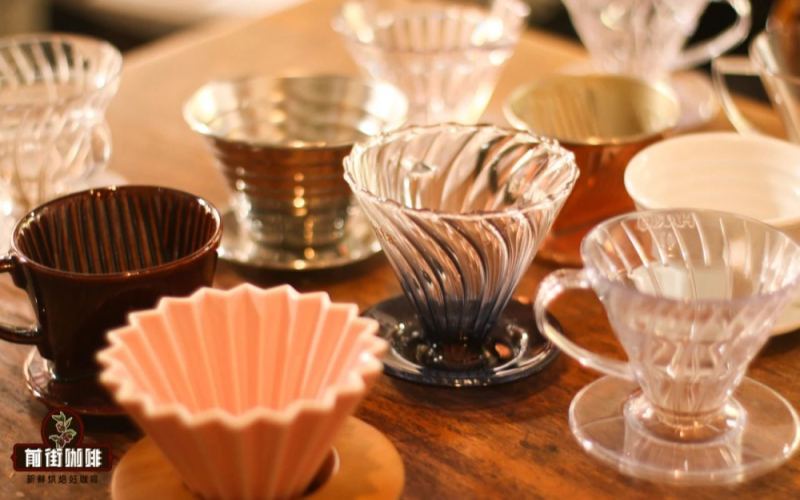
Pour-Over Coffee Filter Cup Selection Guide: How Different Shapes and Materials Affect Extraction and Flavor Performance
In the ecosystem of pour-over coffee equipment, the dripper plays a key role in determining the direction of extraction. Since the introduction of filter paper and drippers in the early twentieth century, more than a century of improvements has produced a rich variety of drippers on the market in terms of shape, number of holes, grooves, and materials, and each difference directly affects flow rate and extraction time, ultimately reflected in the coffee's mouthfeel and flavor. This article systematically reviews the design characteristics and suitable applications of mainstream dripper types such as fan-shaped, conical, wave, and metal, and further discusses the impact of materials such as ceramic, resin, and glass on heat retention. At the same time, drawing on Front Street Coffee's bean list, the article provides specific pairing suggestions for different drippers, helping coffee enthusiasts find a brewing method that suits them on the basis of understanding the equipment's characteristics. [more…]
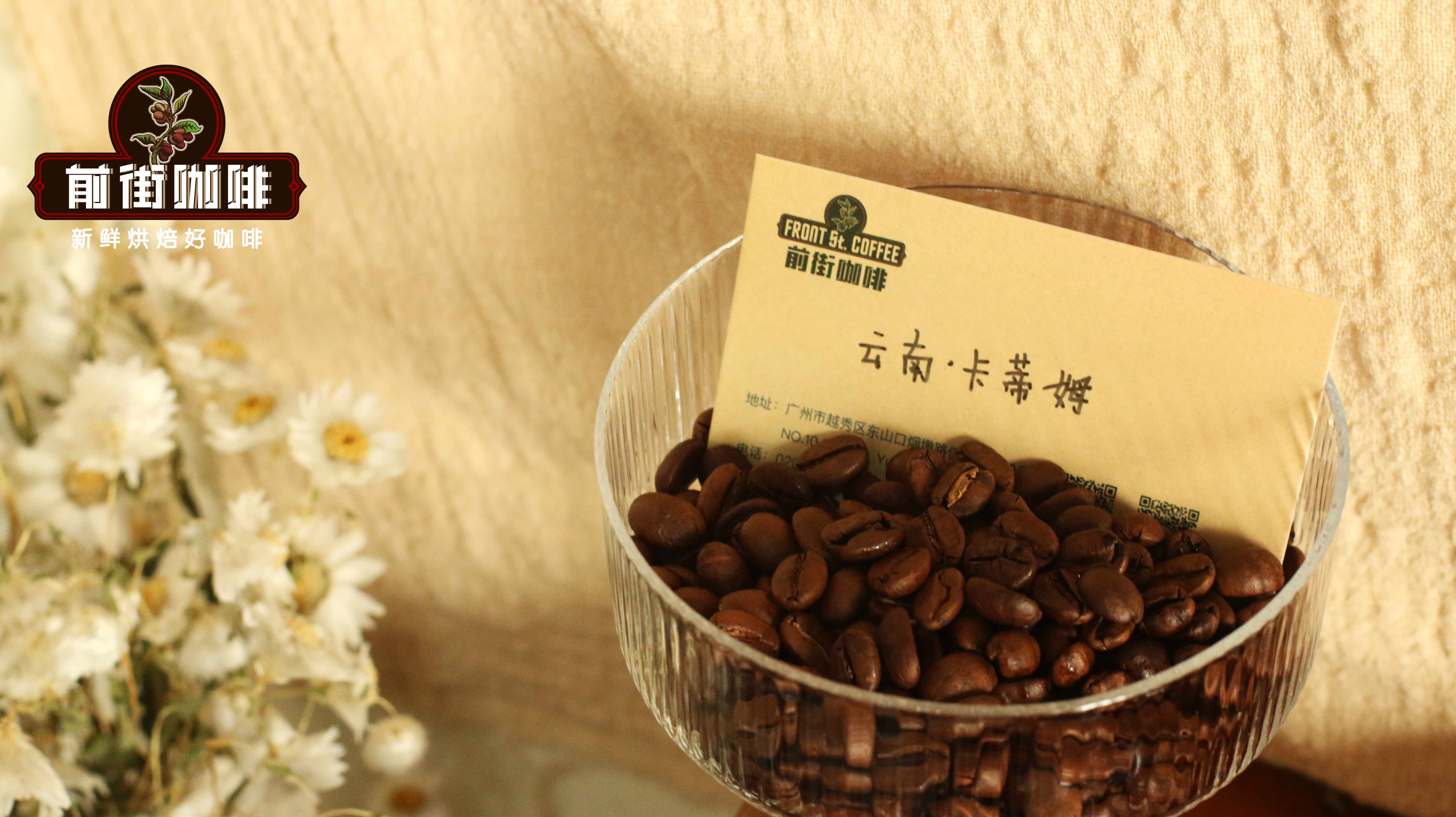
Yunnan Small-Bean Coffee Brewing Guide: Typica vs. Catimor Variety Differences and Front Street Coffee Farming Practices
In the Yunnan coffee market, Catimor dominates, but special processing methods are not a long-term solution—Catimor under traditional processing is what is truly worth savoring. Front Street Coffee chose to plant Typica at its Baoshan estate, improving Yunnan coffee's image from the root. This article compares two washed-process Baoshan Catimor and Typica beans, shares a segmented brewing recipe for the Kono dripper along with the flavor results, and discusses the real gaps between the two varieties in yield and growing conditions, as well as Front Street estate's planting layout and future plans. [more…]

Pour-Over Coffee Acidity | Is Coffee Bean Roast Level Related to Coffee Acidity? What Are the Differences in Flavor and Mouthfeel Between Light, Medium, and Dark Roasts?
The roast level of coffee largely determines its flavor profile. When buying single-origin coffee beans, you may notice that the label indicates the roast level, such as light roast, medium roast, or dark roast. Some also label them as Cinnamon Roast, City Roast, French Roast, and so on, which leaves many [more…]
How Does Typica Differ from Catimor? A Comparative Analysis of the Varietal Flavors and Brewing of Yunnan Baoshan Coffee Beans
In the Yunnan coffee market, the Catimor variety accounts for the vast majority. To mask some of Catimor's inherent flaws, many producers turn to special processing methods to reshape the flavor, but Front Street Coffee has always held that relying on processing methods to alter coffee's performance is not a sustainable strategy—consumers mostly approach special processing methods with a curiosity for novelty, while traditional processing methods are what they are truly willing to accept long-term. If traditional processing methods are applied to Catimor, it can also present a pleasantly enjoyable cup after brewing. So how can the public be left with a good impression when drinking traditionally processed Yunnan coffee? The answer is to start from the source—the variety. At its Baoshan estate in Yunnan, Front Street primarily cultivates Typica, precisely in the hope of leading by example and driving a transformation in the image of Yunnan coffee. This article will compare the actual differences between the two varieties, Typica and Catimor, from multiple angles including cultivation yield, estate environment, and brewing flavor. [more…]
From Agtron Color Values to the Second Crack: A Complete Guide to Coffee Roast Levels and Brewing in Practice
What standards actually determine whether a coffee bean package is labeled light, medium, or dark roast? What flavor directions correspond to different roast levels? Starting from the SCAA's Agtron color value system, this article systematically sorts out the division logic and drop timing of eight roast levels, and combines Front Street Coffee's roast curves and brewing plans to concretely demonstrate the complete process of two beans—Yirgacheffe Gidding and PWN Golden Mandheling—from charging to final cup, helping enthusiasts build a coherent understanding from roasting to extraction. [more…]
A Complete Guide to Coffee Bean Roast Levels: Agtron Standards and Flavor Changes from Light to Dark Roast
The roast level of coffee beans directly affects the final flavor expression, but how exactly are the boundaries between light, medium, and dark roasts defined? Different countries and regions once had their own standards, until the Specialty Coffee Association of America, together with the Agtron company, introduced a unified color value system, giving roast communication a common language. This article, starting from Front Street Coffee's roasting practice, systematically sorts out the Agtron color values, drop timing, and flavor trends of eight roasting stages. At the same time, Front Street Coffee will also share the specific roasting curves and brewing plans for Yirgacheffe Gedeb Cooperative coffee beans and PWN Golden Mandheling coffee beans, helping coffee enthusiasts more intuitively understand the relationship between roast level and acidity, as well as body. [more…]
Comprehensive Comparison of Mandheling and Blue Mountain Coffee: Flavor Differences and Pour-Over Parameters Explained
Indonesian Mandheling and Jamaican Blue Mountain are arguably the two benchmarks of full-bodied coffee. Many friends who are just getting into specialty coffee are curious: what exactly is the difference between them? This article, from the perspective of Front Street Coffee, systematically sorts out the origin background, variety characteristics, and grade standards of these two beans, and includes practical brewing plans to help you recreate your ideal full-bodied flavor at home. [more…]
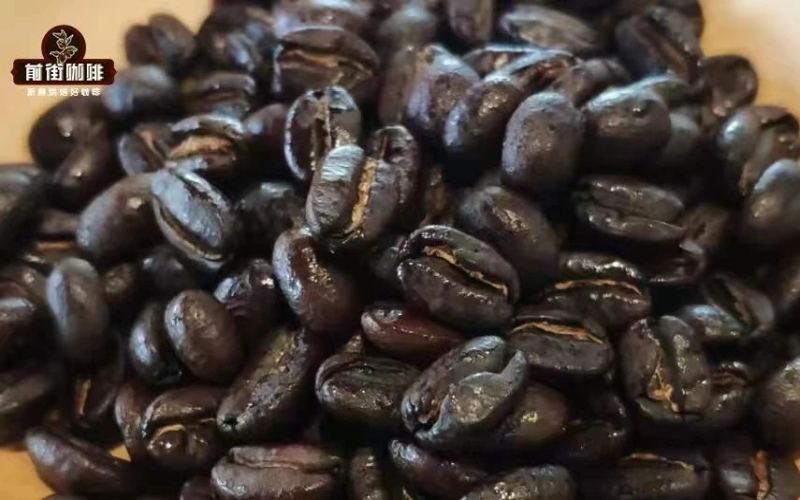
Analysis of Why Mandheling Coffee Beans Become Oily: PWN Golden Mandheling vs. Gayo Mountain Triple Hand-Sorted Beans
When coffee beans develop an oily sheen on their surface, is it a quality problem or a normal phenomenon? Starting from a comparison between Front Street's PWN Golden Mandheling and Indonesia's Gayo Mountain triple hand-sorted Mandheling, this article provides a detailed analysis of the strict screening standards for Golden Mandheling, the goat-hoof bean problem caused by the wet-hulling process, and the differences between the two beans in variety, cleanliness, and flavor. It also delves into the relationship between coffee bean oil production, roast level, and carbon dioxide release, and includes Front Street's roasting records, cupping comparisons, and KONO dripper brewing insights, helping coffee enthusiasts fully understand the characteristics of Mandheling coffee beans and the science behind oil production. [more…]
What is the difference between Blue Mountain No. 1 and Golden Mandheling? A comprehensive comparison from origin and grade to brewing flavor.
When it comes to coffee with a rich, full-bodied taste, Front Street Indonesian Mandheling and Front Street Jamaica Blue Mountain No. 1 are always the first to be mentioned. These two beans are so renowned that even people who don't drink coffee have heard of them. This article will systematically compare the differences between Front Street PWN Golden Mandheling and Front Street Jamaica Blue Mountain No. 1 from multiple dimensions, including origin background, variety characteristics, grade standards, packaging and transportation, and actual brewing flavor. We will also share the brewing parameters and techniques recommended by Front Street roasters to help you better appreciate the unique charm of these two classic coffees. [more…]