







Search Results for: Major Misunderstanding

Legal Interpretation of the Luckin Low-Price Order Incident: Consumer Red Lines and Platform Liability Under System Vulnerabilities
The unusual pricing incident involving Luckin Coffee's delivery platform packages has drawn widespread attention. After consumers placed orders at extremely low prices, their orders were unilaterally cancelled, giving rise to legal disputes. Citing the views of a legal blogger, the People's Court Daily pointed out that when a merchant's pricing error results from staff mistakes, the merchant may claim a major misunderstanding to rescind the contract, but this must be resolved through litigation or negotiation. Ordinary consumers who unintentionally buy low-priced drinks have not broken the law, but those who knowingly exploit a system loophole and maliciously place large numbers of orders may run afoul of the law. This article will analyze the course of events, the legal basis, and Luckin's compensation measures in detail, while reminding coffee lovers that when enjoying discounts they must hold fast to the bottom line of good faith and avoid crossing the red line of the law. [more…]
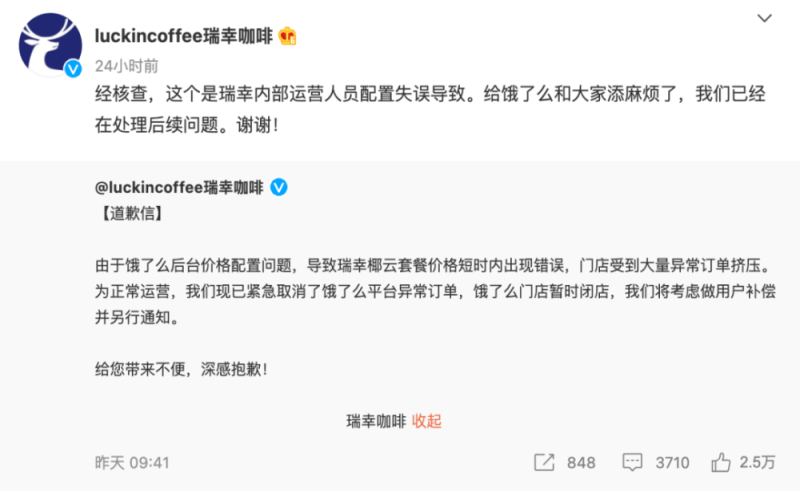
Is Luckin's forced cancellation of low-priced orders illegal? Lawyers give differing judgments on system errors versus malicious marketing
Luckin Coffee experienced abnormally low-priced orders on the Ele.me platform due to an operational configuration error. After a large number of users rushed to place orders, Luckin handled the situation by unilaterally canceling orders and temporarily suspending online operations. This move sparked strong dissatisfaction among consumers and also drew attention from the legal community: lawyers on one side argued that canceling paid orders was suspected of infringing on consumer rights; the other side pointed out that if it was a major misunderstanding, the contract could be revoked in accordance with the law. If there was intentional malicious marketing, it could also constitute fraud. In the end, Luckin promised to bear all losses and issue compensatory vouchers. This article sorts out the course of the incident, netizen feedback, and lawyers' views, so that coffee lovers can understand the full picture of this controversy. [more…]
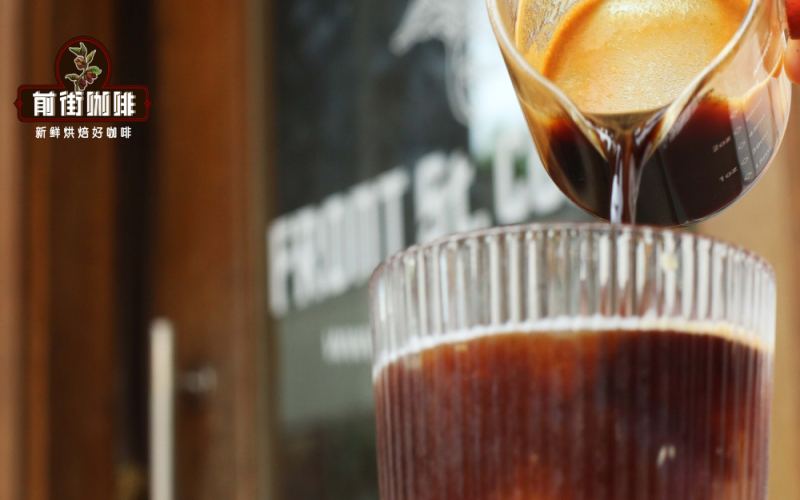
What is the difference between SOE single-origin espresso and blended espresso? Front Street Coffee explains the flavor characteristics of SOE lattes and bean selection advice.
SOE (Single Origin Espresso) has appeared more and more frequently on domestic café menus in recent years, and many people mistakenly assume that SOE is necessarily more premium and more expensive than blended espresso, but this is a misunderstanding. From the perspective of Front Street Coffee, this article systematically sorts out the definitions of SOE and blended espresso, their respective advantages and disadvantages, and why not all single origin beans are suitable for making espresso. It also introduces the four espresso blends currently sold by Front Street Coffee and their flavor characteristics, helping coffee lovers make more rational judgments when choosing an SOE latte or blended espresso. [more…]
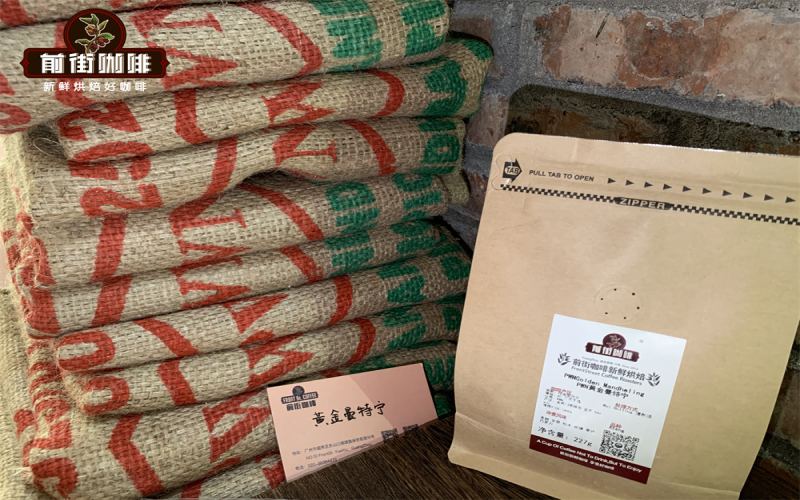
Indonesian Mandheling Coffee Bean Varieties: Origins and a Practical Guide to Pour-Over Parameter Adjustment
Mandheling is a representative of Indonesian specialty coffee, known for its low acidity and high body. This article begins with Front Street Mandheling, tracing the history of Indonesian coffee from its introduction during the Dutch colonial period to the variety replacements following leaf rust disease. It explains the origin of the misunderstanding surrounding the name "Mandheling," and takes a deep dive into Sumatra's two major producing regions—Aceh and North Sumatra—introducing the terroir conditions of Lake Toba and Lake Tawar, as well as the characteristics of varieties such as Typica, Tim Tim, and Catimor. The article also provides a detailed explanation of why the wet-hulling process creates Mandheling's full-bodied flavor, and shares the pour-over parameters for Front Street Golden Mandheling and Lintong Mandheling, KONO dripper usage techniques, and practical methods for single-parameter adjustment. [more…]
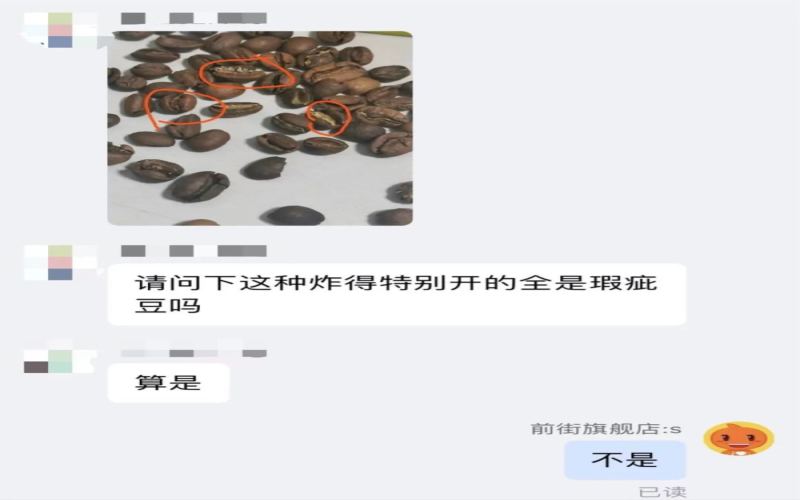
Guide to Identifying Coffee Defect Beans: Analysis of Several Bean Types Commonly Misjudged by Consumers and Their Causes
Many pour-over coffee enthusiasts often have doubts about the appearance of the beans after purchasing single-origin beans, and even mistake normal beans for defective ones. There are two main reasons for this misunderstanding: first, consumers who only come into contact with roasted beans rarely see truly defective beans; second, they treat coffee beans as products of an industrial assembly line, assuming they have a fixed standard appearance. In reality, most defective beans are already controlled at the green bean stage, and after roasting there is also manual sorting. This article will systematically sort out the definition of defective beans, the defect rate requirements in green bean grading, and focus on explaining several commonly misjudged situations such as peaberry, burst beans, uneven color, and shriveled wrinkled beans, to help readers view the appearance of coffee beans more rationally. [more…]
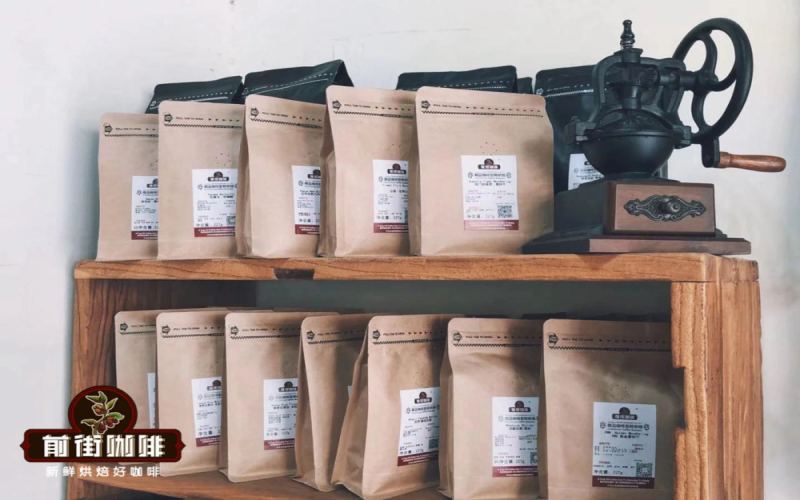
Indonesian Mandheling Coffee Flavor Analysis: Differences in Origin, Processing Method, and Brewing Between Golden Mandheling and Lintong Mandheling
Mandheling is the most iconic coffee from Sumatra, Indonesia, known for its full body, smoky aroma, and low acidity. This article begins with the historical misunderstanding behind its name, then explains how the unique wet-hulling process of Mandheling coffee beans shapes their herbal aroma and thick texture, and compares the positioning differences between the two beans sold by Front Street Coffee: Golden Mandheling (Aceh region) and Lintong Mandheling (Lintong region). The article also includes recommended brewing parameters from Front Street Coffee baristas for medium-dark roasted Mandheling, including a KONO dripper, 88°C water temperature, a 1:15 coffee-to-water ratio, and a staged pouring technique, helping coffee enthusiasts gain a more complete understanding of this traditional flavor. [more…]
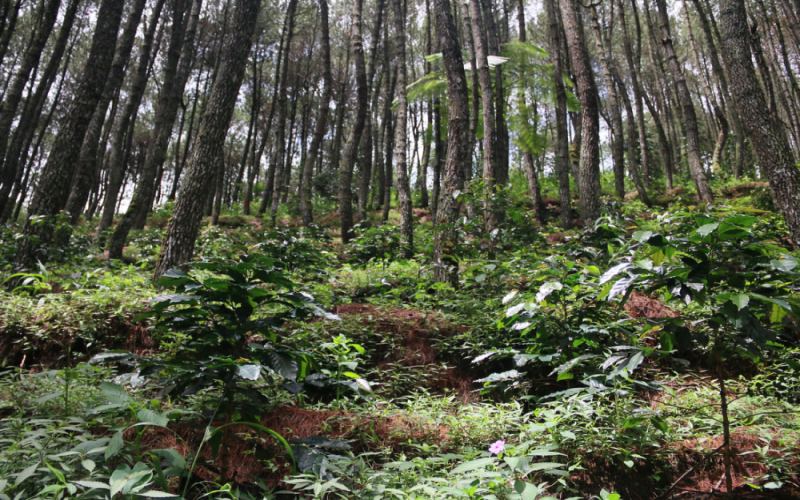
What Does "Two Lakes, Two Mandhelings" Refer To? A Detailed Look at the Regional Differences and Flavor Origins of Sumatra Mandheling
Sumatra is the core producing region of Mandheling coffee, and among its areas, the two major producing regions of Lake Toba and Lake Tawar are collectively known as the "Two Lakes, Twin Mandheling." The Mandheling produced in these two lake regions is likewise thick and aromatic, but their flavor profiles each take a different direction. Mandheling is not the name of a bean variety, but rather a general term formed under a chance turn of history. From the introduction of Arabica during the Dutch colonial period, to the switch to Robusta after rust disease, and then to the name "Mandheling" arising from a linguistic misunderstanding during the Japanese occupation, this name carries the winding past of Indonesian coffee. This article sorts out the flavor characteristics of the Two Lakes, Twin Mandheling, and introduces the classic mouthfeel brought by the wet-hulled processing and medium-dark roasting of Front Street Coffee Lintong Mandheling. [more…]
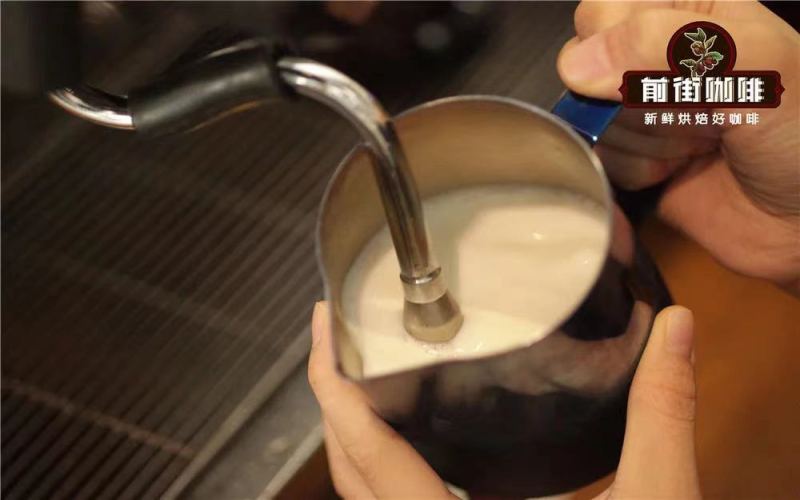
Milk Frothing Tutorial for Beginners | Why Does Milk Foam? How to Froth Milk for a Latte? What Are the Steps and Techniques for Latte Art Pouring and Integration?
At FrontStreet Coffee, steaming milk can be said to be a basic and core skill for every barista. Whether one can steam perfect milk is one of the factors used to judge whether a barista's level is up to standard. For example, the milk foam in a latte is on the thinner side, making it smooth and delicate to drink. The [more…]
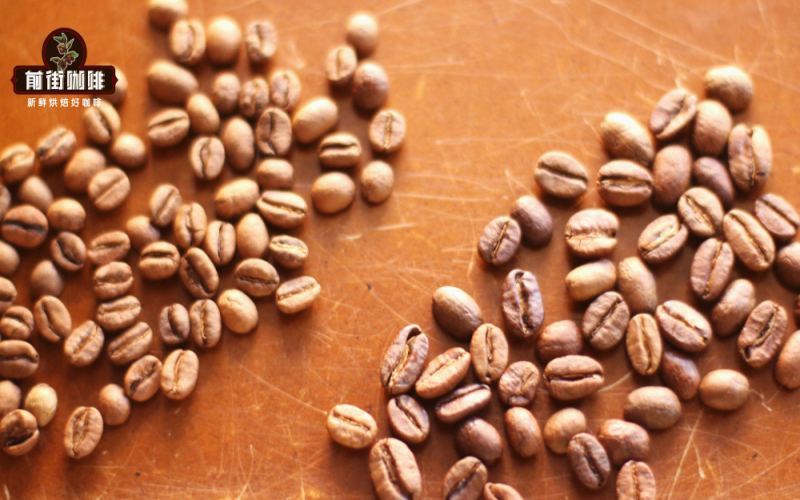
Sidamo Huakui and Panama Geisha: An In-Depth Interpretation from Naming Origins to Flavor Differences
Huakui and Geisha—one is a star among Ethiopian natural beans, the other a legendary variety that emerged from Panama. The two are often compared, and at one point a saying even circulated that "Huakui is top-tier Geisha." Where did this misunderstanding come from? And what story lies behind the two names "Geisha" and "瑰夏"? Front Street Coffee will walk you through variety origins, naming systems, and grading, all the way to flavor expression, to help you sort out the distinct threads of Huakui and Geisha. The article also explains the meanings of "label" Geishas such as Hacienda La Esmeralda Red Label and Geisha Village Gold Label, as well as the origin of Huakui version numbers, helping coffee lovers avoid confusion when ordering and shopping. [more…]
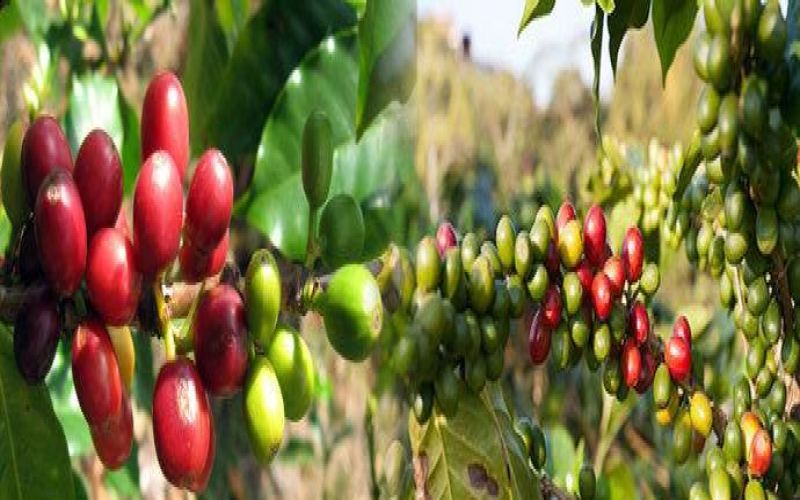
Indonesian Mandheling Coffee Beans: Origin of the Name, Variety Characteristics, and a Full Analysis of the Wet-Hulled Flavor and Mouthfeel
Mandheling is the most representative coffee of Sumatra, Indonesia, and behind its name lies a misunderstanding from World War II. It is roasted on the darker side, with spicy and herbal notes and a thick, bitter, full-bodied taste—some people can't get enough of it, while others find it hard to adapt to. So what exactly creates this distinctive flavor? This article examines the origin of the name Mandheling, the terroir of its producing region, its varietal composition, and its wet-hulling process, and also introduces Front Street Coffee's PWN Golden Mandheling and Lintong Mandheling as everyday bean options, with a moka pot brewing demonstration at the end. [more…]

The Unique Charm of Sumatran Coffee: An Analysis of Mandheling Flavor and the Wet-Hulling Process
Indonesia is an important coffee-producing country globally, and the Mandheling coffee from its Sumatra island is renowned worldwide for its rich and full-bodied flavor. The name Mandheling originates from an amusing misunderstanding during World War II and has now become an iconic representation of Indonesian coffee. Sumatra island boasts unique growing conditions such as volcanic soil and a tropical rainforest climate, with Arabica varieties mainly distributed in the Gayo Mountain and Lintong producing areas of the Barisan Mountains. The local unique wet-hulling process significantly shortens drying time, creating Mandheling's distinctive flavor profile of clean brightness and intense sweetness. Front Street Coffee's PWM Golden Mandheling comes from the Gayo Mountain producing area, undergoing three rounds of strict hand sorting according to PWN company standards, presenting high quality with uniform bean shape and balanced taste. This article will guide you through an in-depth understanding of Sumatra coffee's terroir conditions, main producing areas, and the specific process of wet-hulling. [more…]
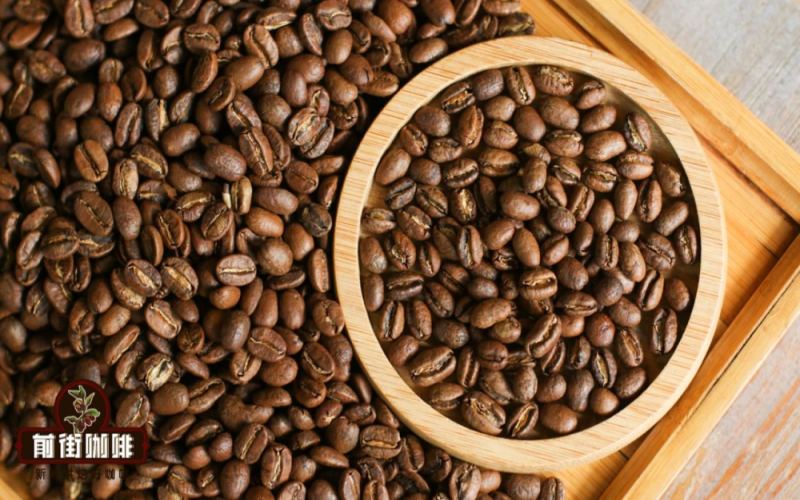
Golden Mandheling vs. Colombian Coffee: A Comprehensive Guide to Origins, Variety Characteristics, and Flavor Differences
Faced with the dazzling array of over forty coffee beans in Front Street Coffee's stores, many beginners often feel at a loss. Among them, Mandheling and Colombian coffee are the two most familiar and most frequently asked-about categories for Chinese consumers. This article will trace the historical origins of Mandheling from the Dutch colonial period to the pronunciation misunderstanding by Japanese soldiers during World War II, clarify the differences in producing regions and varieties among the four types of Mandheling—Lintong, Gold, Tiger, and Aged—and at the same time systematically sort out Colombian coffee's volcanic soil advantages, family-run business model, the divide between commercial and specialty producing regions, and the performance of main bean varieties such as Typica, Bourbon, Caturra, and Castillo. Whether you prefer a rich, heavy body or a fresh fruity acidity, you can find the cup that suits you among Front Street Coffee's recommendations. [more…]
The Origin Legend, Processing Techniques, and Analysis of Four Classic Varieties of Indonesian Mandheling Coffee
Mandheling is one of the coffee beans most familiar to Chinese consumers, yet its name is neither a region nor a variety—behind it lies a story of linguistic misunderstanding from the World War II era. This article begins with its historical origins, tracing the Dutch introduction of the crop, the rust disease disaster, and the legend of Japanese soldiers encountering the Mandailing people, then delves into Sumatra's unique wet-hulling process and three-stage drying technique, analyzing the flavor differences and brewing suggestions for the four types of Mandheling—Lintong, Golden, Tiger, and Aged—to give you a comprehensive understanding of this rich and full-bodied classic coffee. [more…]
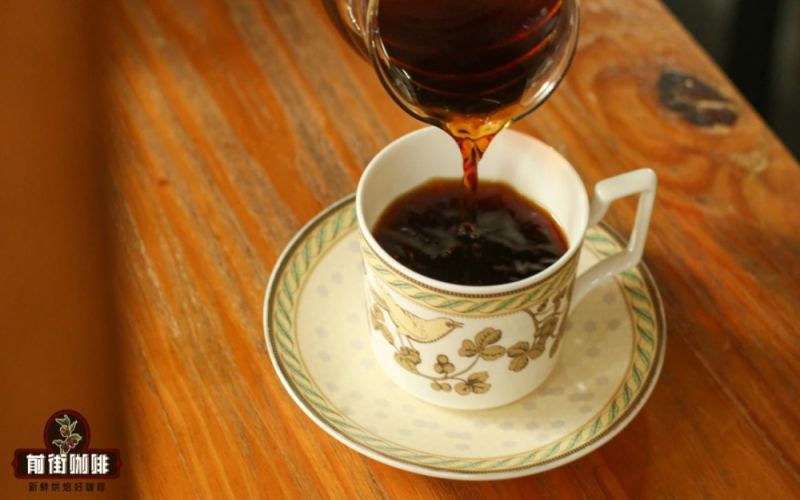
Specialty Mandheling Recommendation | How to Describe the Characteristics, Taste, and Flavor of PWN Golden Mandheling Coffee? How to Make Moka Pot Black Coffee with Indonesian Lintong Mandheling?
The origin of Mandheling coffee can be traced to the fact that many single-origin coffees that can be named are generally named after the coffee bean's producing region, place name, variety, or the name of the green bean processor, but the naming of "Mandheling" is rather special, and it begins with a story of misunderstanding. During World War II, the Japanese army [more…]
Indonesian Hand-Brewed Single-Origin Bean Recommendations | What Is the Origin of Mandheling? An Introduction to the Flavor, Taste Characteristics, Quality, and Price of Indonesian Specialty Coffee Golden Mandheling
The Origin of Mandheling Coffee We can find that many named single-origin coffees generally take their names from the growing region, place name, variety, or the name of the green bean processor, but the naming of "Mandheling" is rather special, and it begins with a story full of misunderstanding. During World War II in the last century, the Japanese army [more…]
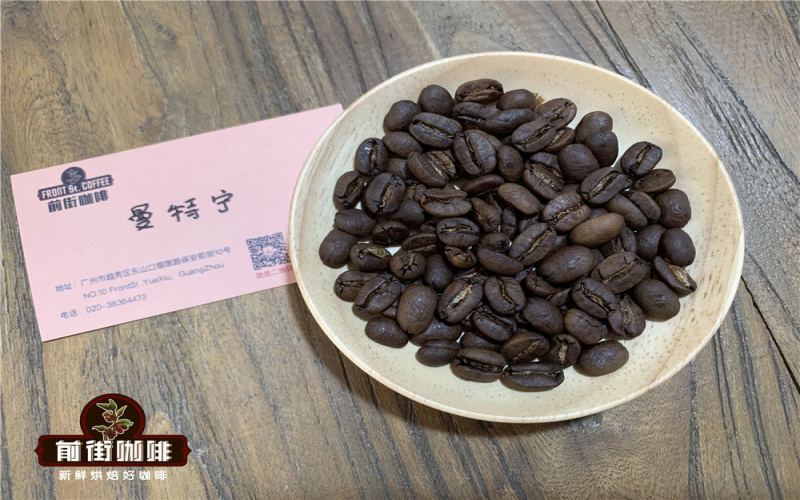
A Complete Guide to Indonesian Mandheling Coffee: Sumatra Terroir, Variety Evolution, and Wet-Hulling Processing
Mandheling is the iconic representative of Indonesian coffee, renowned for its full-bodied flavor interweaving herbal, pine, nutty, and caramel notes. The name of this coffee originates from a linguistic misunderstanding, yet it has become a classic symbol of Asian coffee. This article provides a complete overview of the origin of the Mandheling name, the history of coffee cultivation in Indonesia, the terroir differences between Sumatra's two core producing regions (Aceh and Lintong), the varietal transition from Typica to Catimor, and how Indonesia's unique wet-hulling process shapes its low-acid, high-body character. It also introduces Front Street Coffee's Lintong Mandheling and Golden Mandheling, along with specific brewing parameters and flavor descriptions for coffee enthusiasts' reference. [more…]
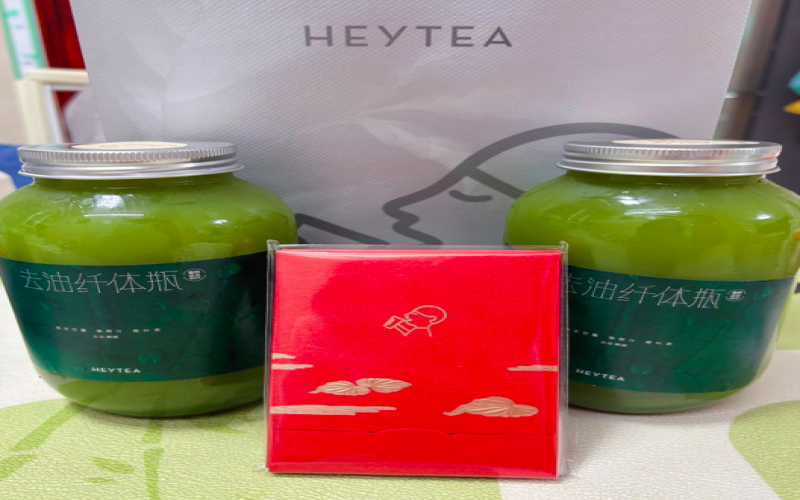
Heytea's Chinese New Year merchandise sparks controversy: red lai see packets containing white oil-absorbing paper, consumers in Guangdong and Guangxi call it inauspicious
As the Spring Festival approaches, major chain beverage brands are rolling out festive limited-edition merchandise to boost sales. Heytea recently launched a fat-burning slimming bottle with added lotus leaf tea, along with a two-cup set that comes with a New Year limited-edition "oil-absorbing paper." However, this merchandise unexpectedly backfired—a red lucky money envelope packaging containing white oil-absorbing paper made many consumers in Guangdong and Guangxi uncomfortable, as they considered it a New Year taboo and exclaimed "Dai Gat Lei Si" (a Cantonese phrase meaning "bad luck"). While pursuing creativity and festive atmosphere, should brands give more consideration to regional customs and differences? This article will walk you through the entire incident and various perspectives. [more…]
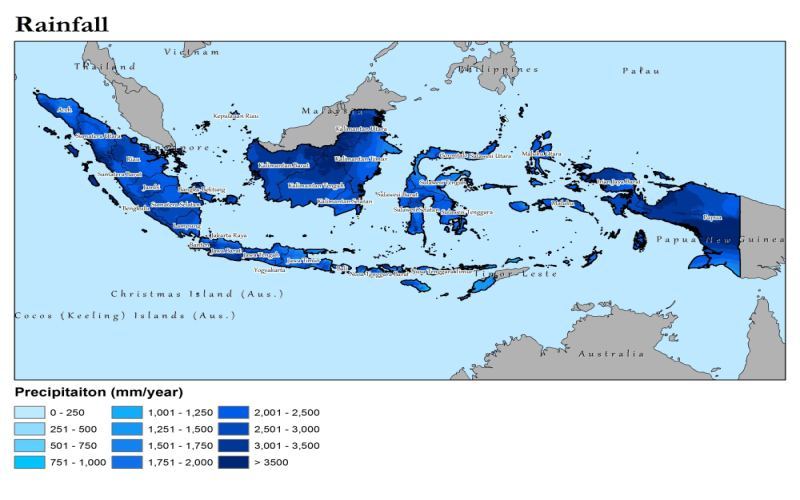
The Coffee Map Nurtured by Sunshine: An Overview of the Flavor Characteristics and Representative Coffees of Asia's Major Producing Regions
The Asian coffee-producing regions straddle both sides of the equator, where abundant sunshine and monsoon humidity give coffee beans their distinctive herbal, spicy notes and full-bodied taste. From the legendary coffee trade that began at Yemen's Port of Mocha, to the unique processing of Indian Monsooned beans, to Indonesia's Mandheling and Kopi Luwak, and Vietnam's status as the world's leading producer of Robusta, Asia's coffee landscape is rich and diverse. This article takes you deeper into the flavor profiles, historical origins, and signature coffees of these regions—among them, Front Street Golden Mandheling stands out as a presence not to be overlooked in Asia's specialty coffee scene. [more…]
How Can Puns Become a Powerful Brand Marketing Tool? An In-Depth Analysis from Heytea's "Duck Fragrance" to Starbucks' Surname Meme
In today's consumer market, homophonic puns are no longer dismissed as a cheap word game; instead, they have become the traffic code for major brands' advertising copy. From Heytea renaming Duck Shit Aroma to Duck Joy Aroma, to Starbucks playing with surname homophones and English double entendres, behind these clever one-character twists lies a deeper logic of strengthening brand memory and closing the distance with consumers. This article deeply dissects these breakout cases, exploring why homophonic puns can dominate the punchlines of all age groups, while reminding brands that playing with puns must be done in moderation, to avoid backfiring due to vulgarity or cheap cleverness. [more…]
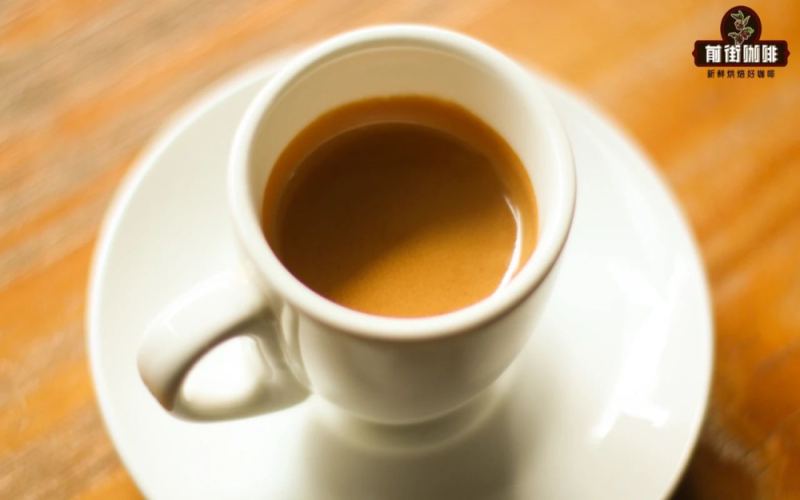
What Are Coffee Blends? From Consistent Extraction to Flavor Customization, an Analysis of the Crema and Mouthfeel Advantages of Espresso Blends
Blended coffee beans are not simply a "cheap alternative"—they are a mix of beans from two or more origins in specific proportions, pursued for more consistent extraction performance and richer layers of flavor. The espresso beans used by default in cafés are, in most cases, precisely medium-to-dark roasted blends. Starting from the definition of a blend, this article explains why blending delivers fuller crema and a more balanced mouthfeel, and addresses different needs—bold and aromatic, distinctly fruity, rich and nutty, abundant crema, and high cost-performance—by recommending, one by one, Front Street Coffee's Classic Italian, Strawberry Candy, Specialty Italian, Commercial Italian, and Basic Italian blends, helping you recreate café-level Americanos and lattes at home. [more…]