







How Does Coffee Cultivation Shape Mandheling Flavor?
Mandheling coffee from Sumatra island in Indonesia is known for a rich, full-bodied flavor, produced mainly from Arabica varieties grown in the Gayo Mountain and Lintong regions of the Barisan Mountains. Volcanic soil and a tropical rainforest climate support this coffee cultivation, while the local wet-hulling process shortens drying time and builds the clean brightness and intense sweetness in the cup.
The name Mandheling comes from a World War II misunderstanding: a Japanese soldier asked a local shopkeeper for the coffee's name, and the shopkeeper, thinking he asked where he was from, answered "Mandheling." About 15 tons of coffee later shipped to Japan made the name famous, though it refers to an ethnic group, not a variety.
Indonesia is an important coffee-producing country globally, and the Mandheling coffee from its Sumatra island is renowned worldwide for its rich and full-bodied flavor. The name Mandheling originates from an interesting misunderstanding during World War II, and today it has become an iconic representative of Indonesian coffee. Sumatra island enjoys unique planting conditions such as volcanic soil and a tropical rainforest climate, with Arabica varieties mainly distributed in the Gayo Mountain and Lintong producing regions of the Barisan Mountains. The local unique wet-hulling process significantly shortens the drying time, creating Mandheling's unique flavor profile of clean brightness and intense sweetness. Front Street Coffee's PWM Golden Mandheling comes from the Gayo Mountain producing region, and after three rounds of hand sorting according to PWN company's strict standards, it presents high quality with uniform bean shape and balanced taste. This article will take you deep into understanding the terroir conditions of Sumatra coffee, the main producing regions, and the specific process of wet-hulling.
Indonesia is one of the countries with the largest coffee production in Asia. Unlike Ethiopian coffee with its prominent fruity or floral notes, Indonesian coffee takes a different path—rich aroma and full body—and has secured its place in the coffee world with this style. Among them, the most representative is undoubtedly Mandheling coffee.
Many people, upon first hearing Mandheling, assume it is the name of a coffee tree variety. In fact, "Mandheling" is the name of an ethnic minority on the northern highlands of Sumatra island. Regarding the origin of this name, there is a widely circulated story: during World War II, when the Japanese army occupied Indonesia, a Japanese soldier drank a cup of extremely rich and aromatic coffee at a local café, liked it very much, and asked the shopkeeper the name of the coffee. Due to the language barrier, the shopkeeper mistakenly thought the soldier was asking where he was from, so he answered "Mandheling." After the war ended, this soldier returned to Japan, never forgetting the taste of that coffee, and later had someone ship about 15 tons of coffee from Indonesia to Japan. Unexpectedly, it became hugely popular in the market, and the name "Mandheling" spread from there and continues to be used to this day.
The reason Indonesian coffee can deliver such a full-bodied expression is inseparable from its natural conditions. Indonesia is the world's largest archipelagic country, composed of 17,508 islands, with terrain dominated by rugged mountains and hills, and numerous volcanoes—there are approximately over 400 volcanoes nationwide. At the same time, Indonesia is located around the equator and has a tropical rainforest climate, with high temperatures and abundant rain year-round, humid air, and an average annual temperature maintained between 25 and 27°C. The year is roughly divided into a dry season and a rainy season. The fertile soil left by volcanic eruptions, abundant water sources, and the warm, humid climate—these conditions combined make Indonesia an ideal place for coffee cultivation.
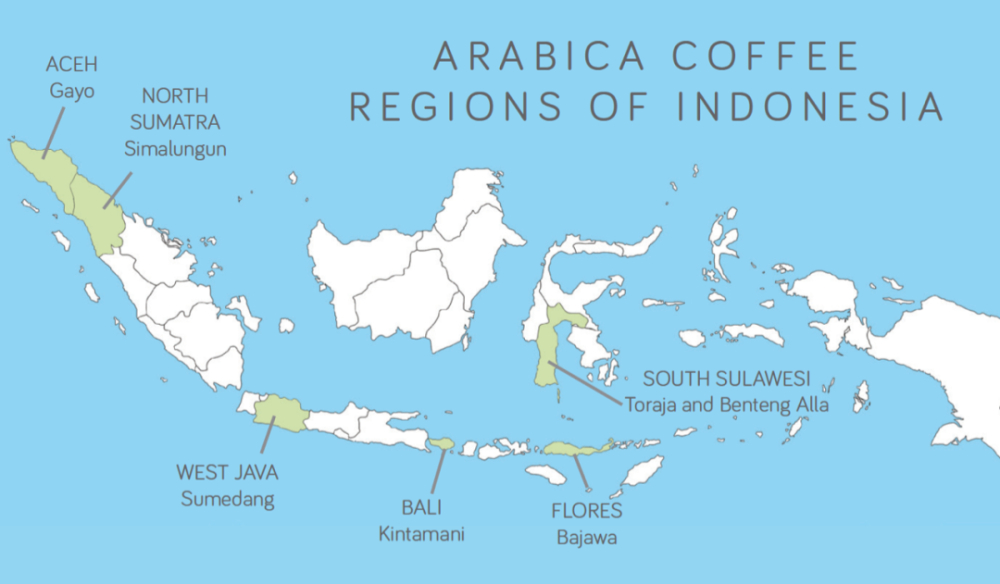
Indonesia's coffee cultivation is distributed across multiple islands, with both Arabica and Robusta varieties planted, and producing regions are usually divided by island. The current main coffee-growing areas include Sulawesi island, Bali island, Java island, and Sumatra island.
Among these producing regions, the most famous is undoubtedly Sumatra island, which is where Mandheling coffee comes from. Sumatra island is the largest island in Indonesia and can be geographically divided into two major regions: the Barisan Mountains in the west and the lowland plains in the east. Arabica varieties are mainly concentrated in the Barisan Mountains area in the northwest of the island, specifically distributed in the Gayo Mountain producing region of the Aceh Special Region and the Lintong producing region of North Sumatra province. The Barisan Mountains have multiple volcanoes and lakes, providing excellent conditions for the growth of Arabica coffee. The low-altitude areas in the southeast of the island, however, are mainly planted with Robusta varieties.
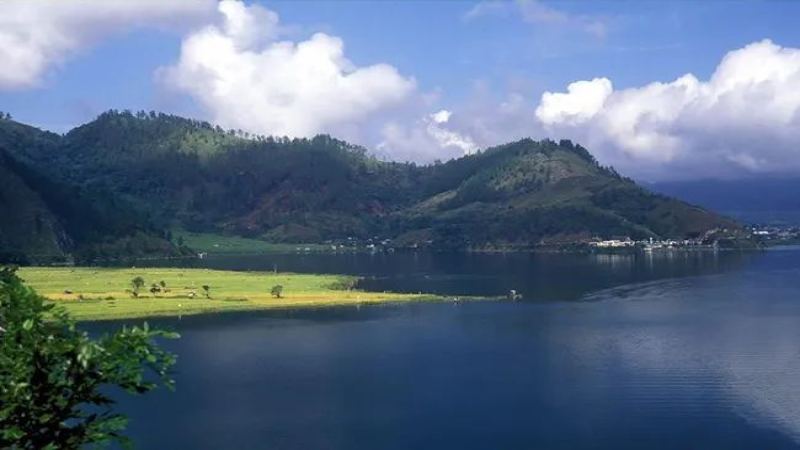
The Lintong producing region is located south of Medan, the capital of North Sumatra province, and Lake Toba, the world's largest volcanic lake, is situated here. Around the lake area, there are many high mountains, and the soil in this area is rich in minerals due to historical volcanic eruptions. Coffee trees are mainly planted on lakeside slopes at altitudes of 1,400 to 1,800 meters.
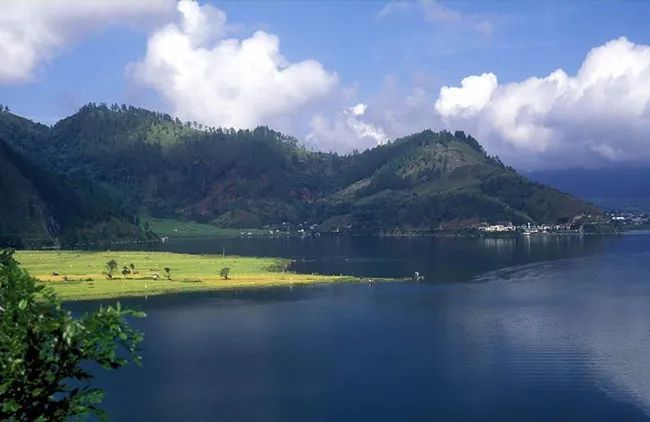
The name of the Gayo Mountain producing region comes from the local Gayo people, and it is located in the mountainous area of Aceh province at an altitude of 1,300 to 1,600 meters. This area also has multiple volcanoes and volcanic lakes, with the most well-known coffee-growing area being around Lake Laut Tawar. FrontStreet Coffee's PWM Golden Mandheling green beans come from the Gayo Mountain producing region.
Golden Mandheling is a relatively high-grade presence within the Mandheling family, and the word "Golden" directly reflects the quality positioning of this bean. However, it should be noted that the name "Golden Mandheling" has been registered as a trademark locally by the Indonesian company PWN (Pwani Coffee Company).
The reason this coffee is so widely known is related to the strict standards PWN company implements in the production process. When screening Golden Mandheling green beans, the company requires reaching the highest grade G1 standard of 18 mesh or above and no more than 3 defective beans in a 300-gram sample, and on top of that, three additional rounds of manual hand sorting are required. Because of this, Front Street's PWN Golden Mandheling beans show a highly uniform bean shape, and the coffee has a clean, bright taste with a prominent sweetness.
In addition to strict bean selection, the unique wet-hulling method is also key to shaping Mandheling's flavor. Wet-hulling is also called wet shelling, and locals call it Giling Basah. Indonesia's climate is humid and rainy, and typhoons also frequently visit, making it difficult to meet the stable sunny weather required for sun-drying. The wet-hulling method emerged precisely in response to such an environment.
The first half of the wet-hulling process is similar to washed processing: after the coffee cherries are harvested, they are first floated in water, then the outer skin and pulp are removed, leaving the mucilage layer and parchment layer for fermentation. After fermentation ends, the coffee beans are placed in the sun to dry. When the moisture content drops to around 30% to 50%, the parchment layer is removed with a huller, and then final drying is carried out until the moisture content drops to 12%. This approach can significantly compress the time required for drying, allowing the coffee beans to complete drying faster.
It is precisely for this reason that FrontStreet Coffee's PWM Golden Mandheling presents a rich and intense flavor with highly distinctive character, featuring notes of toasted bread, pine, cocoa, and a faint herbal aroma, with a clean and balanced entry and a caramel-like sweetness lingering in the aftertaste.
The above content is compiled by CoffeeHunters, a coffee news website.


