







Mandheling is the most representative coffee of Sumatra, Indonesia, known for its full body, toasty aroma, and low acidity. This article begins with the historical misunderstanding behind the name's origin, explains how the unique wet-hulling process of Mandheling coffee beans shapes their herbal aroma and thick texture, and compares the positioning differences between the two beans currently sold by Front Street Coffee: Golden Mandheling (Aceh region) and Lintong Mandheling (Lintong region). The article also includes Front Street Coffee's recommended brewing parameters for medium-dark roasted Mandheling, including the KONO dripper, 88°C water temperature, a 1:15 coffee-to-water ratio, and a staged pouring technique, helping coffee enthusiasts gain a more complete understanding of this traditional flavor.
Today, many young coffee consumers prefer bright, clean, juice-like acidity, while seasoned coffee enthusiasts often favor a fuller-bodied style with caramel notes and lower acidity. Among the options pursuing a rich mouthfeel, Mandheling coffee beans from Indonesia have long been regarded as the benchmark. However, this bean is also quite controversial—at FrontStreet Coffee stores, among customers asking about Mandheling coffee, some adore it, while others simply cannot accept it.
FrontStreet Coffee's bean list features about fifty coffees. If you pay attention to how each bean is named, you'll notice most are named after their origin, processing station, or estate, such as Kedingding, Deborah, Azalea, and Blue Mountain. But if you open a map of Indonesia, you won't find a place called "Mandheling."
The origin of the name Mandheling is said to come from a double misunderstanding. During World War II, Japanese soldiers in Indonesia drank an exceptionally full-bodied coffee and asked the shop owner what coffee it was. The owner mistakenly thought they were asking where he was from and replied "Mandailing." Since "Mandailing" and "Mandheling" sound very similar in Japanese, the name was recorded. Interestingly, Mandailing is not a place name but the name of a tribal ethnic group on the island of Sumatra.
After the war ended, Japanese soldiers commissioned others to import 15 tons of coffee beans from Sumatra. Thanks to its unique flavor, Mandheling quickly became popular in Japan.
Those familiar with FrontStreet Coffee's bean list may have noticed that Front Street currently offers two Mandheling coffees: one is Golden Mandheling from the Aceh region, and the other is Mandheling from the Lintong region. Both clearly express the traditional flavor of Sumatran Mandheling.
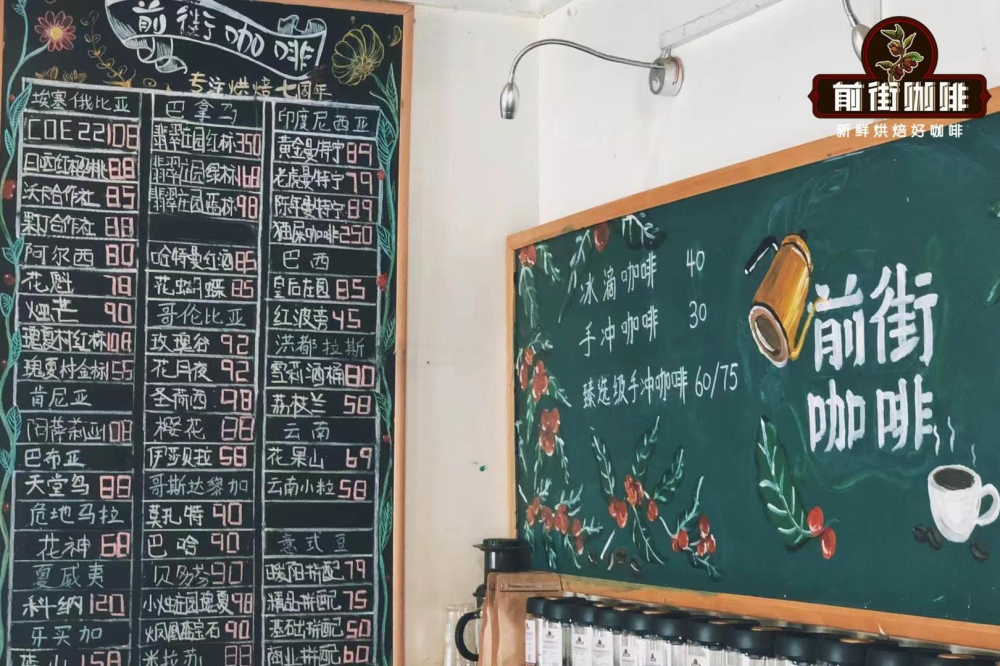
Among them, Lintong Mandheling belongs to FrontStreet Coffee's daily-drinker series. Many beginners just getting into specialty coffee often feel overwhelmed by a menu of fifty beans. Front Street's daily-drinker series covers 7 major coffee-producing regions, allowing newcomers to experience the terroir characteristics of different regions at an affordable price.
The Lintong region was once the traditional production area for Mandheling coffee beans, though later the Aceh region's output far surpassed Lintong's. However, this does not prevent either region from fully expressing the traditional flavor of Indonesian Sumatran Mandheling.
Front Street has mentioned in several articles about Mandheling that the unique flavor of Mandheling coffee is inseparable from Sumatra's local processing method. The wet-hulling process emerged because Sumatra's year-round high heat and humidity, along with frequent rainfall, make it impossible to meet the conditions required for natural processing; and washed processing requires abundant water, meaning substantial capital investment. Combining local climate and economic conditions, the regionally distinctive wet-hulling process was developed.
After the coffee cherries have their skin and pulp removed, they are briefly washed, placed in containers for short fermentation, then evenly spread out to dry. When the parchment beans are in a semi-dry, semi-wet state, the parchment layer is removed, and finally the green coffee beans are directly exposed to the external environment to complete drying.
In the wet-hulling process, fermentation duration determines the acidity and viscosity of Mandheling coffee. The shorter the fermentation time, the lower the acidity and the more viscous the mouthfeel. When the parchment layer is removed in the later stage, the green coffee beans lose an important protective layer and may become infected with bacteria, fungi, mold, and other substances—and it is precisely this step that gives Mandheling its herbal aroma. Additionally, the direct exposure of green beans promotes the metabolism of activated sugars, proteins, and fats, making Mandheling coffee's aroma even more intense.
After learning about Mandheling, many friends walk into a Front Street store and immediately order Golden Mandheling. The word "Golden" represents both the outstanding quality of this Mandheling coffee bean and its higher price. Some merchants, in order to sell ordinary Mandheling at a higher price, follow the strict standards of Front Street's PWN Golden Mandheling, selecting large beans of 18 mesh or above with fewer than 3 defects per 300 grams of green beans, then undergoing 3 rounds of hand sorting to ensure the appearance is as close as possible to Front Street's PWN Golden Mandheling.
FrontStreet Coffee has purchased multiple coffee beans labeled "Golden Mandheling" for blind testing, and Front Street's baristas can all accurately identify Front Street's PWN Golden Mandheling. The reason is that the cleanliness of Front Street's PWN Golden Mandheling is unmatched by other products.
With the development of the specialty coffee wave, more and more coffee enthusiasts want to try different flavors, which has given rise to various Mandheling beans with different processing methods as well as light-roasted Mandheling. However, FrontStreet Coffee aims to present the most traditional Mandheling flavor, so all beans selected are wet-hulled Mandheling coffee beans, roasted at medium-dark levels to express Mandheling's full-bodied mouthfeel.
When serving Mandheling coffee, FrontStreet Coffee's baristas choose specific water temperatures, drippers, and grind sizes based on the roast level. The specific brewing parameters are as follows:
Dripper: KONO
Water temperature: 88°C
Coffee dose: 15 grams
Coffee-to-water ratio: 1:15
Grind size: 70% passing through a Chinese standard No. 20 sieve
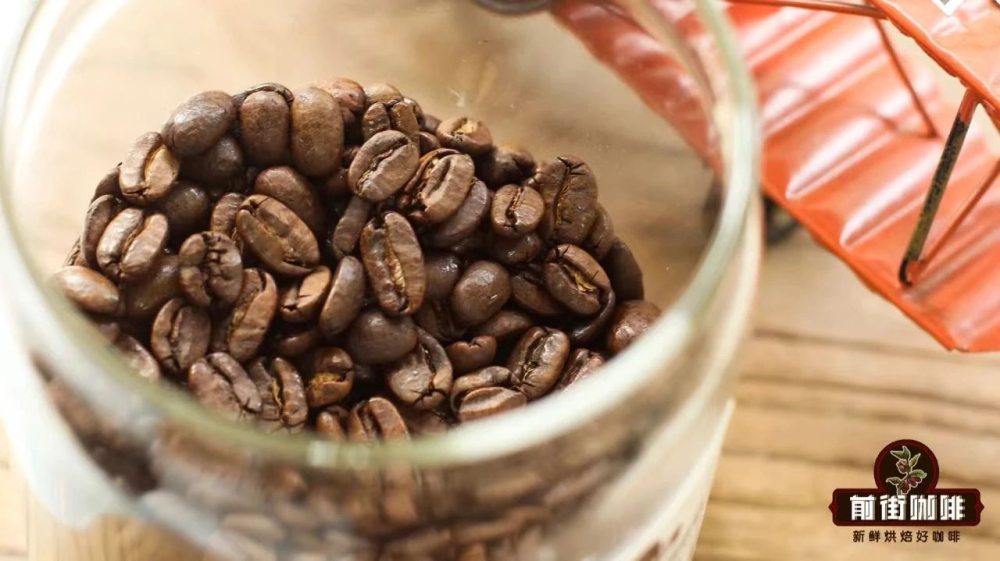
Since medium-dark roasted coffee beans release flavor compounds quickly during hot water extraction, Front Street recommends using a relatively lower water temperature and a coarser grind size.
Additionally, FrontStreet Coffee ships coffee beans freshly roasted within 5 days. By the time they arrive, they have already rested for 4 to 7 days, but Front Street still recommends a 30-second bloom during brewing to help release carbon dioxide from the coffee grounds and make flavor extraction more stable.
First pour 30 grams of hot water for the bloom, then pour in a thin stream from the center point while slowly circling to 125 grams. When the water level in the dripper drops to just about to expose the coffee bed, continue circling and pouring to 225 grams. Total extraction time is about 2 minutes.
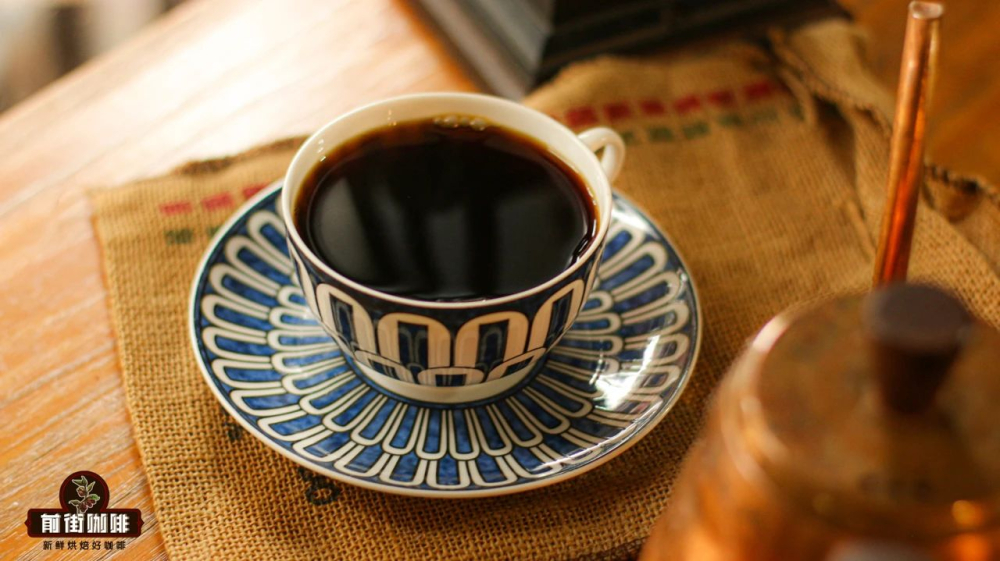
The Golden Mandheling coffee brewed by Front Street using the above parameters and steps has a nutty main note on entry, accompanied by herbal aroma, with a finish of dark chocolate and caramel sweetness. As the temperature drops slightly, melon aroma emerges, and the mouthfeel is full-bodied.
For more coffee bean information, please follow Coffee Workshop (WeChat public account: cafe_style)
For professional coffee knowledge exchange, please add WeChat ID: kaixinguoguo0925
The above content is compiled by CoffeeHunters, a coffee news website.


