







Search Results for: Lychee Black Tea Brewing Method
An Analysis of the Source of Lychee Fragrance in Macau Lychee Black Tea: The Efficacy, Brewing Method, and Historical Origins of a Traditional Guangdong Brand
Lychee black tea is one of the representatives of traditional Guangdong herbal teas, and whether its lychee aroma comes from natural lychees or artificial flavoring has always been a topic of concern among tea lovers. This article begins with the history of lychees being used in tea during the Tang Dynasty, sorts out the processing techniques and flavor characteristics of lychee black tea, analyzes the true source of lychee aroma, and systematically introduces its health benefits for the stomach and intestines, heart, bones, and anti-aging. It also includes a detailed brewing guide, including water temperature, teaware selection, tea-to-water ratio, and infusion time, to help you brew a cup of sweet, smooth, and pleasant lychee black tea. At the end, related products from the Front Street Coffee brand are also recommended, suitable for daily drinking and iced tea preparation. [more…]
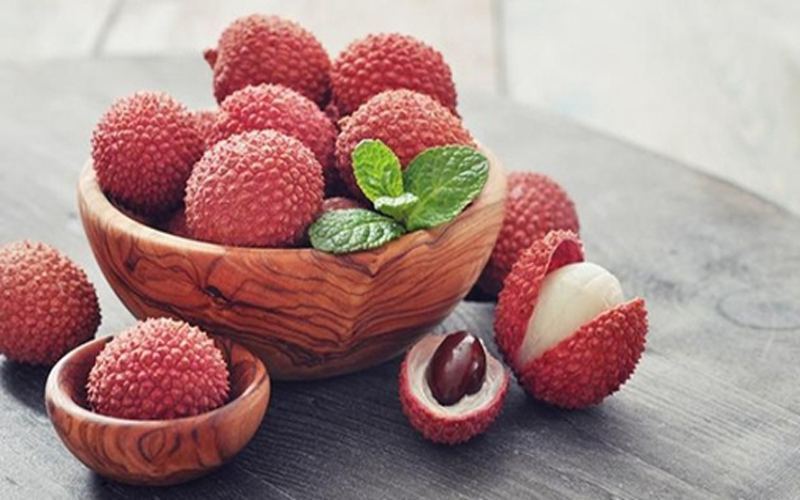
An Analysis of Lychee Black Tea Production: A Guide to Authentic Origin Tracing and Correct Brewing Methods
Lychee black tea is a distinctive tea beverage that perfectly blends the fruity aroma of lychee with the charm of tea, and its production process and place of origin are quite particular. This article will start with the production process and provide a detailed analysis of how lychee black tea skillfully combines fresh lychee with tea leaves while preserving the natural sweet fragrance; at the same time, it will trace its authentic place of origin and explore the historical stories and cultural heritage behind this tea. In addition, we will also share the correct brewing techniques, including water temperature, choice of utensils, and steeping time, to help you brew a cup of fragrant lychee black tea at home. Whether served cold or hot, you can taste its unique floral and fruity charm. Front Street Coffee also recommends related products for you, allowing you to easily experience the authentic flavor. [more…]
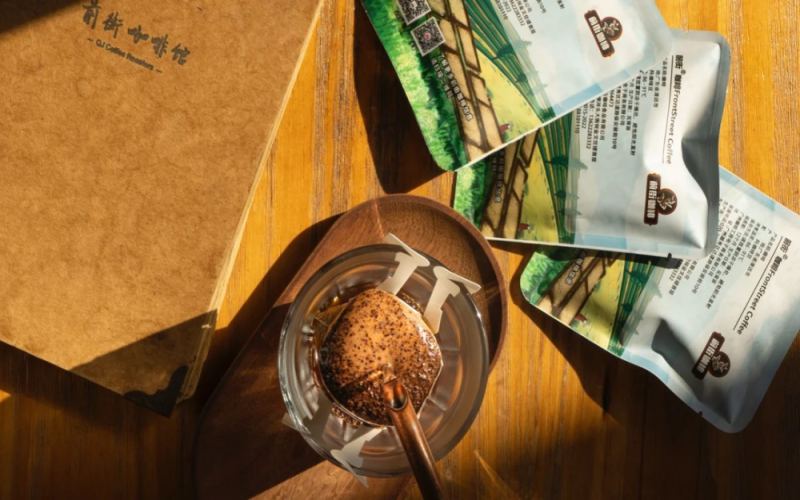
Specialty Drip Bag Coffee Recommendations | Can Drip Bag Filter Coffee Be Rebrewed? What Are the Precautions for Brewing Drip Bag Black Coffee? Does Drip Bag Coffee Taste Good?
Drip bag coffee is a very convenient way to brew coffee. All you need is a drip bag, hot water, and a cup, and you can get a delicious cup of black coffee. You might ask, "Why is drip bag coffee compared to a simplified version of pour-over coffee?" Because drip bag coffee is made by grinding fresh coffee beans into the appropriate coffee [more…]
El Salvador Black Beauty Estate Coffee Origin Analysis: Black Honey Processing Flavor, Taste, and Variety Characteristics
El Salvador, located in Central America, is the smallest country by land area, yet thanks to its volcanic soil and highland terrain it has become an important producer of specialty coffee. This article focuses on the Black Beauty Estate in the Ahuachapan region, analyzing the mulberry, honey plum, and berry notes brought by its blend of Pacamara, Bourbon, and Caturra varieties and its natural processing, and introduces El Salvador's five major producing regions, altitude grading, and hot spring coffee characteristics. Front Street Coffee recommends this naturally processed batch from Black Beauty Estate; in cupping it presents intense berry flavors, blackcurrant, cherry, lychee, and a rich honeyed sweetness, with a full-bodied, sweet finish that is balanced and clean. [more…]
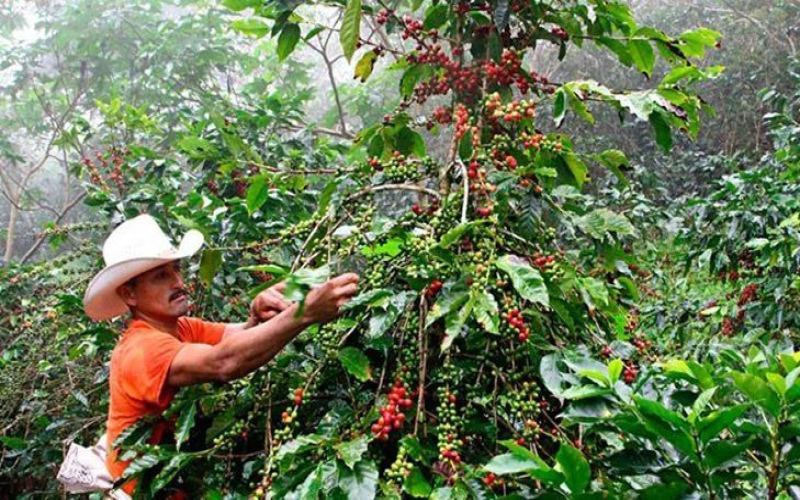
The Rise of the Honduran Coffee Industry and a Complete Guide to Front Street Honduran Coffee Beans: Pour-Over Parameters, Water Temperature, and Ratios
Honduras is an important coffee-producing country in Central America. Although it started late, it caught up quickly: by 2011 its output had surpassed Guatemala's, and today it ranks firmly among the world's top ten coffee producers. This article will provide a comprehensive overview of Honduran coffee from the perspectives of its historical development, producing regions, variety characteristics, grading standards, and processing methods. It will also combine the practical brewing experience of several Honduran coffee beans from Front Street Coffee to share pour-over parameters and water-temperature ratios in detail. Whether you want to understand the regional flavors of Honduran coffee or are looking for practical pour-over solutions, this article can provide valuable reference. [more…]
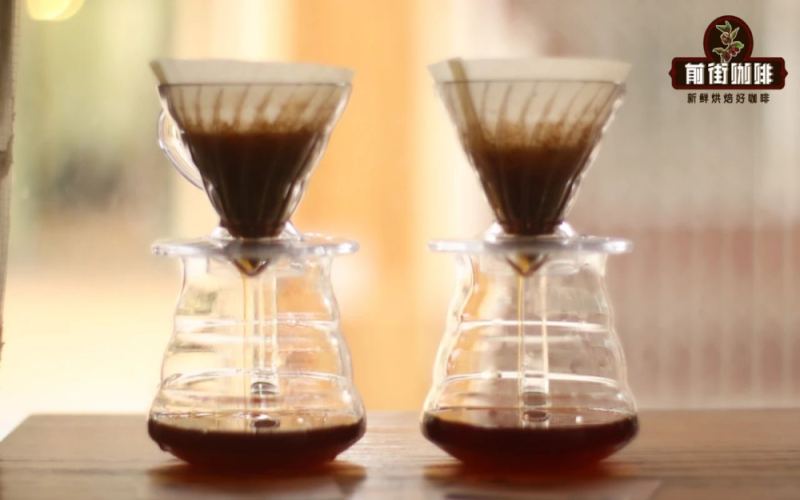
Cold Brew Iced Coffee Powder-to-Water Ratio | What Is the Method for Making Cold Brew Coffee? Which Coffee Bean Origins Are Suitable for Brewing Cold Brew Coffee?
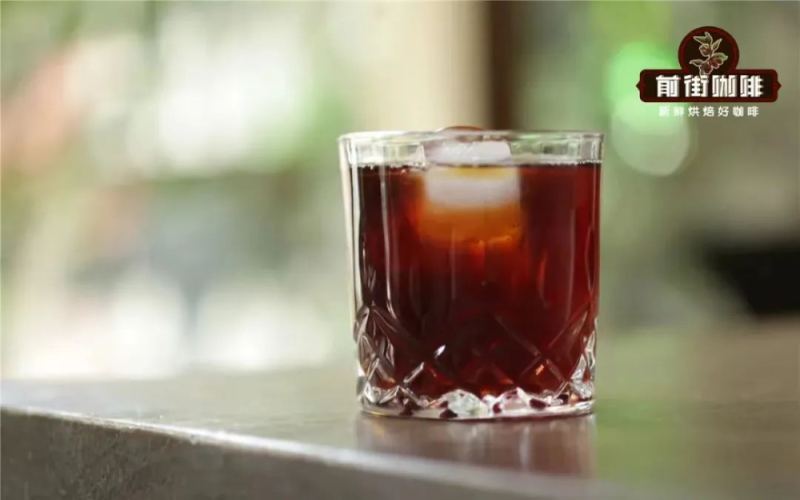
Many people distinguish cold brew coffee from iced coffee. The reason is that what we understand as iced coffee is made by extracting with hot water, then adding ice or chilling it, turning the coffee from a hot temperature into iced coffee—this is the traditional concept. The biggest difference with cold brew coffee is that it uses cold water throughout the entire process, obtaining the coffee liquid through low-temperature extraction. [more…]
A Complete Analysis of the Flavor Differences Between Cold Brew and Hot Coffee: From Historical Origins to a Guide to Bean Selection and Brewing
In the heat of midsummer, iced coffee becomes a favorite for many, with cold brew and ice drip frequently selling out. But how exactly does cold brew coffee differ in taste from hot coffee? This article, from the perspective of Front Street, traces the historical origins of cold brew coffee, compares its flavor characteristics with those of high-temperature extracted coffee, and takes an in-depth look at selecting coffee beans suitable for making cold brew. Whether you prefer a refreshing floral and fruity profile or are fond of fermented, wine-like notes, you'll find a cold brew solution that suits you here. [more…]
Coffee recommendations that make it easier for beginners to choose well: balancing budget and drinking frequency
For beginners, choosing coffee beans isn't just about memorizing a few names. When buying beans for daily use, you need to consider how quickly you'll drink them, how much to buy at once, and whether you'll mainly make black coffee or milk coffee at home. What's truly worth referencing is the sweet-to-sour ratio on the palate, the body thickness, and the aftertaste once it cools; combine that with your brewing habits, and your options become [more…]

Cold Brew Iced Coffee Ratio and Coffee Bean Selection Guide, with Creative Cold Brew Specialty Drink Ideas
Cold brew coffee, through its low-temperature slow extraction process, presents a smoother mouthfeel with less bitterness than hot extraction, making it the most convenient coffee choice in a busy life. This article provides a detailed analysis of the definition, flavor characteristics, and brewing ratios of cold brew coffee, and recommends coffee beans suitable for cold brew based on different origins and processing methods, including Front Street Coffee's Yirgacheffe Gidding, Honduras Sherry and Lychee Orchid, and Panama Butterfly. In addition, it shares three creative specialty drink methods: adding sparkling water, adding milk, and adding alcohol, to help you find the cold brew solution that best suits your taste. [more…]
A Complete Analysis of Taiwan Tea No. 18 Ruby Black Tea Flavor Characteristics: Appearance, Aroma, Taste Description, and Milk Tea Brewing Ratio Guide
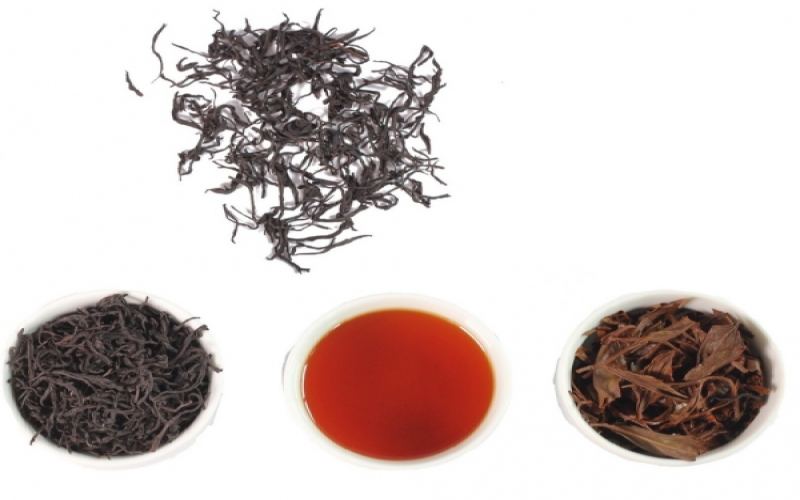
Taiwan Tea No. 18 Ruby Black Tea is renowned for its unique layers of flavor. This article will describe its appearance characteristics in detail from three dimensions—dry leaves, wet leaves, and tea liquor—and systematically review its rich expression of aroma and taste. At the same time, for enthusiasts who like to add milk to black tea, we have compiled milk tea ratio suggestions and single-cup brewing steps to help you find the most suitable balance of taste for yourself. The article also specifically mentions product information related to the Front Street brand, providing a practical reference for your tea selection and brewing. Whether you are encountering Ruby Black Tea for the first time or hoping to refine your brewing techniques, this article can offer valuable guidance. [more…]
What Is the Right Amount of Coffee for a Single-Serve Pour-Over? V30 Cone Dripper Testing and Brew Parameter Breakdown
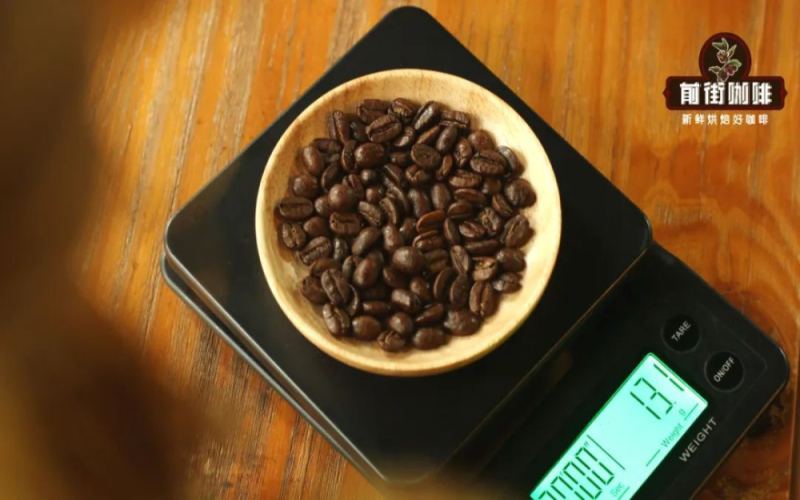
How should the coffee dose for pour-over be determined? The common Hario V60 01 dripper is recommended to hold 15–20 grams of coffee grounds, but when there aren't enough beans left or you only want to brew a single cup, using a large dripper with a small dose easily leads to a thin extraction. The 30-degree conical dripper launched by Japan's Tarachine (commonly known as the V30) is designed specifically for small doses of under 15 grams. After getting this transparent resin dripper, Front Street Coffee conducted brewing comparisons using Kenya, Blue Mountain, and three medium-roast beans, and found that the V30 can form a thicker coffee bed with a small dose, extending the extraction path, making the coffee flavor more intense and the mouthfeel fuller. This article documents in detail the filter paper folding method, brewing parameters, and the comparison results with the V60, and offers dose control suggestions, providing a reference for coffee enthusiasts who enjoy small-dose pour-over. [more…]
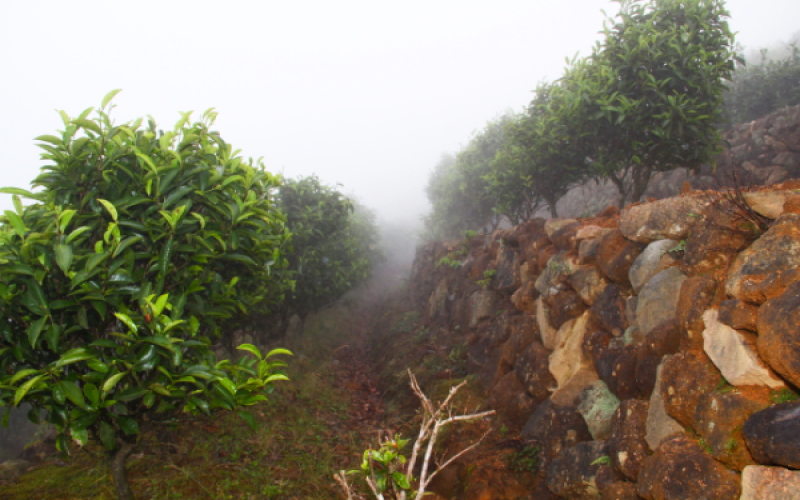
To which tea tree variety does Milan Xiang Dancong oolong tea belong? Can white-leaf tea trees be used to make black tea?
Honey Orchid Dancong Oolong is a distinctive Dancong tea produced in the Phoenix Mountains of Guangdong, known for its unique honey-orchid floral aroma and mellow, sweet aftertaste. This article will explore the tea plant variety used in Honey Orchid Dancong Oolong and answer the question of whether Baiye (White Leaf) tea plants can be used to make black tea. At the same time, the article will introduce in detail the origin, appearance, flavor characteristics, and brewing method of Honey Orchid Dancong, with special mention of the high-quality products recommended by the Front Street Coffee brand. Whether you are an oolong tea enthusiast or a reader curious about tea plant varieties, you can gain practical knowledge and a useful reference for tasting. [more…]
The Paternal Tea Tree of Taiwan Tea No. 18 Ruby: An In-Depth Review of Black Tea Flavor Made from Taiwan Wild Mountain Tea
Front Street Coffee takes you on a continued exploration of the mystery behind Tai Cha No. 18 Hong Yu. Shanxi Tea Industry has carefully crafted a three-tea tasting set in the Sun Moon Lake region, planting Myanmar Assam, Taiwan wild mountain tea, and Hong Yu side by side. This article focuses on one of the paternal varieties—Taiwan's native mountain tea. The dry leaves of this black tea are dark brown, almost black, and after brewing, they present a complex flavor interwoven with earthy, malty, and smoky charcoal notes, with noticeable tannins and a faint fruity sweetness in the finish. Through detailed records of four infusions using the gongfu brewing method, as well as pairing attempts with banana bread and dark chocolate, we can fully understand the character traits of this wild variety. If you prefer black tea with a sweet, malty flavor, Front Street Coffee suggests comparing it with the Myanmar Assam version from the same series. [more…]
Flavor Comparison of the World's Sixteen Major Specialty Coffee Producing Regions Including Brazil: A Full Analysis from Green Beans and Roasted Beans to Brewing Parameters
The world coffee map spans three major producing regions—Africa, Asia, and the Americas—where differences in varieties, processing methods, and terroir give rise to distinctly different flavors in the cup. This article begins with the basic concepts of green coffee beans and roasted beans, and systematically reviews the coffee characteristics of sixteen famous producing regions, including Brazil, Colombia, Vietnam, Indonesia, Mexico, Guatemala, El Salvador, Honduras, Costa Rica, Cuba, Jamaica, Kenya, Tanzania, Ethiopia, Yemen, and Hawaii. Front Street Coffee, with the original intention of tasting coffee beans from around the world, has established a comparative database between different producing regions and processing methods through actual brewing and flavor records, helping coffee enthusiasts understand the diversity of the coffee world more comprehensively. [more…]

How long is the ideal shelf life for cold brew coffee? A full breakdown of its taste characteristics and key brewing points
Cold brew coffee, with its mellow sweetness and acidity and refreshingly cool, pleasant flavor, has become a highly sought-after coffee drink in summer. It is made by slowly drip-extracting with ice water, then cold-fermenting at low temperature. After many enthusiasts get their hands on a cold brew tower, they are often confused about grind size, flow rate, coffee-to-water ratio, and shelf life. Using Front Street Coffee's store output as a reference, this article demonstrates the cold brew coffee-making process in detail, answers how to set the drip parameters, and explains how long the brewed coffee liquid can be stored and how the flavor changes over time. It also recommends several coffee beans suitable for making cold brew, including different types such as refreshing floral and fruity, fermented winey, and rich fruity tea notes, helping you make a cup of full-flavored cold brew coffee at home. [more…]
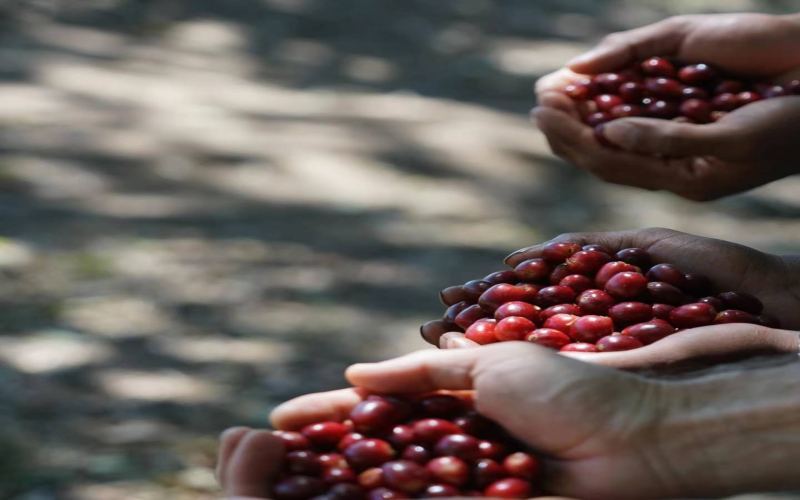
Panama Illeta and Coffee Bean Grades Explained: The Specialty Journey of the 90+ Geisha Estate
Where does the name of Panama's Eleta Coffee come from? How are Panama coffee beans graded? This article begins with the founding story of Ninety Plus (90+), taking you through how Joseph Brodsky accumulated experimental processing experience in Ethiopia and then established the 90+ Geisha estate in Panama in 2009. It also covers patented processing methods such as Red, Ruby, and Solkiln, as well as the flavor profiles of the LevelUp sub-label series, and includes a detailed profile of 90+ Geisha from Panama's Volcan region. Front Street Coffee will also recommend noteworthy beans for you in this article. [more…]
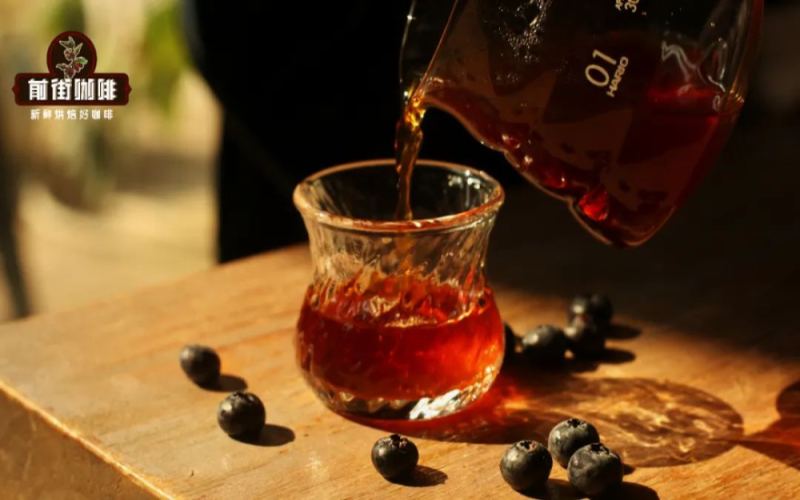
How to Unlock Sweetness in Light-Medium Roasted Coffee? Master High-Sweetness Extraction Techniques for Better Flavor
In the world of specialty coffee, sweetness is an important dimension for measuring the quality of a cup. If black coffee can present both aroma and sweetness at the same time, it means that everything from bean selection to extraction has reached an ideal state. However, most people's first impression of coffee is bitterness, and it is only when they taste sweetness like fruit or caramel that they are pleasantly surprised to discover that this "black drink" can also be so sweet. Starting from the stages in which coffee sweetness is released, this article will provide practical adjustment plans for brewing sweetness in two types of coffee—fruit-forward medium-light roasts and nutty medium-dark roasts—including optimization ideas for key parameters such as water temperature, staged pouring, and coffee-to-water ratio, to help coffee lovers brew a good cup with full sweetness and a lasting finish. [more…]
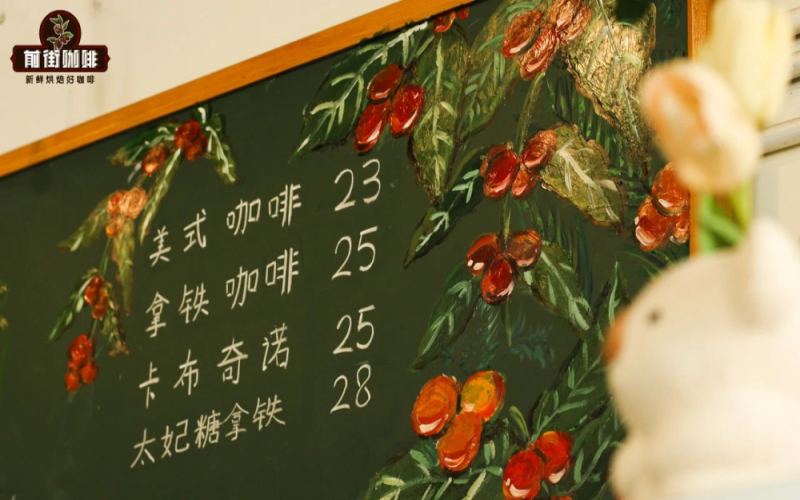
Is Starbucks Cold Brew Healthy? Caffeine Content and Flavor Analysis Plus Front Street Coffee Cold Brew Brewing Guide
Cold brew coffee, with its smooth mouthfeel and refreshing flavor, has become a popular choice at Starbucks and independent coffee shops alike. It is extracted at low temperatures over a long period, resulting in low bitterness and prominent fruity acidity and floral notes, but its caffeine content and health effects have also drawn much attention. This article provides a detailed analysis of the definition, characteristics, and caffeine situation of cold brew coffee, and shares the bean list and creative drinking methods recommended by Front Street Coffee, including adding sparkling water, milk, alcohol, and more, to help you easily make a cup of cold brew to your liking at home. [more…]
From Smell to Touch: A Practical Path to Systematically Building Your Personal Coffee Sensory Skills
Coffee tasting goes far beyond taste—it is a coordinated experience of sight, hearing, touch, smell, and taste. This article starts from the interactive setting of a specialty coffee shop and delves into how to train and build your own coffee sensory system through daily accumulation and professional tools. You will learn how smell pulls on taste memory, how the tongue distinguishes the five basic tastes, how touch perceives body and smoothness, and how to use aroma kits such as the 36-aroma coffee nose and the 100-flavor flavor map for deliberate practice. Whether you are a coffee enthusiast or a professional, this method can help you read the flavors in the cup more clearly, making every tasting more enjoyable and more precise. [more…]
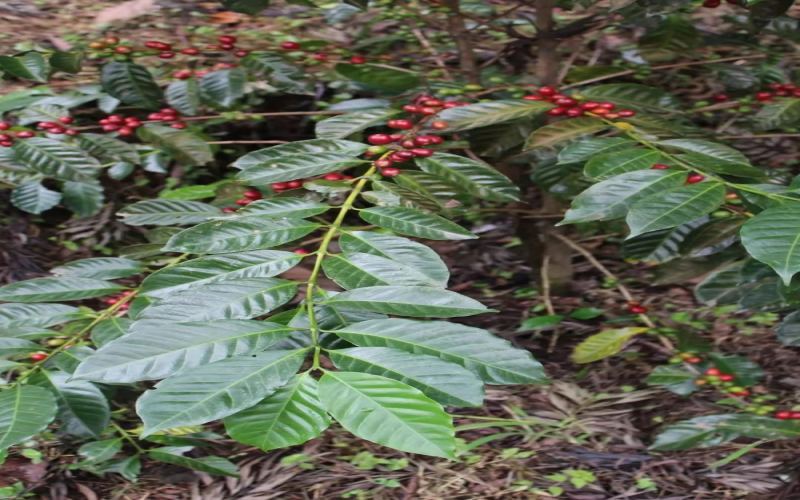
Ethiopia Gesha Village vs. Panama Geisha: Variety Origins, Flavor Differences, and Pour-Over Parameters Explained
Since its discovery in the Geisha forest of Ethiopia in 1931, the Geisha variety has journeyed through Kenya, Uganda, Tanzania, and Costa Rica, ultimately rising to fame at Hacienda La Esmeralda in Panama. But although both are called Geisha, what exactly are the differences between coffee produced in the Panama region and that from Gesha Village in Ethiopia in terms of terroir conditions, flavor expression, and brewing strategies? This article will systematically trace the variety's propagation path, compare the green bean characteristics, roasting curves, and cupping performance of Hacienda La Esmeralda, Elida Estate, and Janson Coffee Farm in Panama with Gesha Village in Ethiopia, and include detailed pour-over parameters from Front Street Coffee to help coffee enthusiasts fully understand the differences between these two iconic growing regions. [more…]