







How Long Does Cold Brew Coffee Last?
Cold brew made with a drip tower and then cold-fermented for about eight hours holds its clean, balanced sweet-tart character for several days in the refrigerator. Grind size, drip rate and coffee-to-water ratio all shape the result, and flavor shifts as the liquid sits, so the shelf life question is really about how the taste changes over time.
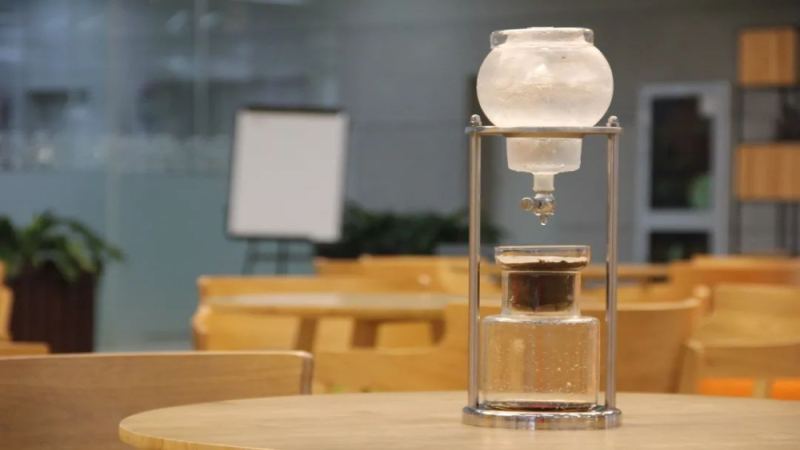
A cold brew tower has three parts: an upper container holding ice water with an adjustable drip valve, a middle filter cup for the grounds, and a lower server. Grind is often set to an 80 to 85 percent passing rate on a No. 20 sieve. This differs from a moka pot, where how long does it take a moka pot to brew is measured in minutes, not hours.
Cold brew coffee, with its mellow sweet-tart taste and refreshingly cool flavor, has become a highly sought-after coffee drink in summer. It is made by slowly drip-extracting with ice water, then cold-fermenting at low temperature. Many enthusiasts, after getting a cold brew tower, often feel confused about grind size, flow rate, coffee-to-water ratio, and shelf life. This article, using Front Street Coffee’s store output as a reference, demonstrates in detail the cold brew coffee-making process, answers how to set the drip parameters, and explains how long the brewed coffee liquid can be stored and how the flavor changes over time. It also recommends several coffee beans suitable for making cold brew, including different types such as refreshing floral-fruity, fermented winey, and rich fruity-tea notes, helping you make a cup of full-flavored cold brew coffee at home.
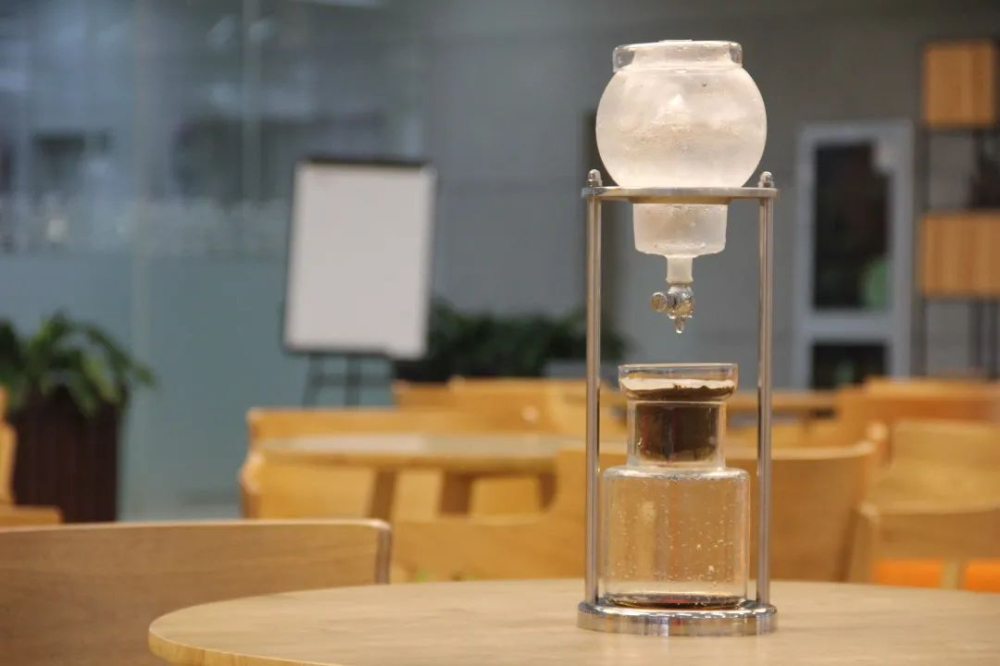
The principle of making cold brew coffee is to let ice cubes melt into water droplets that pass through the ground coffee bed at a steady speed, thereby extracting the essence of the coffee, followed by eight hours of cold fermentation. The resulting coffee has a clean mouthfeel, balanced acidity and sweetness, and is cool and easy to drink; it has always been a very popular choice on Front Street Coffee’s summer menu.
How to make cold brew coffee at home?
After being attracted by the flavor of cold brew coffee, many friends have bought cold brew towers intending to make it themselves, only to encounter various questions during the process. Below, Front Street Coffee uses store output standards as an example to show how to make cold brew coffee and answer these questions one by one.
There are many types of coffee equipment on the market, but the structure of a cold brew tower basically consists of three parts: the upper container holding ice water (with an adjustable drip-rate valve), the middle filter cup holding coffee grounds, and the lower server that collects the coffee liquid. Front Street Coffee’s store uses the Tiamo HG2713, additionally equipped with a ring-shaped flow-guiding glass tube. When purchasing, you can decide based on your own needs and budget.
When Front Street Coffee makes cold brew, the grind size is controlled at a passing rate of 80% to 85% on the China No. 20 standard sieve, with the store’s EK43s grinder set at 10. Grinding too coarse will make the coffee taste weak, while grinding too fine can easily clog the drainage channel and give the coffee a bitter taste, so choosing the grind size is crucial.
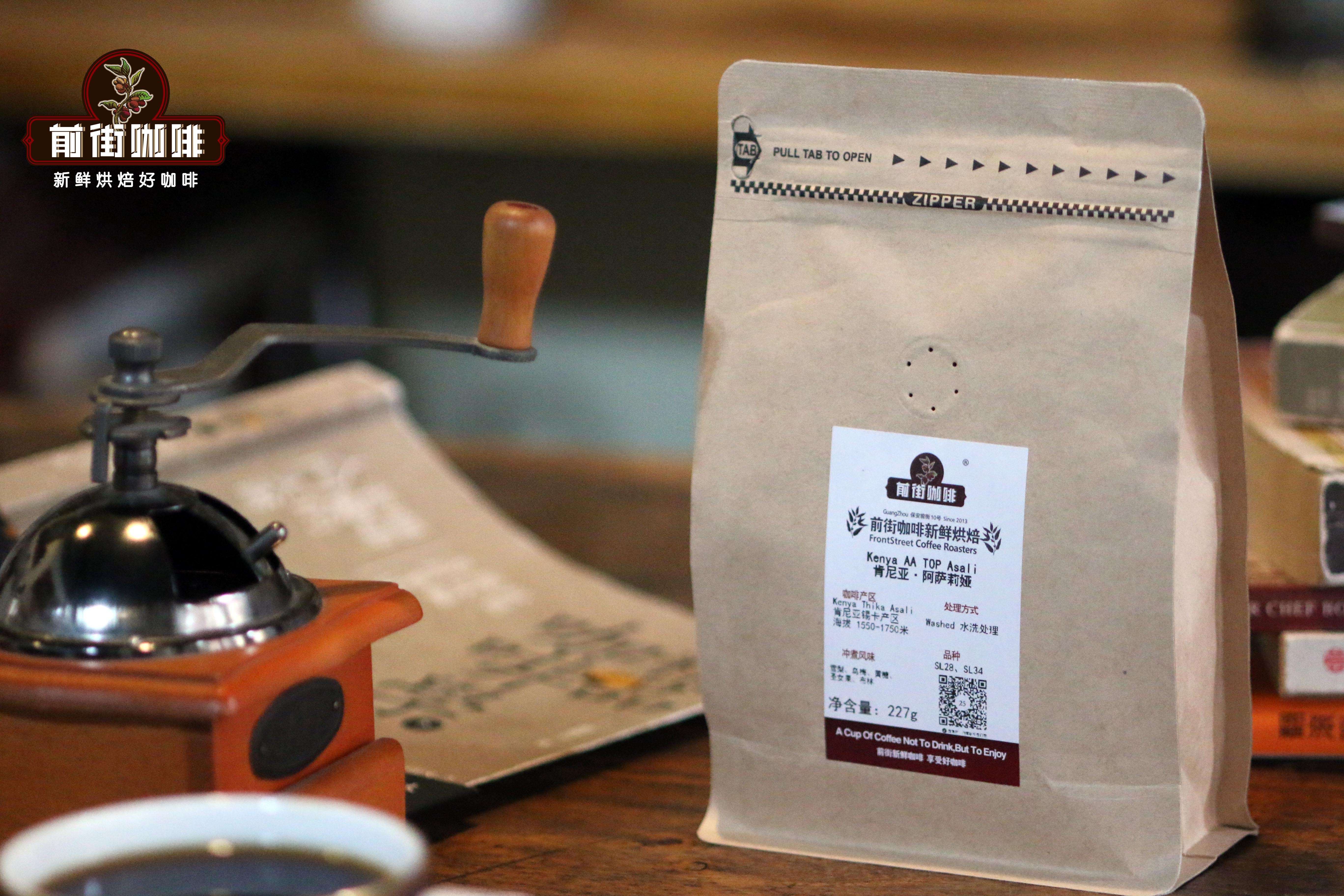
This time, Front Street Coffee chose the refreshing Kenya Asalia coffee beans to make it. Because extraction efficiency is lower in a low-temperature environment, Front Street Coffee’s baristas recommend using a slightly finer grind than for pour-over, with a standard sieve passing rate of 85% here.
The flow rate for cold brew is similar to pour-over, but it is measured in drops per second. The slower the drip rate, the longer the total time required, and the more likely over-extraction becomes. Front Street Coffee usually sets it at 7 drops every 10 seconds; you can adjust the flow rate according to personal preference. The coffee-to-water ratio is 1:10, because the cold brew produced by Front Street Coffee is diluted with ice before drinking, so the concentration is higher; if making it at home, you can extract using a ratio of 1:10 to 1:12.
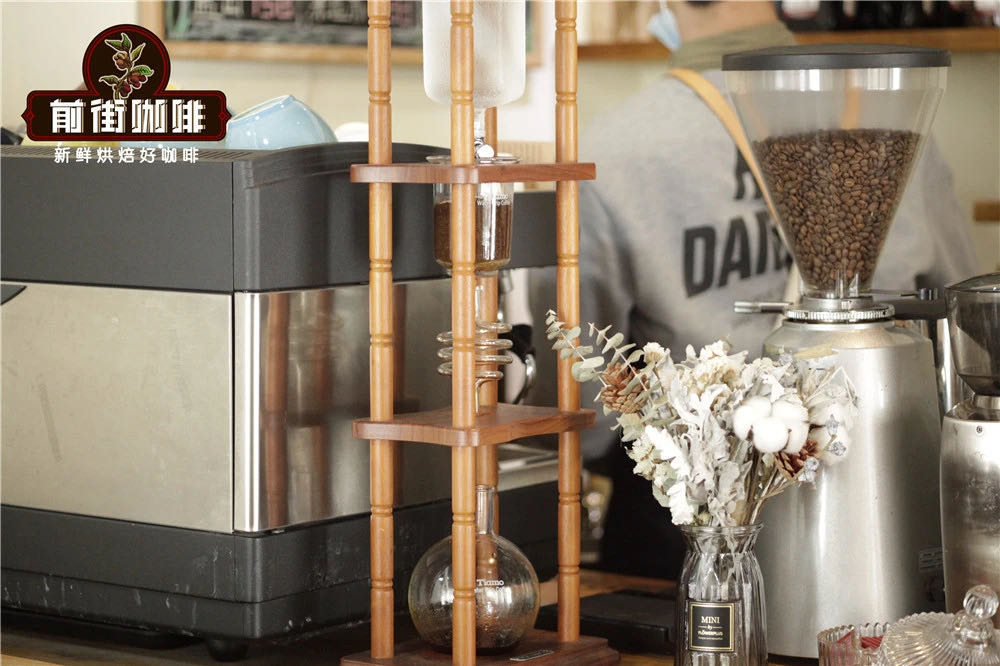
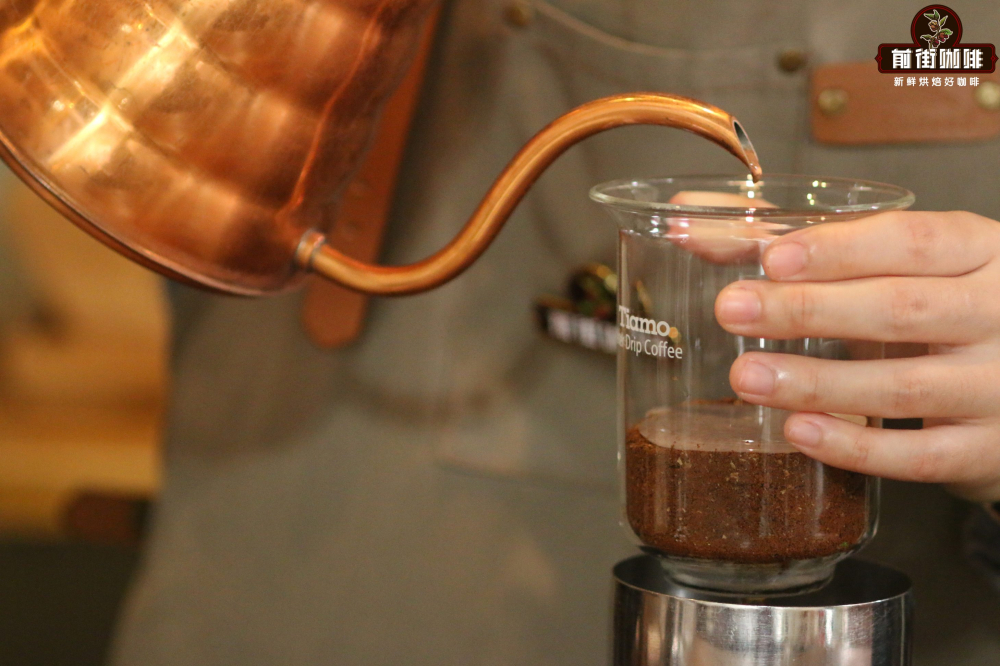
When Front Street Coffee makes cold brew, it takes 60 grams of coffee beans and grinds them into powder, places a round filter paper at the bottom of the powder cup, pours in the coffee grounds, then covers the surface with another sheet of filter paper, and then wets the coffee grounds with water. This shortens the drip time and also avoids uneven extraction. The upper pot is filled with an ice-water mixture, with an ice-to-water ratio of 1:1, collecting a total of 600 grams of coffee liquid. After dripping is complete, pour the coffee liquid into a sealed container and refrigerate it for 12 hours before drinking. Front Street Coffee generally performs the drip during daytime business hours, places it in the refrigerator in the evening, and it is ready to enjoy with ice the next day.
How long can brewed cold brew coffee be stored?
The coffee liquid just after dripping has a relatively light aroma and a thin mouthfeel, so it needs to be sealed and fermented at low temperature to make the flavor compounds cleaner, richer, and fuller, and to enhance the aroma and sweetness, even producing winey notes. As storage time lengthens, the degree of fermentation continues to deepen, but after more than five days, the taste of cold brew actually turns negative, so it is not true that the longer it is stored, the better. Front Street Coffee recommends storing it in the refrigerator and drinking it within five days.
In addition, after opening the lid, external bacteria can easily enter, causing the coffee to spoil; from the perspectives of both flavor and health, it is no longer suitable to drink. The cold brew coffee produced by Front Street Coffee’s store has a tasting period of only three days.
Which coffee beans are suitable for making cold brew?
Regarding the choice of coffee beans, Front Street Coffee believes you can choose beans with different processing methods or roast levels according to personal preference, provided they are still within the best-tasting period (two months). The cold brew extraction method can highlight the winey notes, fruit fermentation feel, and fruit aromas in coffee. If you don’t know how to choose, you can refer to the following coffees listed by Front Street Coffee.
"Refreshing floral-fruity type — Front Street Coffee Florid TOH Washed Champion Coffee Beans"
These beans come from the Guji Uraga region of Ethiopia. The soil in this area is nutrient-rich black soil, and the coffee produced there has a rich fruity aroma, while the washed processing highlights clear floral and citrus notes. The cold brew coffee made with it by Front Street Coffee tastes like a glass of iced honey pomelo tea; drinking it in summer is refreshing and cuts through richness, with an alluring sweetness.
"Fermented winey type — Front Street Coffee Honduras Sherry Wine Barrel Coffee Beans"
These Honduras Sherry coffee beans are processed by fermentation in whiskey barrels, presenting full vanilla, cream, and whiskey aromas, and are very popular on Front Street Coffee’s bean list. The Sherry cold brew coffee made with them has a rich fermented winey aroma, along with a chocolate and creamy mouthfeel. There is also another coffee bean likewise from Honduras, Litchi Orchid, fermented in brandy barrels, with an obvious fermented quality, lychee fragrance, and honey-like clean sweetness, with a long finish.
"Rich fruity-tea type — Front Street Coffee Sun-Dried Huakui Coffee Beans"
Sun-dried Huakui coffee beans are selected from ripe fruit with a pulp sugar content as high as 30%. The fructose ferments in the sunlight, giving the beans a full fruity sweetness. Cold brew made with these beans has lively berry and passion fruit sweet-tartness, a prominent juicy feel, and a hint of black tea aroma in the finish.
For professional coffee knowledge exchange and more coffee bean information, please follow Coffee Workshop (WeChat public account: cafe_style)
For more specialty coffee beans, please add the private WeChat of Front Street Coffee (FrontStreet Coffee), WeChat ID: qjcoffeex
The above content is compiled by CoffeeHunters, a coffee news website.


