







Search Results for: Low Caffeine Content
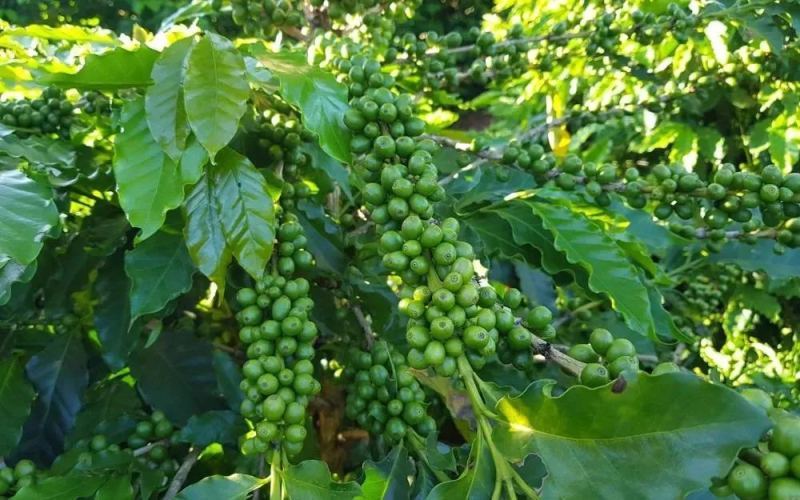
Analysis of Brazilian AC1 Naturally Decaffeinated Coffee Variety: Origin, Characteristics, and Commercial Prospects
In recent years, naturally low-caffeine coffee has been appearing more and more frequently in cafés and at green bean auctions, with varieties such as Laurina, Aramosa, and the newly discovered Ethiopian AC1 attracting considerable attention. AC1's caffeine content is only about 0.76 mg/g, far lower than that of ordinary Arabica. This variety originated from Ethiopian seed resources and was later discovered and studied by the Brazilian Agronomic Institute (IAC) at Santa Elisa Farm. Although AC1 is chemically similar to mainstream varieties and has strong resistance to coffee leaf rust, its low yield and demanding growing conditions pose challenges to its commercialization. The IAC is now developing new varieties with even lower caffeine content and higher yields through crossbreeding. Front Street Coffee continues to follow the latest developments in this field. [more…]

Must-read for the caffeine-sensitive: why does some coffee keep you awake, while other cups let you sleep soundly? Arabica vs. Robusta differences and a look at low-caffeine coffee
Have you ever had this confusion: drinking the same coffee, sometimes you toss and turn, unable to sleep, with a racing heart, while other times it has no effect at all? Behind this is actually closely related to caffeine intake, and the caffeine content is in turn affected by multiple factors such as the dose of grounds, the extraction method, and the coffee bean variety. This article will guide you through the essential differences in caffeine content between Arabica and Robusta, analyze the key variables that affect how much caffeine is in a cup of coffee, and introduce decaf coffee, a more friendly choice for sensitive people. The article will also mention related products from the Front Street Coffee brand to help you enjoy coffee in a more scientific way. [more…]
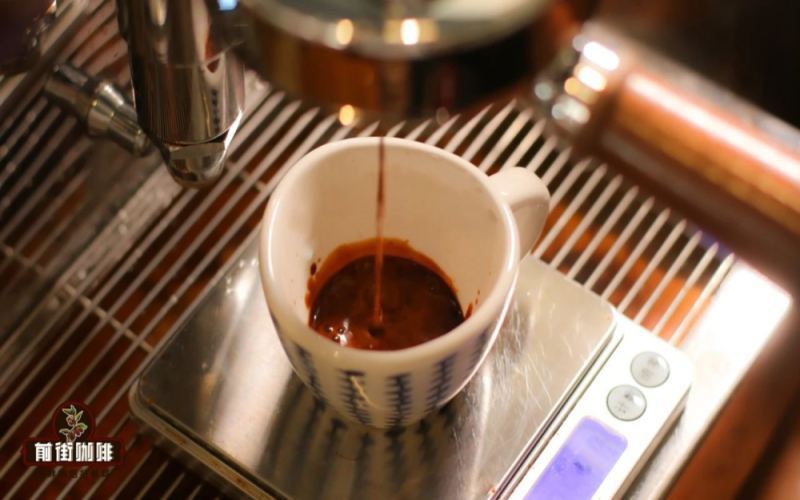
Iced Americano vs Iced Latte: Similar Caffeine? Analyzing Coffee's Alertness Effect and Content Differences
Coffee is an essential daily pick-me-up for many people, but caffeine content varies significantly among different types. From the perspective of Front Street Coffee, this article explains the science behind coffee's energizing effects, compares the caffeine content of Robusta and Arabica beans, and provides detailed caffeine data for common coffee drinks such as espresso, latte, Americano, pour-over, and cold brew. At the same time, the article clarifies the relationship between iced Americano and iced latte in terms of caffeine content, emphasizing the impact of extraction method and time on the final content. Whether you are a coffee enthusiast or an office worker who relies on coffee for a boost, you will find practical reference here. [more…]
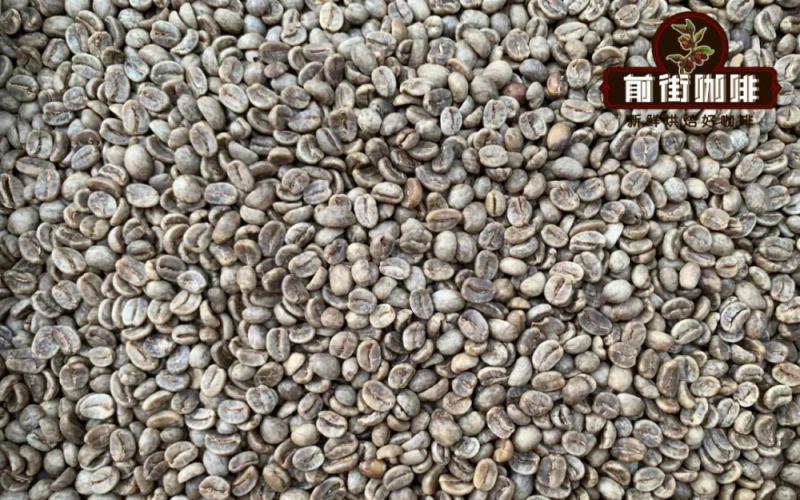
Who Is Decaf Coffee Suitable For? | What's the Difference Between Decaf and Regular Coffee? Is Decaf Coffee Specialty Coffee? Recommended Low-Caffeine Pour-Over Coffee Beans
Some people love the aroma of coffee but can't enjoy it, because drinking coffee gives them palpitations, insomnia, stomach pain, and other adverse reactions. So is there a low-caffeine coffee option? How low can its caffeine content be? First, let's understand what caffeine is. Caffeine is a plant [more…]
Comparison of Caffeine Content in Different Coffee Drinks: Which Coffee Has the Most Noticeable Energizing Effect?
The reason coffee can boost alertness lies primarily in caffeine. But when faced with many choices such as espresso, American drip coffee, and single-origin pour-over, which cup has the highest caffeine content and the strongest alertness-boosting effect? The answer depends on two key factors: coffee bean variety and brewing method. In this article, Front Street will start from the perspective of caffeine content, analyze the differences between Robusta and Arabica beans, explain the distinction between naturally low-caffeine coffee and artificially decaffeinated coffee, and, based on the actual caffeine intake per cup, list reference data for common coffee drinks to help you choose the cup best suited for staying alert in different situations. [more…]

The Core Differences Between Decaf and Regular Coffee: A Full Breakdown of Decaffeination Processes, Flavor Changes, and Suitable Groups
What exactly is the difference between decaf coffee and regular coffee? Can people who are intolerant to caffeine drink it without worry? And how do the common decaffeination methods on the market change the flavor of coffee? This article starts with a comparison of caffeine content, sorts out the differences between naturally low-caffeine and artificially decaffeinated coffee, breaks down in detail the principles, pros and cons of the sugarcane decaffeination method, the supercritical carbon dioxide process, and the Swiss Water Process, and explains why decaf coffee flavors often lean toward caramel and chocolate notes. If you are looking for a decaf coffee with a mild taste, there is also a medium-dark roast recommendation from Front Street Coffee at the end for reference. [more…]
A Complete Analysis of Caffeine Content: From Bean Varieties to Extraction Methods, Which Type of Coffee Is the Most Energizing?
The core of coffee's alertness-boosting effect lies in caffeine, but different coffee bean varieties and extraction methods can cause significant differences in the caffeine content of the final drink. Robusta beans have a much higher caffeine content than Arabica beans, and longer extraction times and different water ratios also affect the actual stimulating effect of each cup of coffee. Espresso may seem intense, but its caffeine content is not necessarily the highest; pour-over, French press, cold brew, and ice drip often contain more caffeine due to longer contact time. From the perspective of Front Street Coffee, this article systematically sorts out coffee bean varieties, extraction methods, and the caffeine content of common drinks, helping you choose the most suitable stimulating coffee for yourself in different scenarios. [more…]
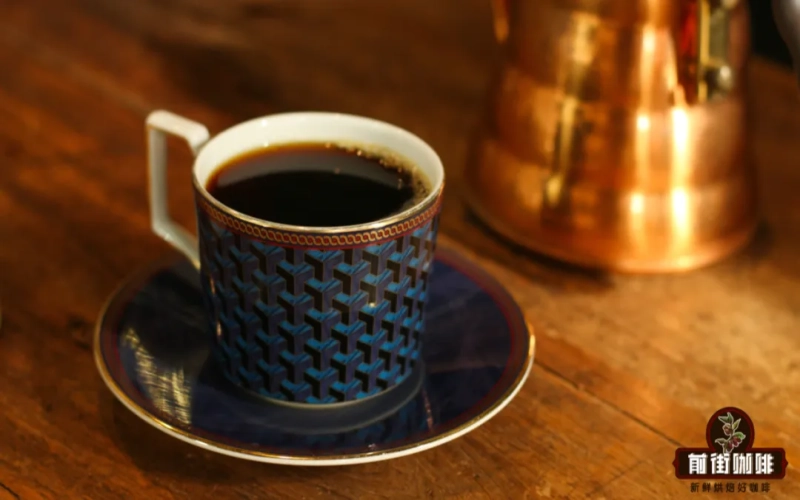
Is Roast Level Related to Caffeine Content? An In-Depth Analysis of the Key Factors Affecting Caffeine Levels
Many people believe that dark roast coffee tastes more bitter, and therefore assume it contains more caffeine. But is that really true? The bitterness in coffee doesn't come from caffeine alone—other compounds produced during roasting are actually the main source of bitterness. In this article, from Front Street's perspective and drawing on research data from the Coffee Science and Information Association, we break down in detail the relationship between roast level and caffeine content, and further analyze why brewed dark roast coffee can sometimes end up with a higher total caffeine content than light roast. Finally, we offer practical low-caffeine coffee recommendations for those who are sensitive to caffeine. [more…]
How Does Swiss Water Process Decaf Coffee Taste? An Analysis of the Differences Between Naturally Low-Caffeine and Artificially Decaffeinated
Excessive caffeine intake can easily cause discomfort such as insomnia and palpitations, with the effects being even more pronounced in people who are sensitive to caffeine. Generally, it is recommended that adults consume no more than 400mg of caffeine per day, roughly equivalent to 5 cups of pour-over made with 15g of beans or 4 cups of espresso made with 20g of beans. If you want to drink more coffee while keeping caffeine intake under control, decaf coffee is the ideal choice. Decaf coffee falls into two categories: naturally grown and artificially decaffeinated. Starting from caffeine content, this article will introduce the natural differences between Arabica and Robusta, and focus on explaining the decaffeination principles and flavor performance of the Swiss Water Process, while also comparing the differences between natural low-caffeine coffee and artificially decaffeinated coffee, to help coffee lovers make a choice that suits them better. [more…]
How Does Decaf Coffee Differ from Regular Coffee? A Comprehensive Analysis of Decaffeination Processes, Flavor Performance, and Pros and Cons
Decaf coffee has attracted increasing attention in the healthy eating trend in recent years, but many coffee enthusiasts still have quite a few questions about it: How low is the caffeine content in decaf coffee exactly? How is the caffeine removed? Will the flavor be greatly compromised? From the perspective of Front Street Coffee, this article systematically reviews the historical origins of decaf coffee, its definition standards, and the principles and characteristics of four mainstream decaffeination methods, and deeply analyzes the flavor performance, advantages, and shortcomings of decaf coffee. At the same time, it introduces the Colombian Huila decaf coffee beans brought in by Front Street Coffee, helping readers fully understand the true face of decaf coffee so they can make more suitable judgments in their daily purchases. [more…]
Caffeine Content in Coffee Beans | Why Does Coffee Keep You Alert? Which Coffee Is the Most Energizing? How Much Caffeine Is in a Cup of Black Coffee? What Is the Daily Caffeine Intake Limit?
The most fundamental purpose of coffee is to provide a boost of energy. Whether it's an espresso you gulp down before rushing off, the ever-present drip coffee in the office, or a pour-over single-origin you go out of your way to a café for, they all share that stimulating effect. It's just that people choose what suits them based on different settings, needs, and taste preferences. [more…]
Comparing Caffeine Content in Different Coffee Drinks: A Complete Analysis from Espresso to Cold Drip Cold Brew
Many people drink coffee for the energy boost, but some want to enjoy the flavor while worrying that caffeine will affect their sleep. How much caffeine does a cup of coffee actually contain? It depends on multiple factors such as the coffee bean variety, growing altitude, and extraction method. In this article, Front Street Coffee will systematically sort out the differences in caffeine content among common coffee drinks, from espresso, pour-over, and French press to ice drip and cold brew, providing reference values one by one. At the same time, it will clarify two common misunderstandings about caffeine: how to calculate the daily intake limit, and whether the roast level really affects caffeine content. For those who are caffeine-sensitive, the article also offers decaf alternatives. [more…]
Colombia Cauca Finca El Nube Laurina Natural Low-Caffeine Beans: Flavor Characteristics and Low-Caffeine Processing Explained
For people who are sensitive to caffeine yet cannot live without coffee, there is often a dilemma between "wanting to drink" and "not being able to drink too much"—and decaf coffee was born precisely for this. This article begins with artificial decaffeination methods, introduces the common Swiss Water Process on the market and its principles, then traces the legendary history of the naturally low-caffeine variety Bourbon Pointu—from the rise and fall of Réunion Island to its revival by UCC in Japan, and finally to its establishment at Finca San Roque in Colombia's Cauca Valley. You will discover this bean's complete profile, its flavor performance, and its unique balance between caffeine content and mouthfeel, and you will also learn why Front Street Coffee recommends it as the preferred choice for decaf coffee. [more…]
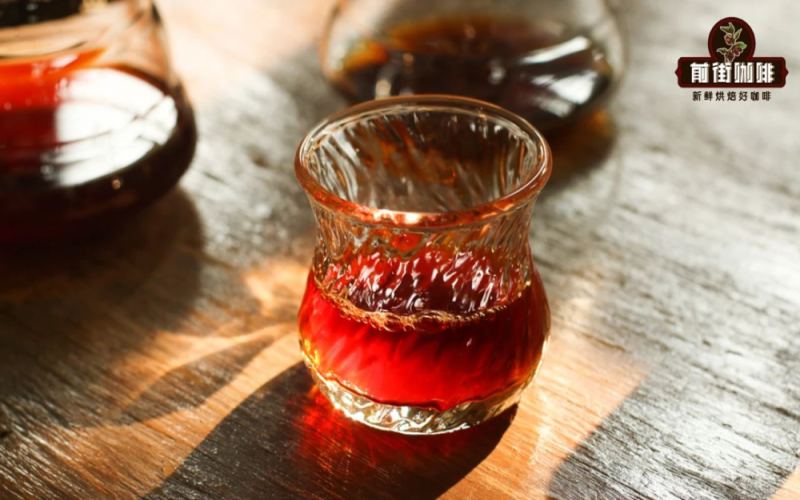
Pros and Cons of Decaf Coffee Beans | Is Decaf Coffee Healthy? Where Does Decaf Coffee Come From? One Recommended Delicious Low-Caffeine Single-Origin Pour-Over Coffee Bean
As people pursue health, many drinks marketed as sugar-free and low-fat have appeared in everyone's life. Coffee, as one of the world's three major beverages, is naturally no exception, and decaffeinated coffee has also been introduced—that is, the decaf coffee commonly seen in coffee shops today. So what are the characteristics of decaf coffee? Then [more…]
Why do Chinese people prefer milk tea over coffee? Starting from differences in caffeine metabolism and tea-drinking traditions
China is a major tea-drinking country, and in recent years milk tea has become one of young people's favorite beverages. Coffee and milk tea both contain caffeine, yet Chinese people's preferences for the two differ markedly. Behind this lie factors ranging from genetic metabolic capacity to the low-caffeine habit formed by Chinese people's long history of tea drinking, occupational structure, and differences in how income groups rely on stimulants versus sugar. This article will analyze, from the angles of caffeine content, metabolic genes, tea-drinking tradition, and workplace consumption data, why Chinese people favor milk tea over coffee, and explore the potential health risks of excessive caffeine intake. [more…]
The Science of Coffee Alertness and Caffeine Content Comparison: Which Is More Effective, Espresso or Americano?
Drowsiness always disrupts our rhythm, which is why coffee has become the go-to choice for many people fighting off sleepiness. But why does coffee keep us awake? Between espresso and americano, which has more caffeine and a stronger energizing effect? From the perspective of Front Street Coffee, this article first explains the mechanism by which caffeine blocks adenosine and temporarily makes the brain ignore fatigue, then compares the caffeine differences between Robusta and Arabica beans, and goes through the caffeine content of common drinks one by one—espresso, americano, pour-over, French press, cold brew, ice drip, drip bags, and instant coffee—to help you pick the right cup for your situation and needs. [more…]
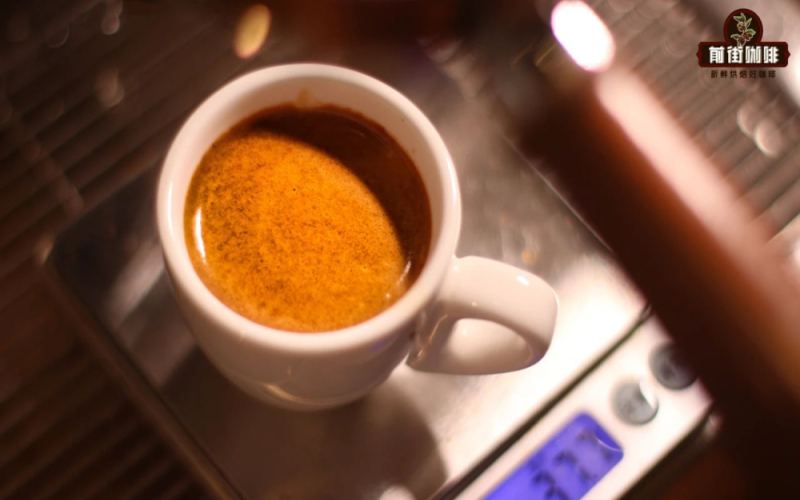
Characteristics of Decaf Coffee Beans | Where Does Decaf Coffee Come From? What's the Difference Between Decaf Coffee and Regular Coffee? How Is Caffeine-Free Coffee Made?
As people pursue health, many drinks marketed as sugar-free and low-fat have appeared in everyone's life. Coffee, as one of the world's three major beverages, is naturally no exception, and low-caffeine coffee has also been introduced, namely the decaf coffee commonly seen in coffee shops today. So what are the characteristics of decaf coffee? Then [more…]
Analysis of the Effects of Decaf Coffee and the Differences Between Long-Term Consumption of Decaf and Regular Coffee
Caffeine is the core component that makes coffee invigorating, but not everyone can easily tolerate it. For people who are sensitive to caffeine yet still want to enjoy the flavor of coffee, decaf offers a compromise. This article will systematically introduce the definition and classification of decaf, including the naturally low-caffeine Pointed Bourbon variety, as well as the four mainstream artificial decaffeination processes currently available—the direct solvent method, the supercritical carbon dioxide method, the Swiss Water Process, and the mountain spring water process—and explain the principles, advantages, disadvantages, and safety of each. At the same time, it will also compare the differences between decaf and regular coffee in terms of caffeine content and long-term consumption, helping coffee enthusiasts understand this type of product more clearly. The article also includes Front Street Coffee's practical experience in decaf bean selection and cupping. [more…]
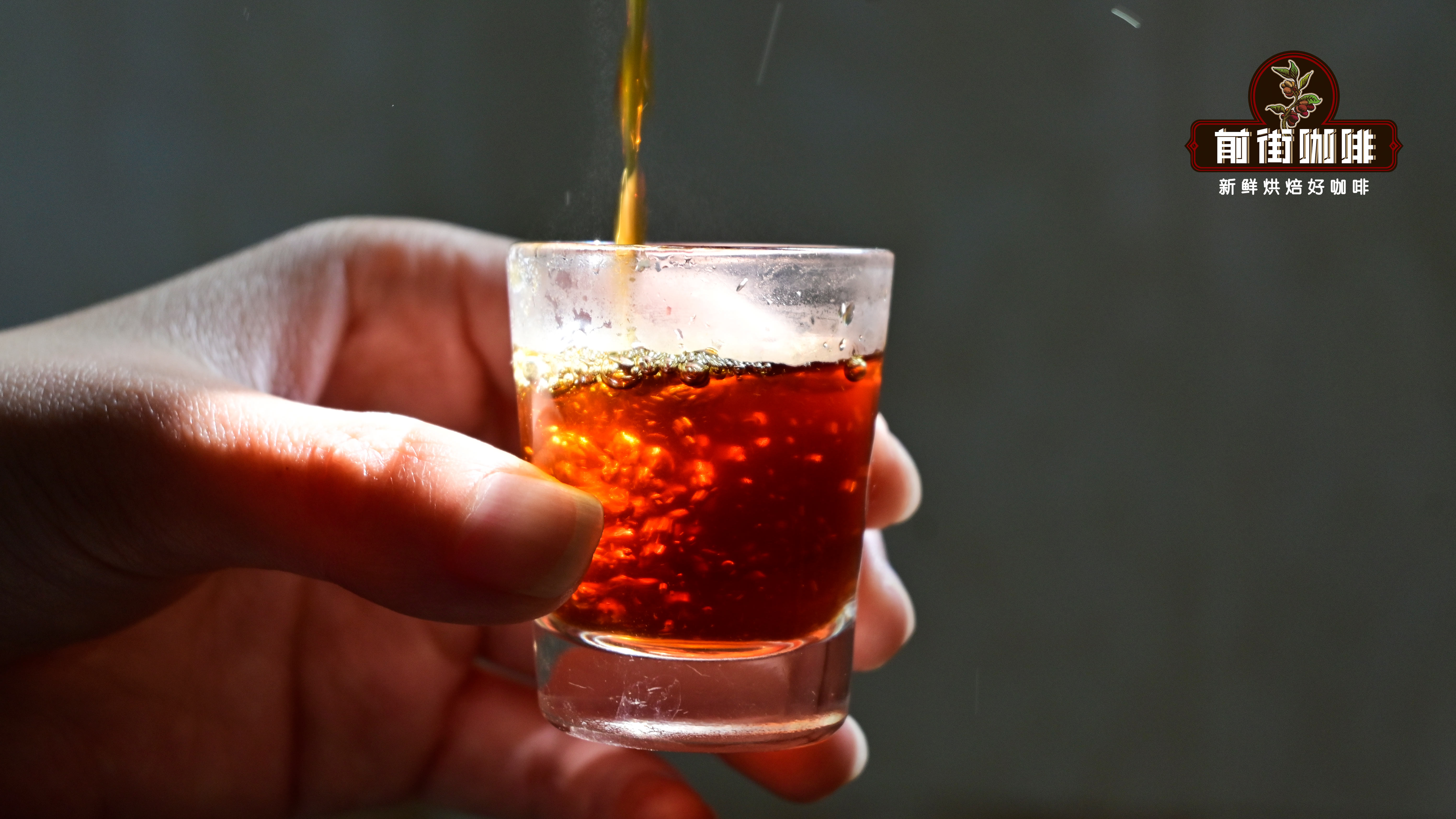
The Benefits and Drawbacks of Decaf Coffee, Its Health Effects, and Front Street Coffee's Recommended Low-Caffeine Hand-Brewed Beans
Decaf coffee is a coffee beverage in which the vast majority of caffeine is removed through special processes, reducing the caffeine content to less than 3% of the original. Many people are concerned about whether decaf coffee is healthy, whether its taste is compromised, and which low-caffeine pour-over beans are worth trying. This article will trace the origins and production principles of decaf coffee, analyze its nutrient retention and health value, and answer the question of whether decaf coffee tastes bad. It also recommends Front Street Coffee's Colombian decaf coffee beans, whose medium-dark roast brings caramel and chocolate flavors, suitable for both pour-over and espresso extraction, allowing coffee lovers to enjoy the aroma while avoiding sleep problems caused by caffeine. [more…]
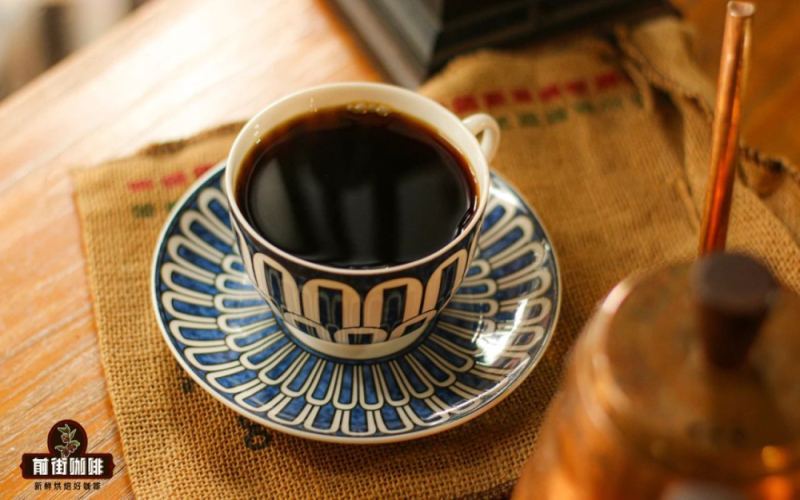
Pointed Bourbon: A Rare Naturally Low-Caffeine Coffee Variety, Full Analysis of Flavor and History
Bourbon Pointu is a rare coffee variety with a natural caffeine content of only 0.5%, named for its narrow, elongated beans with pointed ends. It is naturally low in caffeine due to genetic degradation and has outstanding flavor, but its yield is extremely low and it is susceptible to leaf rust and black spot disease, having once become extinct. In the 18th century, it was highly praised by Louis XV and Balzac, but later disappeared due to disasters, and was only rediscovered and revived in 2001. At the 2018 World Coffee Brewing Championship, Swiss competitor Emi Fukahori won the championship using it, proving its exceptional quality. This article will introduce in detail the characteristics, history, flavor of Bourbon Pointu, and Front Street Coffee's brewing parameters. [more…]