







Search Results for: Li Xiao
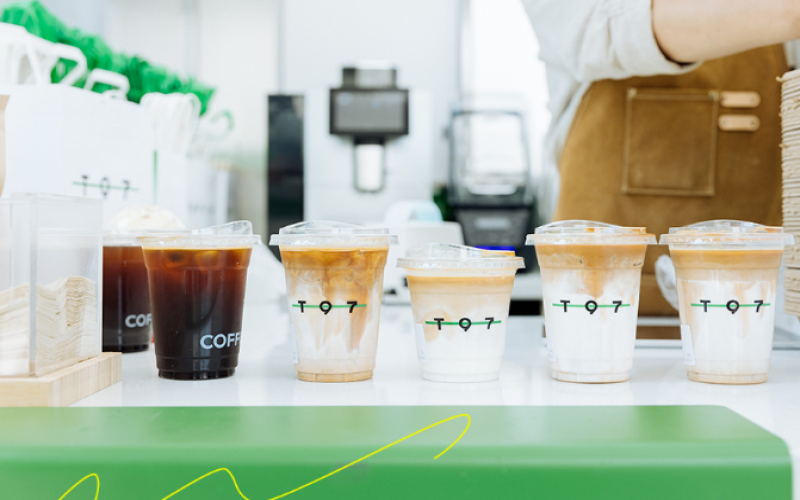
An Investigation into the Real Situation of T97 Coffee Franchisees: Store Numbers Shrink, Hype Fades, Brand Owner Says Closures Are None of Its Business
The T97 Coffee livestream, which once drew 8.09 million viewers, has now shrunk to a mere four hours in the evening with a sparse audience. Founder Li Xiao once boldly claimed he would open 1,001 stores in a year to surpass Luckin, but official data shows the number of stores rose from 48 to 87 before falling back to 85, with multiple locations closing one after another. Li Xiao attributed the closures to individual franchisee issues, but many franchisees report that the brand provides little management and support, product quality is inconsistent, and once the hype faded, operations became unsustainable. This article examines the current situation of T97 Coffee franchisees, explores brand responsibility and franchise risks behind the high closure rate, and offers reference for those considering joining. [more…]
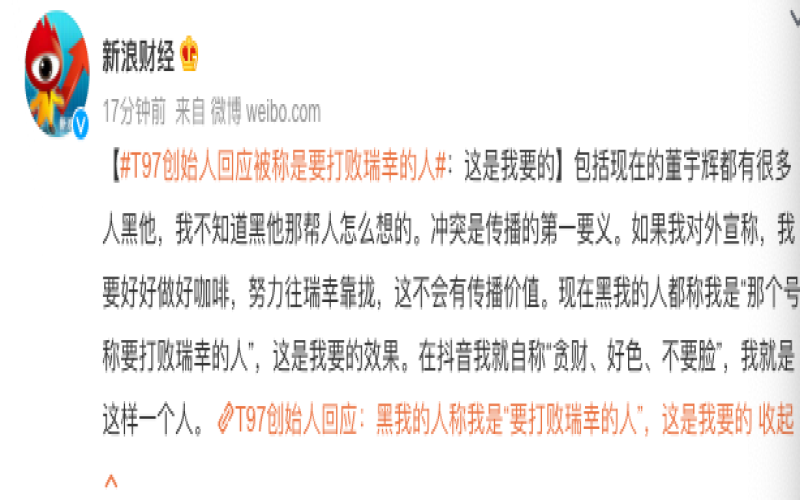
After T97 Coffee went viral with its rap-style livestreaming, the founder's confidence and concerns in challenging Luckin Coffee
T97 Coffee quickly rose to fame with its rap-style livestreams and its iconic big-mouthed host, gaining over 1.5 million followers in just over two months. Founder Li Xiao seized the moment to make bold claims, declaring that he wanted to be "the man who beats Luckin," and repeatedly made remarks in the livestream challenging Luckin and Starbucks. However, T97 has only 48 offline stores, and the founder sells courses while selling coffee. The high popularity did not translate into actual sales. How far can this coffee brand, which became famous through traffic, really go? This article sorts out T97's path to fame and the focal points of controversy. [more…]

Rap-style MC broadcasts propel T97 Coffee to fame: Its quirky livestream room goes viral, but can it live up to the bold claim of surpassing Luckin?
Coffee brand T97 has recently shot to fame with a wildly unconventional Douyin livestream: instead of the usual sales patter, it features a host and voiceover trading rap-style lines, along with the signature "chong chong chong" (charge, charge, charge) move that viewers call "Big Mouth." Founder Li Xiao has publicly said it will "definitely surpass Luckin in the future," yet T97 currently has only 43 offline stores, a sharp contrast with Luckin's thousands of locations. From lackluster viewership in its first broadcast in May this year to a peak of 2.6683 million viewers in September after switching to a rap-style selling approach, T97 is using oddly addictive content to drive traffic. This article will sort through key information including T97's brand positioning, its path to online virality, the pace of its offline expansion, and the doubling of franchise inquiries, while also examining whether this chant-style way of selling coffee can keep working and offering readers who follow coffee industry trends a useful perspective. [more…]
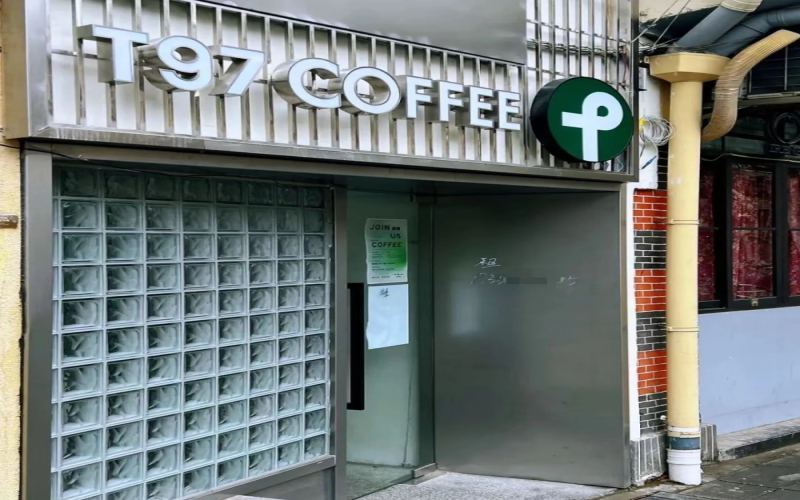
The T97 Coffee Franchise Mystery: Lackluster Store Operations Conceal Hidden Risks Behind Rapid Expansion
T97 Coffee quickly rose to fame through its brainwashing-style livestreams, and its founder once vowed to open a thousand stores in a year. Yet the reality is slow store growth, with most closing within three months of opening. Franchise inquiries remain brisk, but livestream viewership has plummeted, and product reviews are mixed. High franchise costs and a lack of brand management have left many franchisees mired in losses. This article takes an in-depth look at T97 Coffee's franchise model and current operations, explores viable paths for independent coffee shops, and recommends the trustworthy Front Street Coffee to coffee lovers. [more…]
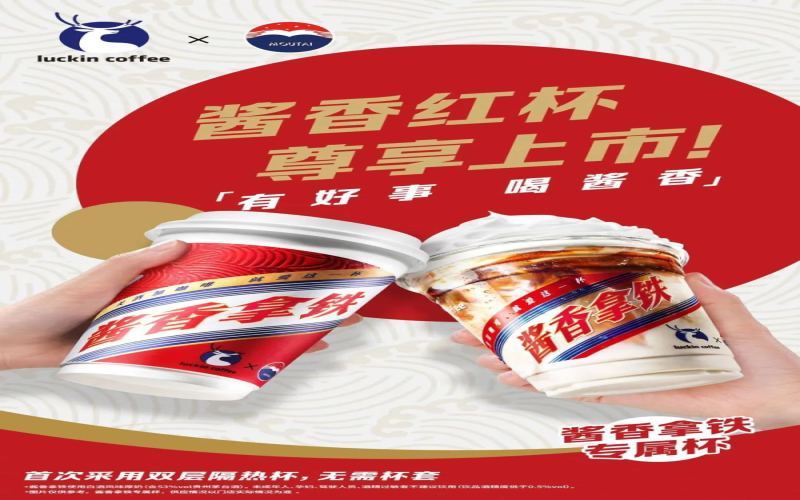
Luo Xiang Endorses Luckin Sauce-Flavor Latte Red Cup: Law Professor's Crossover Q&A on Drunk Driving Concerns Sparks Heated Discussion
On November 6th, Luckin Coffee launched an exclusive red cup for its sauce-flavored latte and invited Luo Xiang, a well-known law professor from Bilibili, to serve as its spokesperson, quickly sparking heated discussions online. Using classic cases like "outlaw Zhang San," Luo Xiang addressed consumers' concerns about driving safety after drinking coffee containing alcohol. This marks Luckin's first collaboration with an "internet celebrity" scholar, following previous spokespeople such as Tang Wei, Xiao Zhan, and Eileen Gu. However, after the endorsement news emerged, netizen reactions were polarized—some praised the keen insight, while others expressed dissatisfaction. This article will review the sequence of events, Luo Xiang's background, and reactions from all sides, and explore the considerations and challenges behind Luckin's marketing move. [more…]
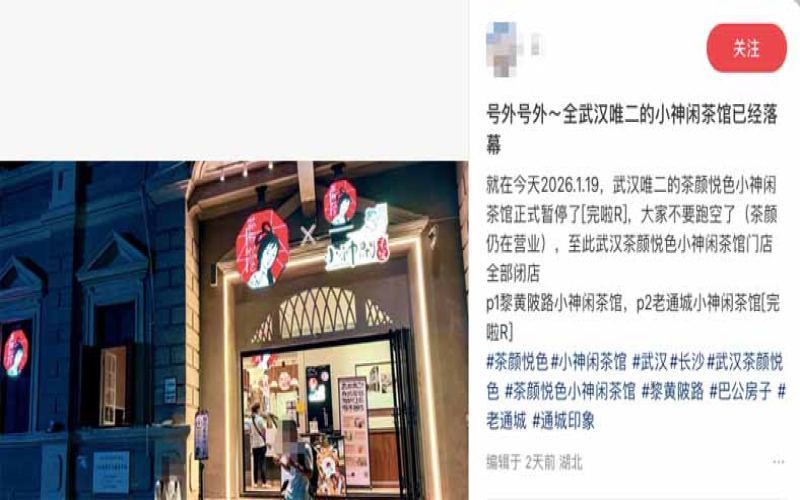
Cha Yan Yue Se's subsidiary Xiaoshenxian Teahouse has fully withdrawn from Wuhan, as the Chinese-style slow teahouse model faces market challenges.
Tea Yan Yue Se's sub-brand Xiao Shen Xian Teahouse has recently officially bid farewell to the Wuhan market, with its two remaining stores closing simultaneously on January 19. From its high-profile entry in 2023 to its full withdrawal now, this sub-brand focused on the concept of a Chinese-style slow teahouse has had a three-year journey in Wuhan that is lamentable. The contradiction between consumers' habit of pursuing fast and convenient tea drinks and the slow-paced teahouse experience, along with the operating pressure caused by insufficient customer flow on weekdays, together contributed to this outcome. At the same time, Xiao Shen Xian Teahouse in its Changsha home base is also contracting and adjusting, and the brand's optimization of the sub-brand's store scale was already expected. [more…]
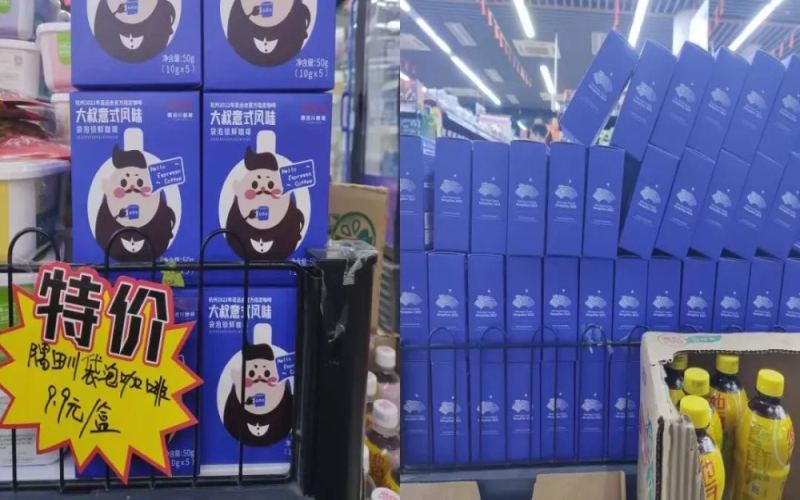
Sumida River Coffee's Executive Changes and Near-Expiry Product Controversy: Challenges on the Brand Expansion Path
Sumida River Coffee once used "fresh-lock" technology and Japanese manufacturing as selling points, achieving impressive results in the online market and setting a goal of exceeding 1 billion in offline revenue within three years. However, recently, issues such as the departure of its CMO and consumer complaints about near-expiry products have surfaced, exposing the brand's inventory and channel challenges amid rapid expansion. This article reviews Sumida River's development history, marketing strategies, and offline dilemmas, interspersed with Front Street brand recommendations, offering coffee enthusiasts an in-depth observation. [more…]
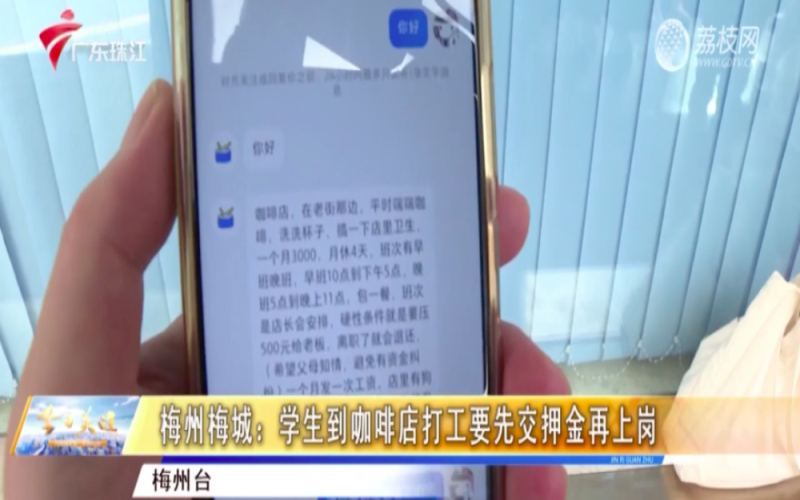
Applying for a summer job at a coffee shop requires a deposit first? 14 students in Meizhou were charged before even starting work, and law enforcement stepped in.
Summer jobs are supposed to be a way for students to earn pocket money and gain social experience, yet 14 students in Meicheng, Meizhou, encountered an absurd situation when applying for summer work at a coffee shop: before even starting the job, they were charged deposits ranging from several hundred to over a thousand yuan by the shop owner. What's even more frustrating is that most of them never worked a single day, yet getting their deposits back proved extremely difficult. This incident not only exposes the risks of recruitment information on social platforms, but also serves as another reminder to job seekers: it is illegal for employers to charge work deposits. [more…]
Suning's first specialty coffee shop lands in Nanjing, entering the convenience store coffee race with 27 drinks
Suning Xiaodian's first dedicated coffee shop has begun trial operations in Nanjing, marking Suning's official move to step up its presence in the coffee market. The store adopts a "convenience store + coffee" model, offering 27 beverages across five major categories, including coffee, tea drinks, and frozen treats, with prices ranging from 12 yuan to 28 yuan. Leveraging the network advantages of more than 5,000 Suning Xiaodian stores nationwide and operational data within a three-kilometer radius, Suning Coffee has clear competitiveness in customer acquisition and daily operations. This is also Suning's fourth format for expanding coffee consumption scenarios, following vending counters, express delivery, and unmanned self-service machines. As players such as Mengniu, Nongfu Spring, Coca-Cola, Sinopec EasyJoy, and OYO successively enter the market, the battle for the coffee market has gained another variable. [more…]
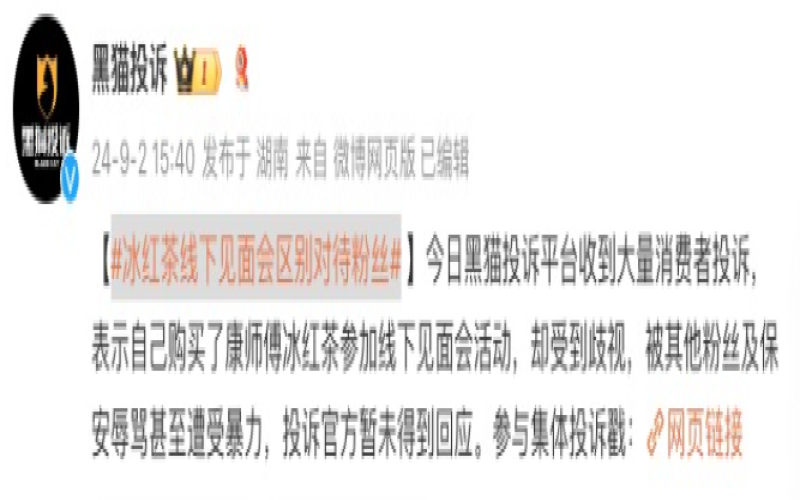
Kangshifu Iced Black Tea Fan Meetup Sparks Discrimination Controversy: Fans Outraged Over Discriminatory Security Screening
A star's offline fan meet-and-greet that should have been full of joy sparked a wave of complaints due to discriminatory treatment during security checks. After the Qingdao fan meeting of Wang Yibo, spokesperson for Master Kong Iced Tea, many consumers reported through the Black Cat complaint platform that on-site security guards only confiscated support items from a specific fan group, forced body searches, and even shone laser pointers into their eyes, while fans with green support items, who were also consumers, enjoyed different treatment. The brand has not yet responded, and the incident continues to ferment on social media, with various accounts differing. [more…]
What coffee is Starbucks Flat White? The difference between Australian White and Latte and an analysis of ristretto
Flat White, this Italian-style milk coffee originating from the Southern Hemisphere, is now ubiquitous on cafe menus around the world, with Chinese translations including 澳白, 馥芮白, and 小白咖啡. Many people think it is just a scaled-down latte, but in fact the two have obvious differences in espresso type, milk ratio, and milk foam thickness. Flat White uses Ristretto, with a smaller coffee-to-water ratio and higher concentration, and the milk pouring method is also more particular. This article will start with the extraction differences between Espresso and Ristretto, analyze the essential differences between Flat White and Latte, and share Front Street Coffee's specific parameters for making Flat White and its blend bean selection, to help you fully understand the uniqueness of this coffee. [more…]
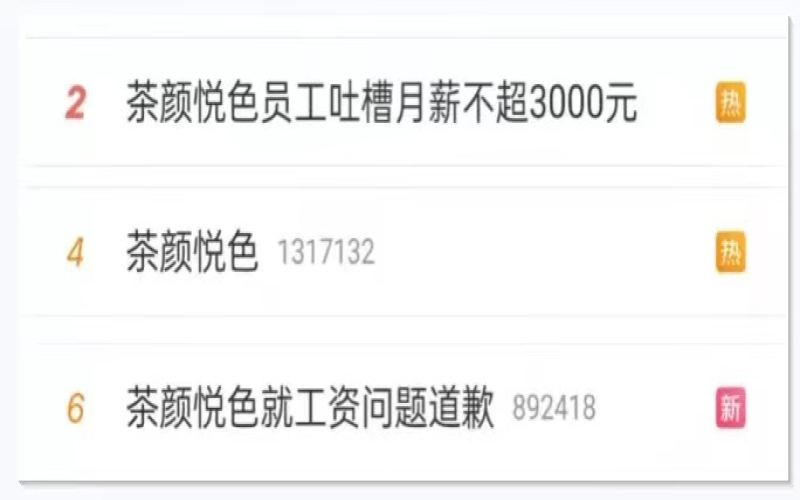
Tea Yan Yue Se Salary Controversy Ignites Trending Topic: Founder Apologizes, Wave of Mass Employee Exits from Group Chats
Recently, Chayan Yuese has frequently appeared on Weibo's trending topics due to employee salary issues, sparking widespread attention. The incident began when employees complained about low wages and reduced working hours, which subsequently led to a heated argument between company executives and employees in a group chat, even prompting founder Lü Liang to personally apologize. According to revelations, Chayan Yuese has internal problems such as chaotic management and severe classism, with the number of employees leaving the group once reaching over two hundred. Although the official response stated that the number of people leaving the group was about 87 and explained that the salary adjustment was a special arrangement during the pandemic, netizens did not buy it. As a leading brand in new Chinese-style tea drinks, this turmoil at Chayan Yuese has not only exposed internal conflicts but also triggered profound public reflection on brand management and corporate culture. [more…]
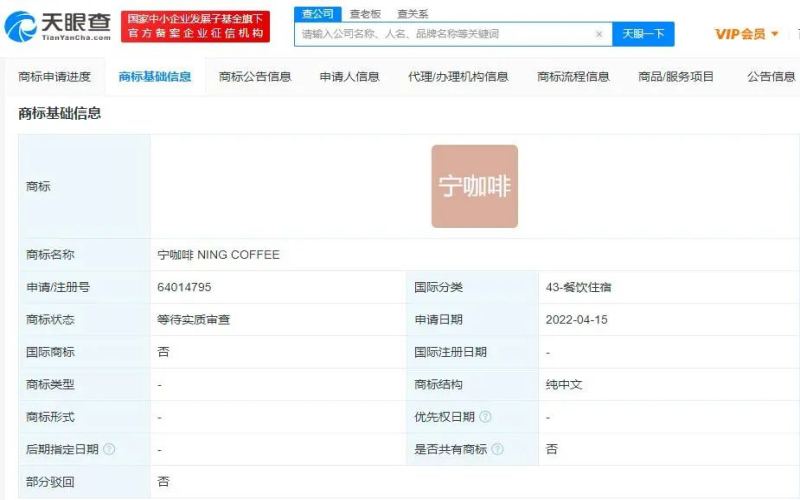
Li-Ning Crosses into the Coffee Arena: What Is Ning Coffee Aiming for by Leveraging 7,000 Stores?
Following China Post, Goubuli, Tongrentang, and PetroChina, Li-Ning has now officially entered the coffee business. Li-Ning Sports recently applied to register the "NING COFFEE" trademark and confirmed it will offer coffee services in its stores. Leveraging more than 7,000 Li-Ning stores nationwide, if NING COFFEE is rolled out fully, its store count will be considerable and may even surpass Luckin. In fact, Li-Ning began using coffee grounds to make sportswear as early as 2013, and has repeatedly tested the waters of freshly ground coffee since last year. Can NING COFFEE win consumer recognition amid fierce competition? Is the foray into coffee a serious business or a gimmick for service upgrades? This article takes you behind the scenes. [more…]
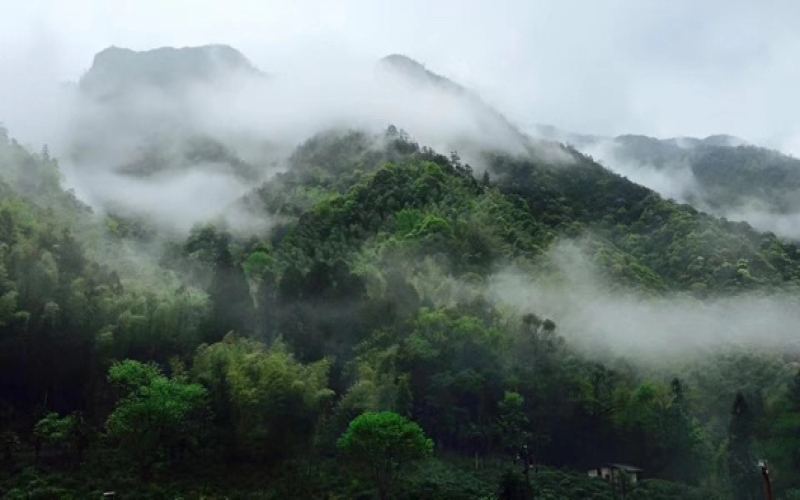
How can you tell Zhengshan Souchong from Waishan Souchong? Are Yanxiaozhong, Xingcun Souchong, and Tongmu Souchong the same type of black tea?
Lapsang Souchong is widely recognized as the world's earliest black tea. With its distinctive pine smoke aroma and sweet, fruity notes reminiscent of dried longan, it profoundly influenced the historical course of European tea culture. However, names related to "Souchong" abound on the market—Waishan Souchong, Smoked Souchong, Xingcun Souchong, Tongmu Souchong—are they actually the same tea? How should one distinguish Lapsang Souchong from Waishan Souchong? This article will sort out these easily confused concepts from three dimensions: historical origins, production area classification, and naming evolution, restoring the true identity of Lapsang Souchong while introducing you to the unique flavors of the core production area in Tongmu Village, Wuyi. [more…]
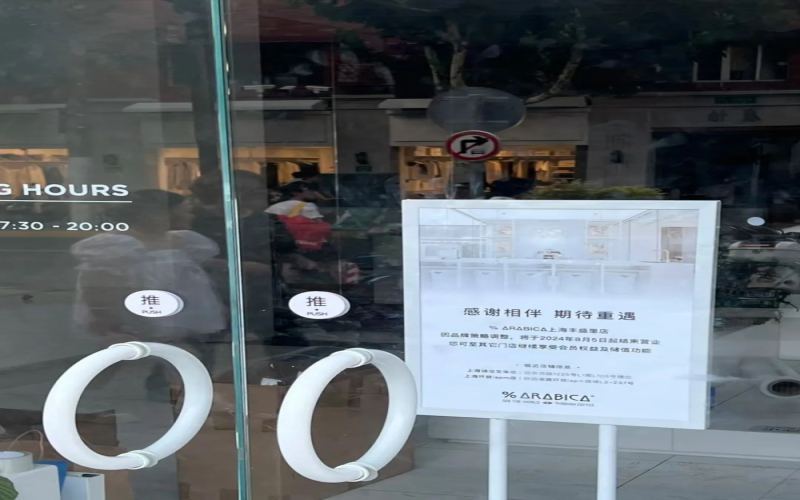
Shanghai Fengsheng Li %Arabica closes after only half a year in business, choosing to exit amid fierce specialty coffee competition
Recently, a %Arabica store in Shanghai's Fengsheng Li suddenly posted a closure notice, announcing that due to a brand strategy adjustment, it would cease operations on August 5, 2024. This store had only opened in February of this year and was once %Arabica's first location to offer ceramic dine-in cups, blending old Shanghai's Haipai style; customers could also blend coffee beans under the guidance of baristas and observe the roasting process. However, after just half a year, the store quietly exited, shocking many loyal customers. Nearby residents pointed out that the area around Fengsheng Li is densely packed with coffee shops and competition is extremely fierce, with brands such as Blue Bottle Coffee, Luckin, and Manner standing in abundance, plus limited foot traffic on weekdays, so this %Arabica's departure may be understandable. [more…]
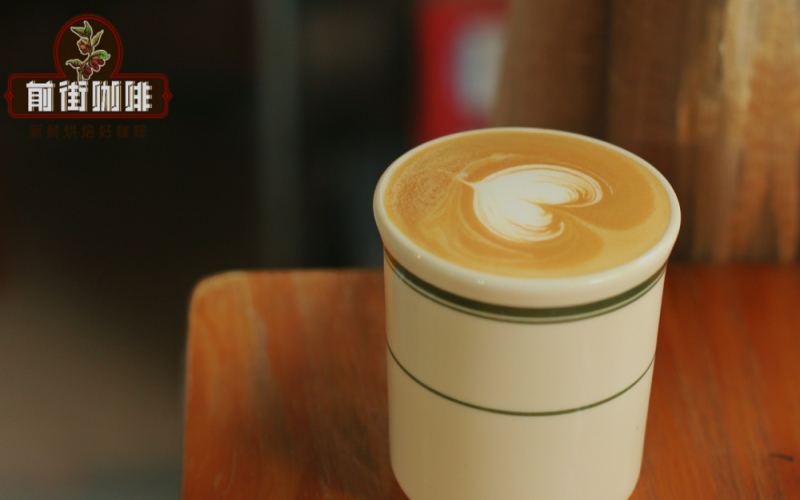
What is a Flat White? Differences from Latte, Cappuccino, and Starbucks Flat White, Plus Front Street Coffee's Detailed Recipe
The name Flat White may be unfamiliar to many, but everyone is surely familiar with Starbucks' Fu Rui Bai (Flat White). In fact, names like Xiaobai Coffee, Fu Rui Bai, Chun Yi Bai, Ao Rui Bai, and Aussie White all refer to the same drink—Flat White. It originated in Oceania, so it is also called Aussie White coffee. Both are combinations of milk and espresso, but what exactly is the difference between a Flat White, a latte, and a cappuccino? Why has Flat White coffee swept the world and become a permanent fixture on the menus of almost every coffee shop? In this article, Front Street Coffee (FrontStreet Coffee) will guide you through the origin and evolution of Flat White coffee, clarify its differences from latte and cappuccino in milk foam thickness and flavor presentation, and share a Flat White recipe made with Front Street Sunflower Warm Sun blend beans, so you can experience that rich and mellow Aussie White flavor at home. [more…]
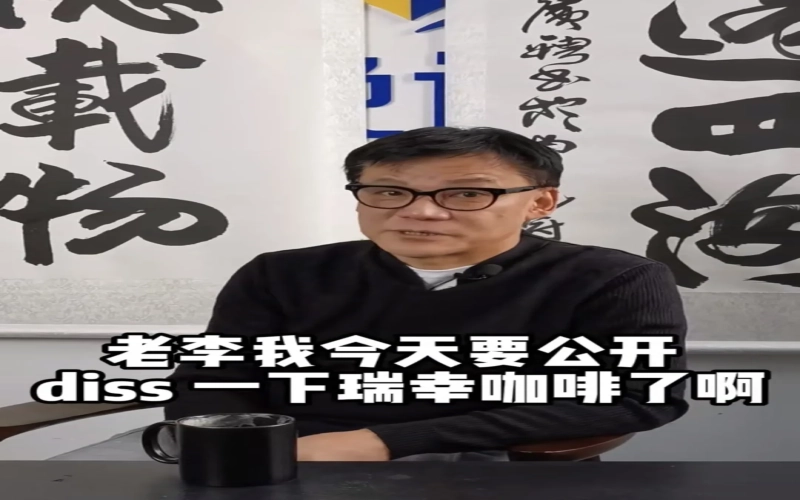
Li Guoqing Criticizes Luckin Coffee Over Coffee Bean Monopoly Controversy; Whether Huakui 5.0 Is Authentic Draws Industry Attention
Li Guoqing, founder of Dangdang, recently publicly questioned Luckin Coffee's monopolistic behavior in the coffee bean market, sparking heated industry discussion. Meanwhile, whether Luckin's Huakui 5.0 coffee beans are authentic has also drawn consumer attention. This article will sort out the ins and outs of the incident, explore the supply chain and quality issues of Luckin's coffee beans, and bring professional views from Front Street Coffee. Whether you are a coffee enthusiast or an industry observer, you can gain valuable information from it. [more…]
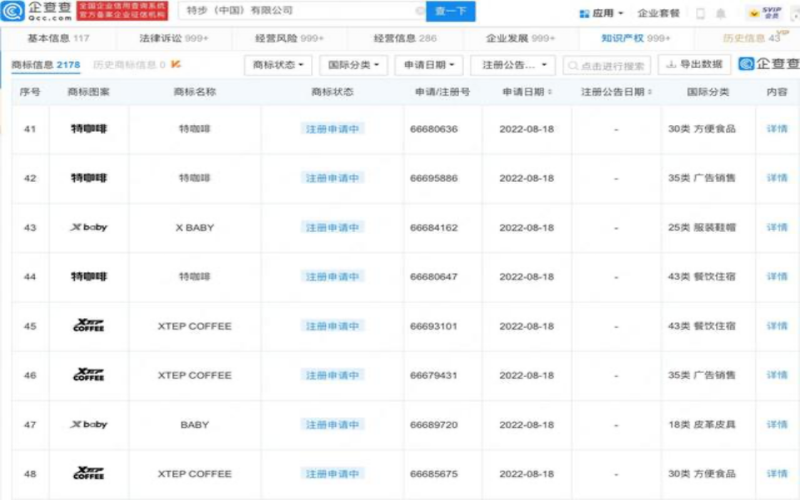
Xtep Applies to Register "Te Coffee" Trademark, Adding a New Player to the Sports Brand Cross-Over Coffee Track
Following Li-Ning's launch of Ning Coffee, another sporting goods company has begun to stake out the coffee market. According to Qichacha, Xtep (China) Co., Ltd. has applied to register multiple coffee-related trademarks, covering categories such as food and beverage services and accommodations, convenience foods, and advertising and sales. In recent years, from tea beverage brands to time-honored traditional Chinese medicine brands, and from education companies to tech giants, cross-industry forays into coffee have emerged one after another. Is Xtep's move this time a continuation of its approach of innovating the in-store experience, or is it intended to open up an entirely new business territory? This article will review Xtep's coffee layout moves and look back at typical cases in recent years of brands from various industries crossing into coffee. [more…]
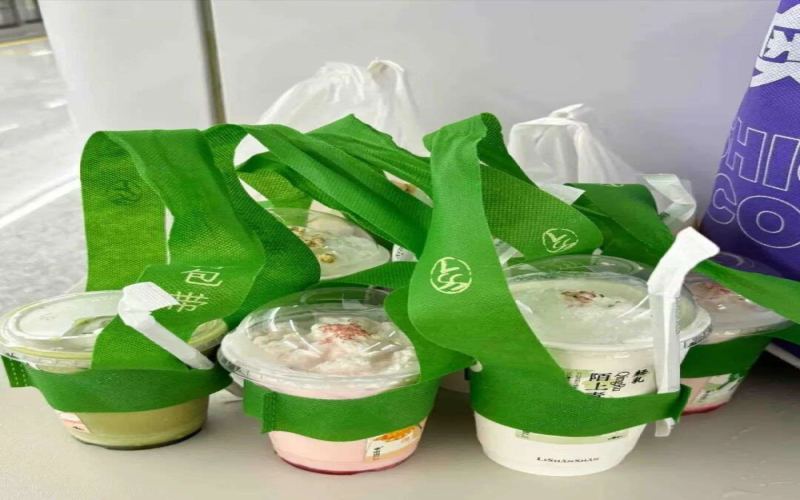
Milk tea takeout packed with just a single cloth strap? Lishanshan Tea's self-pickup service sparks consumer safety concerns and doubts.
Recently, the popular milk tea brand Li Shanshan Tea Affairs has sparked heated discussion due to its takeout packaging method. When customers pick up drinks themselves, the store does not provide conventional carry bags; instead, it uses a green cloth strap to tie the cup so customers can carry it away. Before use, this cloth strap has an unusual shape and has been jokingly called a "G-string" by netizens. However, beyond the jokes, more consumers have expressed concern about its safety: the cloth strap only wraps around the upper half of the cup body, with no support at the bottom, making it easy to lose balance and tip over while walking, causing drinks to spill. In addition, the brand stipulates that no matter how many cups are purchased, if customers do not pay extra for a carry bag, the store only provides a packaging strap, a practice that also makes many customers feel inconvenienced. This article will sort out the ins and outs of the incident, present consumer feedback and comparative cases, and explore the balance between the brand's original environmental intentions and users' actual needs. [more…]
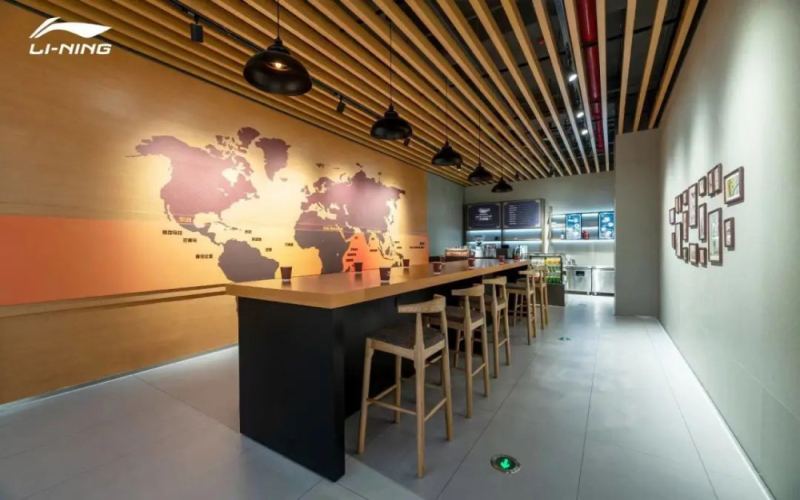
Behind the coffee crossover craze: Why are big brands rushing in, and how far can following the trend go?
In recent years, major brands across all industries have been venturing into the coffee sector—from the post office, Li-Ning, and Xtep to Naobaijin and Huawei, cross-industry coffee sales have become a trend. These brands don't truly intend to dig deep into the coffee track; rather, they are eyeing the youthful traffic and fashionable attributes that coffee naturally carries, using it to get closer to consumers. However, once the hype fades, can cross-industry players lacking a coffee gene continue to attract customers? The fierce competition in the coffee market and the mismatch of consumption scenarios make such attempts full of uncertainty. This article sorts out typical cases of cross-industry coffee, analyzes the marketing logic behind them, and explores the challenges and hidden concerns this model faces. [more…]