







Search Results for: Layering Tips
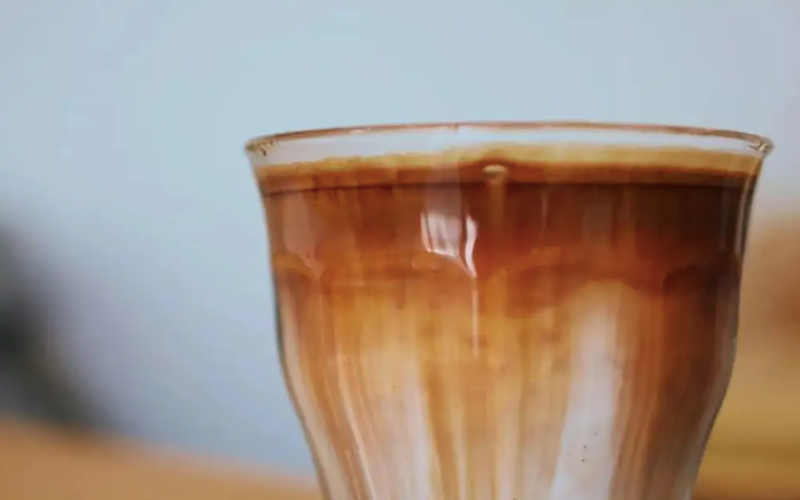
Unlocking the Ideal Methods for Dirty Coffee and Latte: Analyzing Layering Failures and Practical Tips
Do you want to recreate a beautifully layered, rich Dirty or latte at home, but always find the result far from what you get in a café? In fact, the problem may lie in a few key details: the shape of the cup, the extraction distance, the choice of coffee beans, and even the texture of the milk. This article provides a detailed breakdown of the most common reasons for failed layering in Dirty coffee, including cup selection, pouring method, coffee concentration, and milk thickness, while offering targeted operational advice. It also recommends Front Street Classic Blend and Queen's Estate SOE, which are suitable for home brewing, helping you make a Dirty or latte with both excellent visuals and flavor at home. [more…]
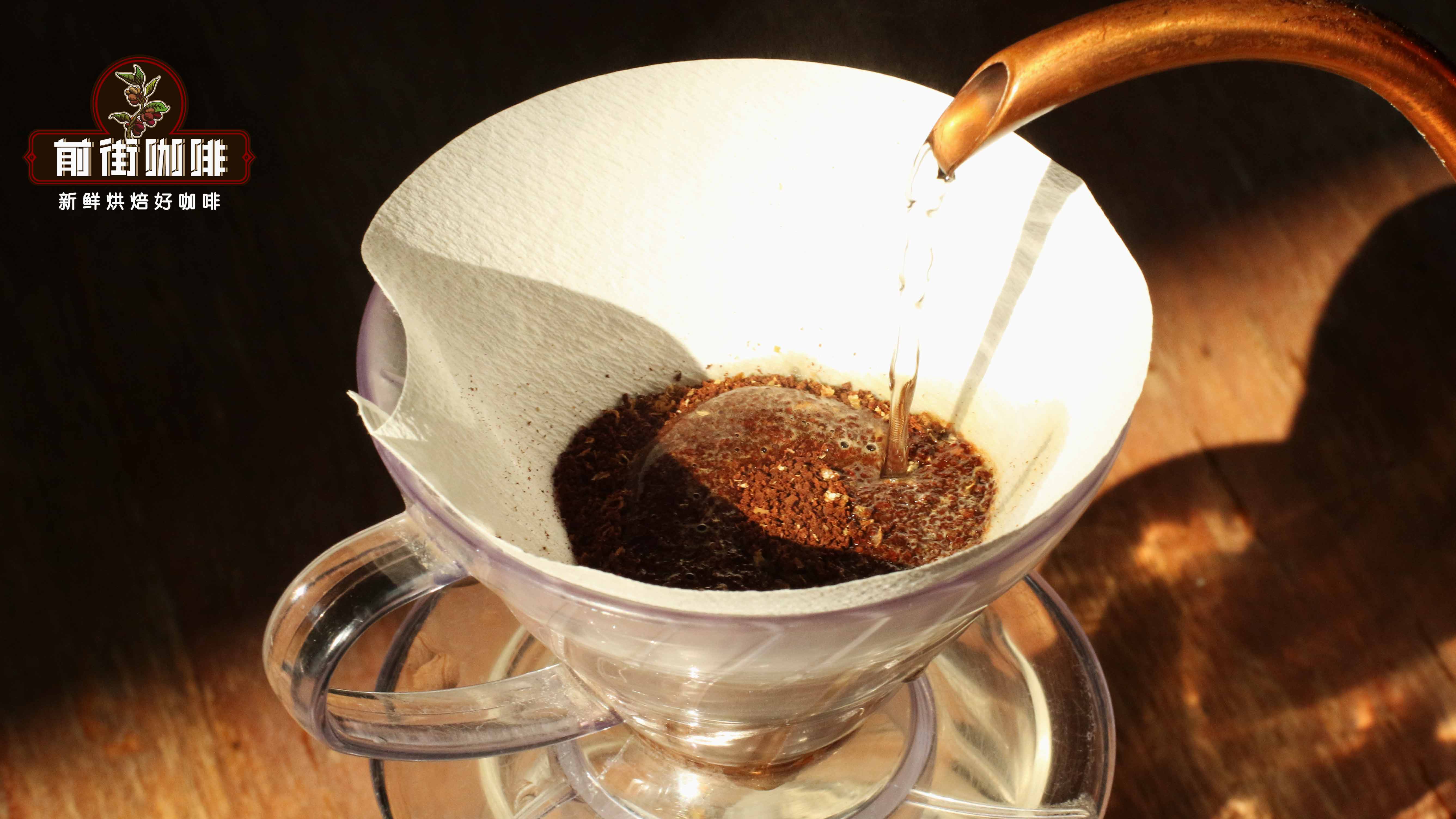
The Hot vs. Cold Pour-Over Coffee Debate: Why Choose Hot Brewing to Taste the Bean's True Flavor? The Principles of Japanese-Style Iced Pour-Over and Bean Selection Tips
Pour-over coffee, with its efficiency and convenience, has become a signature offering at many cafés. Brewed from the same bag of beans, hot and iced pour-over deliver completely different experiences. Drawing on everyday inquiries at Front Street stores, this article breaks down the differences between hot pour-over and Japanese-style iced pour-over in terms of grind size, water temperature, coffee-to-water ratio, and other parameters, explaining why hot pour-over has the edge when pursuing complete flavor, while also acknowledging the strengths of iced pour-over in cleanliness and refreshing crispness. At the end, it organizes pour-over bean recommendations from Front Street suited to different taste preferences—including Xizhua, Huakui, Strawberry Candy, as well as PWN Golden Mandheling, Queen's Estate, and Bird of Paradise—to help enthusiasts choose according to their needs. [more…]
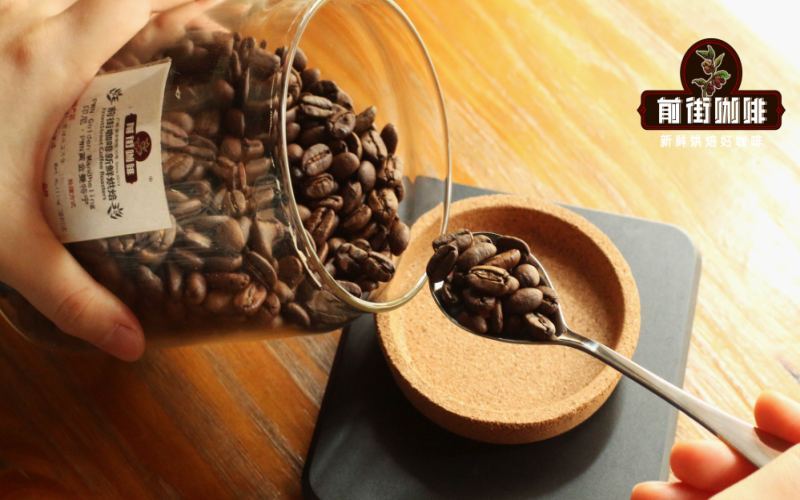
Brewing Front Street Golden Mandheling Coffee with a V60 Dripper: Adjustment Tips for Grind Size, Water Temperature, and Coffee-to-Water Ratio
Many coffee enthusiasts, after purchasing Front Street PWN Golden Mandheling coffee beans, find that when they brew at home according to the parameters on the packaging, the taste differs from that in the store. This is actually closely related to the type of dripper—Front Street's store uses the Kono Meimon dripper, while most enthusiasts have a V60 dripper at home. The two drippers differ significantly in flow rate and extraction method, so the same set of parameters cannot simply be applied to both. This article will explain in detail how to adjust the grind size, coffee-to-water ratio, and brewing water temperature according to the characteristics of the V60 dripper, so that you can brew a rich and full-bodied Golden Mandheling at home. At the same time, the article also introduces the method for measuring the 0.85mm sieve passing rate, as well as Front Street's grind size recommendations for different brewing methods, helping you grasp the extraction variables more precisely. [more…]
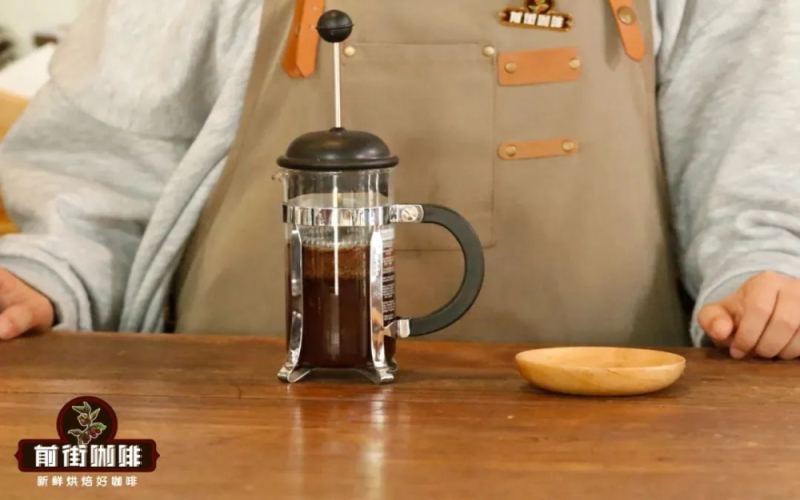
The Complete French Press Guide: Practical Tips from Bean Selection to Brewing and Maintenance
The French press is one of the simplest coffee brewing devices to operate, requiring no complex pouring technique, which is why it is so popular among beginners. However, this seemingly simple immersion extraction actually involves several key variables, including coffee bean selection, grind size, steeping time, water temperature, and coffee-to-water ratio. This article systematically breaks down the working principles and practical parameters of the French press to help you avoid common pitfalls and brew a cup of rich, balanced coffee. It also includes key points on filter cleaning and daily maintenance to keep the device in good condition at all times. [more…]
A Complete Guide to Coffee Brewing Techniques: Flavor Differences and Key Operating Tips for Cold Drip, Pour-Over, and Syphon
The allure of coffee lies not only in the flavors in the cup, but also in the craftsmanship and artistry embedded in the brewing process. From the lively variations of pour-over, to the rich fullness of siphon, to the refreshing mellow depth of cold drip, each extraction method interprets a different facet of coffee. This article takes you into several coffee shops in Beijing, offering an in-depth analysis of four brewing methods—pour-over, siphon, cold drip, and semi-automatic espresso machines—covering equipment selection, coffee bean recommendations, water temperature control, coffee-to-water ratios, stirring techniques, and other practical details. It also specifically presents the flavor expressions of Front Street Coffee's Yirgacheffe, Costa Rica, Mandheling, and other bean varieties under different brewing methods, helping you find the cup that suits you best. [more…]
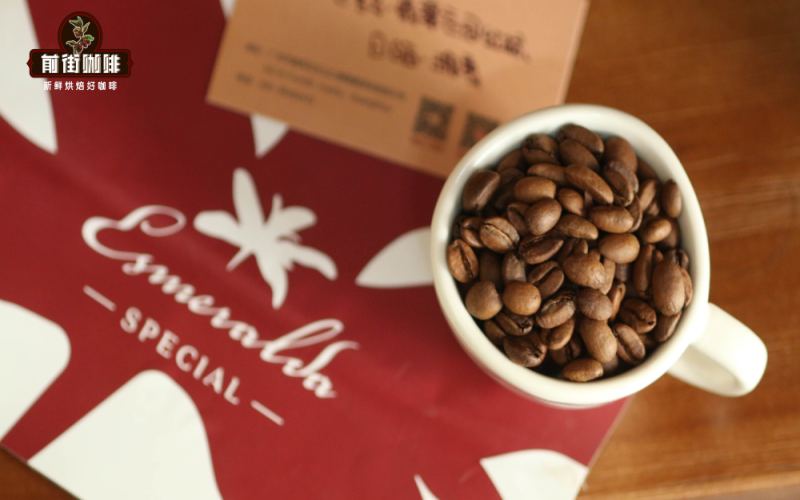
Panama Hacienda La Esmeralda Geisha Flavor Analysis and Pour-Over Guide: Why Geisha Is Expensive and Beginner Tips
Geisha coffee is often regarded as an excellent gift, and Front Street Coffee's Emerald Estate Geisha is especially beloved for its delicate aroma and rich layers. But why is Geisha always associated with "expensive"? This article provides a complete analysis of the flavor code of Panama Emerald Estate Geisha, from the growing environment, variety characteristics, and price grading to specific pour-over methods, and offers advice on whether it is suitable for beginners to drink, while also sharing the extraction parameters and steps used at Front Street Coffee stores. [more…]
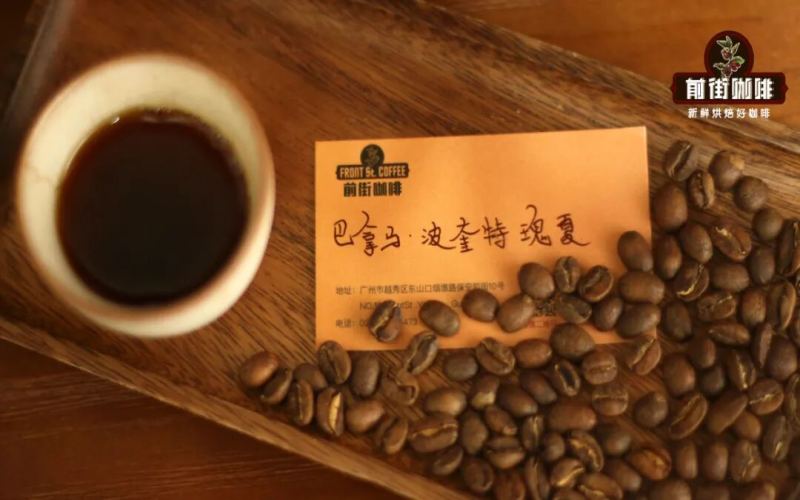
Washed Coffee | What is the washed process? What are the characteristics of washed beans? Is Kenyan washed coffee good for pour-over?
Not long ago, a devoted fan of washed beans visited the Front Street shop. They had bought many washed coffees before, but just couldn't brew out any layering at home, so they asked Front Street if there were any tips or suggestions. So today, let's discuss brewing methods for washed coffee. What is washed coffee? Among coffees, [more…]
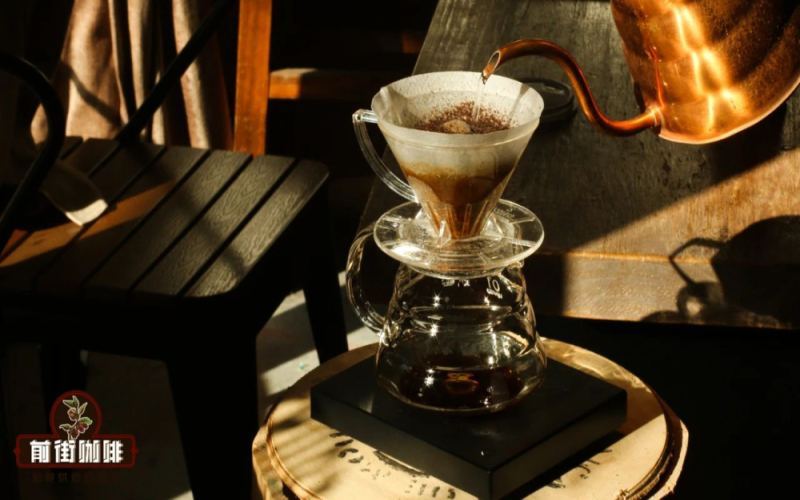
A Beginner's Guide to Pour-Over Coffee at Home: Complete Steps and Practical Tips from Water Quality and Beans to Pouring Technique
Making a delicious pour-over coffee at home doesn't have to be complicated. Through daily conversations with customers, Front Street Coffee has found that many people's brewing techniques are inconsistent because they don't truly understand the principles of pour-over extraction, resulting in sometimes over-extraction and sometimes under-extraction. This article focuses on the core knowledge of pour-over coffee, offering specific advice on water quality selection, coffee bean freshness, equipment and dripper pairing, grind size, water temperature, blooming techniques, and pouring methods. It also uses staged extraction as an example, providing actionable brewing parameters and steps to help beginners establish a stable brewing framework. Beyond theory, the most important thing is still repeated practice—only through hands-on experience can you truly master the rhythm and details of pour-over, bringing each cup closer to the ideal flavor. [more…]

Step-by-step illustrated tutorial: detailed preparation steps and recipe ratios for iced Spanish latte
The Spanish Latte is a popular drink in the coffee world that combines condensed milk with coffee. The sweet, smooth condensed milk meets rich espresso, creating a layered and complex taste experience. Today, Front Street Coffee will guide you step by step through making an iced version of the Spanish Latte. The whole process is not complicated—you just need to prepare a 300ml cup, condensed milk, milk, ice cubes, and a shot of espresso. From layering condensed milk at the bottom of the cup, adding ice and pouring in milk, to pulling the espresso and stirring everything together, the ratio of ingredients for each step and the detailed tips from Front Street Coffee will be explained one by one, helping you easily recreate a café-quality icy, dessert-like coffee at home. [more…]
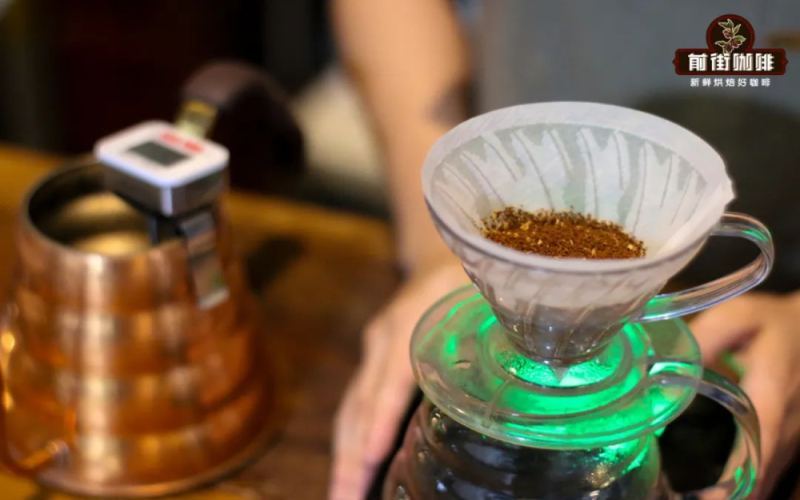
What temperature should you set for pour-over coffee in winter? Changes in slurry temperature and practical insulation tips
After the weather turns cold, many coffee enthusiasts find that using the same brewing parameters makes their coffee taste weak and lacking in sweetness. The problem often lies in the water temperature—a low-temperature environment accelerates heat loss, causing the actual extraction temperature to be lower than expected. Through actual testing, Front Street has found that at the same initial water temperature, there is a clear difference in the temperature of the coffee bed between summer and winter. This article will analyze the gap between the water temperature in the kettle and the extraction temperature, provide specific recommendations for adjusting water temperature in winter, and share practical techniques to reduce heat loss, helping you consistently produce a cup of pour-over coffee with full flavor even in the cold season. [more…]
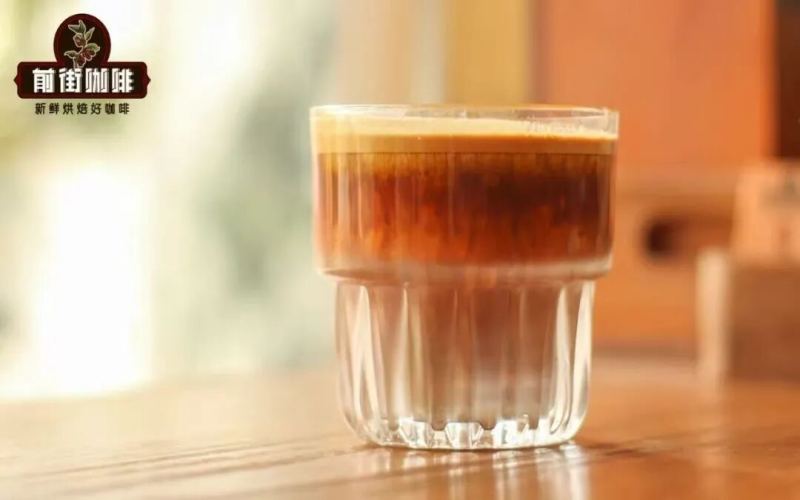
Milk Coffee | Why is Dirty Coffee so popular? How to make a Dirty Coffee with distinct layers at home?
As is well known, the unique appeal of a Dirty comes from the layering of milk and coffee. Whether it's the visual effect of the espresso gradually "dirtying" the milk, or the sensory experience of contrasting hot and cold, sweet and bitter—like ice and fire—it all stems from the fact that the two never fully blend. So if we want to make [more…]

Always failing at making a waterfall iced Americano in an ice cup? Master the ice wall thickness and espresso pouring technique to break through.
The waterfall iced americano has gone viral online thanks to the visual effect of a slow perforation through the ice cup, with the coffee liquid cascading down like a waterfall, attracting many netizens to try it at home. In practice, however, problems such as the ice cup tipping over, the bottom of the cup being punctured, coffee leaking from the sides, and the liquid coagulating into clumps frequently occur, turning the aesthetic scene into a fail. This article compiles the key tips for success summarized by netizens, including ice cup thickness standards, using crushed ice to help balance, keeping the clip dry, and using room-temperature espresso liquid, and also explains the cause of the waterfall effect from the perspective of physical diffusion. It also analyzes the reasons behind the drink's popularity—its low barrier to entry and the sense of ritual in the process make more people willing to engage with and learn about coffee. The article retains the relevant recommendation information for Front Street Coffee. [more…]
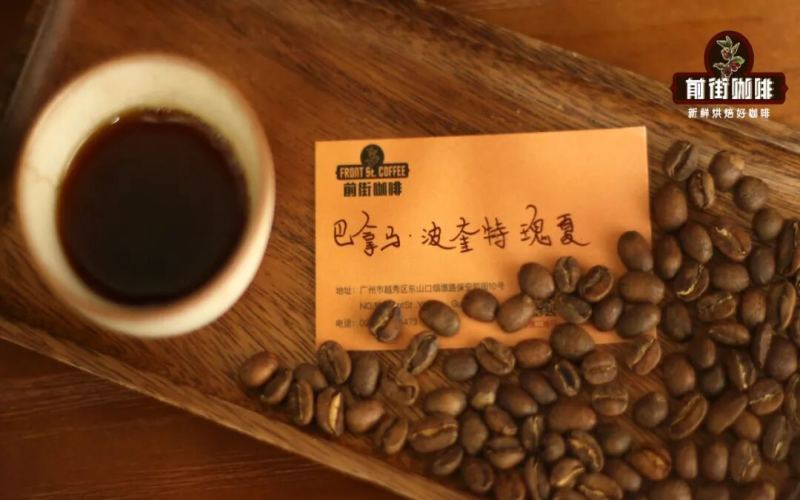
Coffee Processing | What is washed coffee? What is the washed processing method for coffee beans? What characteristics do washed beans have? How should washed coffee be brewed to taste good?
Not long ago, a devoted fan of washed beans visited the Front Street store. They had bought many washed coffees before, but just couldn't brew out the layers of flavor at home, so they asked Front Street if there were any tips or suggestions. So today, let's discuss brewing methods for washed coffee. What is washed coffee? In coffee [more…]
The Core Differences Between Dirty Coffee and Latte: Layering Principles, Proper Brewing Methods, and an Analysis of Why Crema Is Missing
Dirty coffee, with its gradient layers created by the interplay of espresso and cold milk, has become a popular drink in coffee shops in recent years, prized for both its visual appeal and its ability to spark conversation. It is essentially a latte that is not served over ice and is drunk in a special way, but many people who try to recreate it at home often run into the problem of failed layering, with the coffee and milk blending into one. Drawing on Front Street Coffee's hands-on experience, this article systematically sorts out the differences between a Dirty and a latte, analyzes one by one the five key factors—cup selection, coffee bean roast level, extraction distance, coffee concentration, and milk texture—and offers corresponding solutions to help you make a Dirty coffee with clearly defined layers and a rich, mellow taste. [more…]
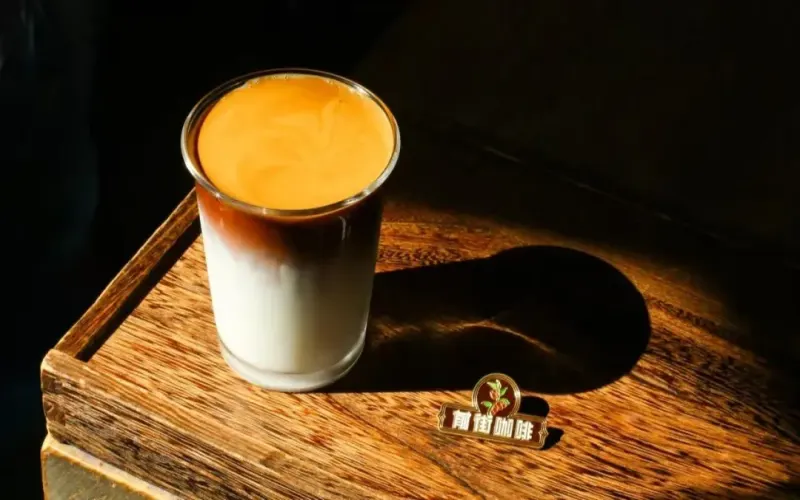
Creating a Layered Dirty Coffee: A Full Breakdown of Key Techniques from Pour Height to Milk Density
Want to make a Dirty with distinct layers, but always run into the problem of the coffee and milk blending too early, leaving the layers unclear? The key actually lies in two details: the distance the espresso falls from, and the viscosity and density of the milk itself. This article takes a practical approach and shares how to adjust the receiving height, use purified milk, chill your cups, and more, so that both the visual effect and the mouthfeel of your Dirty come closer to the ideal. It will also answer the question of whether the roast level of the coffee beans affects layering, and share Front Street Coffee's actual test conclusions to help you easily make a cup of "dirty" with true pedigree. [more…]
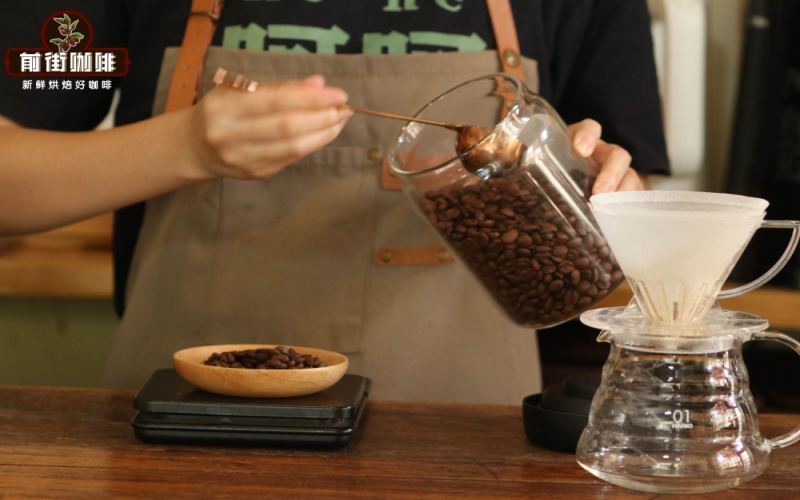
How to Choose Beans for Americano? Starbucks Americano Recipe and Drip Brewer Brewing Tips
Want to enjoy coffee that's close to pour-over quality without being put off by the tedious steps? A drip coffee maker might be an underrated choice. It's simple to operate—as long as you pick the right beans and control the coffee-to-water ratio and grind size, it can still produce a full-flavored cup of Americano. This article starts with how a drip coffee maker works, discusses why it's often considered "not tasty," and then offers bean selection advice—including three beans recommended by Front Street Coffee—along with complete brewing steps and parameters to help you avoid pitfalls and easily recreate a delicious cup of Americano at home. [more…]
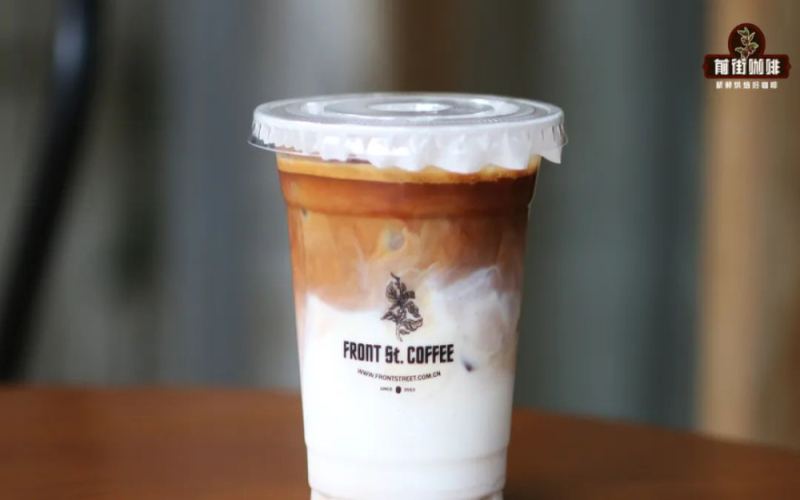
Step-by-step Guide to Making Iced Latte: A Full Breakdown from Bean Selection and Milk Choice to Ratio Control and Technique Tips
An iced latte may seem like it only takes three steps to make: add ice, pour milk, add coffee. But to truly make a delicious iced latte, there are quite a few details to consider behind the scenes. From choosing coffee beans and milk, to the ratio between espresso, milk, and ice, to the rhythm of operations during extraction and assembly, every step directly affects the final flavor performance. This article uses Front Street Coffee's iced latte preparation as an example to sort out three key aspects—material selection, milk-to-coffee ratio, and operational details—to help coffee enthusiasts consistently reproduce a balanced, layered iced latte at home. [more…]
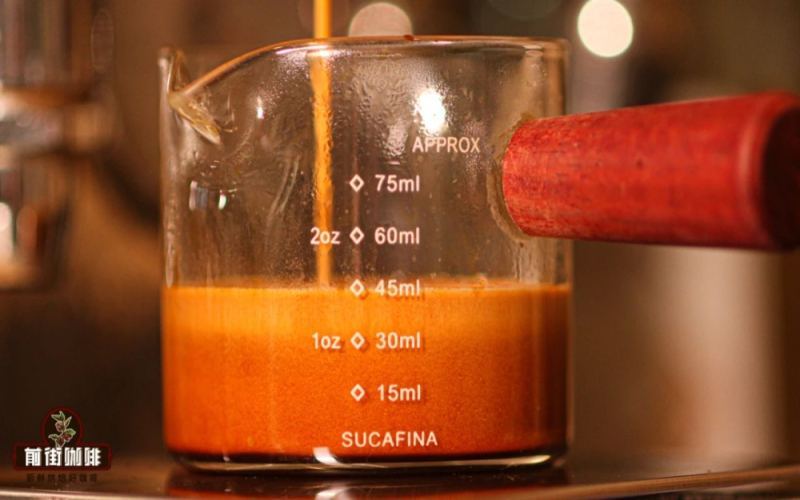
Practical Tips for Extracting Crema with a Moka Pot and a Guide to Choosing Suitable Espresso Coffee Beans
Many coffee enthusiasts are curious about whether a moka pot can extract that alluring layer of crema just like an espresso machine. The answer is yes—although the coffee made with a moka pot cannot fully match a professional espresso machine in terms of strength and quality, its affordable price, great looks, and simple operation make it the top choice for many people to enjoy strong coffee at home. To get a moka pot to brew coffee with crema, the key lies in three aspects: using freshly roasted beans, choosing a suitable roast level, and mastering the right grind size. This article will break down these points one by one and recommend several cost-effective espresso beans suitable for moka pot extraction, including Front Street Coffee's classic blend and specialty blend, to help you easily make a cup of moka pot coffee with rich crema and full aroma at home. [more…]
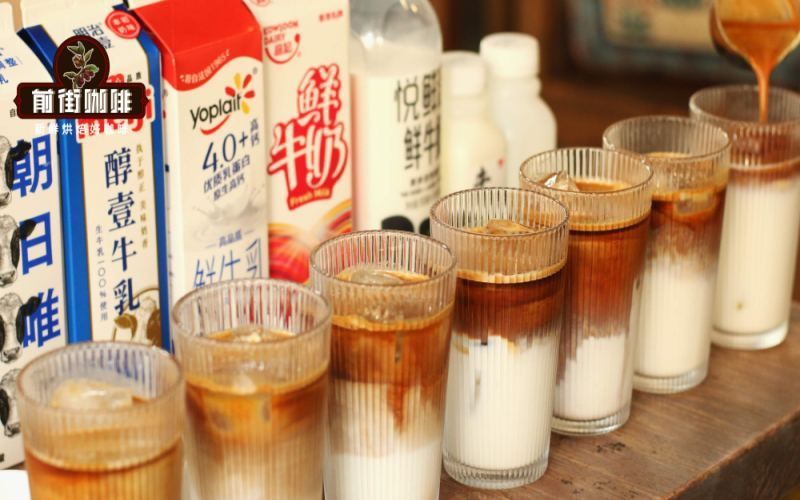
What's the difference between iced latte and iced coffee? Espresso extraction and pairing tips for making your own latte
Why is it that, even among iced coffees, the iced latte from a café is always more aromatic and smooth? From the perspective of Front Street, this article breaks down the conceptual differences between an iced latte and iced coffee, explains whether espresso can be used to make a latte, and offers actionable tips for making iced lattes at home, covering household equipment, coffee bean selection, espresso extraction standards, the coffee-to-milk ratio, and the use of ice. The article also recommends two espresso beans—Front Street Signature Blend and Front Street Classic Blend—which suit different needs such as home use, office use, and latte art for beginners, helping you get closer to the flavor performance of café-quality drinks. [more…]
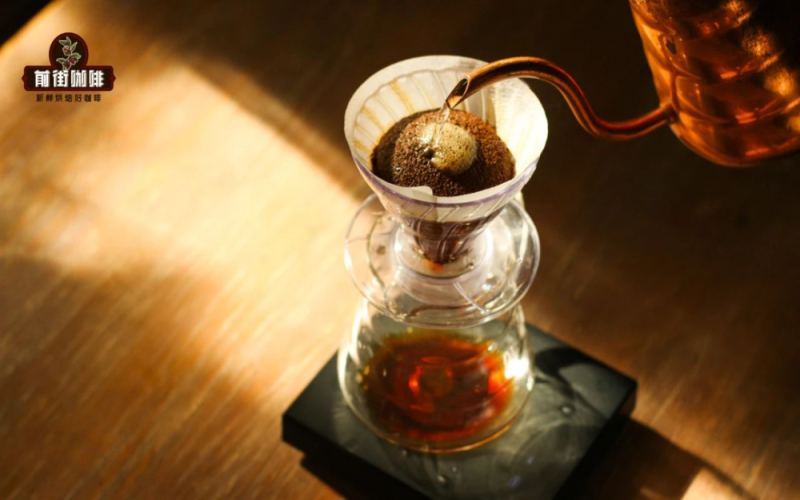
30g Coffee Powder Pour-Over Guide: Brewing Parameters and Adjustment Tips for V60 02 Large Dripper
Front Street Coffee's pour-over tutorials have long been based on a single-serving standard of 15g of coffee and 200ml of water, but when you need to brew 2 to 3 cups at once, the No. 01 small dripper simply can't handle the job. This article centers on a hands-on test of brewing with 30g of coffee in a V60 02 large dripper, starting with a 1:15 coffee-to-water ratio, 91℃ water temperature, and a three-pour technique, which revealed that the extraction time was too long and produced bitterness. The parameters were then revised by coarsening the grind and increasing the pouring speed, ultimately bringing the extraction time under 2 minutes 30 seconds, with the flavor matching that of a single serving. The article also retains recommendations for several Front Street Coffee beans and answers the question of whether the No. 01 dripper can brew a large dose when no No. 02 dripper is available, making it suitable as a reference for enthusiasts who have already mastered basic pour-over and want to advance to brewing for multiple people. [more…]