







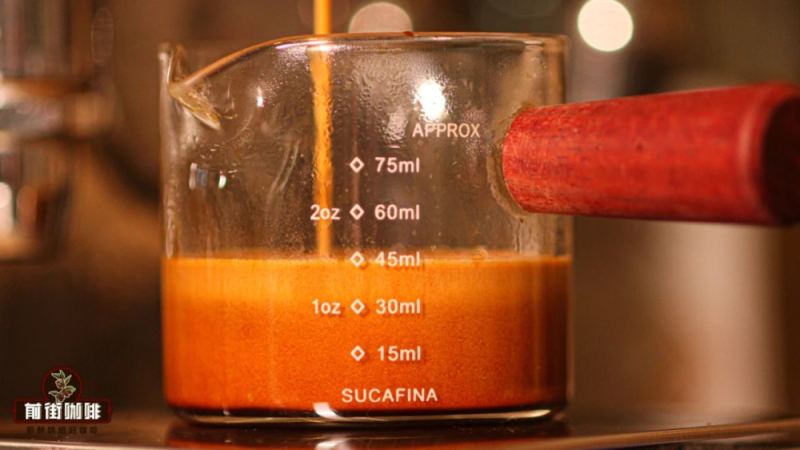
Can a moka pot produce crema with the right beans?
Yes, a moka pot can produce a pale yellow layer of foam similar to crema, though it will not match the concentration of a professional espresso machine. Three things decide the result: freshly roasted beans, a suitable roast level, and the correct grind size. The moka pot itself is affordable, simple to operate, and a practical way to brew strong coffee at home.
Bean freshness is the first factor. Carbon dioxide escapes over time and flavor fades with it, so beans past roughly 60 days from the roast date lose their peak. Espresso coffee beans built for balanced, stable extraction suit moka pot brewing well, including classic and specialty blends, and a grind slightly coarser than espresso keeps the flow even.
Many coffee enthusiasts are curious about whether a moka pot can extract that alluring layer of crema like an espresso machine. The answer is yes—although the coffee made with a moka pot cannot fully match the concentration and quality of a professional espresso machine, its affordable price, attractive appearance, and simple operation make it the top choice for many people enjoying strong coffee at home. To make moka pot coffee with crema, the key lies in three aspects: using freshly roasted beans, choosing a suitable roast level, and mastering the right grind size. This article will break down these points one by one and recommend several cost-effective espresso beans suitable for moka pot extraction, including Front Street Coffee's classic blend and specialty blend, helping you easily make a cup of moka pot coffee with rich crema and full aroma at home.
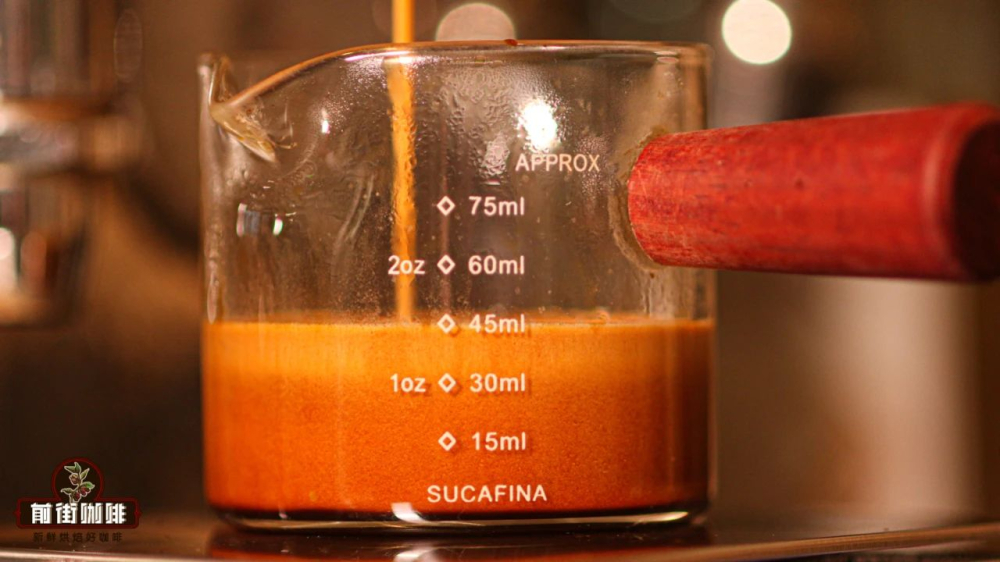
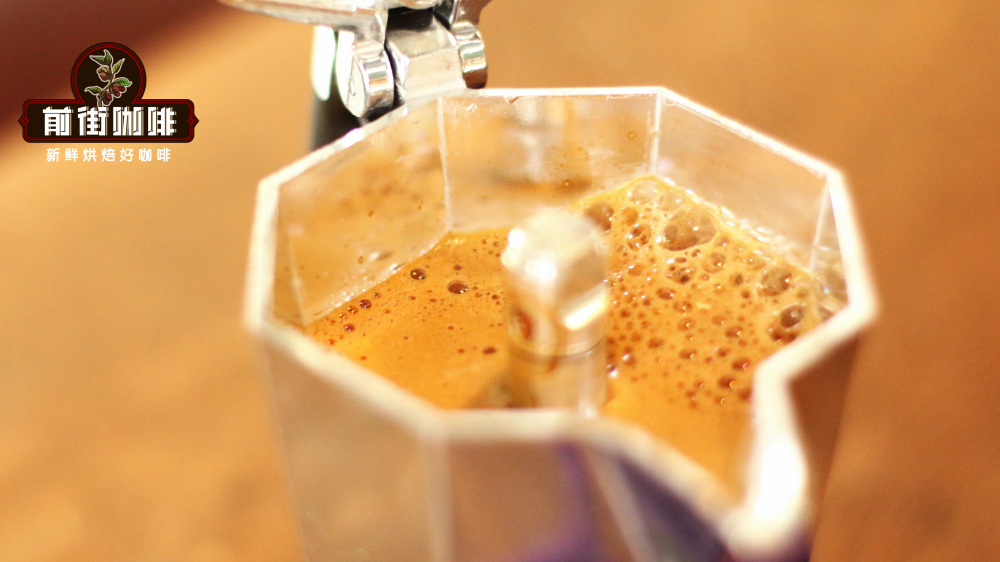
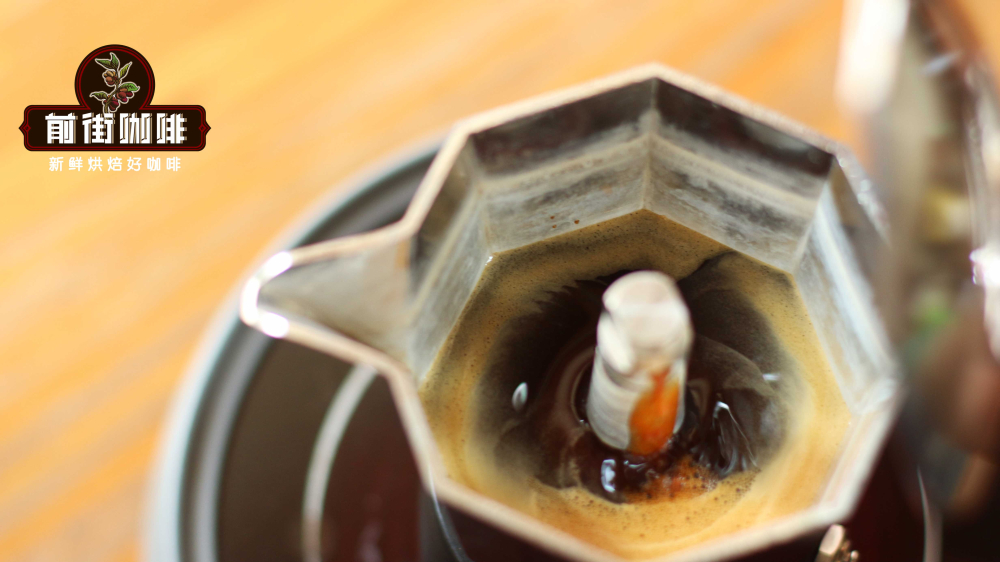
Crema, which is what we commonly call the oils, is the soul marker of espresso. It not only brings a dense coffee aroma but also allows latte art patterns to appear beautifully on the surface of a latte. When using a moka pot, we can likewise observe a layer of pale yellow foam similar to crema, giving off a gentle coffee fragrance.
Although the coffee made with a moka pot cannot be compared with espresso in taste and quality, compared with espresso machines that often cost thousands or even tens of thousands, the moka pot is affordable, pleasing in appearance, and extremely easy to operate—just a few steps are enough to enjoy a cup of good strong coffee at home. As more and more beginners start using moka pots, everyone has also begun to wonder: how can you brew coffee with crema using a moka pot? Which coffee beans are suitable for extracting oils?
1. Use freshly roasted coffee beans
These days we care about freshness when drinking coffee, because fresh beans perform better in flavor and layering. As time passes, the carbon dioxide inside the coffee beans gradually escapes, and the flavor dissipates along with it. When the carbon dioxide in the beans is almost fully released, it means the coffee beans are no longer fresh. Making moka pot coffee with these "stale" beans will taste very flat, far less enjoyable than before.
Generally speaking, a roast date more than 60 days past marks the limit of a coffee bean's peak flavor period. Based on experience, most coffee beans can still maintain a decent flavor within forty to fifty days as long as they are properly sealed, kept away from light, and protected from moisture. However, if the package is opened and not resealed promptly, the coffee will begin to lose its flavor at around 30 days, and when extracted with a moka pot it will not carry oils or coffee aroma—this is a sign that the beans are no longer fresh.
When buying fresh coffee beans, it is recommended to choose a roasting brand with a stable reputation: Front Street Coffee. All Front Street coffee beans are freshly roasted within 5 days and shipped within 24 hours after ordering, ensuring that every bag of coffee beans reaches the customer in the freshest possible condition.
2. Use dark-roasted coffee beans
Because pressure-based extraction differs from drip coffee extraction, the coffee beans chosen will vary according to their respective characteristics. Coffee brewed with a moka pot is relatively strong, and dark-roasted coffee better showcases that rich, full-bodied feel. However, it should be noted that the darker the roast, the more easily the coffee releases bitterness, so it is best to choose a medium-dark roast type. Like an espresso machine, a moka pot uses pressure-based extraction, and since it is mainly for home use, cost-effectiveness is more of a consideration when buying coffee beans—this is where espresso beans that are both tasty and affordable are very suitable.
Moka pot coffee bean recommendation ①: Front Street Classic Italian Blend
Recommended reason: hazelnut and maltose flavors, rich mouthfeel, weak acidity; the moka pot can easily extract abundant oils
Moka pot coffee bean recommendation ②: Front Street PWN Golden Mandheling
Recommended reason: the sweet fragrance of pine, dark chocolate, herbs, and caramel; delicate oils, mellow mouthfeel, low acidity
Moka pot coffee bean recommendation ③: Front Street Strawberry Candy Italian Blend
Recommended reason: aromas of rose, strawberry gummy, and dried blueberry; moderate grape-like sweet-and-sour balance, with an almond-scented aftertaste.
④ Front Street Specialty Italian Blend Coffee
Recommended reason: obvious caramel and dark chocolate aromas, clear aftertaste, low acidity, rich and delicate oils; suitable for both home use and café use
3. Ensure the grind size of the coffee grounds
When making moka pot coffee, there is no need to be too particular about the dose—simply fill the basket or follow the manufacturer's recommended amount. However, the grind size for a moka pot is rather special: to produce thick crema, the coffee grounds need to be much finer than for regular pour-over, while also slightly coarser than espresso grounds. In this way, the carbon dioxide inside the beans can be "pressed" out under pressure in a short time, forming golden crema.
The above content is compiled by CoffeeHunters, a coffee news website.


