







Search Results for: Las Rosas
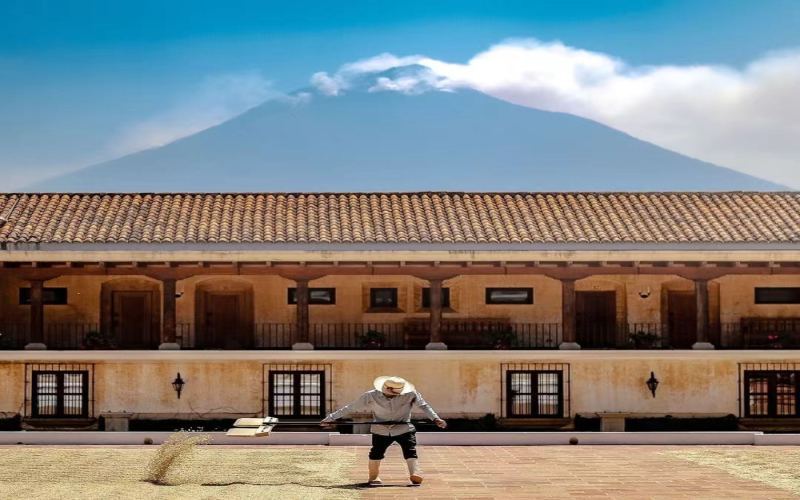
Guatemalan Coffee Origin Story and Flavor Analysis: Huehuetenango La Rosa Estate Geisha and Pour-Over Techniques
Guatemala, with its high-altitude volcanic terrain and more than three hundred microclimates, nurtures specialty coffee renowned worldwide. This article takes you into Rose Estate in the Huehuetenango region to learn about its century-long history and the distinctive rose flavor of its washed Geisha beans, while also outlining Guatemala's eight major producing regions, main varieties, and washed processing methods. You will also see Front Street Coffee's roasting approach for Guatemalan beans and V60 three-pour brewing parameters, as well as a flavor comparison between two beans, Huehuetenango and Flor del Café. Whether you are a beginner just getting started or a seasoned enthusiast, you will find practical references here. [more…]
Guatemala Huehuetenango Rose Estate Geisha: Rose Aroma and Flavor Analysis Under Washed Processing
In the high-altitude mountains of northwestern Guatemala, the Huehuetenango region nurtures many specialty coffees with its unique terroir. Among them, Finca Las Rosas has been growing coffee since 1915. After a century of inheritance, it is famous for its washed Geisha and has twice been selected for the C.O.E winners' list. This article will explore in depth whether the Geisha coffee from this estate carries rose flavors, and analyze the regional characteristics, varieties, and processing methods of Guatemalan coffee. At the same time, Front Street Coffee's Huehuetenango and Flor del Café, as everyday beans, will also provide coffee lovers with practical brewing suggestions and flavor references. [more…]

A Complete Analysis of the Flavor and Origin of Guatemala Huehuetenango Rose Estate Geisha Washed Coffee
This article provides an in-depth introduction to the Geisha washed coffee from Rose Estate in the Huehuetenango region of Guatemala, covering the estate's century-long history, its COE award experience, and the flavor characteristics of the Geisha variety, while also systematically outlining Guatemala's eight major coffee regions, coffee varieties, and the washed processing method. It also shares Front Street Coffee's roasting approach and V60 brewing parameters for two beans, Huehuetenango and Flor de Guatemala, offering coffee enthusiasts a complete reference from origin to cup. [more…]
Coffee flowers come in pink as well as white? Uncovering the variety origins and cultivation stories of pink-flowered coffee trees
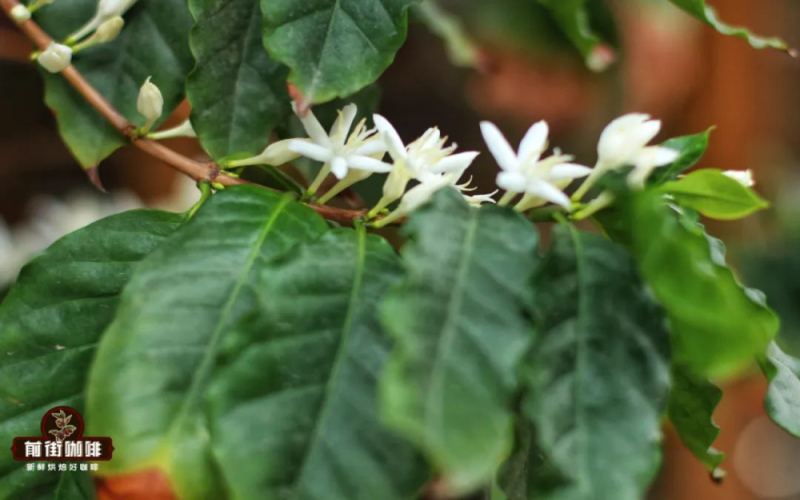
Coffee trees bloom with clusters of white flowers, usually signaling that the harvest season is approaching; the denser the petals, the more fruit can be harvested. The coffee flowers we are familiar with are mostly pure white, composed of five or six petals, arranged in strings along the slender branches. Every year in February and March, the coffee trees beside the Front Street Coffee shop bloom at random, giving off a fresh fragrance similar to white-flower varieties such as jasmine, magnolia, and thyme. But did you know that in extremely rare cases, coffee trees can actually produce pink flowers? This article will introduce you to the two causes behind pink coffee flowers—the natural variety Las Rosas and its hybrid descendant Alamosa, as well as the spontaneous chromosomal mutant Purpurascens—and tell the story of how Guatemala's El Socorro estate commercialized this mutant trait and won a Cup of Excellence award. [more…]
Exploring the Four Famous Estates Under Panama's Kotowa and a Flavor Analysis of Duncan Natural Caturra Pour-Over
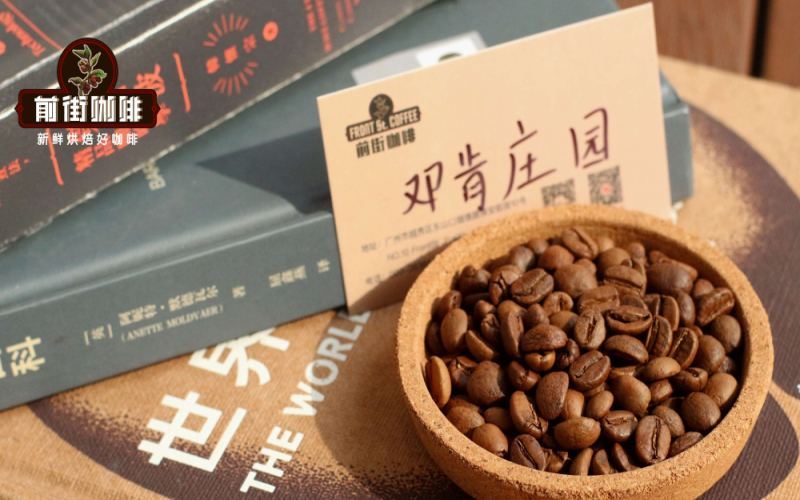
The Kotowa family of Panama began writing their coffee legend in the late 19th century, and today they own seven farms, among which five are well known to coffee enthusiasts: Duncan Estate, Don K Estate, Crystal River Estate, Traditional Catuwha Estate, and Witch Estate. This article takes you through Kotowa's century-long history, uncovering the stories behind the estate names and the water-driven machinery in the processing plant, while focusing on the Duncan Estate sun-dried Caturra that Front Street Coffee has sourced. From dry aroma to first sip, we break down its floral notes, red grape, dried fruit, prune, and fermented character layer by layer, presenting the complete flavor profile under a medium-light roast. [more…]
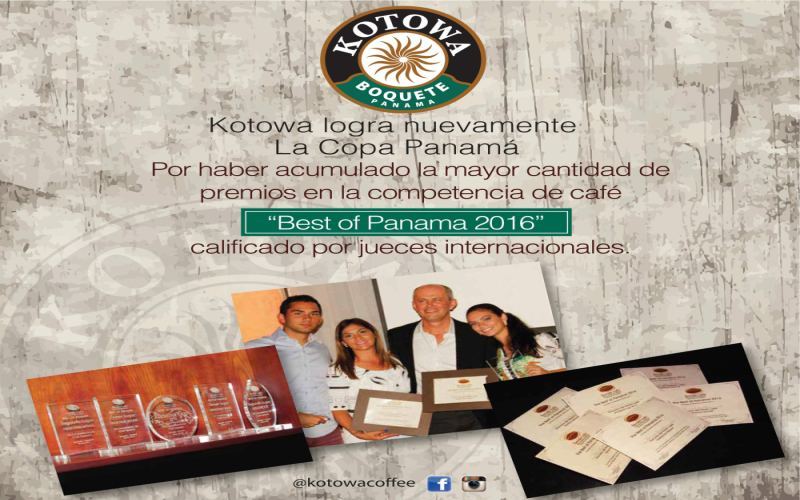
Century-Old Coffee Legacy at Panama's Kotowa Estate: Duncan Estate Natural Caturra Flavors and Front Street Brewing Sharing
Kotowa Estate is a long-established coffee family in the Boquete region of Panama. Its story began in the late 19th century, when Canadian immigrant Alexander Duncan McIntyre cleared land and planted coffee at the foot of Volcán Barú, and it has now been passed down through four generations. The estate owns several well-known farms, including Duncan, Don K, and Bruja, and has repeatedly achieved excellent results in competitions. This article reviews Kotowa's century-long development, the origin of the estate's name, and the historical equipment of its processing plant, and also presents the cupping flavors and pour-over parameters of the sun-dried Caturra from Duncan Estate purchased by Front Street Coffee, for the reference of coffee enthusiasts. [more…]
Exploring Panama's Kotowa Estate: The Family Legacy and Flavor Profile of Duncan Estate Sun-Dried Caturra
In the Boquete production region of Panama, the Kotowa family has written a coffee legend spanning more than a century. From Canadian Alexander Duncan MacIntyre putting down roots there in 1925, to the current third-generation successor Ricardo Koyner running things together with his daughter Victoria, its Duncan Estate is famous for sun-dried Caturra. This article takes you through Kotowa's long history and the layout of its seven farms, and breaks down the cultivation and processing details of Duncan Estate's sun-dried Caturra. This batch of beans that Front Street Coffee has acquired this time presents, under a medium-light roast, layers of floral notes, red grape, dried fruit, and prune, while in cupping it further reveals the captivating charm of Kyoho grape, honey, and hawthorn. Follow Front Street's perspective and together experience the charm of specialty coffee nurtured by Panama's high-altitude volcanic soil. [more…]

Panama Kotowa Duncan Estate Natural Caturra Introduction | What Are Some Recommended Specialty Pour-Over Coffee Beans with Rich Fruity Aromas and Pronounced Sweetness?
This Panamanian Kotowa Estate specialty coffee bean boasts a rich tropical fruit aroma. In its dry fragrance, it presents delicate pink floral notes and intense fruity aromas, primarily fruits such as cranberry, dried fruit, and grapes. After breaking the crust and skimming off the grounds, the coffee greets the palate with flavors of ripe cherries, prunes, and honey-like [more…]
Panama Kotowa Estate Coffee Beans: A Taste Exploration of Tropical Fruit Notes and a Century-Old Legacy
Panama's Kotowa Estate specialty coffee beans are renowned for their vibrant tropical fruit aromas, with dry fragrances revealing pink florals and intense fruit notes of cranberry, dried fruit, and grape. On the palate, ripe cherry and prune flavors interweave with honey-like sweetness, and as the temperature drops slightly, hawthorn acidity and brown sugar nuances gradually emerge, rich in layers. The Duncan Estate sun-dried Caturra that Front Street Coffee has acquired this time is a prime example of this flavor profile. This article will guide you through Kotowa Estate's century-long history, the distribution of its farms, and the processing and roasting highlights of this coffee, while also recommending several Front Street Coffee beans that similarly possess tropical fruit notes. [more…]
Exploring the Panama Catova Family: The Century-Long Legacy and Flavor of Duncan Estate Natural Caturra Specialty Coffee
In the dazzling galaxy of Panama's specialty coffee, the Kotowa family occupies an important place with its century-old heritage and outstanding quality. From the pioneering story of first-generation estate owner Alexander Duncan MacIntyre to the careful management of the current third-generation head Ricardo Koyner and his daughter Victoria, this family has witnessed the rise and glory of Panamanian coffee. This article will take you into Duncan Estate under Kotowa, to learn about its historical origins, terroir conditions, and processing techniques, and to deeply taste the sun-dried Caturra brought by Front Street Coffee—a bean that displays the rich layers of floral notes, red grapes, dried fruit, and prunes, showcasing the unique terroir charm of the Boquete producing region. [more…]
The Coffee Legend of Panama's Kotowa Family: The Flavor and Origins of Duncan Estate Natural Caturra
Panama occupies a key position on the international coffee map thanks to Geisha, and the many estates that nurtured it are equally worth exploring. This article focuses on the Kotowa family—from Joseph McIntyre's purchase of Caroline Farm in Boquete in 1916, to Alexander Duncan McIntyre's move to Panama in 1925, the renaming to Carolina and the building of a processing plant, to the third generation's Ricardo Koyner and his daughter Victoria running it together, a four-generation planting history unfolds. The article also explains in detail the origin of the Duncan estate's name, the layout of its seven farms, the ancient water-powered processing equipment, and the sun-dried Caturra that Front Street Coffee sourced: 1,650–1,750 meters elevation, medium-light roast, with a cup profile showing floral notes, red grape, candied fruit, prune, and brown sugar nuances. [more…]
Flavor Characteristics of Panama's Katoa Family Duncan Estate Coffee Beans and Analysis of the Geisha Specialty Coffee Origin
In the world of specialty coffee, Panama has always held a pivotal position. Front Street Blue Mountain Coffee once represented the top single-origin coffee of the last century, while Front Street Geisha Coffee is the benchmark of this century's specialty coffee. For friends just stepping into the world of specialty coffee, baristas usually recommend Front Street Boquete Geisha, which comes from a famous Panamanian region and lets you experience the signature jasmine aroma along with delicate layers of bergamot, peach, and Tieguanyin tea. Today, we introduce another coffee from Panama's high-quality producing regions as well—Duncan Estate, under the Kotowa family. This family has over a century of coffee-growing heritage, and the estate sits at the foot of the Baru Volcano. Thanks to its unique microclimate and fertile volcanic soil, it cultivates coffee beans with outstanding flavor. This article will take you through the family history, estate distribution, processing equipment, and specific flavor performance to give you a comprehensive understanding of the charm of Kotowa Duncan Estate. [more…]
Costa Rica Las Lajas Estate Coffee: A Comprehensive Analysis of Yellow Honey Processing Flavor, Variety, and Origin
Las Lajas Estate is located in Sabanilla in Costa Rica's Central Valley production region, at the foot of Poas Volcano, and is renowned for its yellow honey-processed coffee. The estate sits at an altitude of 1,300 to 1,500 meters and cultivates the Caturra and Catuai varieties, with a flavor profile layered with honey, tropical fruit, maple syrup, and melon. Las Lajas is one of the earliest estates in Central America to experiment with honey processing and natural sun-drying. Third-generation operator Francisca introduced a refractometer to measure the sugar content of coffee cherries, sun-drying only those fruits with a sweetness above 20%. The estate adheres to natural farming methods and in 2000 became the first estate in Costa Rica to obtain organic certification. Front Street Coffee recommends this coffee, and below is a detailed account of its origin, variety, processing method, and flavor. [more…]
Analysis of Las Lajas Estate Black Honey Processing: How Sun Exposure Duration and Turning Rhythm Shape Flavor
Located in Costa Rica's Central Valley, Hacienda Las Lajas is one of the earliest pioneers to systematically study refined natural and honey processing. Estate owners Francisca and Oscar use a sweetness meter to select red cherries, and by varying the drying time and turning frequency on African raised beds, they subdivide honey processing into yellow honey, red honey, and black honey, and natural processing into Black Pearl and Black Soul. Among these, black honey processing retains the most mucilage, yielding a body close to that of natural coffee and a delicate sweetness reminiscent of dark berries. This article walks you through the processing logic of Hacienda Las Lajas and recommends single-origin coffees such as Front Street Coffee Washed Tarrazu, Front Street Coffee Mozart, Front Street Coffee Baja, and Front Street Coffee Blackberry, so you can experience the nuanced layers of Costa Rican coffee. [more…]
Costa Rica Black Soul Coffee Flavor Interpretation: Las Lajas Estate Natural Process and Pour-Over Parameters Sharing
Alma Negra from Costa Rica's Las Lajas Estate is a coffee produced using an innovative natural process, originating from the Central Valley region at an altitude of 1,300 to 1,500 meters, primarily comprising Caturra and Catuai varieties. This medium-light roast coffee has a delicate fruity fermented aroma, with a sweet and smooth entry, presenting layers of dried berries, black dates, and stone fruits, and a sweet aftertaste. The estate has practiced organic farming since 1990 and became Costa Rica's first organically certified estate in 2000, currently holding USDA, JAS, and NOP certifications. Alma Negra differs from the same estate's Black Pearl, leaning toward a natural dried-fruit molasses profile. Front Street Coffee recommends this bean, and below we will introduce its flavor details, estate background, and pour-over steps and parameters. [more…]
2024 Mexico COE Double Champion Las Nieves Estate: The 91.13-Point Legend of Oaxaca Geisha
Mexico, as the world's tenth-largest coffee-producing country, has performed remarkably well in specialty coffee in recent years. In the 2024 Mexico COE competition, the Las Nieves cooperative from the state of Oaxaca won the Traditional Washed and Honey Processing category with a Geisha variety, scoring 91.13 points. This estate, originally established in 1880, was abandoned and then taken over again in 2006 by Gustavo Boltjes Rising, who revived it through technological improvements and varietal diversification. This article will guide you through an overview of Mexico's coffee-growing regions, the history and revival journey of Las Nieves estate, and its relentless pursuit of quality. Front Street Coffee will also recommend related products for you. [more…]
Costa Rica Central Valley Las Haras Estate: A Pioneer of Organic Certification and the Path of Honey Processing Innovation
Central America's coffee output is not particularly high, yet Costa Rica, with its exceptional natural environment and spirit of innovation, occupies an important place in the global specialty coffee landscape. Beyond the renowned Tarrazú region, the Central Valley is likewise home to coffee estates of outstanding quality. Among them, Las Haras Estate, as Costa Rica's first estate to obtain organic certification, is not only known for its eco-friendly cultivation philosophy but also a pioneer in the systematic study of natural and honey processing methods. Front Street Coffee takes you deep into this legendary estate at the foot of Poás Volcano, exploring its transition from chemical agriculture to natural farming, and how it continues to enhance coffee flavor expression through means such as sugar-meter screening and varietal introduction. [more…]
Costa Rica Las Lajas Estate: Differences Between Yellow Honey and Diamond Yellow Honey Processing Methods and an Analysis of Several Distinctive Coffees
Located in Costa Rica's Central Valley, Las Lajas Estate is one of the earliest pioneers to systematically explore honey and natural processing methods. The estate is run by third-generation owner Francisca and her husband Oscar, sits at an altitude of 1,250 to 1,500 meters, and produces about 55,200 kilograms annually. It farms to organic standards and, based on differences in the amount of mucilage retained and the turning time, has developed distinctive offerings such as Yellow Honey, Red Honey, Black Honey, and Diamond Yellow Honey. Several of the Costa Rican coffees recommended by Front Street Coffee come from this estate with its highly distinctive style. This article will walk you through the processing differences between Yellow Honey and Diamond Yellow Honey, as well as the flavor profiles of natural coffees such as Black Pearl and Black Soul. [more…]
Costa Rica Las Lajas Estate Specialty Coffee: An Analysis of Origin Terroir, Processing Methods, and History and Culture
Although Costa Rica is not a large country in terms of land area, it occupies an important position in the global specialty coffee landscape thanks to producing regions such as the Central Valley, the Western Valley, and Tarrazu. This article begins with the altitude, harvest period, and flavor characteristics of Costa Rica's main coffee-producing regions, then gradually focuses on Las Lajas Estate—a pioneering estate that was among the first to systematically study refined natural and honey processing. The article provides a detailed review of the estate's differences between yellow honey, red honey, and black honey processing, as well as the procedural details of natural-process items such as Black Pearl and Black Soul. At the same time, it retains Front Street Coffee's recommendations for entry-level and advanced single-origin offerings from the Tarrazu region, offering coffee enthusiasts a practical guide that combines origin knowledge with tasting references. [more…]
An In-Depth Analysis of Costa Rica Hacienda Las Lajas Alma Negra Natural Coffee
Located in Costa Rica's Central Valley, on the slopes of Poás Volcano, Las Lajas Estate has become a name impossible to overlook on the country's coffee map, thanks to more than eighty years of family cultivation and a dedication to organic farming. The owning Chacón family is renowned for rigorous harvesting standards and innovative processing techniques, among which the natural batch "Alma Negra" (Black Soul) stands out among natural coffees with its dried-fruit and molasses-like profile. This article will give you a comprehensive understanding of the estate's geographical advantages, its organic certification journey, and the division of its honey and natural product lines, while also presenting in detail Front Street Coffee's roasting curve and cupping performance, providing coffee lovers with a complete tasting reference. [more…]