







Panama occupies a key position on the international coffee map thanks to Geisha, and the many estates that gave birth to it are equally worth exploring. This article focuses on the Kotowa family—from Joseph McIntyre's purchase of Finca Carolin in Boquete in 1916, to Alexander Duncan MacIntyre's move to Panama in 1925, renaming it La Carolina and building a processing plant, to the third generation's Ricardo Koyner and his daughter Victoria running it together—unfolding four generations of coffee-growing history. The article also explains in detail the origin of the Duncan Estate's name, the layout of its seven farms, the ancient water-powered processing equipment, and the sun-dried Caturra that Front Street Coffee sourced: 1,650–1,750 meters elevation, medium-light roast, with a cup profile of floral notes, red grape, dried fruit, prune, and brown sugar.
In the coffee world, Panama has earned an extremely high reputation thanks to Geisha, a top-tier variety, and as a result many local estates have come into the public eye, such as the Kotowa family that Front Street Coffee is discussing this time. Kotowa Estate (Kotowa) has a very long coffee-growing history, and the story of its earliest estate owner dates back to the late nineteenth century.
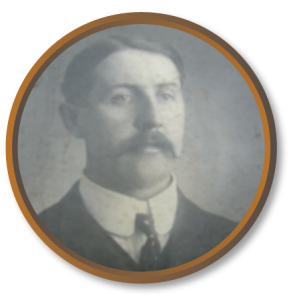
Alexander Duncan MacIntyre was Canadian, born in 1873. In his early years he went into the fruit business in partnership with his elder brother Joseph Albert McIntyre, and later both brothers entered politics; Alexander even became the youngest mayor in the history of Port Alberni.
In 1916, his elder brother Joseph bought a farm called Finca Carolin in Boquete, Panama. Although he stayed only a short while, after returning to Canada he could not stop praising that land. At the same time, Alexander also read several articles in the newspaper introducing Boquete, was moved by its pristine atmosphere, and, full of curiosity and longing, set out on a journey to explore the unknown.
In 1925, Alexander resolved to move from North America to settle in Boquete, Panama, married a local woman named Angela (Angela Rosas), and then, like other immigrants, cleared and farmed the land. He renamed the farm La Carolina and built a small coffee processing plant. The Kotowa family's coffee-growing story began there, and a new chapter of four generations taking root and thriving in this place began along with it.
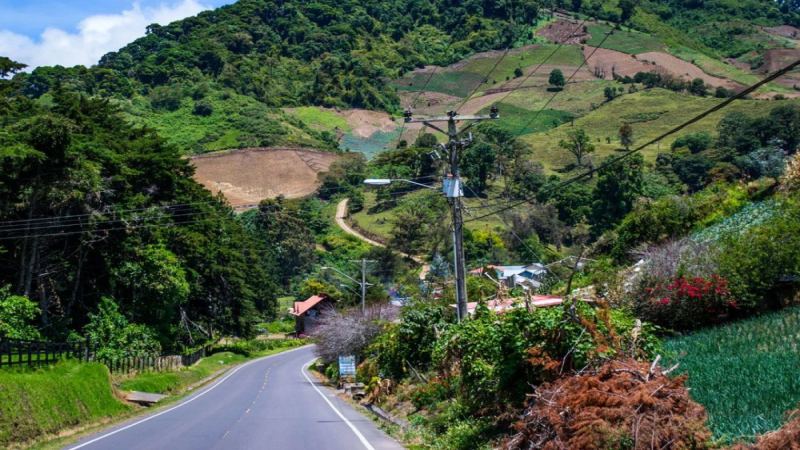
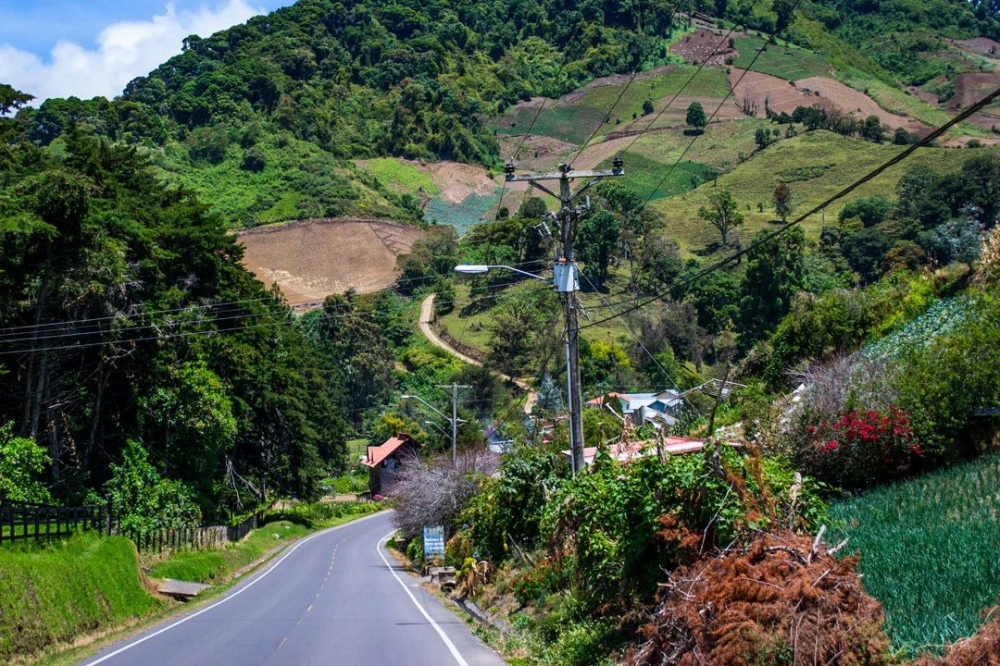
Kotowa is located at the foot of Barú Volcano in western Panama, where vegetation is lush, the microclimate is unique, and the volcanic soil is fertile; moisture from the Atlantic condenses into rain when it meets the cold at the 2,500-meter-high slopes, and the dry season has long hours of sunshine, providing coffee trees with ample water and sunlight and allowing them to fully absorb nutrients.
Today Kotowa Estate has been passed down to the third generation and is managed jointly by Mr. Ricardo Koyner and his daughter Victoria. It is worth noting that, in addition to being an estate owner, Mr. Ricardo is also one of the co-founders of the Specialty Coffee Association of Panama (SCAP) and served as the first chairman of SCAP. In the 1990s, many coffee farmers in Panama realized that the industry was in a difficult position and hoped to seek a breakthrough, so they turned to the Specialty Coffee Association of America (SCAA) for help; after several years of effort, seven coffee farmer representatives pushed for the establishment of a local Panamanian coffee organization in 1996 in order to enhance the overall competitiveness of the country's coffee.
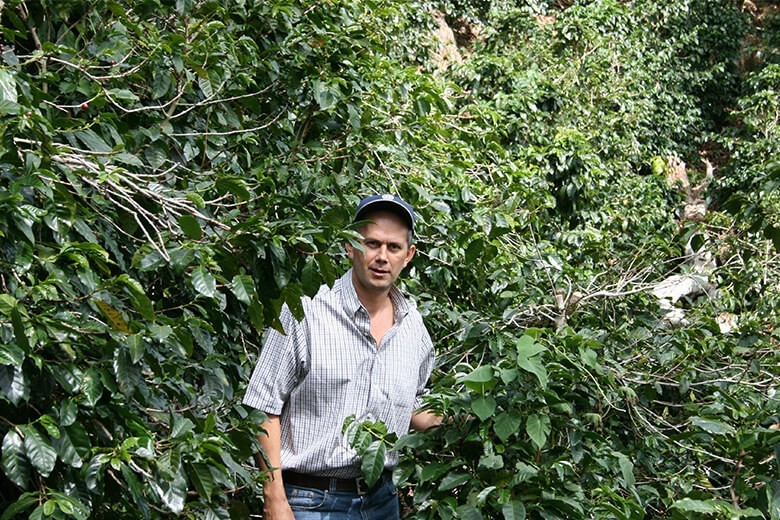
After taking over the estate, Mr. Ricardo well understood the value of a brand, so he officially named his family farm Cafe Kotowa Farms. He not only preserved the green bean processing plant left by his grandfather, but also added equipment such as a coffee roaster and opened branded coffee shops locally, with the aim of selling products bearing the "Kotowa" mark directly to broader markets such as Europe and the United States.
Unlike other estates, the machinery in the Kotowa processing plant is powered by water; the entire setup is driven by wooden gears of various sizes and hand-sewn animal hides serving as transmission connections. In an era of scarce resources, this was undoubtedly a rather advanced device. What is even more remarkable is that this equipment is still well preserved today and displayed inside the estate, allowing visiting tourists to touch the real history of Panama's coffee industry.
At present Kotowa has seven farms in total, five of which are familiar to coffee lovers: Finca Kotowa DUNCAN (Duncan Estate), Finca Kotowa Don K (Don K Estate), Finca RIO CRISTAL (Crystal River Estate), Finca Kotowa TRADICIONAL (Traditional Kotowa Estate), and Finca Kotowa LAS BRUJAS (Witch Estate). The other two new farms are Mango and Redondo, and no coffee from them is on the market yet.
According to information Front Street Coffee has found, the word "Kotowa" comes from the language of the local indigenous Ngäbe people and means "high mountain." Kotowa's logo is modeled on the main group of people who pick Panamanian coffee cherries, a local indigenous group called the Gnobe Bugle, also known locally as "Guaymíes."
To commemorate the first-generation farm owner, Duncan Estate takes its name from Mr. Ricardo's grandfather Alexander; Don K Estate commemorates his father Richard Koyner, with "Don" meaning "mister" in Spanish; Witch Estate is named after the stream in front of it, because the flowing water often makes sounds like the "howling" of a witch in the primeval forest; Crystal River Estate, as the name suggests, is named for the crystal-like dazzling light visible when the river surges in the sunlight, and thus was given such a pleasant name.
Because its estates have repeatedly achieved excellent results in various competitions, the "Kotowa" brand has long been deeply rooted in local people's minds. And when it comes to Kotowa coffee in China, many friends, like Front Street Coffee, probably first think of Duncan Estate, which frequently appears in major competitions, and Witch Estate, which has continued to win awards in recent years.
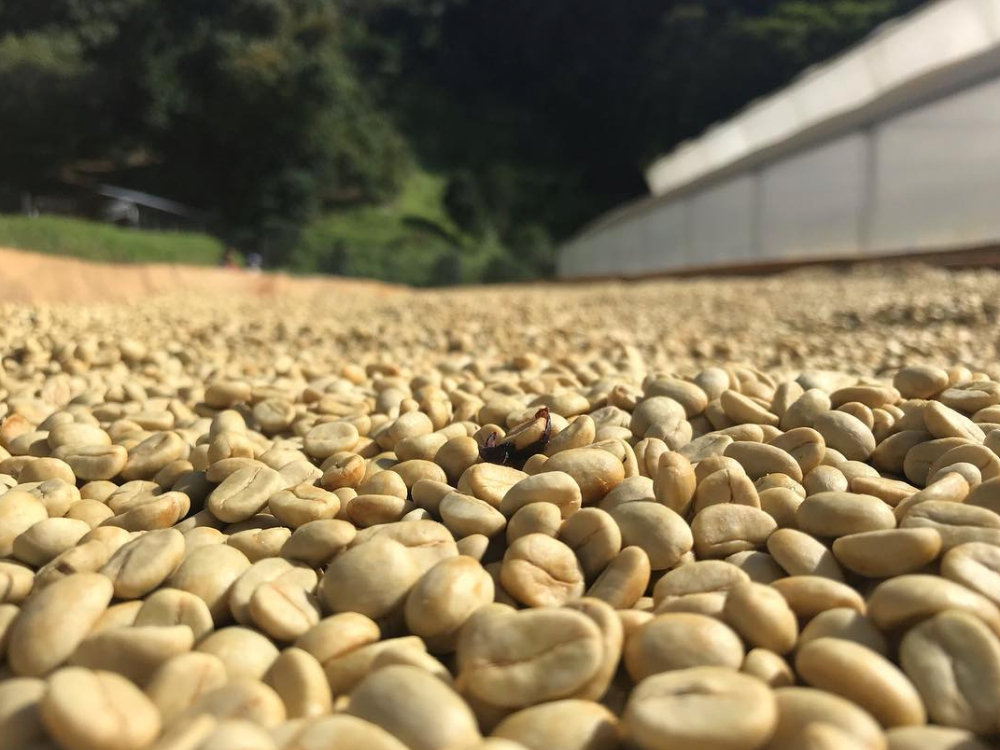
What Front Street Coffee sourced this time is the sun-dried Caturra from Duncan Estate. Friends who often read Front Street Coffee articles know that the ripeness of coffee cherries at harvest has a great impact on the final quality; in order to present the fullest coffee aroma, Kotowa Estate requires workers to gently pick the coffee cherries when they are wine-red and to carry out post-processing quickly after harvesting, avoiding excessive fermentation of the pulp that would produce unpleasant flavors.
FrontStreet Coffee: Duncan Estate Caturra Coffee Beans
Country: Panama
Region: Boquete, Duncan Estate
Variety: Caturra
Altitude: 1,650–1,750 meters
Processing Method: Sun-dried
Flavor: Floral, red grape, dried fruit, prune, fermented note
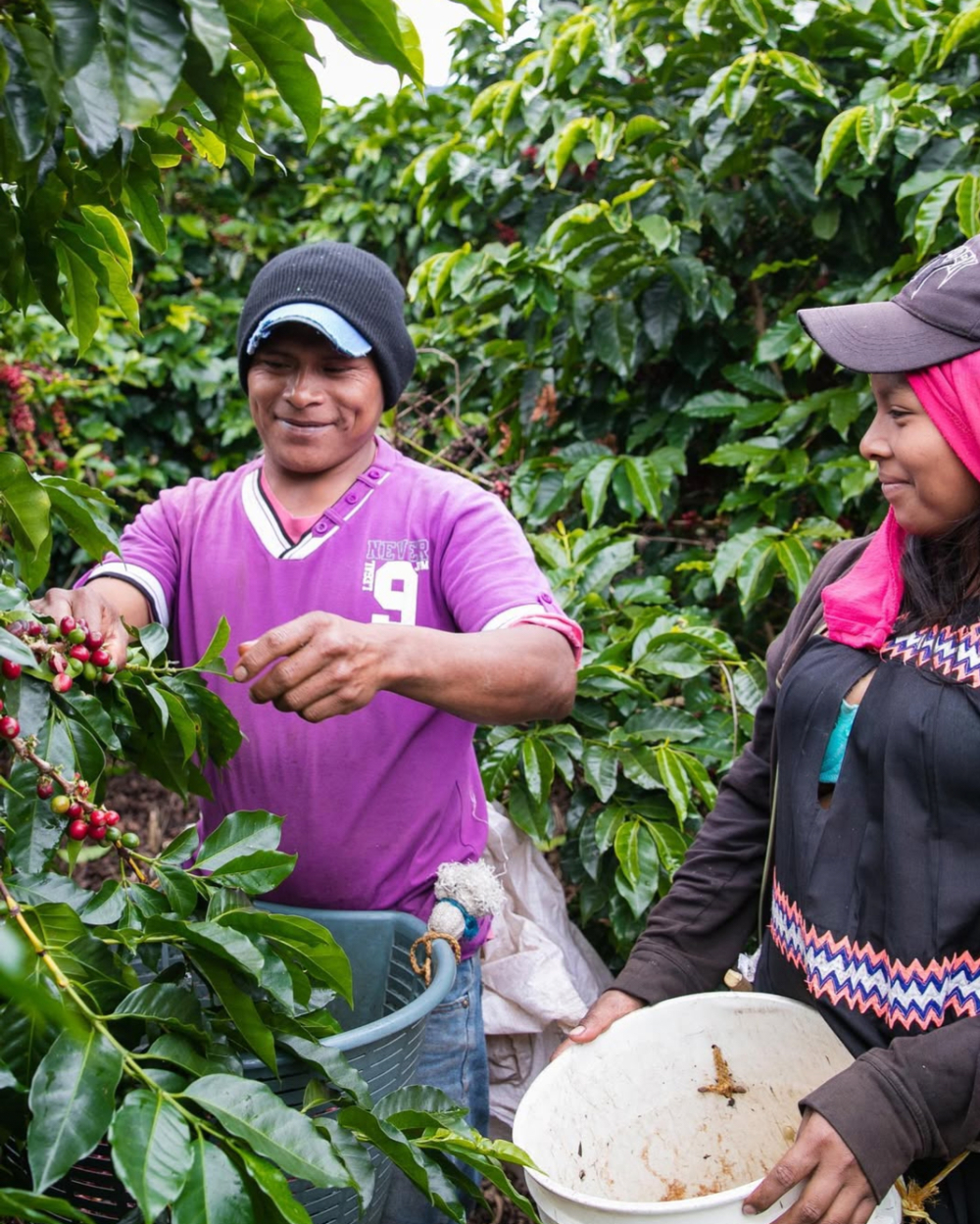
In order to present its fragrant floral and fruity character while highlighting caramelization-oriented sweetness, we adopted a medium-light roast level and conducted a cupping tasting in a timely manner.
This Duncan Estate Sun-Dried Caturra presented quiet pink floral and rich fruit aromas in the dry fragrance, which first reminded the Front Street Coffee team of fruits such as cranberry, dried fruit, and grape; after breaking the crust and skimming the grounds, the coffee immediately delivered flavors of ripe Kyoho grape and prune on the palate, along with a honey-like sweet aroma. As the temperature dropped slightly, the acidity of hawthorn gradually emerged, accompanied by a brown sugar note, adding yet another layer to the whole cup of coffee.
The above content is compiled by CoffeeHunters, a coffee news website.


