







Search Results for: Kopi O
Exploring the Origins of Nanyang Coffee Culture: From Kopitiam to Kopi Slang, Southeast Asian Coffee Traditions and the History of Hainan Immigrants
Walking through the streets and alleys of Southeast Asia, the terms like Kopi O, Kopi C, and Kopi Tarik on café signs often leave outsiders completely baffled. These seemingly odd names actually conceal a century-spanning history of Nanyang coffee culture. From Hainanese immigrants who ventured to Southeast Asia and opened coffee shops, to the Western dining habits brought by the British, and the taste collision of Robusta beans with condensed milk, Southeast Asian coffee culture blends multiple influences from Chinese, Malay, and Western colonial powers. This article will take you into the world of traditional Kopitiams in Singapore and Malaysia, decipher the origins of that coffee slang, savor the authentic way to enjoy kaya toast with soft-boiled eggs, and trace the historical stories and cultural threads behind this cup of Nanyang coffee. [more…]
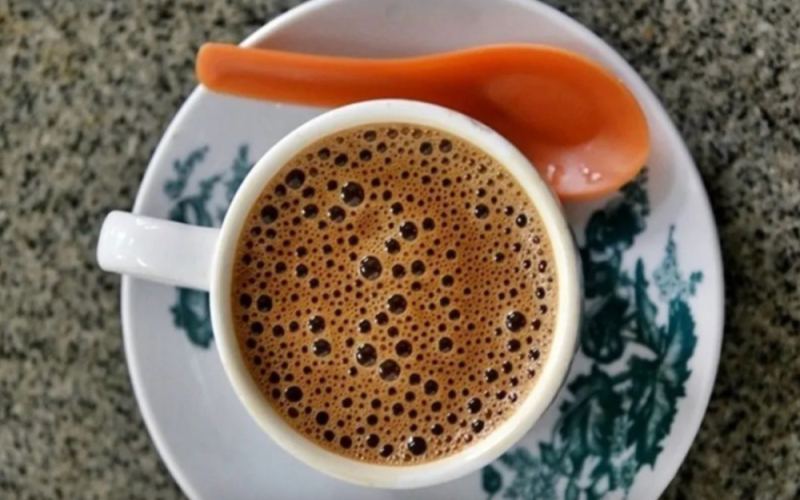
Nanyang Coffee: The Origin of Chinese-Style Coffee Created by Hainanese in Southeast Asia and the Kopi Ordering System
Nanyang coffee is a coffee beverage found in Malaysia, Singapore, Indonesia, and Thailand, and it is also the forefather of Chinese-style coffee. In the 19th century, after Hainanese immigrants moved to Nanyang, they combined Chinese cooking techniques to roast coffee beans, adding butter, sugar, salt, and other seasonings to reduce the bitterness of Robusta beans, creating a unique flavor that is rich and deeply roasted. To balance the extremely bitter taste, local Chinese developed a ordering system such as Kopi, Kopi C, and Kopi O, all derived from Hokkien pronunciation. This method of making coffee later spread back to Hainan, Hong Kong, and Macau, and evolved into variants such as white coffee and Oliang in different regions. Today, with specialty coffee in vogue, Nanyang coffee remains an important bond in the grassroots culture of Chinese communities in Southeast Asia. [more…]
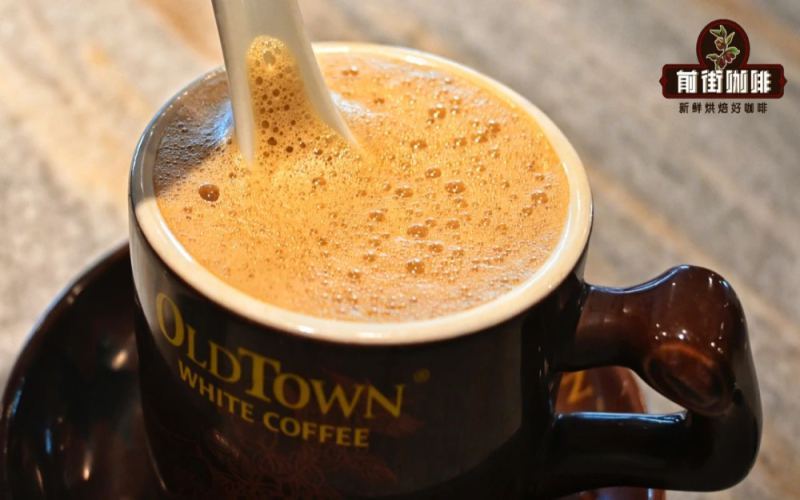
Why is Nanyang Coffee So Renowned? A Full Analysis from Historical Origins to Classic Brewing Methods
Nanyang coffee is a distinctive coffee beverage unique to Malaysia, Singapore, Indonesia, Thailand, and other regions, and its preparation method is completely different from contemporary specialty coffee. This type of coffee was first invented by the Hainanese, and in the 1850s coffee shops in Singapore were almost all run by Hainanese. In order to make low-quality robusta beans palatable, the Hainanese integrated Chinese culinary techniques into the bean-roasting process, adding butter, sugar, salt, and other seasonings, forming a unique flavor system. From Kopi to Kopi O and Kopi C, Nanyang coffee has a complete set of ordering terminology. This article will take you through the historical development of Nanyang coffee, uncover the truth about white coffee, and master the key points for brewing a delicious cup of Nanyang coffee. [more…]

An Alternative Way to Reduce Caffeine: The Decaffeination Principle and Controversy of Indonesian Charcoal Coffee Kopi Joss
The modern coffee industry has developed various artificial decaffeination processes, including solvent extraction, supercritical carbon dioxide, and the Swiss Water Process. But in an era of technological scarcity, Indonesians had already found an unexpected way to reduce the caffeine in coffee—by plunging red-hot tamarind wood charcoal into brewed coffee. This is Kopi Joss. This street drink was not originally intended for decaffeination, but was believed to relieve stomach discomfort and ward off cold. Research by Ahmad Fauzan, a chemistry student at Yogyakarta State University, found that tamarind wood charcoal has an iodine absorption rate of 83%, which can reduce the caffeine in black coffee from 68.78 mg/100 ml to 55.13 mg/100 ml, with optimal adsorption occurring at 40 minutes. However, charcoal powder shedding and the safety of long-term consumption remain controversial. Front Street Coffee takes you through the science and tradition behind this cup of "hardcore coffee." [more…]
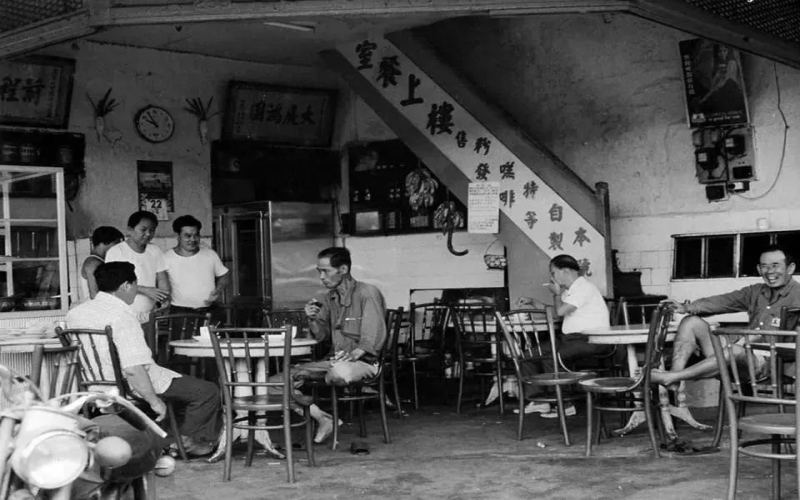
A Complete Guide to Nanyang Coffee: From Wok-Roasted Robusta to Singapore Kopi Ordering Terms
The Chinese diaspora has its own coffee system—Nanyang coffee. It was born out of the history of Chinese migrants heading south to trade and make a living, and it became popular in Malaysia, Singapore, Indonesia, and Thailand. Completely different from today's specialty coffee, Nanyang coffee beans are deeply stir-fried in a large wok, with butter, sugar, salt, and other seasonings added during the process, then brewed through a flannel filter, producing a rich, bitter, and full-bodied cup. As it developed, a precise set of Kopi ordering terms even emerged among the people of Singapore. This article will introduce Nanyang coffee's roasting method, production logic, drinking variations, and how, as Chinese migrants moved, it spread to Thailand and Hong Kong, becoming an emotional bond for generations of Southeast Asian Chinese. [more…]
Top Ten Most Expensive Coffee Beans in the World: A Complete Guide to Origins and Flavors of Geisha, Kopi Luwak, Blue Mountain, and Other Famous Varieties
Coffee is grown in over seventy regions around the world. As cultivation and processing techniques continue to advance, a diverse array of coffees has emerged, with prices spanning an extremely wide range. If we judge by selling price, which coffees can claim a place among the most expensive? In this article, Front Street Coffee takes you through the world's top ten most expensive premium coffees one by one, covering Panama Geisha, Indonesian Kopi Luwak, St. Helena, Hawaiian Kona, Brazil's Fazenda Santa Ines, Jamaican Blue Mountain, El Salvador's Los Planes, Honduras's El Esperanza, Rwanda's Blue Bourbon, and Puerto Rico's Yaucono Select. From terroir and varietal characteristics to flavor expression and market conditions, we present a comprehensive picture of these rare coffees' unique allure and the reasons behind their high prices. [more…]
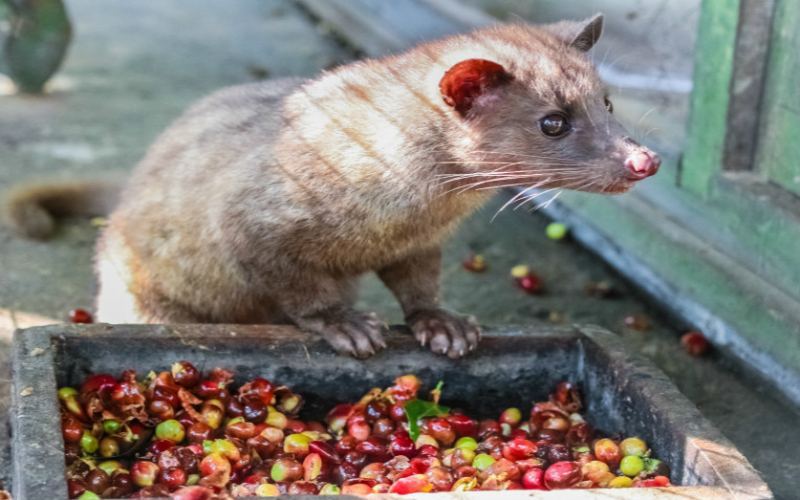
Is Vietnamese Kopi Luwak Authentic? An Analysis of the Origins, Flavor Characteristics, and Correct Brewing Methods of Kopi Luwak
Kopi Luwak is regarded by many as the "aristocrat" of the coffee world, but what exactly is its origin? Is the large volume of Vietnamese Kopi Luwak circulating on the market genuine? True Kopi Luwak originates from Indonesia, officially known as "civet coffee" (Kopi Luwak), and is produced by wild civets eating coffee cherries and undergoing internal fermentation, resulting in extremely low global annual output and high prices. This article will systematically sort out the origin, flavor characteristics, authenticity identification, and animal welfare controversies of Kopi Luwak, and provide a detailed introduction to the parameters and techniques used by Front Street Coffee (FrontStreet Coffee) for brewing Indonesian Kopi Luwak with a KONO dripper. [more…]

Analysis of the Differences Between Indonesian Kopi Luwak and Yunnan Kopi Luwak Coffee Beans, Plus Flavor, Taste, and Stories
Indonesian kopi luwak has long been known as the "Hermès" of the specialty coffee world. As early as 2002, a pound sold on the New York market for more than US$500, and its extremely scarce production is the main reason for the high price. This coffee's flavor carries Indonesia's distinctive herbal notes, has a prominent full body, and is accompanied by an indescribable sweetness. In this article, Front Street Coffee will sort out the origin story of kopi luwak, its flavor characteristics, and the real impact of the civet's internal fermentation processing method on coffee beans, while also sharing the roasting and brewing parameters for this Indonesian kopi luwak at Front Street's store. [more…]
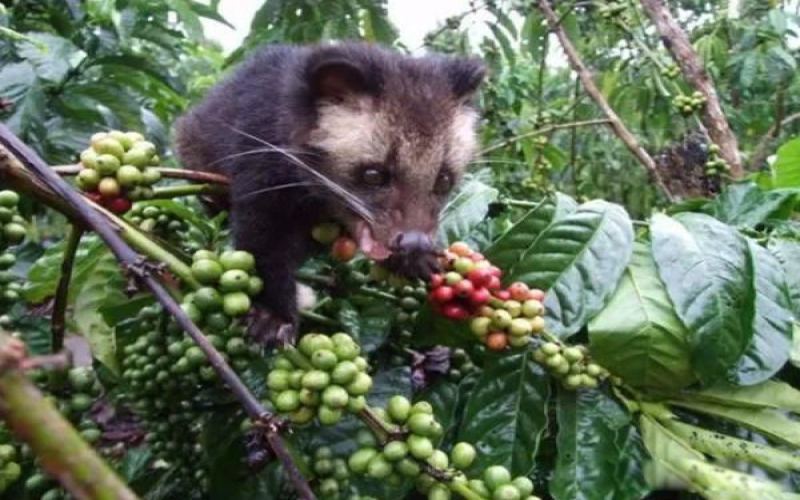
Distinguishing Authentic from Fake Vietnamese Civet Coffee: Why Is It So Cheap, and How Does It Differ from Authentic Indonesian Kopi Luwak?
Kopi luwak has long been regarded as one of the most expensive coffee categories in the world. Its authentic origin is Indonesia, where coffee beans naturally excreted by civets are refined through multiple processes, resulting in extremely low yields. However, the market is flooded with affordable Vietnamese kopi luwak—so what is really going on? Front Street Coffee will analyze the essential differences between Vietnamese kopi luwak and authentic Indonesian kopi luwak, reveal the reasons behind its low price, review several common kopi luwak products on the Vietnamese market, and share Front Street's brewing parameters and flavor performance for kopi luwak. In addition, the article will also explore the proliferation of counterfeit kopi luwak and the issue of animal welfare in the production process, helping coffee enthusiasts view this special category rationally. [more…]
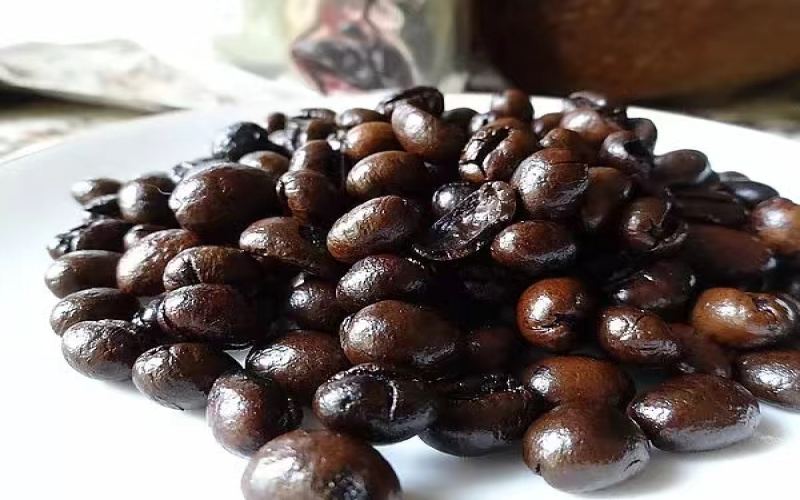
A Comprehensive Analysis of Kopi Luwak's Flavor Profile and Mouthfeel: Comparing Wild and Farmed Varieties
As one of the most expensive coffee varieties in the world, Kopi Luwak—though its name is far from elegant—has always intrigued coffee lovers curious about its true taste. What flavor does this costly coffee bean actually have? And how do wild and farmed products differ? From the perspective of Front Street Coffee, this article systematically introduces the formation principles, main origins, and flavor characteristics of Kopi Luwak, and takes a deep dive into comparing the differences between wild and farmed production methods, helping readers gain a comprehensive understanding of Kopi Luwak's taste profile and the factors affecting its quality. [more…]
The Dark Truth About Indonesian Kopi Luwak: Why You Shouldn't Drink It No Matter How Cheap It Gets
Kopi Luwak is hailed as the "aristocrat" of coffee, renowned for its distinctive minty coolness and syrupy consistency. However, behind this expensive drink lies a distressing and cruel truth. Authentic Indonesian Kopi Luwak is extremely low in yield, the market is flooded with a large number of counterfeit products, and the process of artificially farming civets is even more brutal torture for the animals. Front Street Coffee takes you through the origins and flavor characteristics of Kopi Luwak, and why we should no longer consume this kind of coffee. At the same time, Front Street also recommends coffees from other excellent regions, so that while enjoying deliciousness, you can also make a more humane choice. [more…]
Indonesian Civet Coffee Bean Flavor Story and an Analysis of Its Differences from Yunnan Civet Coffee
Kopi Luwak was once regarded as a luxury in the specialty coffee world, selling for as much as $500 per pound in New York in 2002, and its scarcity is an important reason for its high price. It carries the herbal aroma, high body, and indescribable sweetness unique to Indonesian coffee, but is its flavor really worthy of its name? From the perspective of Front Street Coffee, this article sorts out the origin story of Indonesian Kopi Luwak, the reasons behind its flavor, the real impact of the fermentation treatment method inside the civet's body, and compares it with Indonesian Mandheling and Chinese Yunnan Kopi Luwak, finally attaching the roasting and brewing data for this Kopi Luwak in Front Street's shop for coffee lovers' reference. [more…]
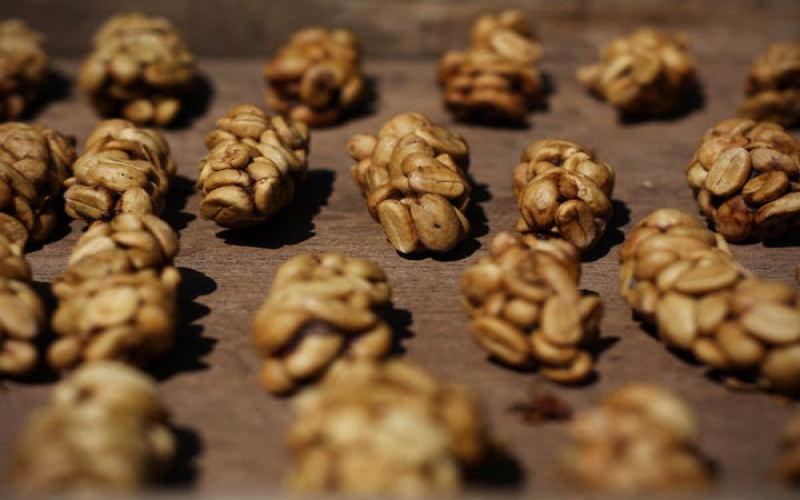
Is Kopi Luwak Really Cat Poop? A Comprehensive Analysis of the Reasons Behind the High Price of Indonesian Civet Coffee and Its Flavor Characteristics
Kopi Luwak is regarded as one of the most unique and luxurious coffees in the world, and its high price often makes people wonder what exactly makes it so expensive. This article begins with the Kopi Luwak beans once sold by Front Street Coffee at 260 yuan per 100 grams, and sorts out the production principles of Indonesian civet coffee, the source of its flavor, and the reasons for its high price, while comparing it with the hand-picked all-red-cherry philosophy of the Red Cherry Project. The article also discusses the animal welfare issues behind the Kopi Luwak industry, as well as Front Street's friendly production method of insisting on cage-free civets, and finally explains that Kopi Luwak is safe to drink after washing and high-temperature roasting, with a flavor profile dominated by smoothness, dark chocolate, herbal notes, and a fermented feel. [more…]
Indonesian Civet Coffee Flavor Analysis: Authentic Kopi Luwak Taste Characteristics, Origin Truth, and Pour-Over Recommendations
Kopi Luwak is called the "aristocrat" of the coffee world, officially known as Kopi Luwak, originating from coffee beans naturally fermented in the excrement of the Indonesian civet. When brewed, it carries a sweet aroma reminiscent of honey and chocolate, with a silky mouthfeel that is neither bitter, sour, nor astringent; even after cooling, it remains mellow and sweet, with a faint cooling sensation of mint in the aftertaste. However, the common Vietnamese instant "civet-flavored coffee" on the market is not the genuine article. This article will sort through the origin story of authentic Kopi Luwak, the reasons behind its flavor, the current state of its production and pricing, as well as the hidden concerns behind captive farming, and will include Front Street Coffee's medium-dark roast brewing approach and parameter references, to help coffee enthusiasts view this rare coffee rationally. [more…]
Is Kopi Luwak Considered Specialty Coffee? Analyzing the Unique Flavor and Taste Truth of Civet Coffee
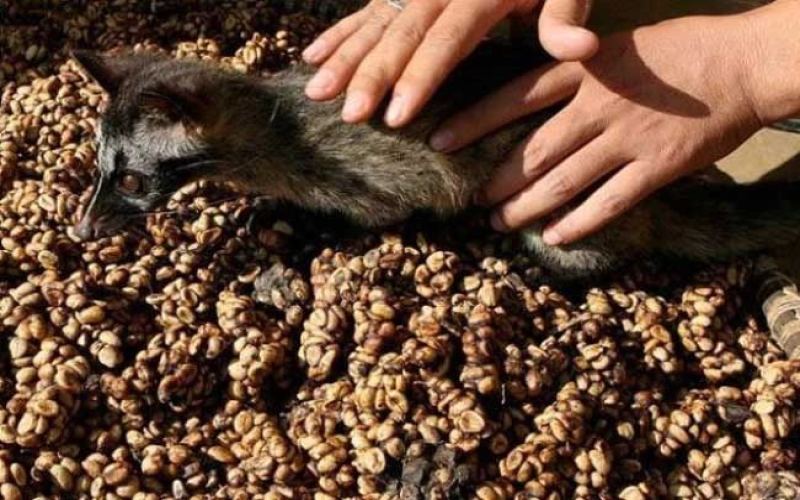
Kopi Luwak, scientifically known as civet coffee (Kopi Luwak), originates from Indonesia and is hailed as one of the most expensive coffees in the world, often classified within the specialty coffee category. Its flavor bears some resemblance to Indonesian Mandheling, yet it carries an extra layer of distinctive fermented notes, with a smoother mouthfeel and less of the earthy taste found in Mandheling. The uniqueness of this coffee stems from the natural fermentation process within the civet's body, and its production is extremely scarce, with only about four hundred kilograms produced globally each year. However, products on the market claiming to be Kopi Luwak are difficult to verify as genuine, and caged production has sparked controversies over animal welfare. Front Street Coffee does not recommend blindly chasing after it. This article will provide a comprehensive analysis of Kopi Luwak from the perspectives of flavor, craftsmanship, and market status, and recommend several high-quality alternative coffee beans. [more…]
Exploring the World's Most Expensive Coffee: The Origins, Production Regions, and Brewing Methods of Indonesian Kopi Luwak
Kopi Luwak, officially known as Kopi Luwak, is a highly talked-about traditional specialty from the Indonesian archipelago. Its raw material comes from beans excreted by wild civets after eating coffee cherries. Annual production is only about 500 pounds, the production process is complex and requires strict hygiene handling, and the finished product has a unique aroma, which is why the price is astonishing—a 4-ounce cup can sell for $168. This article will guide you through Kopi Luwak's origin and distribution, how it is obtained, the details of brewing and extraction, and its display at the Indonesia Pavilion at the World Expo, while also preserving related recommendations from the Front Street brand. [more…]
Where is Indonesian Kopi Luwak produced? A full analysis of its origin story and pour-over and cold brew parameters
Kopi Luwak is one of the rarest and most expensive coffees in the world, with an annual production of less than 120 pounds. Its unique in-vivo fermentation process gives it a thick, rich, and mellow flavor. This article will guide you through the origin of Front Street Kopi Luwak—the Gayo highlands of Sumatra, Indonesia—review the story of this specialty coffee from the 16th century to the present, and share detailed parameters for low-temperature pour-over and cold-drip brewing. In addition, the article includes tasting tips and clever uses for coffee grounds in skincare, allowing you to fully experience the unique charm of this rare coffee from brewing to tasting. [more…]
Is Vietnamese weasel coffee authentic? Flavor characteristics and an analysis of its differences from authentic Indonesian weasel coffee
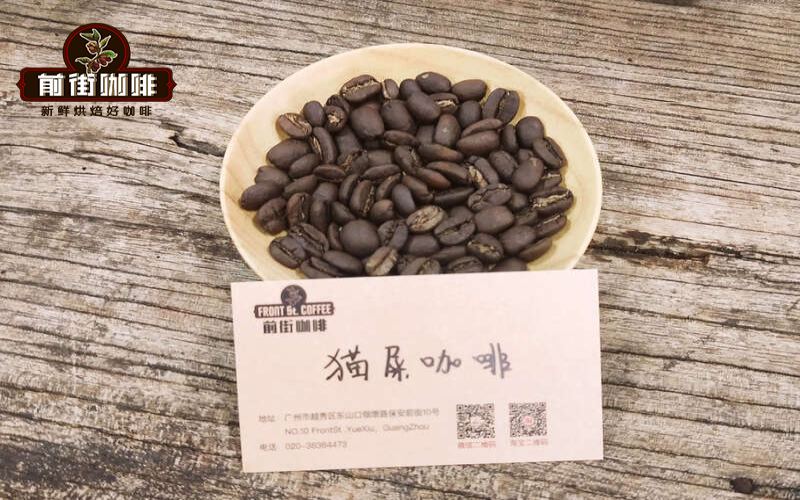
Kopi Luwak has long been regarded as one of the most expensive coffee varieties in the world, with its authentic origin being Indonesia. However, there is a considerable amount of affordably priced Vietnamese Kopi Luwak circulating on the market—so what exactly is going on? This article will analyze the essential differences between Vietnamese Kopi Luwak and authentic Indonesian Kopi Luwak from the perspectives of origin, variety, and production methods. It will also introduce several common Vietnamese Kopi Luwak products and share Front Street Coffee's brewing parameters and flavor descriptions. In addition, we will explore the issues of counterfeit Kopi Luwak flooding the market and animal welfare concerns in the production process, helping coffee enthusiasts make more rational choices. [more…]
Exploring Indonesian Coffee Origins: The Flavor Truth of Mandheling and Kopi Luwak, Plus Front Street Brewing Tips
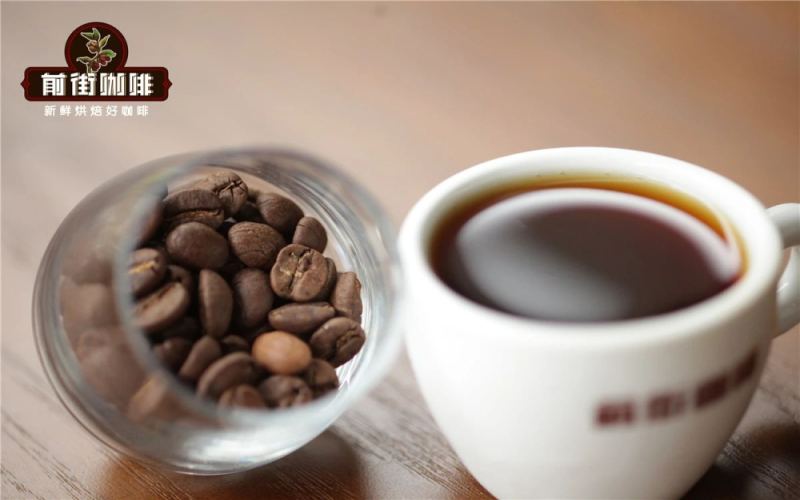
Indonesia is an important coffee-producing region globally, and among its coffees, Mandheling and Kopi Luwak are the most talked-about. Kopi Luwak is produced through fermentation within the civet, resulting in a flavor with herbal notes and excellent body, but its production is scarce and the price is high. However, driven by commercial interests, caged farming practices force civets to eat only coffee cherries, sparking controversy over animal welfare. Front Street Coffee believes that the formation of Kopi Luwak itself is not problematic; the issue lies in forced captivity and force-feeding. This article will discuss the origin of Kopi Luwak, the reasons behind its flavor, and the principles of in vivo fermentation, and share Front Street's neutral perspective and brewing methods, while recommending several Indonesian and other origin coffees worth trying. [more…]
The Mystery of Indonesian Kopi Luwak's Flavor Formation and Price: From Wild Civets to Front Street Coffee Brewing Suggestions
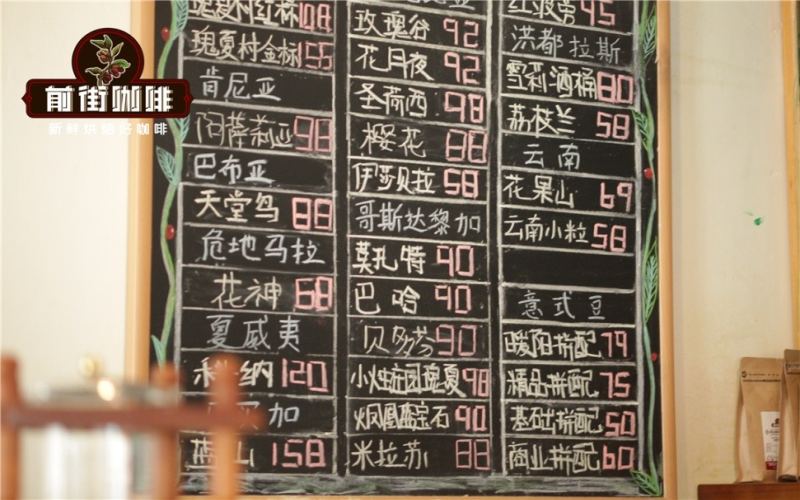
The fame of Kopi Luwak is on par with Jamaican Blue Mountain coffee; even those who don't often encounter specialty coffee have likely heard of it. Why does this coffee from Indonesia have such a unique flavor and high price? And how can authentic Kopi Luwak be identified? This article, from the perspective of Front Street Coffee, will sort out the historical origins of Kopi Luwak, the real impact of the fermentation process within the civet's body, its flavor characteristics and the reasons for its high cost, and will also include detailed information and brewing parameters for this Indonesian Kopi Luwak bean available at Front Street's shop, providing a complete reference for curious coffee enthusiasts. [more…]