







What Is Kopi Luwak and How Does It Taste?
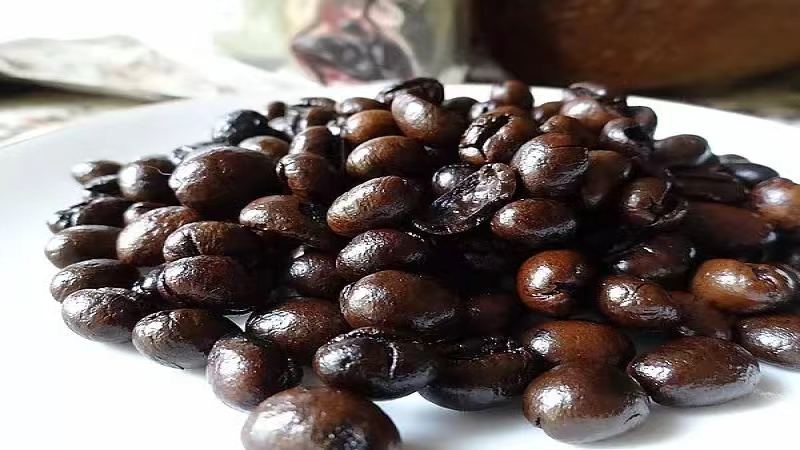
Kopi Luwak is coffee made from beans that pass through a civet's digestive system. The civet eats coffee cherries, its stomach and intestines cannot break down the beans, and fermentation in its digestive tract leaves them excreted with aroma. Common Kopi Luwak comes from Indonesia, Vietnam and Malaysia. The finest wild lots are said to brew with very high viscosity, no bitterness, fruity aromas and a faint minty finish.
Kopi Luwak taste depends heavily on production method. Wild Kopi Luwak comes from civets foraging in the forest, with droppings collected early in the morning, washed and dried; the scarce yield keeps prices high. Farmed Kopi Luwak relies on caged civets fed coffee cherries. Any origin can theoretically produce the coffee, but whether the finished cup carries that distinctive flavor is another matter.
As one of the most expensive coffee varieties in the world, Kopi Luwak, despite its less-than-elegant name, has always attracted many coffee lovers curious about its true taste. What flavor does this expensive coffee bean actually have? What are the differences between wild and farmed products? This article, from Front Street's perspective, systematically introduces the formation principles, main producing areas, and flavor characteristics of Kopi Luwak, and provides an in-depth comparison of the differences between wild and farmed production methods, helping readers fully understand the taste performance and quality-influencing factors of Kopi Luwak.
Kopi Luwak is arguably the most expensive coffee bean in the world. Although its name sounds somewhat unrefined, it still makes many people want to find out what this high-priced coffee bean really tastes like.
Many people ask how to distinguish authentic Kopi Luwak from fake. In fact, there is no such thing as fake Kopi Luwak—theoretically, Kopi Luwak can be produced anywhere; it's just hard to say whether the finished product can have that unique flavor.
Below, Front Street briefly explains the origins and development of Kopi Luwak. Common Kopi Luwak comes from Indonesia, Vietnam, Malaysia, and other places. So-called Kopi Luwak is made by letting the locally common civet eat coffee cherries, and the coffee beans are then excreted after passing through its digestive system. The civet's stomach and intestines cannot break down the coffee beans, but after the beans undergo fermentation through its special digestive tract, they are excreted with a fragrant aroma. It is said that the finest wild Kopi Luwak brews with extremely high viscosity, has no bitterness on the palate, and also offers fruity aromas and a faint minty finish, making it very pleasant.
However, not all Kopi Luwak can present such flavors. Kopi Luwak can be divided into two types by production method: wild and farmed. Wild Kopi Luwak is excreted by wild civets in the forest after they forage for coffee cherries on their own, and then locals go up the mountain in the early morning to "collect the droppings," bring them back, wash them clean, and dry them. Because the yield is extremely scarce, the price is therefore very high.
Farmed production, on the other hand, obtains Kopi Luwak by raising civets and feeding them coffee cherries. Because the yield is stable, the price is considerably lower than that of wild Kopi Luwak.
What are the differences between the two?
Wild Kopi Luwak is regarded as the most authentic Kopi Luwak. Civets are omnivorous animals, and coffee cherries are only part of their diet, so the gut microbiota of wild civets is more diverse; in addition, wild civets search for coffee cherries on their own and will choose fully ripe fruit to eat, which also contributes to the outstanding flavor of wild Kopi Luwak. But also because it is impossible to manually control which coffee variety's cherries the civet eats, in an environment with complex coffee varieties, the civet may eat coffee cherries with good flavor or coffee cherries with poor flavor, so it is difficult to guarantee that every batch of Kopi Luwak tastes consistent.
Farmed Kopi Luwak can ensure flavor stability by manually feeding high-quality coffee cherries; however, the food variety of farmed civets is greatly reduced. Sometimes, in order to increase yield, producers feed only coffee cherries as the sole food, resulting in the digestive condition of farmed civets naturally being inferior to that of wild ones, and the quality of the Kopi Luwak produced is also inferior to wild Kopi Luwak.
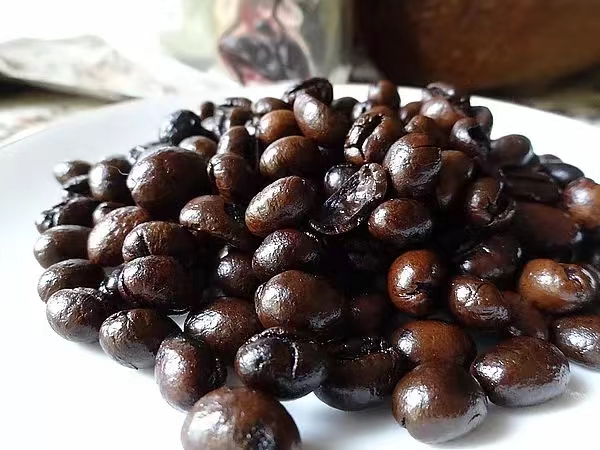
Flavor description of wild Kopi Luwak: rich and mellow on the palate, with high viscosity; the low-toned fruity acidity melts immediately upon entering the mouth, then turns into hazelnut sweetness, nutty aroma, and vanilla notes. From hot to cold, the layering changes richly.
For professional coffee knowledge exchange and more coffee bean information, please follow Coffee Workshop (WeChat public account: cafe_style) For more specialty coffee beans, please add the private WeChat of Front Street Coffee (FrontStreet Coffee), WeChat ID: qjcoffeex
The above content is compiled by CoffeeHunters, a coffee news website.


