







Search Results for: Kono Dripper Brewing

In-Depth Analysis of the KONO Meimon Dripper: Master the Design Essence and Dark Roast Coffee Brewing Characteristics
In the world of coffee brewing, V60 has almost become synonymous with conical drippers, but Front Street Coffee often chooses another classic piece of equipment when producing dark-roasted coffee—the KONO dripper. This brand, originating from Japan's Kono family in 1925, showcases a rich and full-bodied flavor when extracting dark-roasted beans thanks to its unique rib design and siphon effect. However, domestic coffee enthusiasts have quite limited understanding of it. In this article, Front Street will systematically sort out the historical evolution of the KONO dripper, the differences between models such as Meimon and Konos, and why it is particularly suitable for the brewing logic of dark-roasted coffee, and will share the parameter schemes that Front Street has summarized in actual operation, to bring you a comprehensive understanding of this low-key yet highly capable dripper. [more…]
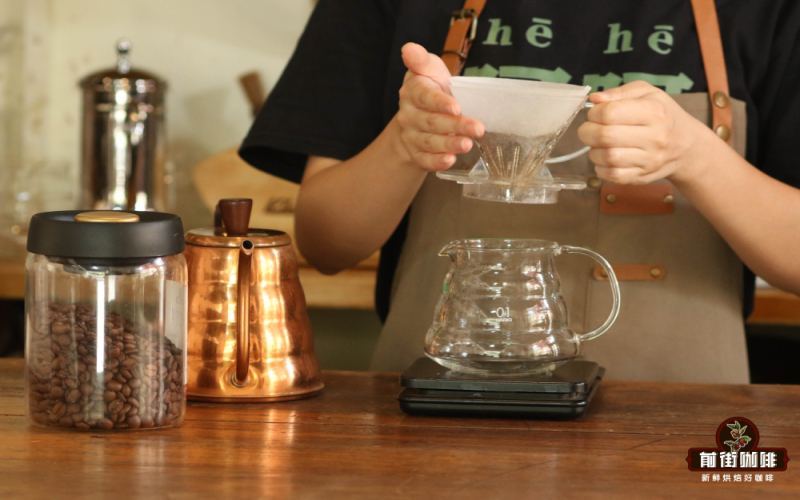
Analysis of the KONO dripper's design principles and brewing characteristics: How the short-rib structure affects extraction flavor and recommended coffee beans
As a well-known Japanese coffee equipment brand, KONO's cone-shaped dripper occupies an important position in the pour-over coffee world thanks to its unique short-rib design. Starting from the historical origins of the KONO dripper, this article takes a deep dive into how its rib structure slows the flow rate and extends the steeping time by limiting the space for air to escape, thereby improving extraction balance and body. At the same time, in response to the brewing needs of medium-to-dark roasted coffee beans, it shares the real-world parameters used at Front Street Coffee stores, including grind size, water temperature, coffee-to-water ratio, and a three-pour pouring scheme, and recommends a number of classic beans that pair well with this dripper, helping coffee enthusiasts fully master the logic of using the KONO dripper. [more…]
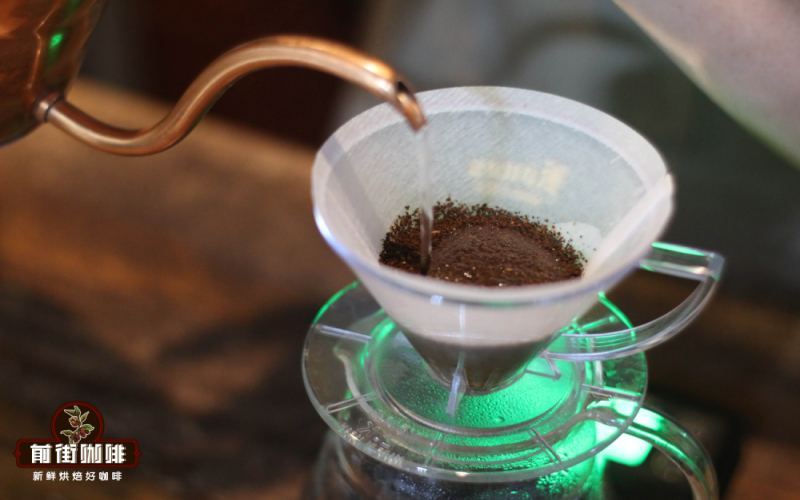
KONO dripper pour-over tutorial: from rib design to staged extraction, a detailed guide to brewing rich, full-bodied medium-dark roast coffee
With its unique short ribs and bottom convex groove structure, the KONO dripper delivers pronounced sweetness and a full-bodied mouthfeel when brewing medium-dark roasted coffee, making it the go-to device for many coffee enthusiasts. Drawing on the hands-on experience of Front Street Coffee, this article first explains the design principles and extraction logic of the KONO dripper, then uses Jamaica Blue Mountain No. 1 as an example to share in detail the coffee dose, water temperature, grind size, and multi-stage pouring technique, helping you reliably reproduce a rich, full-bodied, and layered Japanese-style pour-over coffee at home. [more…]
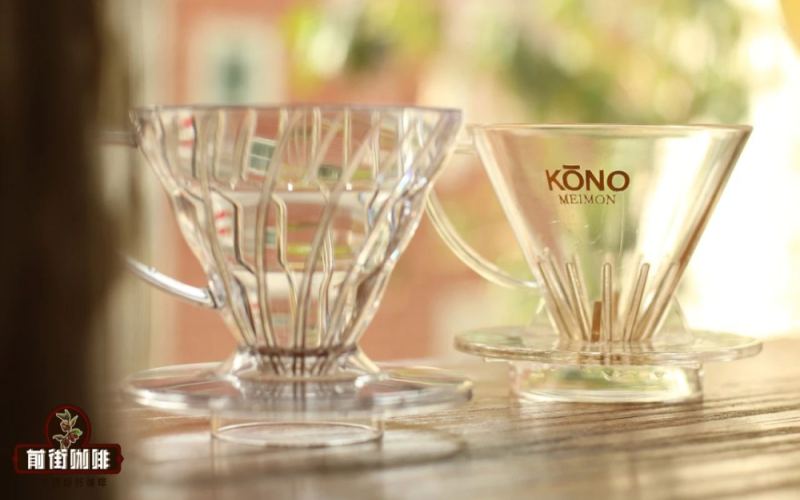
Pour-over Dripper Usage Tutorial | Which Coffee Beans Are Suitable for Brewing with the Kono Dripper? Introduction to the Kono Dripper's Extraction Principles and Coffee Flavors
The KONO dripper, like the Hario V60, is cone-shaped. The biggest difference lies in the height of the ribs. KONO has 12 ribs that are lower than those of the Hario V60, which helps with airflow during brewing and increases the efficiency of the bloom. When the KONO dripper is used together with its server, it's like [more…]
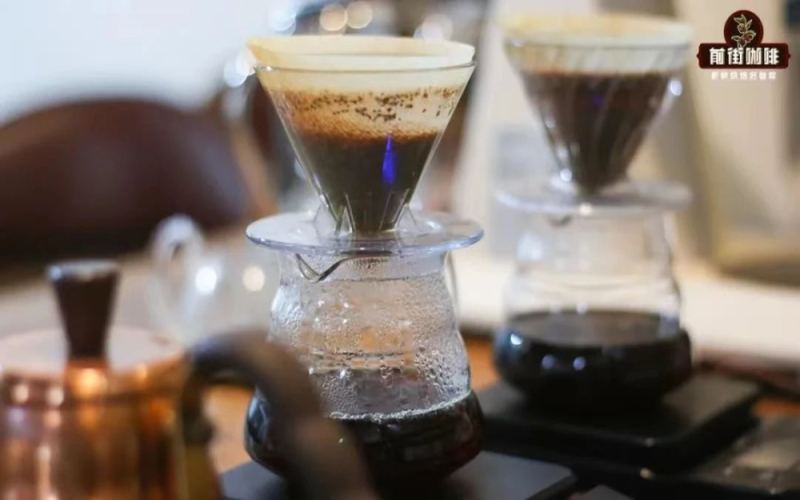
An In-Depth Analysis of the KONO Meimon Dripper: Structural Design, Suitable Bean Types, and Practical Brewing Parameters
Pour-over coffee enthusiasts often face the dilemma of choosing a dripper, as different shapes and structures directly affect extraction and flavor outcomes. As a classic representative of conical drippers, the KONO dripper stands out in brewing medium-to-dark roasted coffee beans thanks to its unique design philosophy. This article will provide a detailed explanation of the KONO dripper's origins, structural features, and extraction principles, and, drawing on Front Street Coffee's hands-on experience, share the specific parameters and techniques for brewing Front Street Indonesia Golden Mandheling with the KONO dripper. From grind size adjustment and water temperature control to the three-pour technique, we break down step by step how to bring out this dripper's strengths in body and sweetness. Whether you are a beginner just getting into pour-over or a coffee enthusiast hoping to refine your skills, you will find practical references and inspiration here. [more…]

KONO Dripper Brewing Guide: Extraction Characteristics Analysis and Medium-Dark Roast Coffee Bean Pairing Suggestions
The KONO dripper, with its distinctive rib design and slow flow rate, produces a flavor profile in coffee extraction that is completely different from the Hario V60. This article starts with the dripper's structure to explain why it is better suited to medium-dark roasted or full-bodied coffee beans, and uses the classic Front Street Golden Mandheling as an example to break down a complete brewing recipe covering dose, grind size, water temperature, and three-pour technique. Whether you want to understand the extraction logic of the KONO dripper or are looking for coffee beans to match it, this article will provide clear and practical guidance. [more…]
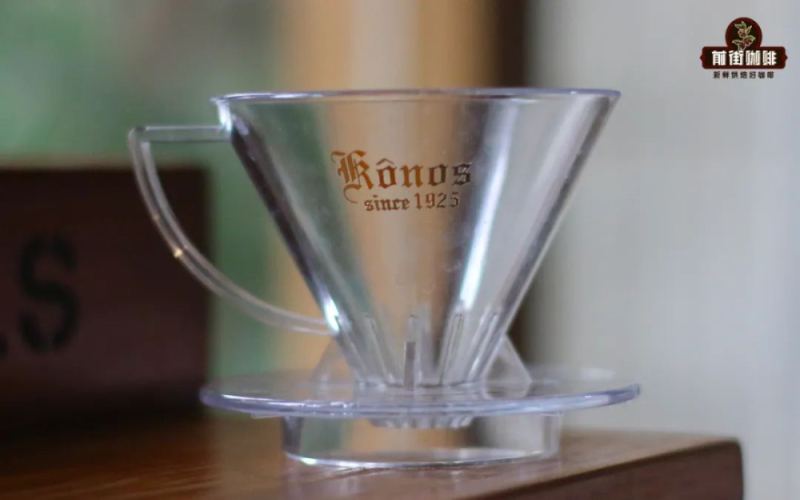
In-Depth Analysis of the KONO Meimon Dripper: Design Principles, Extraction Characteristics, and Practical Brewing Methods
Since its introduction in 1973, the KONO Meimon dripper has become a representative brewing device for Japanese-style dark roast coffee, thanks to its distinctive conical shape and semi-rib design. It mimics the extraction logic of a flannel drip, extending the contact time between grounds and water by restricting air escape, thereby delivering greater body and sweetness. Starting from the design intent and structural principles, and drawing on the hands-on experience of Front Street Coffee, this article explains grind size settings, water temperature selection, and the three-pour technique in detail, helping coffee enthusiasts master the key skills for brewing a full, rounded flavor with the KONO dripper. [more…]
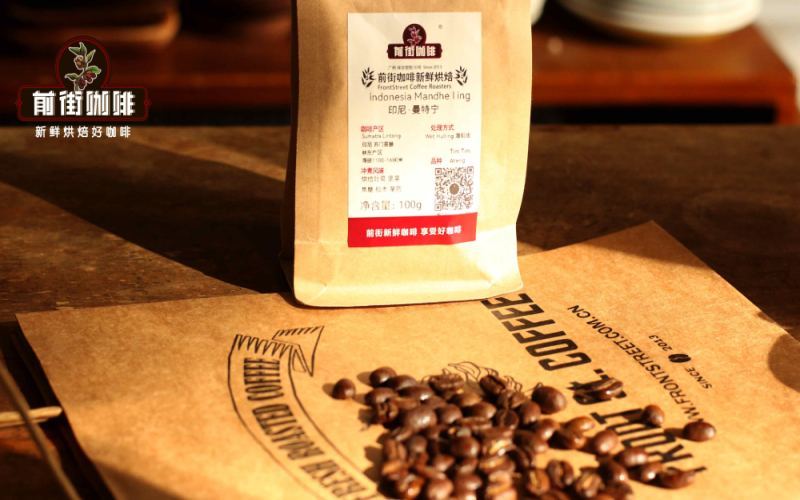
KONO dripper with Golden Mandheling: Pour-over techniques and flavor performance for medium-dark roasted beans
Although medium-dark roasted coffee beans are not as popular as light roasts, they still have a loyal following among those who seek a sweet, mellow, and silky mouthfeel. Front Street PWN Golden Mandheling is exactly the bean for people with this flavor preference—no fruity acidity, rich caramel aroma, and a pronounced sweetness. However, to fully unlock the potential of such beans, the choice of dripper and brewing technique are crucial. This article will share how to switch between the Hario V60 and KONO dripper based on the condition of the beans, explain in detail how the KONO dripper enhances body through its unique rib structure, and cover pouring strategies tailored to the characteristics of medium-dark roasted beans, such as vigorous degassing and high dehydration rates. Whether you are new to medium-dark roasts or looking to refine your pour-over skills, these insights can provide practical reference. [more…]
The origins and design features of the Hario V60 dripper, along with a detailed explanation of pour-over steps and brewing parameters
Among pour-over coffee gear, the V60 dripper is undoubtedly the most popular, and the top choice for many coffee enthusiasts just getting started. Designed by the Japanese company Hario, its clever features—a 60-degree conical shape, large drainage hole, and spiral ribs—make extraction flow rate and flavor control flexible and variable. Front Street Coffee often uses the V60 to brew light roasts, and uses the KONO dripper as a contrast for the immersion-style extraction of dark roasts. This article will sort out the V60's history and working principle, its differences from the KONO, and explain in detail the complete process from rinsing the filter paper to three-stage pouring, while also offering practical suggestions on water temperature, grind size, coffee-to-water ratio, and extraction time to help you brew a cup of coffee with rich layers more consistently. [more…]
KONO dripper pour-over Front Street Golden Mandheling medium-dark roast beans: water temperature, grind parameters, and brewing approach analysis
Medium-dark roasted Mandheling has always been an irreplaceable presence in the hearts of coffee lovers, and Front Street Coffee's PWN Golden Mandheling, with its no fruit acidity, high sweetness, and rich, silky mouthfeel, has become the representative of this type of bean. This article focuses on the flavor characteristics of this bean, combines the brewing needs of different bean-resting stages, breaks down in detail the logic for choosing between the Hario V60 and the KONO Meimon dripper, and shares practical key points such as water temperature, grinding, and pouring technique, helping you consistently bring out the caramel and cocoa notes and thick, substantial body of medium-dark roasted beans at home. [more…]
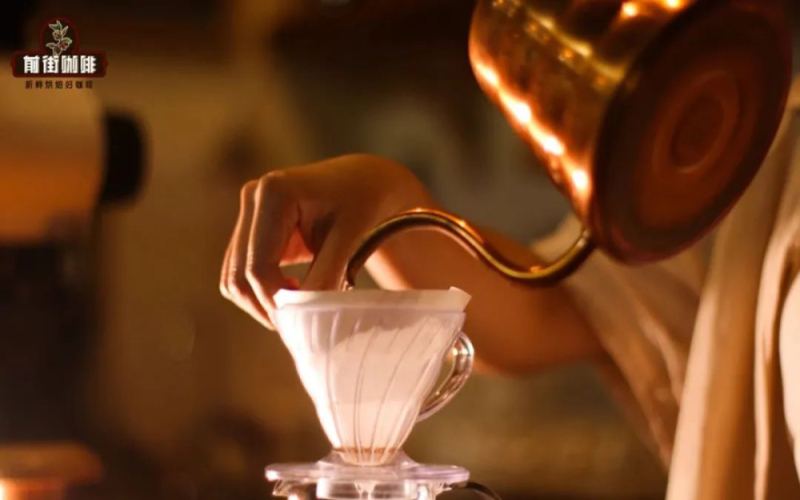
How Does Filter Paper Fit Affect Coffee Extraction? A Comparative Experiment Between V60 and KONO Reveals Flavor Differences
Wetting the filter paper before brewing coffee is almost a standard step for all pour-over enthusiasts, with the usual goals of making the filter paper fit snugly, removing paper dust, and, if hot water is used, warming the cup along the way. However, most tutorials rarely discuss in depth how much the degree of fit between the filter paper and the dripper actually affects the final taste. Front Street conducted two sets of controlled experiments, using V60 and KONO drippers respectively, paired with filter papers in different states of fit for brewing, and tasted and compared them one by one. The experiment used the floral-fruity Front Street · Gedin Gedin and the nutty-sweet Front Street · Brazil Red Bourbon, and the results showed that a poorly fitting filter paper significantly changes the flow rate, which in turn affects the extraction yield and concentration, producing noticeable differences in mouthfeel. [more…]
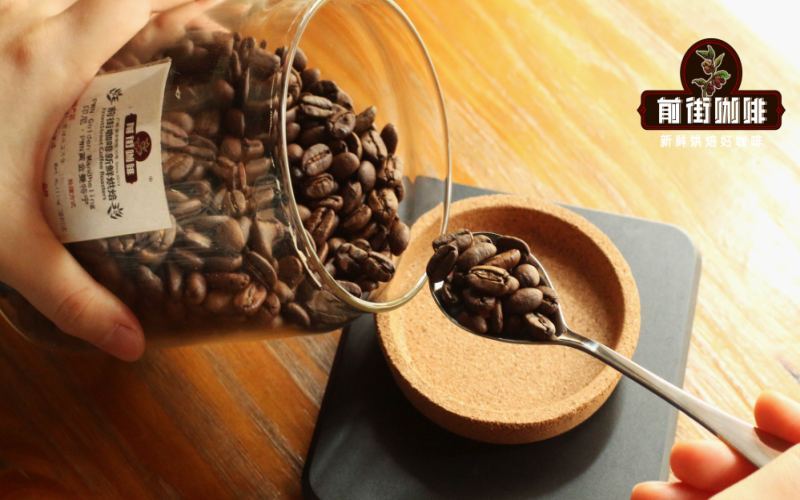
Brewing Front Street Golden Mandheling Coffee with a V60 Dripper: Adjustment Tips for Grind Size, Water Temperature, and Coffee-to-Water Ratio
Many coffee enthusiasts, after purchasing Front Street PWN Golden Mandheling coffee beans, find that when they brew at home according to the parameters on the packaging, the taste differs from that in the store. This is actually closely related to the type of dripper—Front Street's store uses the Kono Meimon dripper, while most enthusiasts have a V60 dripper at home. The two drippers differ significantly in flow rate and extraction method, so the same set of parameters cannot simply be applied to both. This article will explain in detail how to adjust the grind size, coffee-to-water ratio, and brewing water temperature according to the characteristics of the V60 dripper, so that you can brew a rich and full-bodied Golden Mandheling at home. At the same time, the article also introduces the method for measuring the 0.85mm sieve passing rate, as well as Front Street's grind size recommendations for different brewing methods, helping you grasp the extraction variables more precisely. [more…]
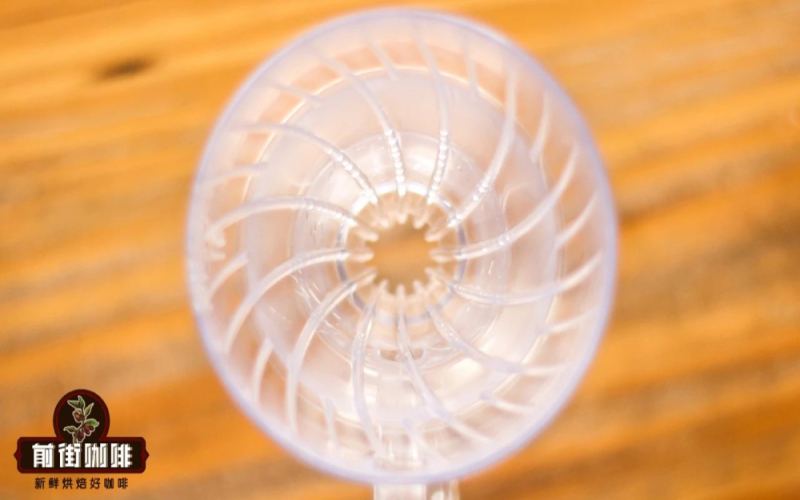
The Origins and Design Features of the Hario V60 Dripper: A Complete Guide from Brewing Principles to the Three-Pour Hand-Brew Method
In the world of pour-over coffee, the Hario V60 dripper is undoubtedly one of the most well-known devices, found in almost every pour-over café and the top choice for many enthusiasts taking their first steps into the world of pour-over. What exactly is the appeal of this classic dripper born in Tokyo, Japan? In this article, Front Street Coffee will take you back through the history of the V60, analyze how its core designs—the 60-degree cone angle, large-diameter spout, and spiral ribs—affect extraction flavor, and compare it with the KONO dripper. We will also demonstrate in detail the complete steps of the three-pour brewing method, covering key stages such as rinsing the filter paper, blooming, and staged pouring, as well as the key points for adjusting water temperature, grind size, coffee-to-water ratio, and extraction time, to help you fully unleash the potential of the V60. [more…]
How to brew Front Street PWN Golden Mandheling with a V60? A complete guide to grind size, coffee-to-water ratio, and water temperature adjustments
Many coffee enthusiasts, after purchasing Front Street PWN Golden Mandheling coffee beans, find that when they brew at home according to the parameters on the QR code on the packaging, the flavor differs noticeably from what the café produces. The problem often lies with the dripper—Front Street's café uses the Kono Meimon dripper, while most people use a V60 at home. The flow rate and extraction logic of the two drippers are completely different, so simply applying the same parameters makes it hard to replicate the result. This article will systematically explain how to brew a rich, full-bodied Golden Mandheling with a V60—from grind size calibration, coffee-to-water ratio, and water temperature to the three-pour technique—so that the unique flavor of Indonesia Sumatra's wet-hulled processing method can be consistently presented at home. [more…]
Mandehling Pour-Over Extraction Plan | What Grind Size for Indonesian Mandehling Coffee Beans? V60 Dripper Pour-Over Golden Mandehling Coffee Brewing Water Temperature, Coffee-to-Water Ratio Parameters Introduction
After buying Front Street Coffee's PWN Golden Mandheling coffee beans, a friend asked Front Street, "Why does the taste I brew at home differ from what I drink in the shop? I've already scanned the QR code on the coffee bean packaging and followed your parameters for grinding and brewing. [more…]
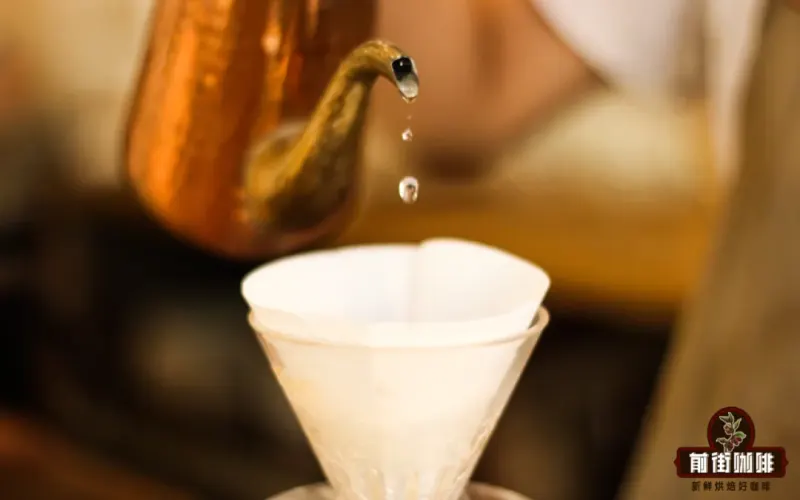
A Complete Guide to the Kono Drip Method: From Grind Size to Pouring Rhythm, the Ultimate Pursuit of Mellow Sweetness in Dark Roast Coffee
The drip method, hailed as one of the most challenging brewing techniques in the pour-over field, was invented in 1973 by the Kono family, founders of the Kono brand. Through its unique rhythm of dripping first and then pouring, it allows dark-roasted coffee to present a fuller body and higher sweetness. This article will provide a complete analysis of every detail of the Kono-style drip method, from its origin and background, brewing principles, and equipment selection, to specific parameters and step-by-step operations. Front Street Coffee uses Sumatra PWN Golden Mandheling as an example to share the complete process and precautions of this high-concentration, low-extraction brewing method, leading you to appreciate the charm of the drip method. [more…]
Brazil Cerrado Coffee Flavor Analysis and Pour-Over Parameters: From Bean Varieties to Kono Dripper Extraction Techniques
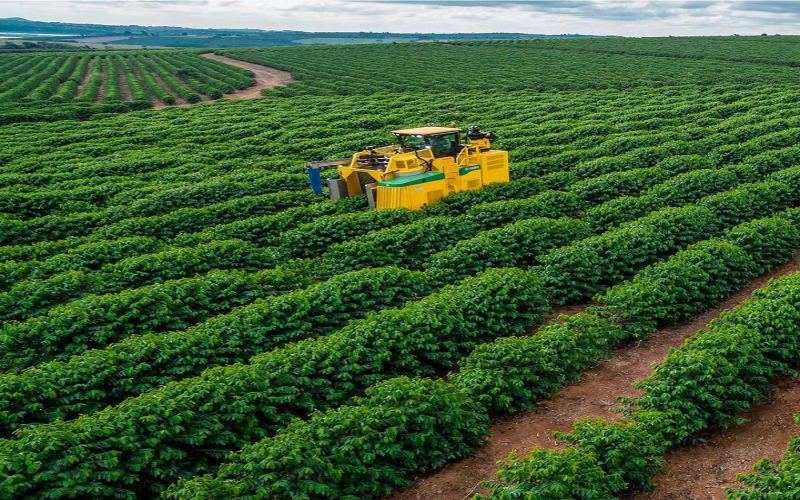
Brazil, as the world's largest coffee producer, has its Cerrado region, with its unique tropical savanna climate and plateau terrain, giving rise to high-quality coffee with a balanced flavor and prominent nutty and chocolate notes. From the perspective of Front Street Coffee, this article systematically reviews the distribution of Brazil's main producing regions and the evolution of its coffee varieties, with a focus on analyzing the flavor characteristics of Cerrado and the Yellow Bourbon of Queen Mogiana Estate. At the same time, drawing on the daily brewing experience of Front Street stores, it shares in detail key parameters such as water temperature, coffee-to-water ratio, and grind size for brewing Brazilian coffee with a Kono dripper, helping enthusiasts recreate a rich and smooth Brazilian pour-over at home. [more…]
Medium-Dark Roast Coffee Beans Pour-Over Parameters Guide: A Complete Brewing Approach with Grind, Water Temperature, and the Kono Dripper
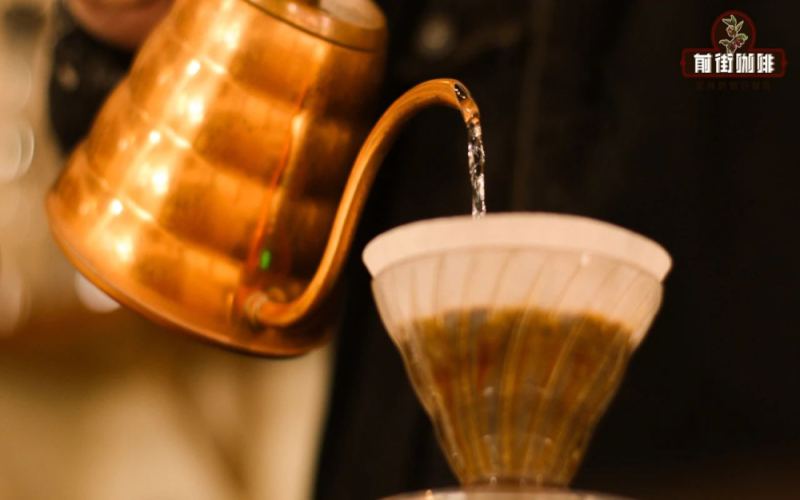
Pour-over coffee is not exclusive to light-roasted beans; medium-dark roasted coffee beans can also produce ideal flavors by adjusting parameters. Beans of different roast levels differ significantly in structure—medium-dark roasted beans are more porous and absorb water faster, so applying the brewing logic of light roasts can easily lead to over-extraction and bitterness. Drawing on Front Street Coffee's hands-on experience, this article systematically outlines the flavor characteristics of medium-dark roasted coffee and explains in detail the specific settings for grind size, water temperature range, coffee-to-water ratio, and dripper selection. Finally, it includes Front Street Coffee's standard three-pour brewing process and timing control to help you consistently reproduce a rich, sweet, and mellow medium-dark roasted pour-over at home. [more…]
Pour-Over Coffee Intermediate Guide: Water-Pouring Strategies and Flavor Balance Points for Hario V60 and Kono Drippers
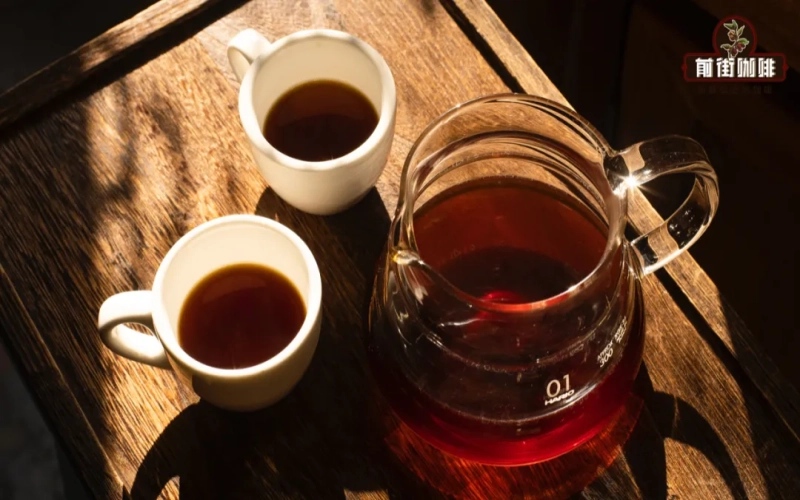
Those just getting into pour-over coffee often need repeated practice to find the flavor they truly enjoy. However, mastering a few key techniques and professional insights can make the learning curve much smoother. Among these, the choice of dripper and the corresponding pouring method have a significant impact on the final flavor. This article will use two classic drippers, the Hario V60 and the Kono, as examples to analyze how to match them with coffee beans of different roast levels, and explore how to build a stable brewing framework. At the same time, we'll also discuss the priorities of sweet-sour balance versus concentration in coffee tasting, and recommend a few Front Street coffees that are suitable for beginners, with a balanced taste, to help you brew a great cup more easily. [more…]
Multiple Brewing Methods for the Same Yirgacheffe: A Practical Comparison of Cake Filter, KONO, French Press, Strawberry Filter, and SOE
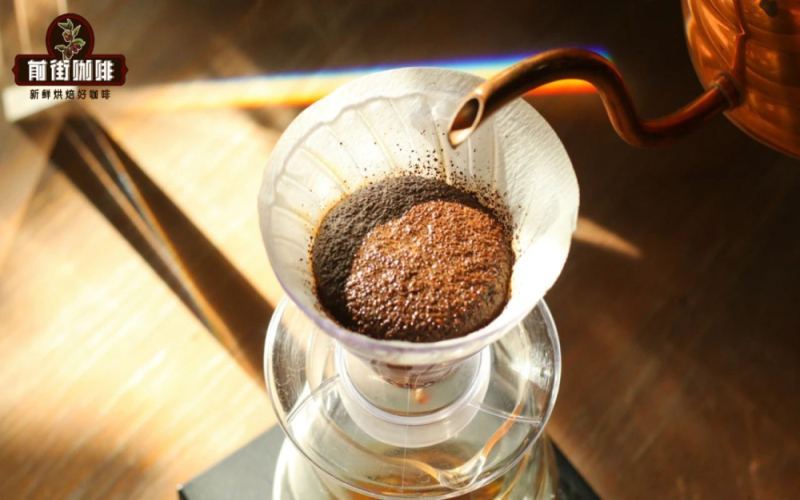
The same coffee beans, brewed with a different device, often yield dramatically different flavors in the cup. Front Street Coffee maintains an experimental spirit year-round, happily using different brewing methods to uncover the many facets of a bean. This article takes Front Street washed Yirgacheffe as a sample, extracting it using five methods: cake filter, KONO dripper, French press, strawberry dripper, and SOE, recording the parameters, techniques, and flavor performance one by one, and comparing the extraction logic and taste direction each device brings due to structural differences. After reading this article, you can make a more suitable choice based on the flavor you want to present, combined with the characteristics of the device. [more…]