







Search Results for: Kona growing region
The Flavor Characteristics and Visual Appeal of Hawaiian Kona Coffee Beans: A Complete Interpretation from Volcanic Growing Regions to Sweetness in the Cup
Hawaiian Kona coffee beans are widely recognized as one of the most visually striking coffee varieties in the world, with plump fruit, a bright luster, and a flavor profile that combines wine-like, fruity, and spicy notes. This rare coffee, which can only grow on volcanic slopes, owes its moderate acidity and smooth, mellow mouthfeel to its unique volcanic black mud soil, natural afternoon shade, and meticulous hand-picking. Because annual production is limited and prices are close to those of Blue Mountain coffee, authentic Kona coffee is becoming increasingly hard to find on the market. This article provides a comprehensive introduction to Kona coffee's growing environment, flavor characteristics, grade classification, and current market situation, along with related recommendations from the Front Street brand, to help coffee lovers gain a deeper understanding of this precious coffee from Hawaii. [more…]

Hawaii Kona Coffee Beans: Origin Story, Variety Characteristics, and Pour-Over Parameters Fully Explained
Hawaiian Kona coffee is renowned for its rich malt-sugar sweetness and mellow, balanced flavor, making it a specialty representative in the hearts of coffee lovers. However, in recent years this producing region has faced the threat of leaf rust, and combined with historical pest outbreaks and reduced rainfall, its yield and price have drawn much attention. In this article, Front Street Coffee will guide you through the cultivation story of the Kona region, the characteristics of the Typica variety, the washed processing method, and share Front Street's roasting and pour-over extraction parameters, fully presenting the complete flavor picture of Kona coffee from seed to cup. [more…]

A Complete Guide to Hawaiian Kona Coffee: Growing Environment, Regional Grades, History, and Queen Estate Flavor
Hawaiian Kona coffee is hailed as one of the world's top specialty coffees. Its scarce yield and high price have not stopped countless coffee lovers from flocking to it. Front Street Coffee has specially imported authentic Hawaiian Kona coffee beans. This article will provide a comprehensive interpretation of the unique charm of Hawaiian coffee, from growing conditions, producing regions, historical origins, and grading standards to the cupping performance of Queen Estate. Whether you are a beginner just getting into specialty coffee or a seasoned enthusiast looking for your next favorite, this in-depth review of Hawaiian Kona coffee is worth reading. [more…]
A Comprehensive Analysis of Hawaiian Kona Coffee: Growing Environment, History, Grading Standards, and Queen Estate Flavor
Hawaiian Kona coffee is globally recognized as one of the top specialty coffees, rare in yield and expensive, yet it still draws countless coffee enthusiasts. Hawaii, the only coffee-growing state in the United States, nurtures the uniquely flavored Kona coffee thanks to its volcanic soil, island climate, and exceptional elevation conditions. Front Street Coffee has specially introduced authentic Hawaiian Kona coffee beans from the Kona Queen Estate. This article will provide a comprehensive interpretation of Kona coffee's unique charm, from growing conditions, production region distribution, historical context, grading system to processing methods and cup tasting flavors, taking you deep into the past and present of this world-class coffee. [more…]
A Complete Guide to Hawaiian Kona Coffee Beans: Origin, Growing History, Flavor Profile, and Grading
Hawaiian Kona coffee is the only top-grade coffee variety produced in the United States. Grown on the volcanic slopes of the Kona region on the Big Island of Hawaii, it is famous for its plump and lustrous appearance, smooth and aromatic taste, and balanced acidity. Authentic Kona coffee has limited output, is strictly managed, and is expensive, and most "Kona blends" on the market contain very little of it. This article provides a detailed introduction to Kona coffee's growing environment, flavor characteristics, cultivation model, production grades, and historical development, giving you a comprehensive understanding of this coffee hailed as a "rare treasure of the world." [more…]
A Complete Analysis of the Hawaii Kona Coffee Region: The Unique Combination of Typica Variety, Volcanic Soil, and Washed Processing
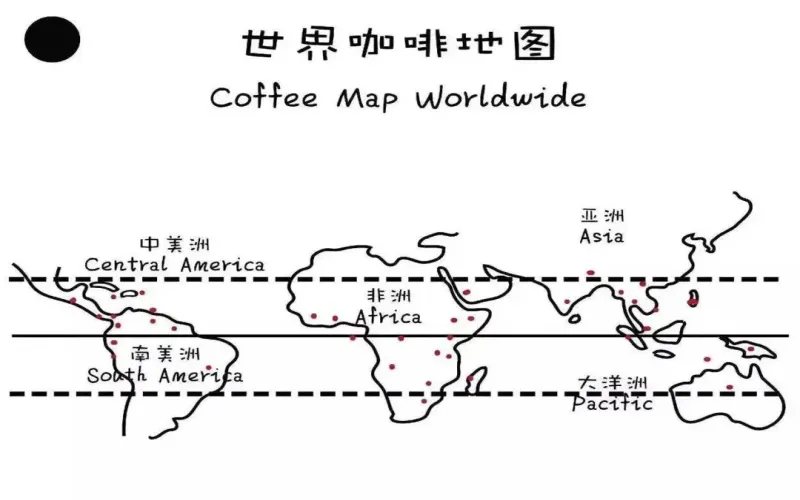
Coffee typically grows within the cultivation belt between the Tropic of Cancer and the Tropic of Capricorn, and the continental United States does not fall within this zone. However, the state of Hawaii, with its unique geography and climate, has successfully produced the world-renowned Kona coffee. The Kona growing region is located on the slopes of the Big Island, with fertile volcanic soil and natural shade, primarily cultivating the Typica variety introduced from Guatemala. Because the hillside terrain prevents mechanized operations, the entire process here relies on manual planting and harvesting, and combined with the Hawaiian mountain spring water used in the washed processing, this creates the bright, clear appearance and pure, gentle flavor of Kona coffee beans. This article will provide a detailed introduction to the geographical conditions, historical context, variety characteristics, and processing methods of the Kona growing region, giving you a comprehensive understanding of this low-latitude yet high-altitude coffee treasure. [more…]
Why Is Hawaiian Kona Coffee So Expensive? Understanding Its Unique Terroir and History in One Article
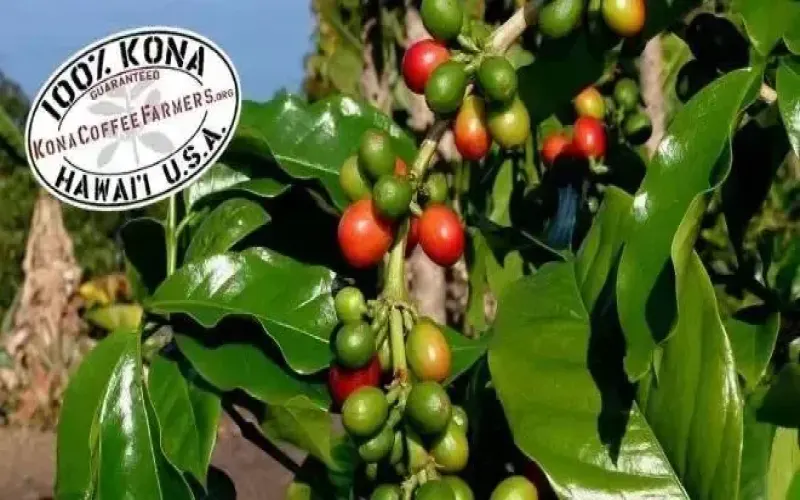
Hawaiian Kona coffee has long been praised as the "Queen of Coffee," sharing equal fame with Jamaican Blue Mountain. Yet its price has always remained high, and behind this lie both exceptional terroir conditions and a winding industrial history. This article starts from the background of coffee cultivation in North America, tracing the entire process of Hawaiian coffee from its introduction in the early 19th century, through pest damage and economic depression, to its eventual fame as the Kona growing region, and analyzes the varietal characteristics, growing region distribution, and reasons for the high price of Kona coffee, helping coffee enthusiasts fully understand the value of this legendary bean. [more…]
Flavor, Grade Classification, and Recommended Famous Brands of Hawaiian Kona Coffee Beans Typica Variety
Kona coffee and Blue Mountain coffee were once known as "one king and one queen," representing the pinnacle of island-style specialty coffee. Although the growing elevation in Hawaii's Kona region is mostly between 200 and 700 meters, unable to reach the 1,200-meter standard often cited for specialty coffee, its unique terroir and strict grading system have kept Kona coffee beans firmly among the top-tier coffees. This article will systematically review the historical origins of Kona coffee, the localization process of the Typica variety, and the five grades of Type 1 standard beans, with a focus on introducing the Queen Estate Extra Fancy-grade Kona coffee selected by FrontStreet Coffee, including its region information, roasting parameters, and brewing suggestions, to give you a comprehensive understanding of this Hawaiian treasure with elegant floral aromas and a smooth mouthfeel. [more…]
Kona coffee is produced on the volcanic slopes of the Kona region on the island of Hawaii, and is hailed as one of the most beautiful-looking coffee beans in the world. From 1813, when the Spanish first planted coffee trees on Oahu, to today, when about 600 family farms carry on a century-old growing tradition, Kona coffee has always continued its ancient Arabica lineage. Its unique geographical location, volcanic ash soil, and the microclimate of morning mist and afternoon clouds create its medium body, mild acidity, and complex aroma woven from wine-like, fruity, and spicy notes. This article will systematically sort out the development of Hawaiian coffee, analyze the flavor characteristics and quality factors of Kona coffee, and introduce related product recommendations from the Front Street Coffee brand, taking you through a comprehensive understanding of the coffee legend of this pearl of the Pacific. [more…]
Low Altitude, Top-Tier Flavor: A Complete Guide to Hawaiian Kona Coffee Beans—Origin, Varieties, and Brewing
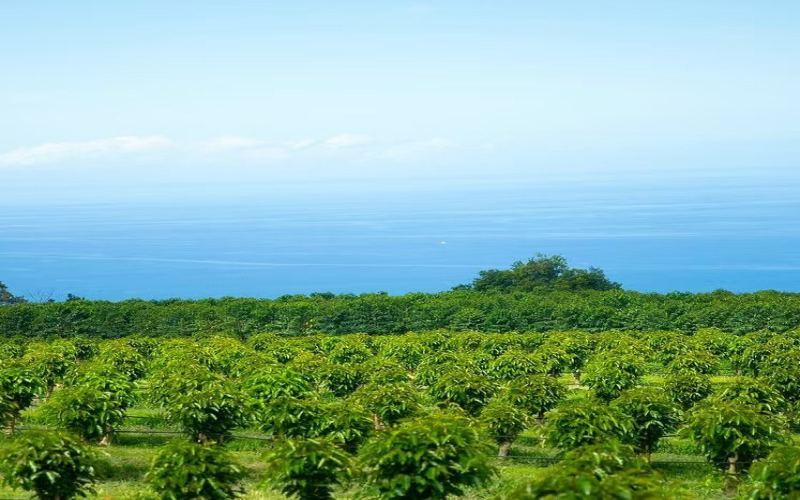
In the world of specialty coffee, high altitude is often regarded as synonymous with superior flavor, but Hawaiian Kona coffee breaks this convention. As the only coffee-producing region in a developed country, Hawaii, with its unique island climate, fertile volcanic soil, and meticulous field management, cultivates Kona coffee, hailed as "the world's most perfect coffee bean." Its beans are plump, with balanced acidity, a mixed aroma of cinnamon spice and fruit, a smooth mouthfeel, and a long finish. This article will systematically review the cultivation history of Hawaiian coffee, the characteristics of each producing region, the traits of the Typica variety, the washed processing method, the Kona bean grading system, and the roasting and brewing parameters for Queen Estate Kona beans recommended by Front Street Coffee, taking you through a comprehensive understanding of the unique charm of this low-altitude coffee queen. [more…]

A Complete Guide to Hawaiian Kona Coffee: From Terroir to a Flavor Comparison with Jamaican Blue Mountain
Hawaii is the only U.S. state that produces coffee, and the Arabica coffee grown in the Kona region of the Big Island is renowned worldwide. This article will guide you through Hawaii's coffee-growing environment, the unique terroir of Kona coffee and its tradition of home cultivation, and take an in-depth look at Queen Farm's specialty Kona beans and recommended roasting approaches. We will also compare Kona with the equally famous Jamaican Blue Mountain coffee, examining their differences in history, growing regions, processing methods, and flavor profiles, to help coffee lovers find the perfect island coffee for themselves. [more…]
The Complete Guide to Hawaiian Kona Coffee: Volcanic Soil Flavor, Grading System, and Comparison of Five Brewing Methods
Hawaii is the only American state that produces coffee. Kona coffee, with its volcanic rock soil, family farming tradition, and unique flavor, stands alongside Jamaica Blue Mountain as a byword for premium coffee. This article begins with the historical origins of Hawaiian coffee and introduces the natural environment of the Kona growing region, its grading system, the Typica variety of Queen's Estate, and Front Street Coffee's roasting recommendations. We have also put together a flavor comparison of five brewing methods—V60, siphon, AeroPress, French press, and KONO dripper—to help you find the extraction method best suited to Kona coffee. [more…]
A Complete Guide to Hawaiian Kona Coffee Beans: Terroir, History, and Grading and Processing Methods Explained
Kona coffee comes from the western coast of the Big Island of Hawaii in the United States. It is as famous as Jamaican Blue Mountain coffee, and together they have long been praised as "one king and one queen." The unique island climate and volcanic soil here allow coffee to grow full and flavorful even at the relatively low elevation of 200 to 800 meters. From coffee first being introduced in 1817, to missionaries promoting large-scale cultivation, to Guatemalan Typica replacing Brazilian varieties, Kona coffee endured pests and waves of industry change before finally achieving its current specialty status. Its green beans are known for their plump, jade-like appearance, and strict grading standards and hand sorting ensure quality. This article will systematically introduce the terroir conditions, historical development, green bean grading, and washed processing method of the Kona producing region, and share Front Street Coffee's roasting and brewing suggestions, giving you a comprehensive understanding of this world-class specialty coffee. [more…]

Hawaiian Kona Coffee Bean Flavor Characteristics and Origins: Why a Low-Altitude Region Became a Specialty Coffee Legend
Altitude is often regarded as an important yardstick for measuring coffee quality, but Hawaiian Kona coffee breaks this conventional wisdom with its actual performance. As the only coffee-producing region located in a developed country, Hawaii relies on its unique island climate, fertile volcanic soil, and meticulous manual management to cultivate exceptional Kona coffee under conditions where the altitude is not particularly prominent. In this article, Front Street Coffee will take you through the introduction history of Kona coffee, help you understand the distribution of Hawaii's various producing regions, analyze the characteristics of the Typica variety, and explain in detail Kona coffee's flavor characteristics, grading system, processing methods, and brewing suggestions, exploring together the charm of this coffee known as the "Queen of Low-Altitude Coffee." [more…]
A Complete Guide to the Characteristics of the Hawaii Kona Coffee Region and Pour-Over Methods
When people think of Hawaii, they first think of sunny beaches and tourism, but this place actually also produces a specialty coffee as famous as Jamaica Blue Mountain — Kona. Hawaii's unique climate and volcanic soil provide an excellent growing environment for varieties such as Typica and Catuai, and Kona coffee is known for its nutty notes, clean fruit acidity, and balanced taste. Through multiple cupping sessions, Front Street Coffee has found that Kona coffee beans are plump and round in appearance, with wine-like acidity and spice notes in the flavor. However, the first appearance of leaf rust has brought pressure of reduced production to the growing region, and prices have also risen accordingly. This article will systematically introduce Kona coffee's origin characteristics, variety advantages, and processing methods, and share Front Street's commonly used three-stage pour-over parameters and technique, helping coffee enthusiasts gain a comprehensive understanding of this island specialty. [more…]
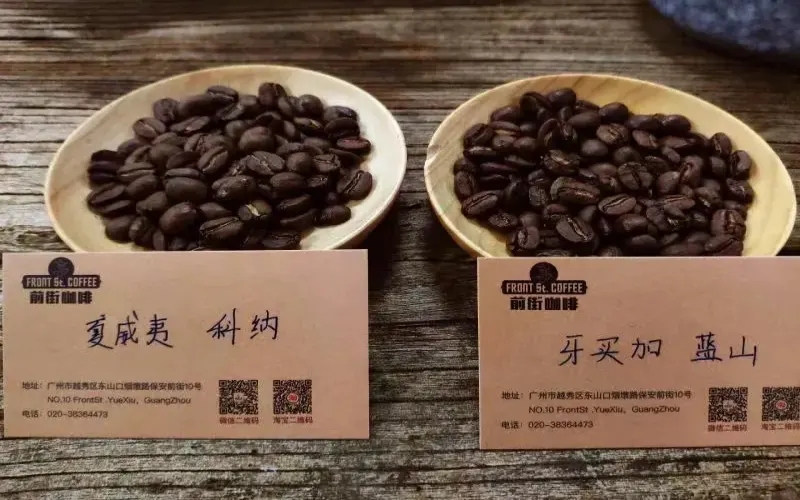
Hawaiian Kona, known as the Queen of Coffee, what coffee bean variety exactly is it?
Among developed Western countries, Hawaii in the United States is an extremely rare coffee-producing region. Blessed by an island climate, it can still cultivate high-quality coffee despite limited elevation. Coffee was once grown on several Hawaiian islands, but after a pest infestation, the Kona region became almost the sole pillar. Kona mainly cultivates Typica, introduced from Guatemala by sugar farmers in 1874. Under the island climate, it exhibits soft acidity and moderate body, and was named "Kona Typica" by locals. After World War II, the Japanese market favored it greatly, and Kona Typica earned the name "Queen of Coffee" for its plump fruit and translucent color. Front Street Coffee recommends paying attention to this legendary region. [more…]
The Legendary Story of Hawaiian Kona Coffee: A Comprehensive Analysis of Variety Characteristics, Growing Conditions, and Flavor
Hawaii is the only U.S. state that produces coffee, and Kona coffee is the crown jewel among them. From the perspective of Front Street Coffee, this article guides you through an overview of Hawaiian coffee, the unique terroir of the Kona region, information on specialty beans from Queen Estate, and Front Street Coffee's roasting recommendations and flavor descriptions. We will also compare Kona with Jamaica Blue Mountain, analyzing their similarities and differences in variety, altitude, processing method, and flavor. Whether you are new to specialty coffee or eager to explore the charm of island coffee, this article will provide you with a complete and professional reference. [more…]
A Comprehensive Guide to Hawaiian Kona Coffee Beans: Regional Grading, Typica Variety, and Brewing Flavor Guide
Hawaiian Kona coffee, with its rich malt sugar aroma and mellow, balanced flavor, has long been favored by coffee lovers and the baristas at Front Street Coffee. However, in 2020, leaf rust appeared in Hawaii for the first time, casting a shadow over the local coffee industry. Coupled with pest outbreaks and reduced rainfall in earlier years, Kona coffee production has remained tight, with prices approaching those of Blue Mountain. This article will systematically sort out the unique qualities of Kona coffee, from producing-region news, historical disasters, Kona's growing conditions, Typica variety characteristics, and washed processing methods, to Front Street Coffee's roasting and brewing parameters, taking you through a comprehensive understanding of the flavor code of this island specialty coffee. [more…]
A Complete Guide to Hawaii's Coffee Regions: From Growing History to Kona Flavor and Specialty Bean Roasting
The Hawaiian Islands lie south of the Tropic of Cancer, and thanks to their volcanic soil and tropical climate, they produce coffee that is recognized worldwide as exceptional. The Kona growing region is the most famous, yet the history of coffee cultivation in Hawaii has been full of ups and downs—from its first introduction in 1825 to infestations of pests and diseases, and then the rise of small estates, spanning nearly two centuries. This article examines the full picture of Hawaiian coffee, from the history of its growing regions and flavor characteristics to the Kona certification system and emerging sub-regions such as Kau, Hamakua, and Puna, and explores how roasters like Front Street Coffee bring out its distinctive charm. [more…]

Coffee Legend on a Volcanic Island: A Full Analysis of the Hawaii Kona Region's Terroir, Typica Variety, and Brewing
Hawaiian Kona coffee is a name that cannot be overlooked on the global specialty coffee map. Although it is not grown at a particularly high elevation, thanks to its volcanic rock soil, gentle sea breezes and meticulous manual craftsmanship, Kona still produces world-class quality coffee beans. Front Street Coffee Hawaiian Kona Coffee is medium-roasted, revealing the sweet aromas of cashew, milk peanut, mulberry and tropical fruit, with a warm, clear body and bright, elegant acidity. This article will comprehensively sort through the origins of Kona coffee, the distribution of producing regions on Maui and the Big Island, the characteristics of the Typica variety, the washed processing method and the grading standards, and will also include Front Street Coffee's cupping data and five brewing methods—Hario V60, siphon, AeroPress, French press and KONO—to take you deeper into this coffee bean hailed as "the most beautiful-looking coffee bean in the world." [more…]