







Why does Kona coffee grow well outside the coffee belt?
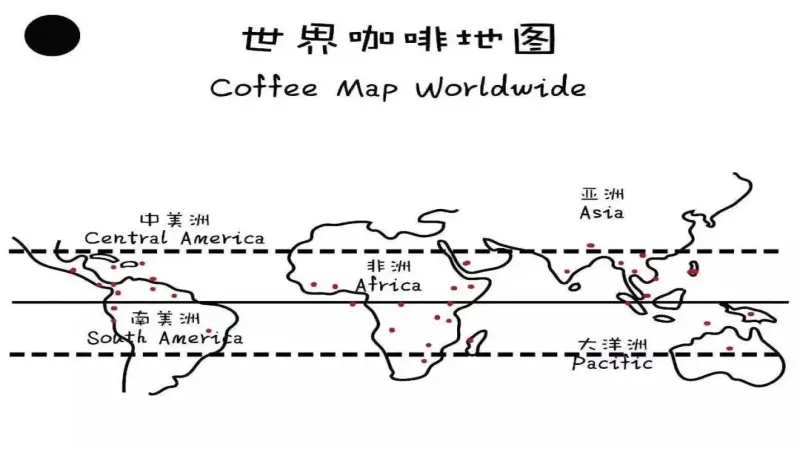
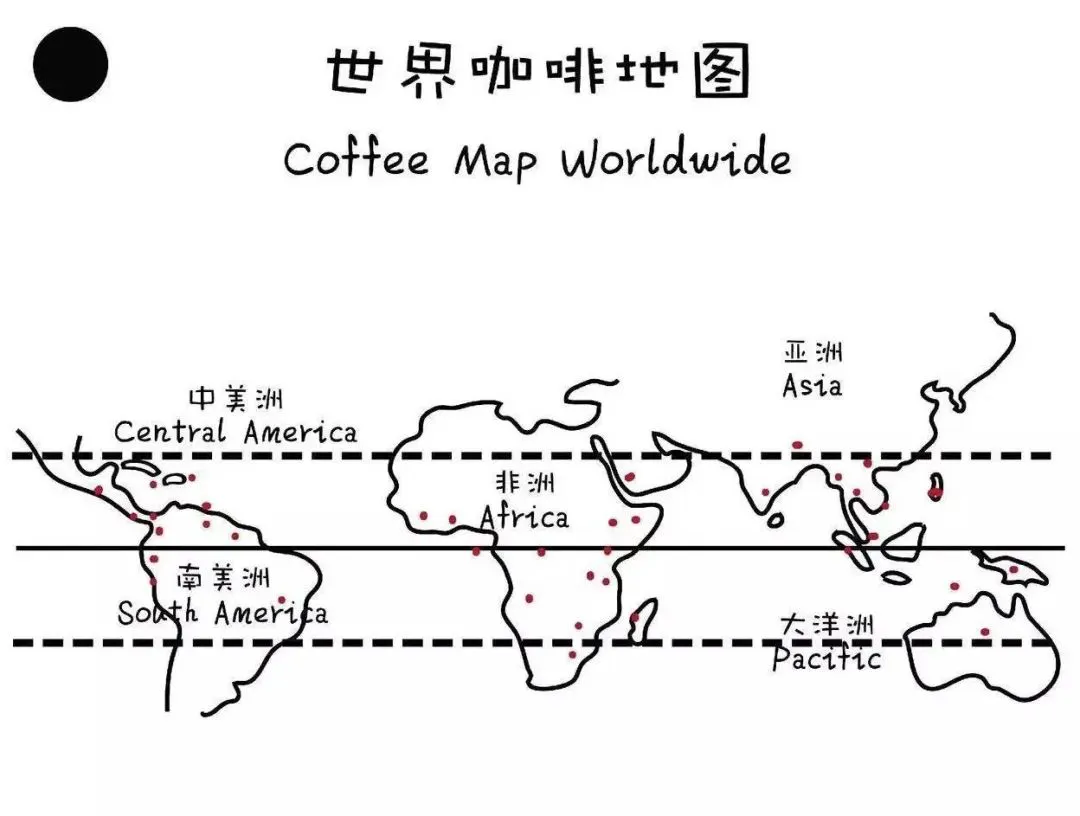
Coffee normally grows between the Tropic of Cancer and the Tropic of Capricorn, and the continental United States sits outside that belt. Hawaii still succeeds because of its geography and climate. The Kona region lies on the slopes of the Big Island, where fertile volcanic soil and natural shade support the Typica variety introduced from Guatemala.
The sloped terrain rules out mechanized operations, so planting and harvesting are done by hand. Wet processing with Hawaiian mountain spring water helps give the beans their bright, clear appearance and pure, gentle flavor. The islands themselves formed through volcanic eruptions, and Hawaii remains the only U.S. island state.
Coffee typically grows within the cultivation belt between the Tropic of Cancer and the Tropic of Capricorn, and the continental United States does not lie within this region. However, the state of Hawaii, with its unique geography and climate, has successfully produced the world-famous Kona coffee. The Kona growing region is located on the slopes of the Big Island, with fertile volcanic soil and natural shade, and mainly cultivates the Typica variety introduced from Guatemala. Because the sloped terrain makes mechanized operations impossible, the entire process relies on manual planting and harvesting. Combined with the use of Hawaiian mountain spring water in wet processing, this creates the bright, clear appearance and pure, gentle flavor of Kona coffee beans. This article will introduce in detail the geographical conditions, historical development, variety characteristics, and processing methods of the Kona region, giving you a comprehensive understanding of this low-latitude yet high-altitude coffee treasure.
Coffee trees are usually grown in the equatorial region between the Tropic of Cancer and the Tropic of Capricorn, an area known as the coffee belt. The continental United States is not within this range, and its climate conditions are not favorable for coffee cultivation. However, some U.S. states have still managed to grow coffee successfully thanks to special environmental conditions, with Hawaii and California being notable examples.
Hawaii is the only island state in the United States, made up of 8 major islands and 124 small islands in the central Pacific, 3,700 kilometers from the continental United States.
The Hawaiian Islands were formed by volcanic eruptions. Among them, the island of Hawaii is the largest and still has 2 active volcanoes, with forest coverage of nearly 50%. It has a tropical maritime climate, influenced by monsoons year-round, with temperatures generally maintained between 26°C and 31°C. There is little temperature variation and no obvious seasonal division. February and March are the coolest, while August and September are the hottest.
Tourism and agriculture are the two main industries of Hawaii, and agriculture is an important pillar of the local economy. Major agricultural products include sugarcane, pineapple, coffee, and bananas.
According to historical records, in the early 19th century, the first coffee trees were introduced to Oahu; by the late 1820s, the Bourbon variety was brought to the Big Island of Hawaii; over the following decade, the first estates centered on coffee cultivation were established one after another.
In the early period, Hawaii's coffee production was considerable. When Brazil's coffee production declined due to frost, Hawaii's output once climbed to a peak of 6,803 tons. At the end of the 20th century, as sugarcane and pineapple cultivation shrank and the specialty coffee wave rose, Hawaiian coffee gradually moved toward the market. However, constrained both by U.S. labor and wage regulations and by the limited amount of available farmland, Hawaii's coffee supply has always remained small.
The most famous growing region in Hawaii is Kona. Kona's coffee production is higher than that of other islands, and its reputation is greater as well, so the Kona growing area is called the Kona Coffee Belt. Only coffee produced within the designated area is eligible to bear the name "Kona."
In Kona, coffee trees are mainly planted on the slopes of two volcanoes, Hualalai and Mauna Loa. The volcanic soil here is fertile, and natural shade conditions are excellent. Because the sloped terrain limits mechanized operations, coffee farmers can only rely on manual labor for planting and harvesting.
The processing method is mainly wet processing. Hawaii's clear, sweet mountain spring water provides uniquely favorable conditions for the wet processing of Kona coffee beans, and it is precisely for this reason that Kona coffee beans have a bright, clear appearance and a pure, refreshing taste.
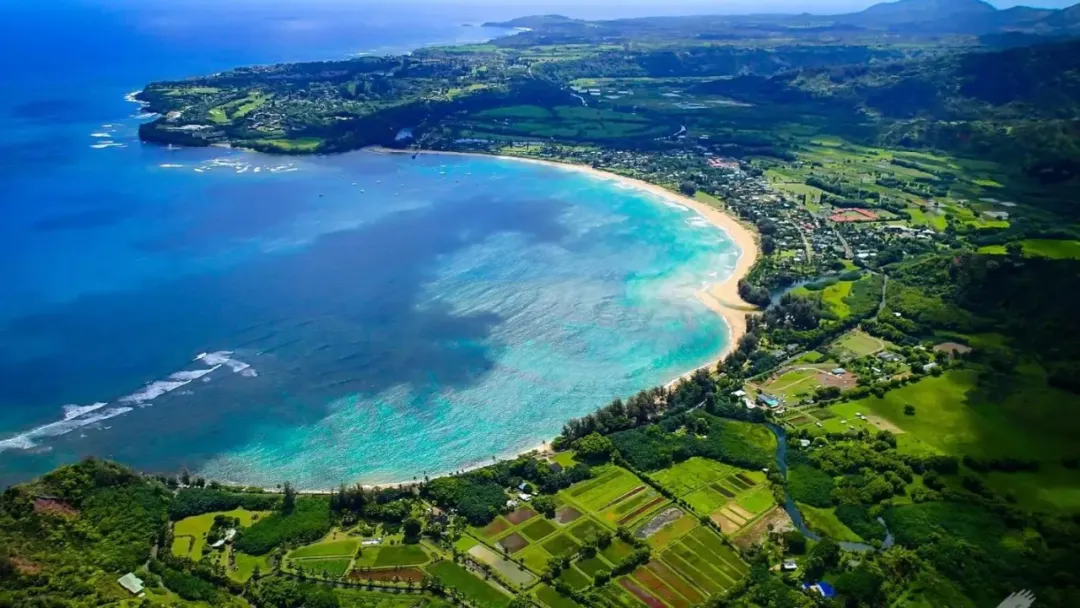
At present, the Kona growing region mainly cultivates the Typica variety. Kona Typica was introduced from Guatemala in the 1890s, has larger beans, and is grown at elevations between 600 and 1,100 meters. Compared with other coffee-producing countries, this elevation is on the low side, but on the island of Hawaii, Kona already counts as a high-altitude area.
Some people have tried to transplant Kona Typica to other islands, but because those islands have higher temperatures and lower elevations, Typica struggles to grow normally, so it is impossible to replicate the soft acidity and aroma unique to the Kona region.
The above content is compiled by CoffeeHunters, a coffee news website.


