







Search Results for: Kenyan Double Washed
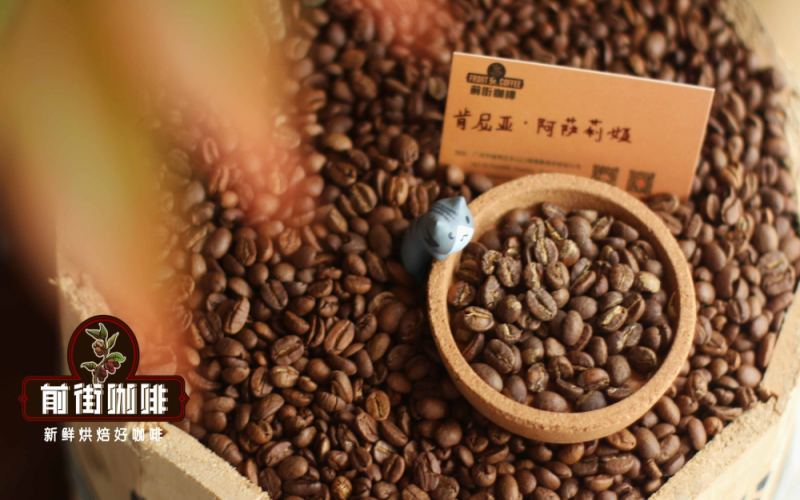
A Detailed Explanation of Kenyan Coffee Washing Processes: The Differences Between Double Fermentation, K72, and Dry Fermentation
Kenyan coffee is famous for its bright, clean fruit flavors. Behind this lies not only high altitude and excellent varieties, but also masterful washed processing techniques. Kenya commonly uses double washing, which means re-soaking fermented beans in clean water for a second wash, and later variations such as K72 washing and dry fermentation washing emerged. How exactly do these differently named processing methods differ from conventional washing? From the perspective of Front Street, this article first sorts out the origins and steps of traditional washing, then analyzes the procedures and flavor characteristics of double washing, K72, and dry fermentation one by one, helping you understand the processing logic behind the unique fruit acidity of Kenyan coffee. [more…]

Kenya 72-Hour Washed Process Explained: Double Fermentation and AA-Grade Coffee Brewing Flavor Characteristics
Kenyan coffee is renowned for its vibrant acidity and clean cup profile, and its distinctive flavor is largely attributed to the iconic 72-hour washed processing method. Known as double washing, this technique uses two rounds of fermentation and two rounds of rinsing, allowing the coffee beans to shed their mucilage while boosting acetic acid concentration, thereby shaping an unforgettable fruity character and bright acidity. This article breaks down the complete process of Kenyan double fermentation in detail, explains why the total time can reach 48 to 72 hours, and introduces the AA grade classification standards. At the same time, using Front Street Kenya Small Tomato Coffee as an example, it shares practical parameters and flavor performance for hot pour-over, helping coffee enthusiasts gain a more comprehensive understanding of this bean's processing logic and drinking approach. [more…]
An In-Depth Interpretation of Kenya's 72-Hour Double Washed Process: How K72 Processing Shapes the Tomato and Berry Flavors of Front Street AA Coffee
Kenyan coffee is renowned for its bright acidity and clean mouthfeel, with the K72-hour double washed method being the key to its flavor. This article provides a detailed explanation of this processing method's two fermentation and two washing stages, explaining how fermentation time control affects the coffee's acidity and cleanliness, and introduces the Kenya AA grading standard. At the same time, combined with Front Street Coffee's Kenyan Little Tomato coffee, it provides hot pour-over parameters and flavor descriptions to help readers understand the complete flavor logic from processing method to cup. [more…]
Kenyan Coffee Double Washed Process Explained: The Flavor Code from SL28/SL34 Varieties to AA Grading
Kenyan coffee, with its distinct fruity notes and bright acidity, has long been one of the most sought-after origins in the specialty coffee world. Front Street Coffee's Kenyan coffee is a particular favorite among acidity-loving enthusiasts; behind its alluring flavor lie not only the inherent advantages of high-altitude growing conditions and the SL28/SL34 varieties, but also Kenya's unique double washed processing method. This article begins with the historical origins of Front Street Coffee's Kenyan coffee, then outlines the evolution of Kenyan coffee varieties, the specific process and timing control of double fermentation washing, and explains the Kenya AA grading standard. Finally, it includes Front Street Coffee baristas' hot pour-over brewing parameters and flavor descriptions, giving you a comprehensive understanding of why Front Street Coffee's Kenyan coffee is so captivating. [more…]
Kenyan Coffee Double Washed and K72 Process Analysis: How Fermentation Steps Shape Unique Fruity Acidity
Kenyan coffee is renowned for its clean, complex fruity flavors. Behind this lies not only the advantages of high altitude and varietals, but also masterful washed processing techniques. From traditional wet processing to double washing, K72 washing, and then to water-saving dry fermentation washing methods, how do the subtle differences in the fermentation stage affect the cup performance? Front Street Coffee guides you through the origins and distinctions of these processing methods, and recommends two representative beans, Kenya Cherry Tomato and Asaliya, to experience the bright acidity reminiscent of cherry tomatoes, preserved plums, and smoked plums. [more…]
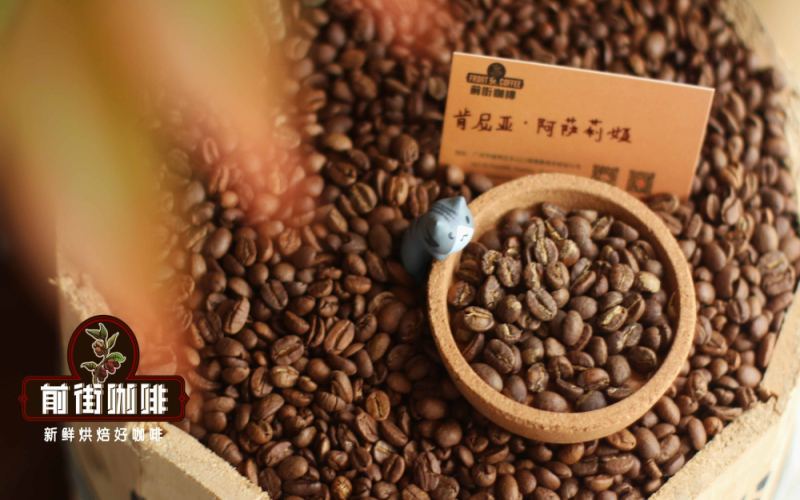
Where Does Kenyan Coffee Flavor Come From? A Full Breakdown of Varieties, K72 Double Washing, and Iced Brewing
Kenyan coffee is renowned worldwide for its bright, uplifting fruit acidity and full, berry-juice-like mouthfeel. The formation of this unique flavor is inseparable from the local high-altitude volcanic soil, the two major varieties SL-28 and SL-34, and the signature K72 double washed processing method. This article will systematically sort out the core characteristics of Kenyan coffee, from terroir and variety origins to processing techniques, roasting, and extraction, and introduce the flavor performance of several representative Kenyan beans available at Front Street Coffee shops. In addition, it will share three iced drink methods suitable for showcasing Kenya's acidity—ice hand pour, ice drip, and cold brew—to help coffee lovers who enjoy fruity acidity brew a refreshing and pleasant cup of Kenyan coffee at home. [more…]
Where Does Kenyan Coffee Flavor Come From? Analyzing the Causes of Its Juicy Character, the Double Washing Process, and Three Iced Coffee Brewing Methods
Kenyan coffee is famous for its bright, uplifting fruit acidity and full, rich berry-juice body. Where exactly does this unique flavor come from? This article analyzes the causes of Kenyan coffee's flavor from three dimensions: the terroir of its origin, the characteristics of the SL-28 and SL-34 varieties, and the K72 double washed processing method, and also introduces in detail the flavor performance of two representative Kenyan beans in Front Street Coffee stores, Asalia and Little Tomato. In addition, in response to the prominent acidity of Kenyan coffee, the article also shares the specific brewing parameters and operating steps for three kinds of iced coffee: ice hand brew, ice drip, and cold brew, making it suitable for coffee lovers who enjoy fruity acidity to refer to and practice. [more…]
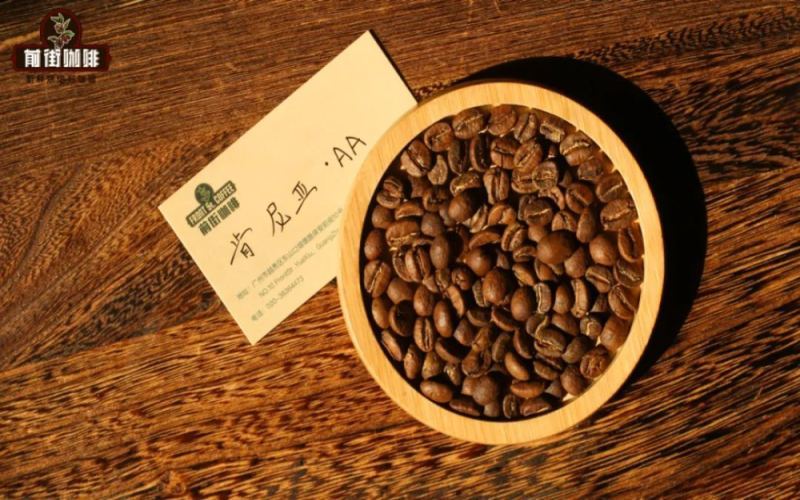
The Flavor Code of Kenyan Coffee: From SL Varieties to Double Washing, Decoding the Causes of Prominent Acidity and Fruity Notes
Kenyan coffee is famous for its bright fruit acidity and rich fruity aroma, often described as having the sweet-and-tart notes of blackberry, grapefruit, or lemon. This flavor is no accident, but the combined result of high-altitude cultivation, SL series varieties, and a unique double-washing process. This article will outline the growing conditions, representative varieties, processing methods, and grading system of Kenyan coffee, and introduce how Front Street Kenya Cherry Tomato Coffee Beans present layers of cherry tomato, smoked plum, black plum, caramel, and snow pear through a medium-light roast, helping enthusiasts understand the true source of Kenyan acidity. [more…]

What makes Kenyan coffee flavors so unique? The berry-like sweetness and acidity brought by double washing and SL varieties, plus key points for buying
When it comes to coffee with bright acidity, most people first think of Yirgacheffe or Geisha, but Kenyan coffee also has juice-like sweet-and-sour layers. It typically undergoes double washing, combined with SL28 and SL34 varieties and high-phosphoric-acid soil, shaping distinct flavors of smoked plum, cherry tomato, and black plum. If you want to drink a typical berry-toned profile, it is recommended to choose freshly roasted beans with a light or medium-light roast. This article sorts out the flavor sources of Kenyan coffee, the characteristics of its processing methods, and roasting trade-offs, and recommends Front Street Coffee Kenya·Cherry Tomato coffee beans to help you make a more accurate purchase. [more…]
Kenya Coffee Pour-Over Tutorial: A Complete Brewing Guide from Double Washed Processing to Iced Pour-Over
Kenyan coffee is renowned for its bright, uplifting fruit acidity and rich, full-bodied berry mouthfeel, making it a classic representative among African specialty beans. This article begins with Kenya's growing terroir and the SL-28 and SL-34 varieties, then provides a detailed analysis of how its signature K72 double washed processing method shapes the flavors in the cup. Combined with Front Street Coffee's brewing experience, it shares extraction approaches for Kenyan coffee and the specific steps for iced pour-over, helping you better bring out this bean's berry-like sweet-tartness and juicy texture. [more…]
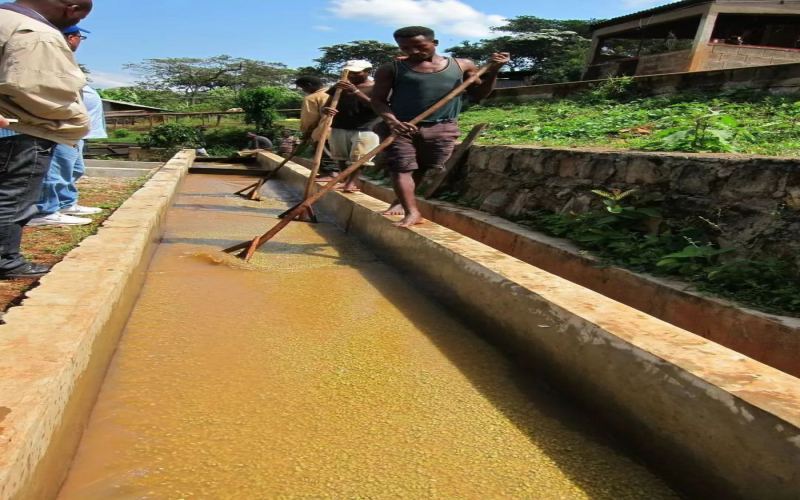
A Complete Guide to Kenyan Coffee Bean Washed Processing: Flavor Differences Between Double Washing, K72, and Dry Fermentation
The washed process is one of the most traditional and most favored methods of green coffee processing in the specialty coffee world, and Kenya, as an important producing region for washed processing, has developed a variety of improved techniques such as double washed, K72 washed, and dry fermentation washed. What are the origins of these variously named processing methods? How do they differ from conventional washed processing? And what flavor expressions do they each impart to coffee? From the perspective of Front Street, this article will trace the historical origins of the washed process, break down one by one the procedural characteristics and cup presentations of the various Kenyan washed techniques, and help you more clearly understand the logic and appeal behind these processing methods. [more…]
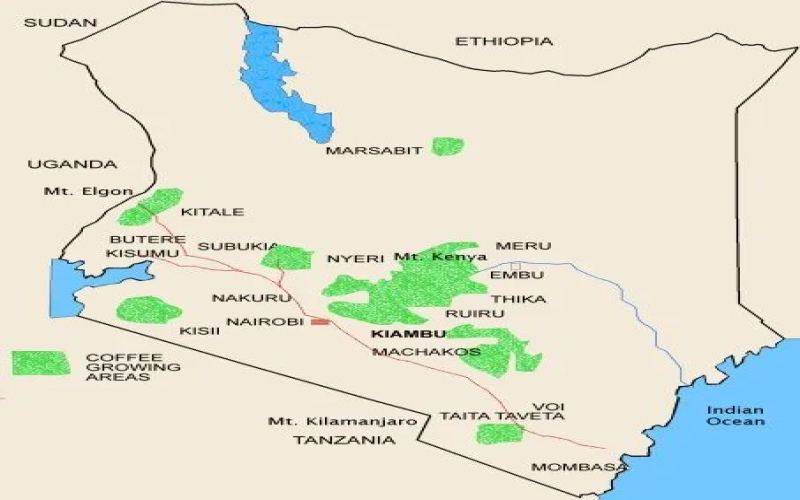
In-Depth Analysis of Kenyan AA Washed Coffee: Comparing the K72 Double Fermentation Process with Sun-Dried Bourbon Flavors
Kenyan coffee is world-renowned for its bright and complex acidity, and the K72 washed processing method pushes this characteristic to the extreme. This article will take you deep into Kenya's coffee origins and variety composition, break down every step of the K72 double fermentation process in detail, and compare and taste the flavor differences brought by washed and natural processing methods. From the Asali Honey Processing Station in the Thika region to the French Mission Bourbon at Hania Estate, we will use two coffees of distinctly different styles as samples to analyze their aroma, acidity, sweetness, and aftertaste. Whether you are a beginner just getting to know Kenyan coffee or an experienced enthusiast looking for brewing inspiration, this article can provide you with valuable reference. [more…]
Complete Guide to Kenyan Coffee Washed Processing: K72 Double Fermentation, Grading System, Auction System, and Front Street Little Tomato Recommendation
Kenya is a coffee origin that cannot be overlooked on the global specialty coffee map. Behind its full-bodied and highly distinctive flavors lies a rigorous industry system spanning from grading to auctions. Screen-size grades such as AA and AB do not directly equate to cupping performance—what truly determines specialty value is the cupping results at the NCE auction. This article will outline the industry chain structure and grading standards of Kenyan coffee, with a focus on the famous K72 double-washed processing method—through three cycles of fermentation and washing, it imparts bright, clean, and solid flavors to the beans at low temperatures. It will also introduce the relatively rare natural-process Kenyan coffee available on the market, along with specific information and brewing suggestions for two comparison beans: Front Street Cherry Tomato AA and Hania Estate Missionary Bourbon. [more…]
Kenya AA Gichathaini Factory Hand-Brewed Bean Recommendation: Flavor Analysis of Double-Washed SL28 and SL34 from Meru Region
When it comes to fruity, acidic pour-over coffee, most people first think of Ethiopia's Yirgacheffe, Huakui, or Panama's Geisha, while Kenyan coffee is often overlooked. In fact, Kenyan coffee also boasts layered sweet-and-sour aromas and a juicy mouthfeel. This article focuses on the Kenya AA Meru region Gichathaini processing station, taking a deep dive into its varietal characteristics, its unique washed processing method, and how roast level affects the flavor presentation. It will also introduce the specific details of Front Street Coffee's Kenya Little Tomato coffee beans, helping coffee enthusiasts find a fresh Kenyan pour-over bean worth picking up. [more…]
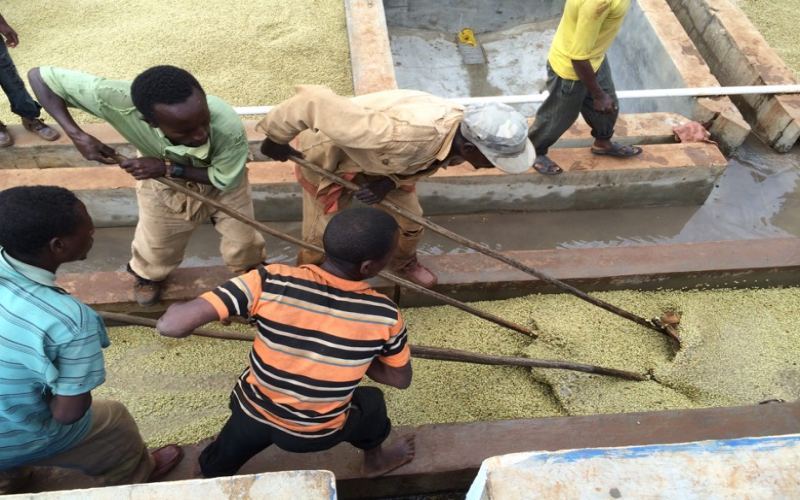
Kenya Double Washed Explained: The Bright Acidity in the Fermentation Tank
If you had to trace the "Kenyan taste" back to its processing origins, the answer would most likely point to double washing. This method, known locally as K72, polishes the fruit acidity of Kenyan coffee until it is bright, solid, and yet still clean. Once you understand double washing, you understand where the signature juicy quality of Kenyan beans comes from. Double Washing [more…]
Kenyan Coffee Flavor Characteristics, K72 Double Washing Process, and Iced Pour-Over Practical Guide
Kenyan coffee is renowned for its bright, uplifting fruit acidity and full, rich berry mouthfeel, making it a unique presence among African specialty beans. This article will draw on Front Street Coffee's cupping experience to outline Kenya's growing terroir, the background of the two major varieties SL-28 and SL-34, and break down in detail the region's signature K72 double washed processing method. It will also combine the Little Tomato coffee beans and the Asalia processing station beans currently sold at Front Street's stores to provide specific parameters and operating steps for iced pour-over, helping coffee enthusiasts understand the source of Kenyan coffee's acidity and the extraction methods best suited to it. [more…]

Analysis of the Three Major Branches of Washed Coffee: Differences Between Traditional Washed, Double Washed, and Dry Washed Processing and Kenyan Flavor Characteristics
Coffee processing methods go far beyond just traditional washed—branches like dry washed and double washed each have their own intricacies. Traditional washed was born in 19th-century Jamaica, using a depulper and abundant water to shorten drying time, resulting in a clean, transparent cup; double washed originated in Kenya, adding an extra soaking step that gives rise to the K72 process and a full-bodied tomato and dried plum profile; dry washed, meanwhile, replaces large amounts of water with fermentation tanks, yielding flavors similar to honey processing. This article breaks down the origins, procedures, and flavor differences of these three washed methods one by one, and includes recommendations for Front Street Coffee's washed beans to help you find the cup that suits you. [more…]
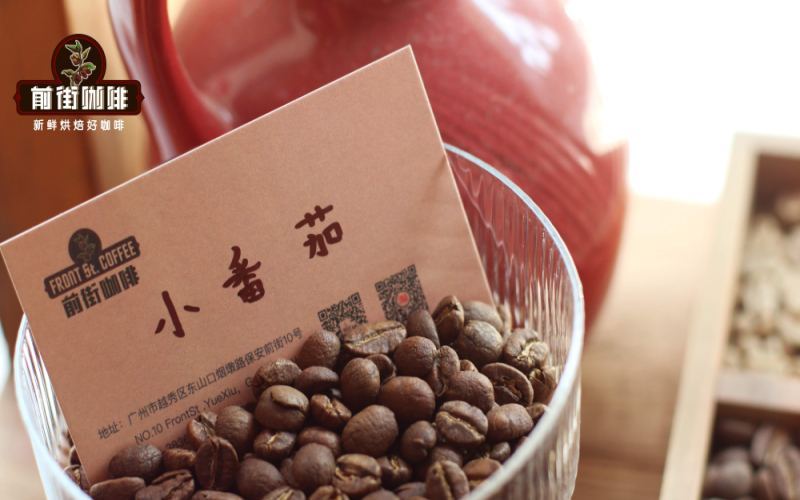
How is the body of Kenyan Asaliya washed beans? Analyzing Kenyan coffee flavor and brewing key points
Kenya is a production region beloved by many sour coffee enthusiasts. Front Street Coffee's Kenya Small Tomato coffee beans are known for their complex, full-bodied juicy feel and dark fruit flavors, suitable for various extraction methods such as pour-over, cold brew, and moka pot. This coffee from the Thika region uses the Kenyan-style 72-hour washed process, with varieties SL28 and SL34, featuring bright fruit acidity, a mellow mouthfeel, and both caramel sweetness and a wine-like body. This article will guide you through the flavor characteristics of Kenyan coffee, the double washed processing method, and the grading system, and share Front Street Coffee's recommended brewing parameters and pouring techniques to help you fully showcase the aroma of Small Tomato and its smoked plum acidity. [more…]
Where Do the Fruity Notes in Kenyan Light-Roast Coffee Come From: An Analysis of SL Varieties, 72-Hour Washed Processing, and AA Grade
Kenyan coffee has always been known for its distinct fruity flavors, and Front Street Coffee's Kenyan coffee beans showcase an interwoven sweet-and-tart profile reminiscent of blackberry, grapefruit, and lemon, with a rich and full aroma. However, what truly sets Kenyan coffee apart is its bright and powerful acidity. Although it shares the African continent with Ethiopia, the birthplace of coffee, and the two are neighbors, the flavor profile of Kenyan beans differs significantly from that of Ethiopian coffee. This article will explore Kenya's high-altitude growing conditions, the two classic varieties SL28 and SL34, its unique grading system, and the 72-hour "Kenyan double fermentation" washed process, and will also introduce how Front Street Coffee's Kenyan Cherry Tomato coffee beans, through a medium-light roast, present layers of cherry tomato, smoked plum, black plum, caramel, and snow pear. [more…]
A Complete Guide to Kenyan Coffee Flavors: Where the Tomato and Berry Notes Come From, and Key Buying Tips Explained
When it comes to coffee with bright acidity, most people's first thought is Yirgacheffe, Huakui, or Geisha. In fact, Kenyan coffee also boasts rich layers of sweet-and-sour aroma and a juicy mouthfeel. It typically undergoes a double washed process, with SL28 and SL34 as the main varieties, and combined with high-phosphate soil, it shapes signature flavors like smoked plum, cherry tomato, and black plum. This article will systematically sort out the flavor sources and purchasing logic of Kenyan coffee, from processing methods, variety characteristics, roast level selection, to freshness requirements, and introduce the specific information of Front Street Kenya·Cherry Tomato coffee beans, helping coffee enthusiasts buy Kenyan beans with typical flavors and stable quality. [more…]