







Do coffee bean grades like AA and AB decide cup quality?
Kenya's coffee bean grades such as AA and AB are based on screen size, and they do not directly reflect flavor quality. What determines a lot's value is cupping performance at the Nairobi Coffee Exchange, where auctions run every two weeks on Tuesdays. The K72 double washed method, with three fermentation and washing cycles, gives Kenyan beans their bright, clean profile.
Growing areas sit between 1,500 and 2,100 meters, with two harvests a year and about seven inspection rounds to pick only ripe cherries. Market agents deliver green bean samples to the exchange twelve days before each auction, letting buyers cup and select lots. Hundreds of lots, sometimes over a thousand, are traded from 9:30 a.m. until around 4 or 5 p.m.
Kenya is a coffee origin that cannot be overlooked on the global specialty coffee map. Behind its full-bodied and highly distinctive flavors lies a rigorous industry system spanning from grading to auctions. Size grades such as AA and AB do not directly equate to cupping performance; what truly determines a specialty coffee's value is the cupping results at the NCE auction. This article will outline the industry chain structure and grading standards of Kenyan coffee, with a focus on explaining the famous K72 double washed processing method—through three cycles of fermentation and washing, it imparts a bright, clean, and substantial flavor to the beans at low temperatures. It will also introduce the relatively rare natural-process Kenyan coffee available on the market, as well as specific information and brewing suggestions for two comparative bean lots: Front Street Cherry Tomato AA and Chania Estate French Mission Bourbon.
As a highly representative coffee-producing country in East Africa, Kenya occupies a pivotal position in the world of specialty coffee. The coffee produced here has rich flavors and distinct character, and its trading system has also developed into a quite mature and detailed framework. The size grades of coffee beans, such as AA and AB based on screen size, actually do not directly correspond to flavor quality; what truly determines the value of a lot is the cupping performance of auction batches organized by the Kenya Coffee Board. For this reason, the transaction prices of specialty Kenyan coffee at auctions have always remained firm. Kenya's coffee-growing regions are mostly distributed between 1,500 and 2,100 meters above sea level, with two harvest seasons each year. To ensure only fully ripe cherries are picked, workers must repeatedly patrol the coffee groves, making roughly seven inspection rounds in total.
The Nairobi Coffee Exchange (NCE) is the primary trading venue for Kenyan coffee. Auctions are currently held once every two weeks, concentrated on Tuesdays. Twelve days before the auction begins, market agents deliver green bean samples to the NCE for display, giving buyers ample time to select target lots and arrange cupping sessions. Each auction typically involves hundreds of lots, sometimes even more than a thousand, with the entire process running from 9:30 a.m. until around 4 or 5 p.m., with almost no pause in between. Dozens of buyers on the floor flip through green bean catalogs while placing bids, all the while continuously recording the final transaction price of each lot.
At present, the operation of Kenya's coffee industry chain is roughly as follows: after coffee farmers complete the harvest, they send the cherries to washing stations, where preliminary density grading is first carried out; the beans are then handed over to market agents, and at the washing station stage they have already been classified by screen size into the familiar grades of AA, AB, PB, C, and so on. Next, green bean samples are sent to the NCE to participate in the auction and be entered into the catalog. At the auction, buyers bid on lots that meet their needs, and the beans from successful transactions are ultimately exported overseas. From this, it can be seen that the NCE occupies a midstream position in the entire industry chain, with its core function being to provide an auction platform.
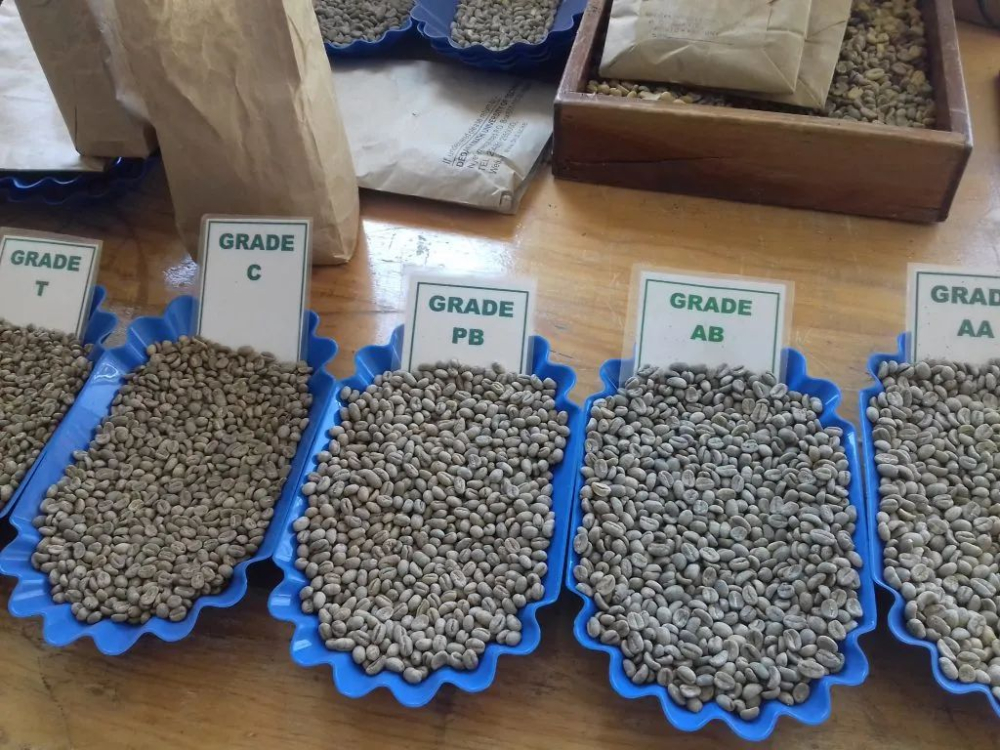
Kenyan Coffee Bean Grades AA Plus (AA+): AA grade with exceptionally outstanding cup quality (flavor, mouthfeel). AA Screen Size: 17-18 mesh. AB Screen Size: 15-16 mesh, accounting for the majority of production. C Screen Size: smaller than AB. TT: Lightweight beans blown out from AA and AB grade beans by an airflow sorter. T: Lightweight beans blown out from C grade beans by an airflow sorter. E Elephant Bean: Large mutated beans formed by two beans fused together, also known as elephant ear. PB Peaberry: Classified by appearance, unrelated to flavor or weight.
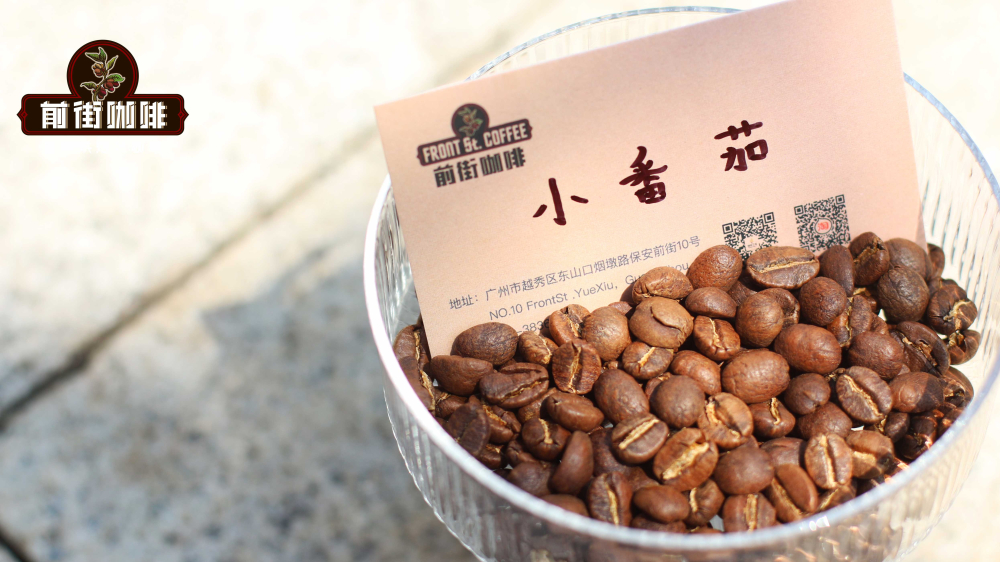
Front Street Cherry Tomato Coffee is selected from Kenya's Thika region, AA grade, and uses the locally common double washed processing.
Kenyan Coffee Double Washed Processing Method
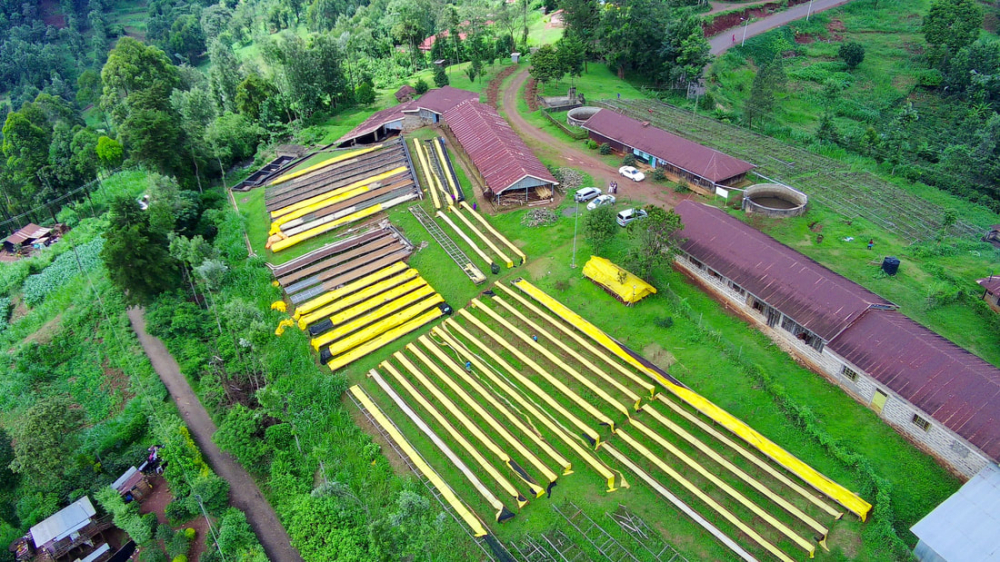
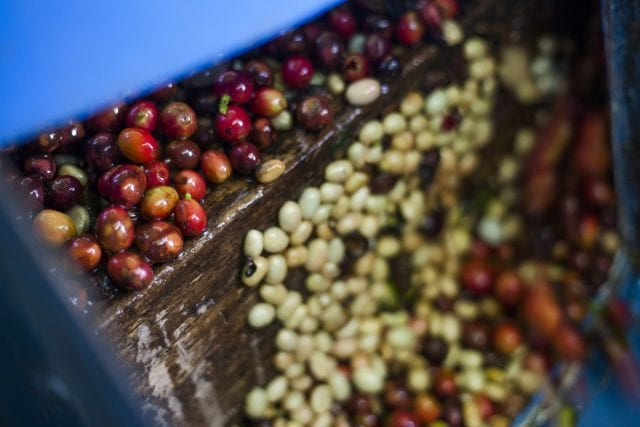
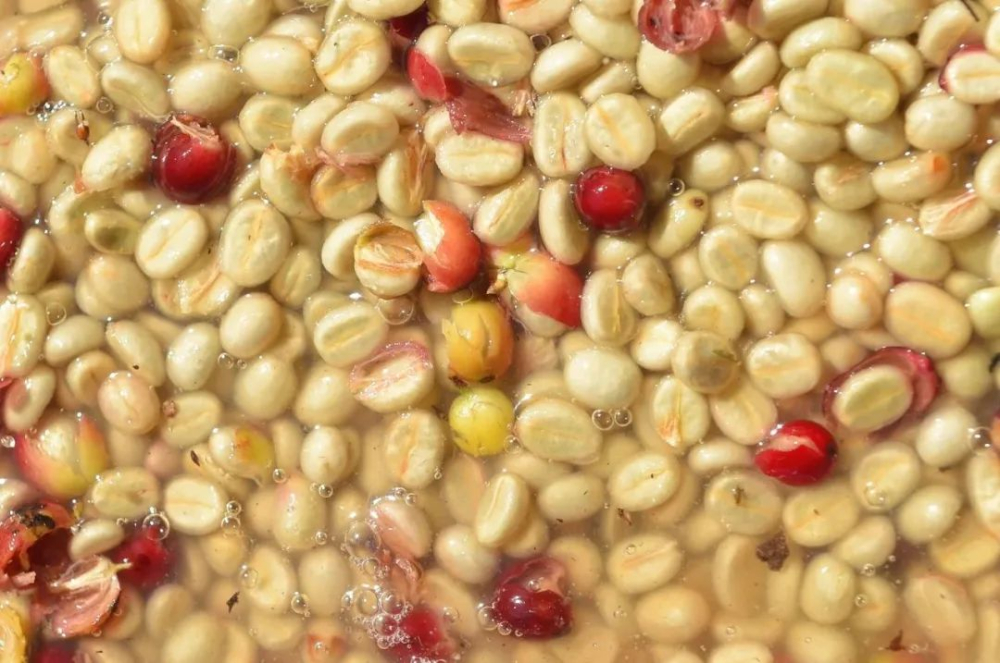
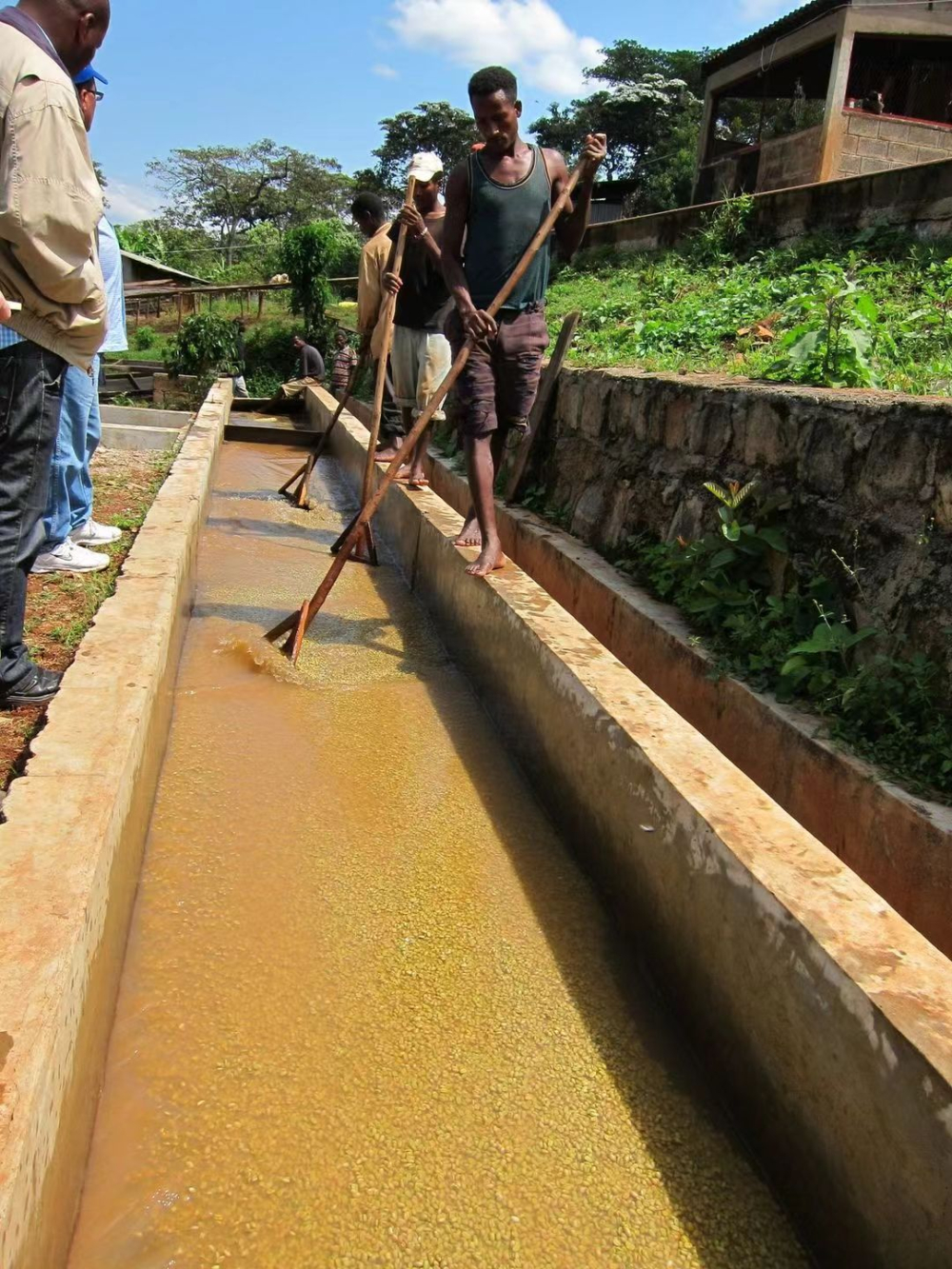
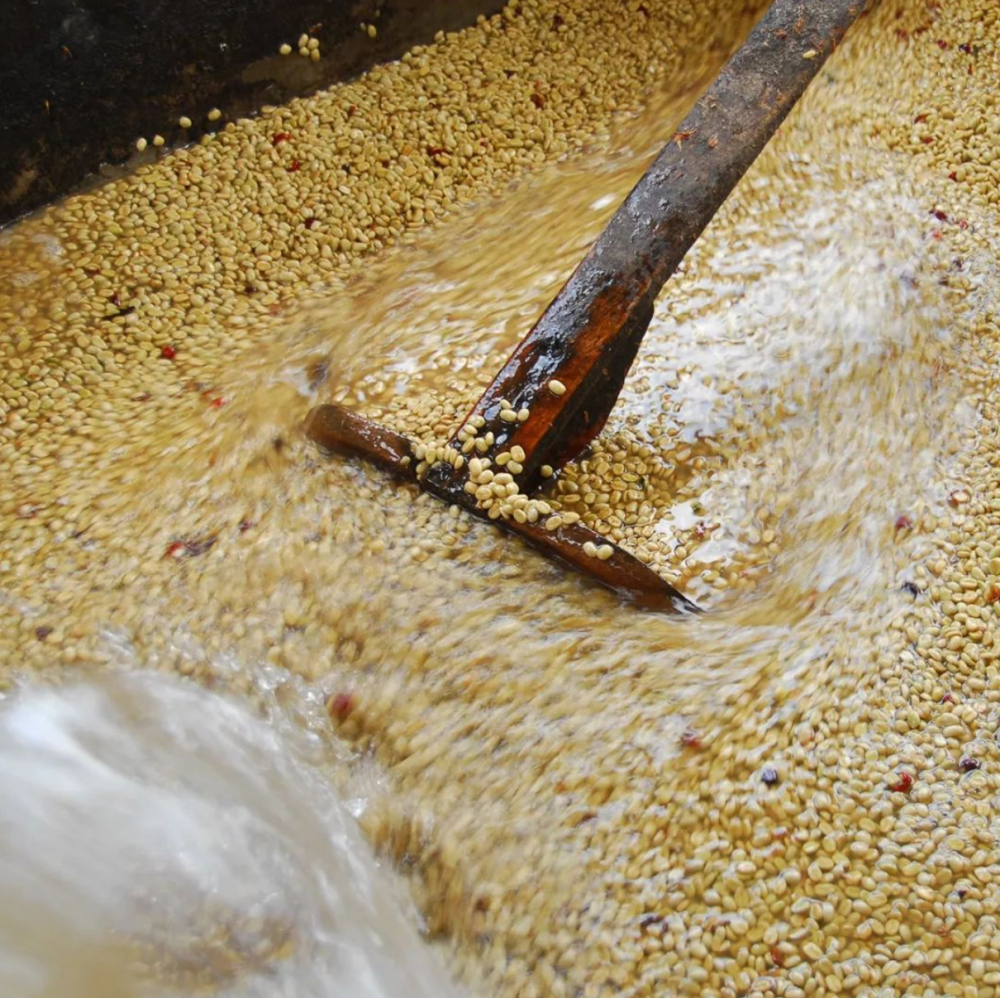
The Kenyan washing method adopts a cyclic processing approach that alternates fermentation and washing. On the day of harvest, the highest-quality coffee cherries must be selected, then pulped and entered into fermentation, with the first fermentation lasting 24 hours; after completion, they are rinsed clean with clean river water, then subjected to a second 24-hour fermentation using the same river water, followed by another washing. This cycle is repeated three times, for a total duration of 72 hours, which is why this process is called the Kenyan-style 72-hour fermentation washed method, or K72. Under this processing, the coffee beans undergo a long, low-temperature fermentation, ultimately presenting a brighter, cleaner flavor that still retains fullness.
I brewed a cup of Kenya Honey Processing Factory Asali to try, and what greeted the nose was an intense tomato aroma and berry notes. The amplitude between acidity and sweetness was quite large, with a refreshing finish and sweet aftertaste, along with a hint of blackcurrant in the aftertaste. This lot opens with acidity and closes with sweetness, making it one of the coffees that this editor personally enjoys very much. Kenyan Natural-Process Beans
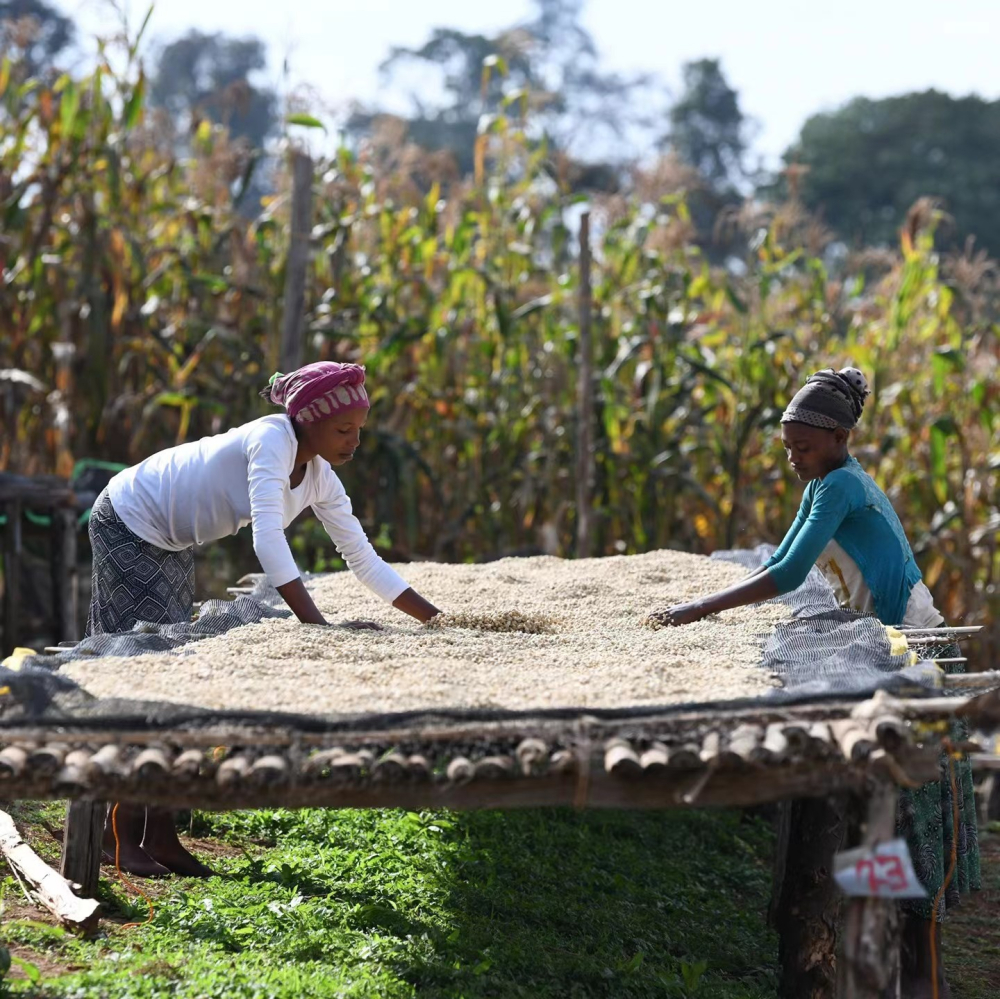
Now let's look at Kenyan coffee processed using the traditional natural method. Natural-process Kenyan coffee is not particularly common on the market. The reason may be that Kenyan-style washed coffee is simply too outstanding in quality, and in addition, the loss rate and labor costs of natural processing itself are relatively high, so this type of bean is usually only seen in special custom programs by certain green bean merchants. This lot was processed using the natural method. During the meticulous sun-drying process, the Bourbon coffee—originally rich in varied acidity—was given a more substantial body and sweetness. This natural batch has limited production and is a coffee that depends entirely on favorable weather.
The variety of this lot is French Mission Bourbon. Around 1892 to 1893, French missionaries introduced the Bourbon variety to Kenya for cultivation, and this native Bourbon is called French Mission Varietal. It underwent no scientific improvement during cultivation, thus preserving the most original flavor characteristics of Bourbon.
This coffee was not graded according to Kenya's grading standards, presumably because it belongs to a micro-lot. However, its defect rate is on the high side, and the bean appearance is not particularly attractive either. The shortcomings of the traditional natural method cause this lot to lose quite a few points in appearance. So how does it actually taste? Let's brew a cup and see.
Surprisingly, this coffee tastes quite good. The dry aroma carries notes of natural fermentation, dried fruit, and vanilla. On the palate, one can sense caramel, vanilla, and mixed fruit flavors, with a solid juicy quality, while the finish reveals berries, rich jackfruit, and coffee floral notes. The overall performance is like a wild, old-school African flavor, suitable for slow sipping in small mouthfuls. The complex aromatics make it hard to put the cup down. Appendix Below are the information cards for the two comparative coffee beans used above. Interested friends can click the links to view detailed introductions, roasting and brewing suggestions~
[Kenya Chania Estate French Mission Bourbon Natural]
Country: Kenya
Region: Thika
Washing Station: Chania Estates
Altitude: 1,525 meters
Variety: French Mission Bourbon
Processing Method: Natural Processing ************************************************
[Kenya Cherry Tomato AA Exquisite 72-Hour Washed]
Country: Kenya
Region: Thika Washing Station: Asali Honey Processing Factory
Altitude: 1,550~1,750 meters
Soil: Volcanic soil Grade: AA TOP
Variety: SL-28, SL-34
Processing Method: 72-Hour Washed
The signature flavor of Kenyan coffee lies in its rich acidity and aroma, especially light-roasted washed Kenyan coffee, which often carries the acidic aroma of tomato and berries. If roasted too light, it tends to develop grassy notes and astringent acidity, so roasting and brewing Kenyan coffee well is no simple task. When both roasting and brewing are handled just right, you will find that its wet aroma carries a honey-like sweetness, with rich and varied floral layers. Whether natural or washed Kenyan coffee, the brewing water temperature should not be too low; generally, controlling it at 91~93°C is more suitable.
The above content is compiled by CoffeeHunters, a coffee news website.


