







What makes kenya coffee taste so bright and juicy?
Kenyan coffee stands out for abundant fruit acidity, a full body, and a slight caramel sweetness with a wine-like quality. Beans from the Thika region, using SL28 and SL34 varieties and the 72-hour washed method, show black plum, berries, and blackberry notes. They work in pour-over, cold brew, moka pot, and French press.
The intensity comes from processing and grading. Double washing means fermenting for 24 hours, rinsing with clean water, then repeating the cycle three times for 72 hours total. The coffee grading system then sorts green beans by size and quality, so higher grades tend to be more consistent. Kenyan lots stay vibrant while remaining clean and balanced between acidity and sweetness.
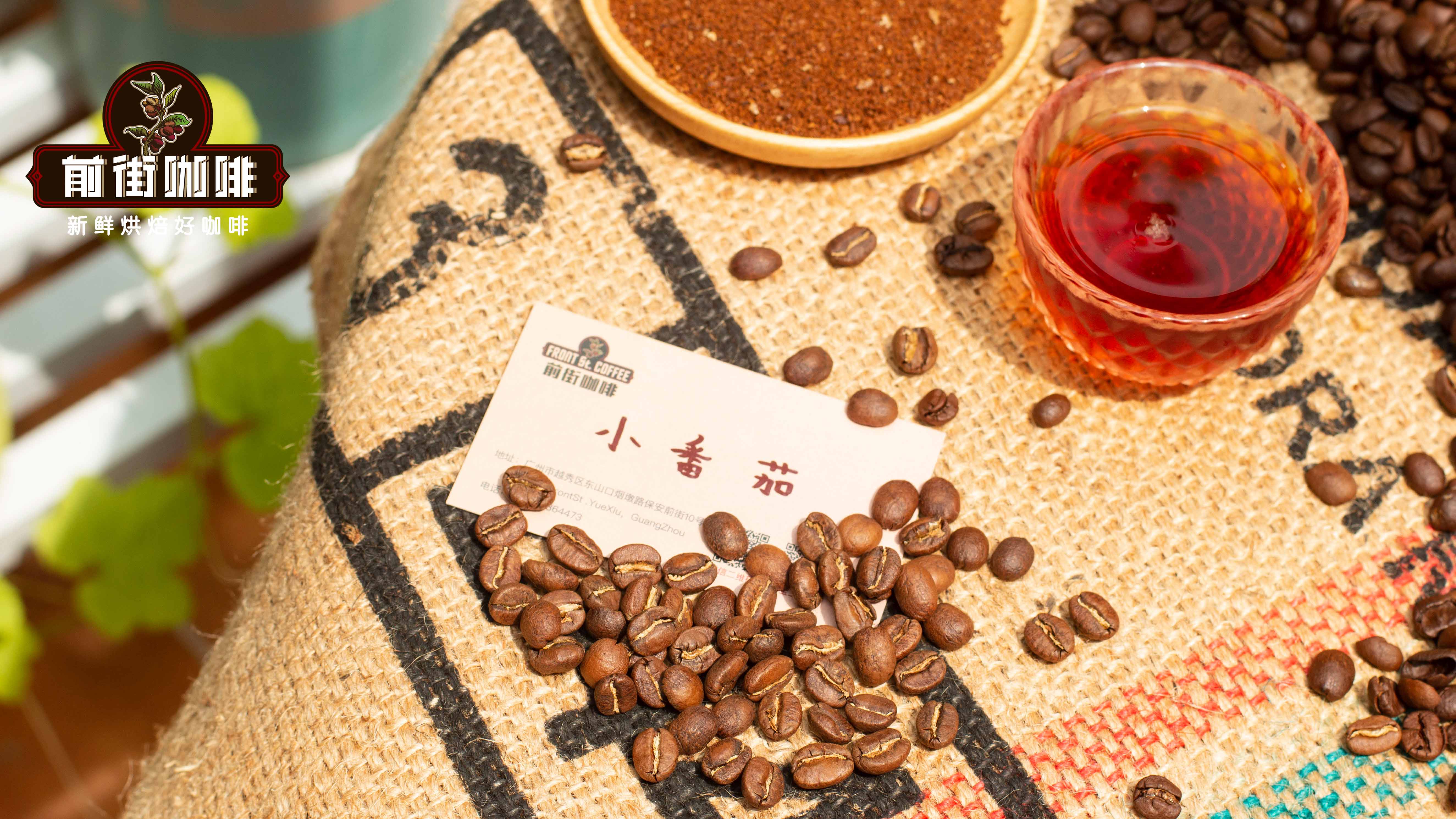
Kenya is a production region cherished by many fans of acidic coffee. Front Street Kenya Little Tomato coffee beans are known for their complex, full-bodied juicy feel and dark fruit flavors, suitable for pour-over, cold brew, moka pot, and many other extraction methods. This coffee from the Thika region is processed using the Kenyan 72-hour washed method, with varieties SL28 and SL34, featuring bright fruit acidity, a full body, and both caramel sweetness and a wine-like body. This article will walk you through the flavor characteristics of Kenyan coffee, the double washed processing and grading system, and share Front Street's recommended brewing parameters and pouring techniques to help you fully bring out the aroma of Little Tomato and the sour plum acidity.
In the minds of acidic coffee lovers, Kenya is probably one of the most favored production regions. Front Street Kenya Little Tomato coffee beans present a rich, layered juiciness, with notes of dark fruits such as black plum, berries, and blackberry. They can be brewed as pour-over, and are also suitable for cold brew, moka pot, French press, and coffee machine, among other extraction methods. An excellent Kenyan coffee should be vibrant, while also clean and refreshing with balanced acidity and sweetness. This Kenyan coffee bean launched by Front Street comes from the Thika region, uses SL28 and SL34 varieties, and is processed with the Kenyan 72-hour washed method, making it a favorite choice for many who prefer acidic coffee.
Compared with other origins, Kenya coffee's most prominent characteristics are abundant fruit acidity, a full body, and a slight caramel sweetness with a wine-like body. This is thanks to its processing method—double washing—and its green bean grading system.
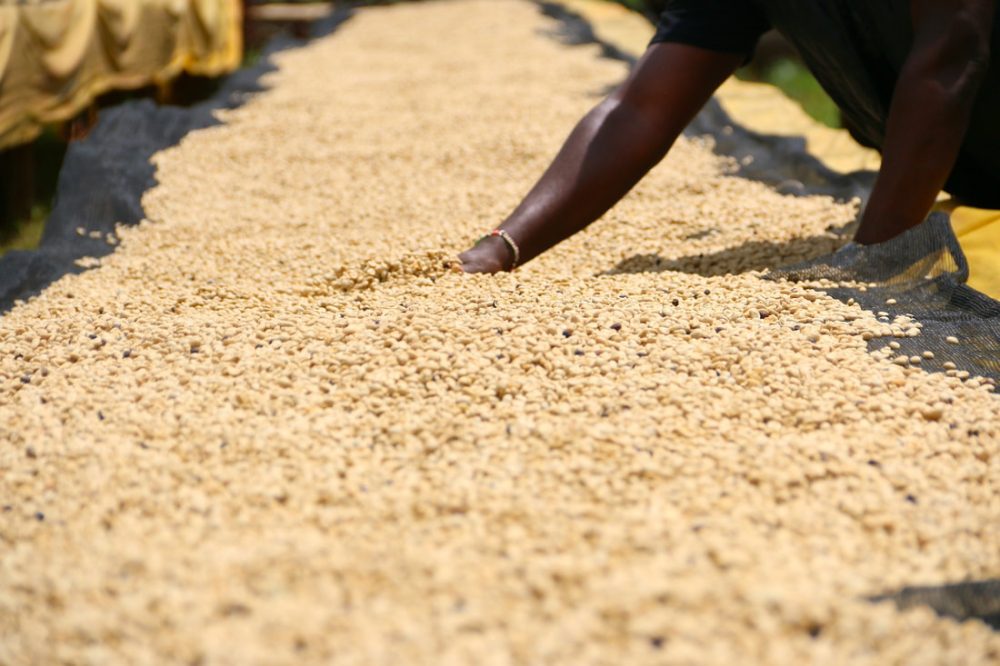
If you want to experience intense berry acidity and sweetness with a juicy feel, you can choose Front Street Little Tomato, which uses double washing. So-called double washing refers to a processing flow of washing after fermentation and then repeating the cycle: on the day of harvest, the best coffee cherries are first selected, then pulped and put into fermentation for 24 hours.
After 24 hours, rinse clean with clean river water, then ferment again with clean water for 24 hours, rinse again, and repeat this cycle 3 times, totaling 72 hours, hence the name Kenyan 72-hour fermentation washed processing method. Through this processing, Front Street Little Tomato coffee beans undergo long fermentation at low temperatures, allowing them to develop a brighter, cleaner, and fuller flavor.
Next, let's look at Kenya's coffee grading system. Kenyan coffee beans are classified by bean size, with AA being the best, followed by AB. The advantage of grading by size is that, after variety selection and breeding, larger beans mean fuller beans and better quality, and they are also more roasting-friendly, thereby ensuring consistency in Kenyan coffee quality.
Although we can still distinguish specific flavor differences horizontally among regions such as Nyeri, Kirinyaga, and Kiambu, they generally all possess the typical characteristics of Kenyan coffee: bright acidity and Little Tomato- and berry-like flavors, meaning you can recognize it as Kenyan from the first sip.
In terms of water temperature, Front Street Kenya Little Tomato coffee is suitable for brewing at a higher temperature, which better brings out the coffee's fruity sweetness (Little Tomato). Front Street recommends using a water temperature of 93°C.
For the coffee-to-water ratio, Front Street recommends 1:16. This Kenyan coffee itself has a solid body, and even when brewed at a 16x coffee-to-water ratio it does not taste thin at all, while the concentration brewed at 1:16 is very soft, with bright sour plum acidity paired with the sweet-and-sour aroma of Little Tomato, making it very pleasant.
As for the coffee dose, if using a small V60 dripper, Front Street recommends at least 15 grams of coffee grounds; if using a large V60 dripper, at least 25 grams of coffee grounds is recommended.
When pouring, you can raise the coffee bed and reduce large circular pouring, which can thin the coffee bed and achieve full extraction, avoiding edge channeling and bottom clogging.
First pour 30ml of water and bloom for 30 seconds; for the second pour, add 120ml of water, pouring in circles from the center outward, until the surface is covered with golden foam, then shrink the circular pour to the center point, with the coffee bed height reaching 1/2 of the short rib.
For the third pour, add 90ml of water, pouring in a coin-sized circle. End extraction after all the coffee liquid has dripped into the server, with a total time of 2 minutes (with a 10-second margin of error).
This brewing method can highlight the Little Tomato aroma and sweetness of Front Street Kenyan coffee, while ensuring a solid yet translucent sour plum acidity.
The above content is compiled by CoffeeHunters, a coffee news website.


