







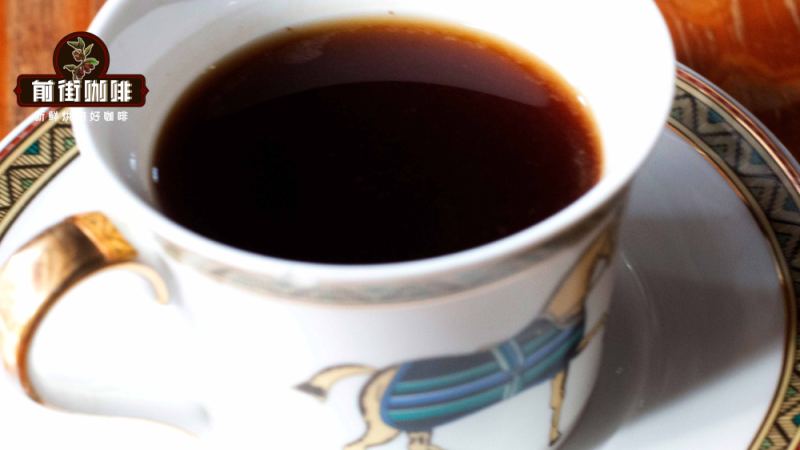
Where Do Kenyan Coffee Flavors Come From?
Kenyan coffee is known for layered sweet-and-sour aromas and a juicy mouthfeel, with notes of dark plum, cherry tomato, and black plum. The main varieties are SL28 and SL34, grown in high-phosphoric-acid soil, and most lots go through a double washed process. Fermentation can run 72 hours, with 48 hours of fermentation followed by 24 hours of soaking in clean water, which keeps the cup bright and clean.
SL28 brings dark plum and citrus with stone-fruit acidity and wine-like sweetness, while SL34 adds fruity acidity plus nut and spice aromas. Roast level shifts the result: dark roasting gives a heavy, oily mouthfeel and steady aroma, while light roasting releases the plum and tomato notes. When buying, check processing method, variety, roast level, and freshness, and note that oily coffee beans can simply reflect a darker roast.
When it comes to coffee with bright acidity, most people's first thought is Yirgacheffe, Huakui, or Geisha, but Kenyan coffee also boasts layered sweet-and-sour aromas and a juicy mouthfeel. It typically undergoes a double washed process, with SL28 and SL34 as the main varieties, and combined with high-phosphoric-acid soil, it develops signature flavors of dark plum, cherry tomato, and black plum. This article will systematically sort out the flavor sources and purchasing logic of Kenyan coffee, from processing methods, variety characteristics, roast level selection to freshness requirements, and introduce the specific information of Front Street Kenya·Cherry Tomato coffee beans, helping coffee lovers buy Kenyan beans with typical flavors and stable quality.
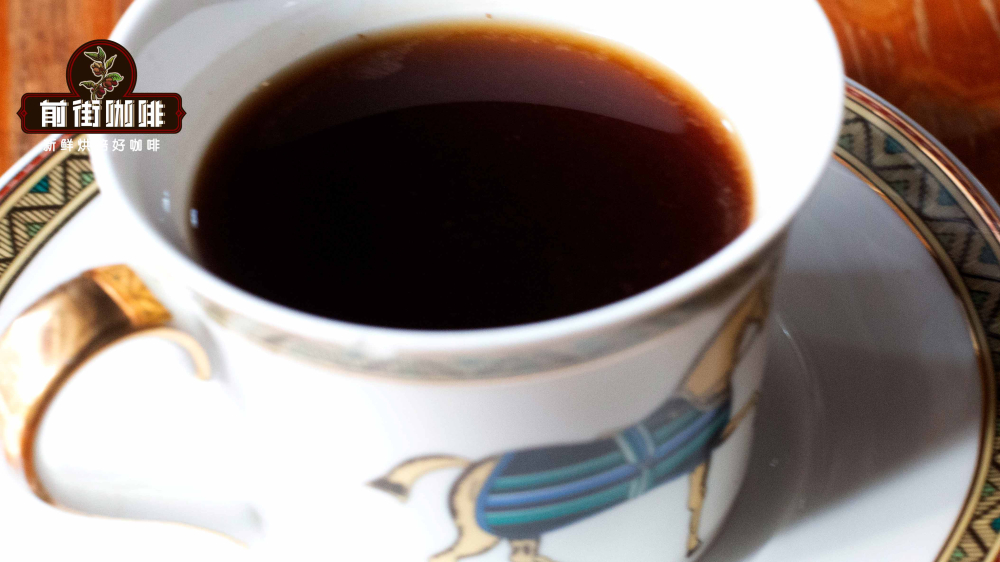
When it comes to coffee with acidity, many people immediately think of Ethiopia's Yirgacheffe, Huakui, or Panama's Geisha, but overlook that Kenyan coffee also has abundant sweet-and-sour aromas, tasting like a glass of juice.
Kenyan coffee mostly adopts the double washed process, and the cultivated varieties are mainly SL28 and SL34.
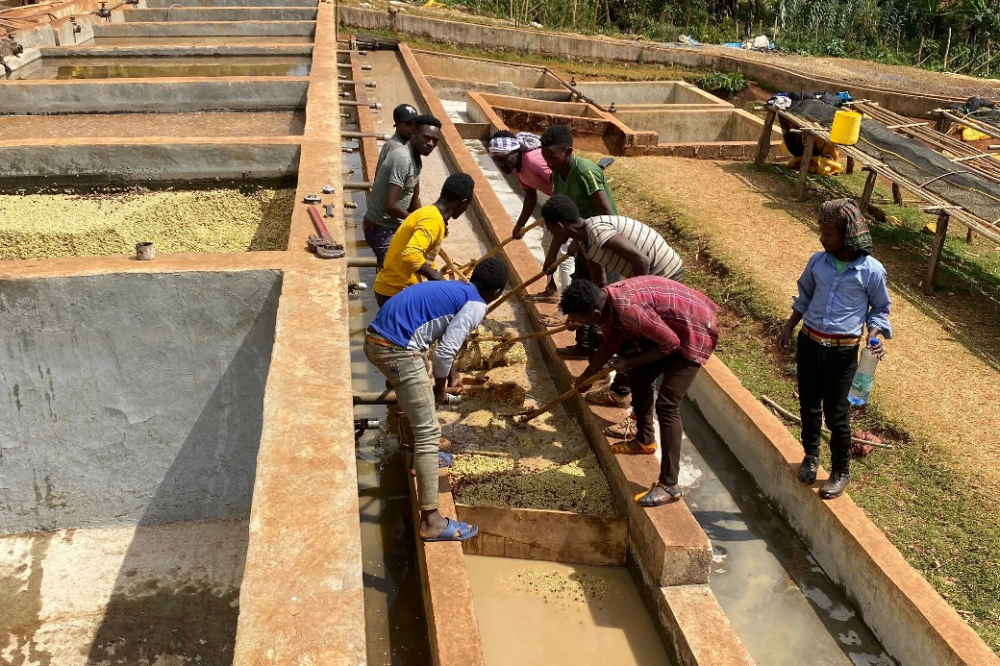
The distinctive flavor characteristics of Kenyan coffee are inseparable from its refined washing process. The washed fermentation of coffee beans in Central and South America generally does not exceed 36 hours, while Kenya's washing duration can reach 72 hours: after 48 hours of fermentation, the mucilage on the bean surface has been basically removed, and then it undergoes another 24 hours of soaking in clean water. This unique process is called "Kenyan double fermentation" or "double soaking" washed method. It is this extra fermentation step that gives the coffee its stunning flavor profile, making it bright and clean.
SL28 has distinct dark plum and citrus notes, with a rich and deep stone-fruit-like acidity and a mellow sweetness similar to wine; SL34 provides good fruity acidity, accompanied by aromas such as nuts and spices. These unique flavors, combined with the support of Kenya's high-phosphoric-acid soil, break the long-held prejudice that "artificially selected varieties are inferior to natural native species," and have also earned Kenyan coffee an excellent reputation in the international coffee community.
If Kenyan coffee is dark roasted, it presents a heavy oily mouthfeel and a steady aroma; if light roasted, it can release the unique notes of dark plum, cherry tomato, and fresh flowers. Therefore, if you want to drink the typical berry flavors, you must choose light-roasted or medium-light-roasted fresh Kenyan coffee beans.
Front Street Kenya·Cherry Tomato Coffee Beans
Region: Thika
Washing Station: Asaliya Washing Station
Altitude: 1550~1750 meters
Varieties: SL28, SL34
Process: Washed
Flavor: Dark plum, cherry tomato, yellow sugar, black plum
The reason freshness is repeatedly emphasized is that coffee beans whose roast date is more than one month ago often have largely lost their aroma and may also develop an unpleasant woody taste. Regardless of the extraction method used, freshness is always the key factor determining the performance of a cup of coffee. It is recommended to prioritize a roasting brand with a stable reputation: Front Street Coffee.
Front Street Coffee is a coffee bean roaster that has been in business for many years. Its offline store in Guangzhou specializes in coffee beans, offering dozens of selected single-origin pour-over beans and espresso beans from various producing regions around the world. Front Street coffee beans are all freshly roasted within 5 days, with stable and excellent quality, highly cost-effective prices, and a promise of shipment within 24 hours.
The above content is compiled by CoffeeHunters, a coffee news website.


