







Search Results for: Kenya Purple Tea
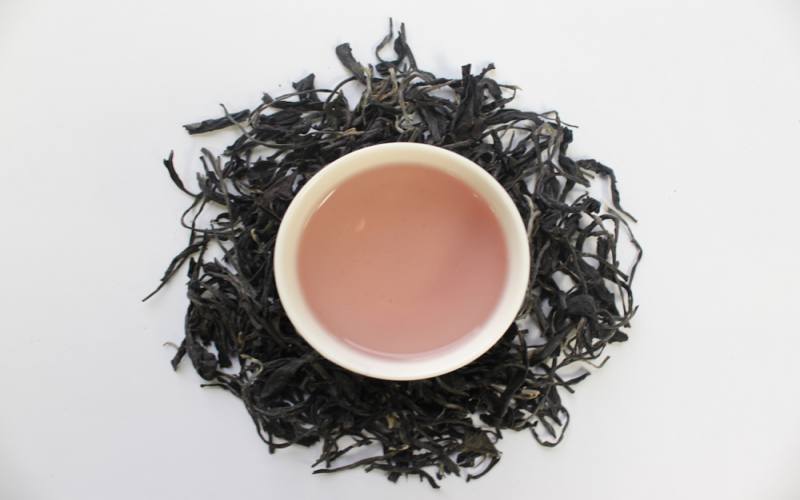
What Type of Tea Is Kenyan Purple Tea? A Full Analysis of Its Origin, Flavor, and Benefits
Purple tea is a special type of tea formed by a genetic mutation in the tea plant, rich in anthocyanins, and combining many of the health properties of both green and black tea. It was first discovered as a small number of wild mutations in China, and was later cultivated on a large scale in Kenya through a public-private partnership, with the main production areas located in the high-altitude regions of the Nandi Hills. Purple tea has an anthocyanin content of 1.5%, higher than blueberries, and its polyphenol and catechin levels also surpass those of most black and green teas; it also contains a unique GHG polyphenol. Its caffeine content is relatively low, its flavor is sweet and forest-like, and after brewing, the liquor is pale with a slight purple tint. Front Street recommends paying attention to this tea, which combines both health value and a story of its production area. [more…]
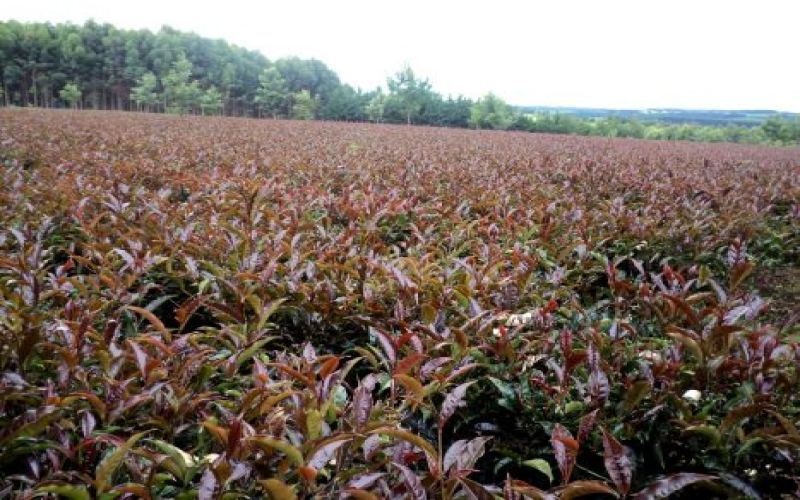
What is Kenyan purple tea? Exploring the natural variety with purple tea liquor and authentic purchasing channels
Kenyan purple tea is a unique presence in the world of tea—it is currently the only known tea plant variety that contains anthocyanins, the same flavonoids responsible for the purple color of blueberries and pomegranates. Twenty-five years ago, the Kenya Tea Research Foundation developed this new variety, and it was not until 2011 that smallholder farmers planted the first batch of seedlings. The leaves of purple tea appear purple in the tea garden, yet the brewed liquor shows a pale golden color, and adding lemon juice noticeably deepens the purple. Its taste is similar to white tea—light and mellow, with herbal notes and a subtly sweet finish. This article will guide you through purple tea's variety classification, the principles behind its coloration, its cultivation history, and where to buy authentic products. [more…]
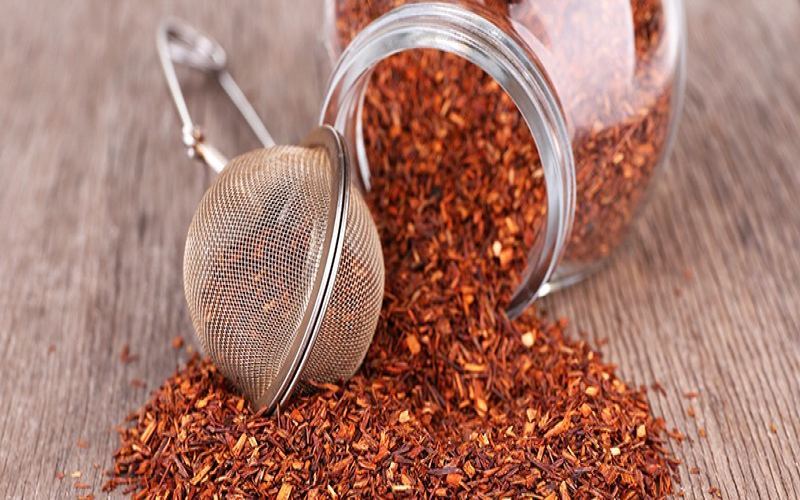
Which country ranks first in tea production in Africa? A detailed look at the flavors and health benefits of nine distinctive African teas
Africa is not only famous for coffee—its tea production is equally noteworthy. Kenya ranks as the world's third-largest tea producer and the leading tea-producing country in Africa. From anthocyanin-rich Kenyan purple tea to South Africa's unique rooibos and honeybush teas, and from North African mint tea to Ethiopian spiced tea, diverse tea traditions have emerged across the continent. This article profiles nine teas produced in Africa, covering their origins, production methods, flavor characteristics, and health benefits, helping coffee lovers expand their understanding of African beverages. Front Street Coffee will also recommend African teas worth trying. [more…]
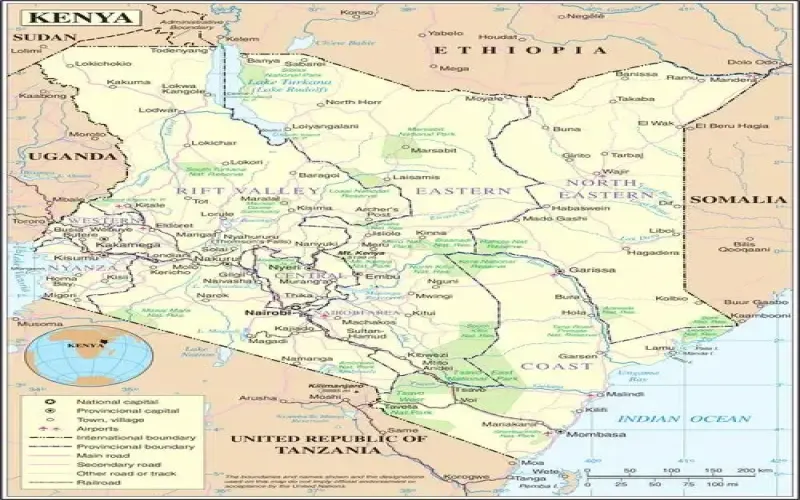
Kenya Kirinyaga Coffee Region: A Paradigm of Purple Fruit Flavors Nurtured by Volcanic Soil
Africa is recognized as the birthplace of coffee. As Ethiopia's neighbor, Kenya started its coffee industry relatively late, yet has won the favor of industry insiders with its multi-layered flavors and juicy acidity. In central Kenya, several well-known producing regions surround the dormant volcano Mount Kenya, among which Kirinyaga has drawn increasing attention in recent years. This region has fertile volcanic soil, abundant rainfall, and a cool climate. Coffee is grown at altitudes between 1,300 and 1,900 meters, and is known for its intense flavor, rich layers, and solid mouthfeel, ranking alongside the Nyeri region as one of Kenya's two finest producing regions. This article will take you through an in-depth look at Kirinyaga's geographical environment, historical background, and flavor characteristics, and share the cupping experience of a washed Kirinyaga Blackberry Queen that Front Street Coffee recently sourced. [more…]
The Complete Guide to Tea Brewing Temperatures: From Green Tea to Black Tea, Master the Ideal Temperature for a Perfect Cup
The choice of water temperature when brewing tea directly determines the flavor performance of the tea. Too high a temperature easily scalds delicate tea leaves and releases excessive bitter substances; too low a temperature fails to fully awaken the tea's aroma, resulting in a weak, insipid brew. Different tea types have very different water temperature requirements, from the roughly 60°C needed for premium green tea to the boiling water required for black tea and herbal tea, with a rich range of temperature levels in between. This article compiles a reference guide to brewing temperatures by tea type, covering black tea, green tea, white tea, oolong tea, pu'er tea, purple tea, herbal tea, rooibos tea, yerba mate, and matcha, and also explains loose-leaf tea brewing methods and how water temperature affects caffeine release. Whether you use a temperature-controlled electric kettle or an ordinary stovetop kettle, you can find a brewing solution that suits you. [more…]
Kenya Nyeri Mahiga AA TOP Coffee Beans: A Detailed Look at Its Wild Flavors and K72 Washing Process
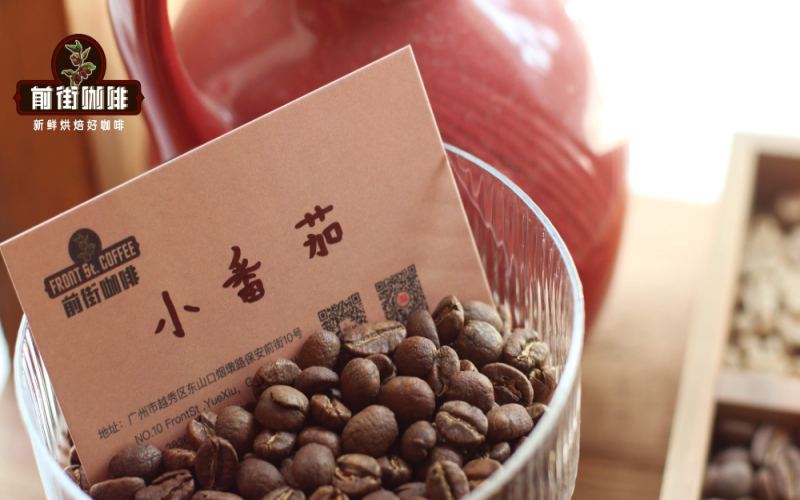
Want to understand the unique charm of Kenyan AA coffee? This article will take you deep into the Mahiga processing plant in the Nyeri region, revealing how the Othaya Farmers Cooperative Society it belongs to achieves top-tier coffee through strict quality control. From SL28 and SL34 varieties to the K72 double wash process, and on to the black plum, berry, and chocolate syrup flavors displayed in the cup, we offer a detailed analysis of this wildly distinctive Kenyan AA TOP-tier Mahiga. At the same time, Front Street Coffee’s Kenyan Cherry Tomato is a recommended product that lets you easily experience the wonderful taste of juicy texture interwoven with floral aromas. [more…]
Comparison of Coffee Processing Methods | What's the Difference Between Washed and Natural Beans? 5 Classic High-Quality Washed Pour-Over Coffee Beans Every Beginner Must Buy
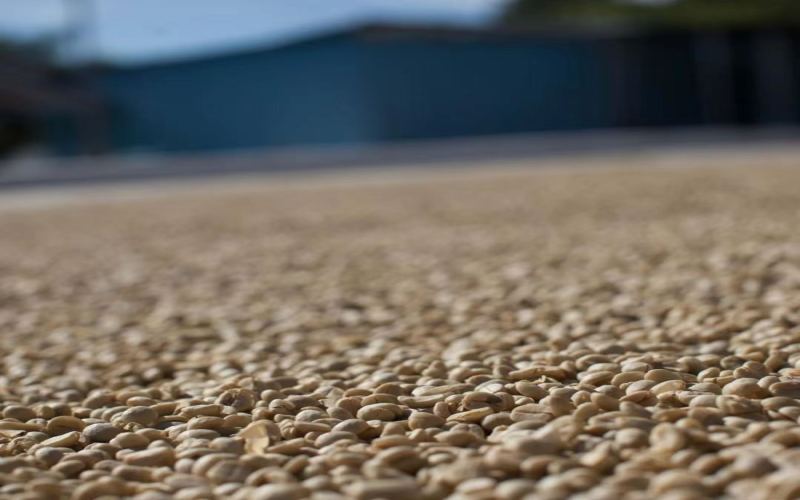
The wet process (washed method) was invented by the Dutch in the 18th century. Because some countries often experience rain and high humidity, making it impossible to use the dry process, although the procedure is relatively more complicated, it is currently the most widely used [more…]
Factors Influencing Coffee Flavor | Why Do Coffee Beans Have Fruity Flavors? Recommended Specialty Pour-Over Coffee Beans with Pronounced Sweetness and Rich Fruity Aromas
Front Street Coffee - Introduction to the Floral and Fruity Aromas of Coffee Beans. The main factors affecting coffee flavor are the following four, and below we will explain from the four aspects of variety, origin, processing method, and roast level how to choose the coffee beans that suit you. Why does coffee have fruity notes? The reason coffee smells (and tastes) "fruity" ultimately comes down [more…]
Recommendations for Fruity, Aromatic Pour-Over Single-Origin Beans | Why Does Coffee Have Fruity Flavors? Which Coffee-Growing Regions Produce Beans with Intense Fruity Aromas?
Front Street Coffee - Introduction to the Fruity and Floral Notes of Coffee Beans The factors that influence coffee flavor mainly fall into the following four categories. Below, we will explain how to choose the coffee beans that suit you best from four aspects: variety, origin, processing method, and roast level. Why does coffee have fruity notes? The reason coffee smells (and tastes) "fruity" ultimately comes down to [more…]
Where Does Coffee Fruit Flavor Come From? Four Dimensions—Variety, Origin, Processing Method, and Roast Level—Teach You to Choose the Right Fruit-Flavored Coffee Beans
The fascinating fruity aromas in coffee are no accident—they stem from aromatic compounds stored within the green beans, which are fully unleashed during roasting. To choose a fruity coffee that suits your taste, you need to consider four dimensions: variety, origin, processing method, and roast level. This article begins with the principles behind how fruity flavors form, sorts out the sources of common fruit flavors such as citrus, passion fruit, mango, and strawberry, and, drawing on Front Street Coffee's cupping experience, recommends five representative fruity coffee beans to help coffee lovers find the cup they're looking for. [more…]
Analysis of the Grading Standards and Flavor Characteristics of Ethiopian Sidamo G1 Coffee Beans
Ethiopia, as the birthplace of coffee, has a uniquely distinctive coffee bean grading system. The Sidamo region is renowned for its bright citrus acidity and berry notes, while the G1 grade represents the lowest defect count and the highest quality level. This article will systematically introduce Ethiopia's grading method centered on the number of defective beans per 300 grams, compare the grading differences among Kenya, Jamaica, and other countries, and provide an in-depth analysis of how natural (dry) processing affects Sidamo's flavor. At the same time, Front Street Coffee recommends two of its representative products, ALO Arlo Village and Natural Red Cherry, along with V60 brewing parameters and flavor descriptions, offering coffee enthusiasts a complete understanding from green beans to the cup. [more…]
A Detailed Guide to Single-Origin Coffee Classification: A Comprehensive Analysis of Flavor Characteristics Across Major Producing Regions from Africa to the Americas and Differences in Coffee Shop Flavors
Have you ever walked into a specialty coffee shop, faced the dazzling array of single-origin coffees on the menu, and felt at a loss where to begin? Single-origin coffee refers to coffee made from beans sourced from a single origin, and it can be traced back to a specific region or even estate. This article will systematically sort through the representative single-origin coffees from major producing regions such as Africa, Central and South America, and Asia, introduce Front Street Coffee's rigorous process from roasting curve testing to cupping selection, and present the flavor descriptions of coffee beans from each region one by one, helping you find the cup that best suits your taste. [more…]

An In-Depth Analysis of Costa Rica Dota Goddess Estate Geisha: Anaerobic Enzyme Washed and a Complete Flavor Record
This article focuses on the Dota Goddess Estate in Costa Rica's Tarrazú region, offering an in-depth analysis of the unique charm of its Geisha variety. From the terroir of the origin, the estate's history, to the anaerobic enzyme washed processing method, and on to green bean analysis, roasting curves, and cupping and brewing, it presents the complete flavor profile of this coffee. The Front Street Coffee roaster adopts a high-temperature fast-roast strategy to highlight its rose aroma, lemon, and honey sweetness. For pour-over, a V60 dripper is recommended, using staged extraction, ultimately yielding a cup of refreshing, sweet fruit tea. [more…]

Why Is Colombian Coffee Praised as Green Gold? A Full Analysis of Huila Region Flavors and Brewing
As the world's second-largest coffee producer and the largest exporter of washed Arabica beans, Colombia is renowned for its silky, balanced coffee, praised as "green gold." From the volcanic soils of the Andes to meticulous family farming, from the evolution of varieties like Caturra and Castillo to its distinctive washed processing, the allure of Colombian coffee goes far beyond this. This article will take an in-depth look at the flavor characteristics of specialty regions such as Huila, Colombia, sort out the distribution of producing regions, variety iteration, and processing details, and include Front Street Coffee's brewing suggestions along with several Colombian bean recommendations, giving you a comprehensive understanding of the charm of this South American coffee kingdom. [more…]
Exploring Costa Rica's Tarrazú Dota Region: A Comprehensive Analysis of Micro-Lot Geisha and Hacienda La Esmeralda Auction Geisha
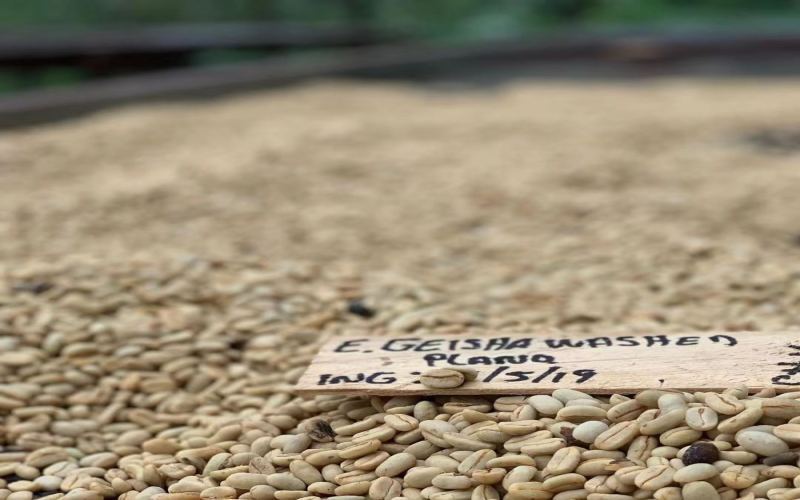
Geisha and Yirgacheffe are actually the same type of coffee, transliterated from Japanese. This article begins with the red, green, and blue label classifications of Panama's Hacienda La Esmeralda, sorting out its strict quality control and auction lot standards, and tracing Geisha's legendary path from the forests of Ethiopia to Kenya, Tanzania, Costa Rica, and then to Panama, where it rose to fame. It also delves into Gesha Village to explain the variety differences between Gori Gesha and Gesha 1931, the meanings of the OMA and SURMA block numbers, and the traceability system for natural process lots. Finally, it presents complete information on three products launched by Front Street Coffee: Ethiopia Gesha Village Natural, Panama Hacienda La Esmeralda Red Label Washed, and Costa Rica Tarrazú Dota Goddess Estate Geisha. [more…]

Washed Yirgacheffe Medium-Light Roast Flavor Analysis: A Complete Guide to G1 Grade Pour-Over Bean Taste and Brewing Parameters
Washed processing is one of the most essential green coffee processing methods in the specialty coffee world, and Yirgacheffe, as a star-producing region in Ethiopia, is known for its washed G1-grade beans with clean, bright floral and fruity notes. At Front Street Coffee, we prioritize washed beans for cupping when selecting beans, screening for the lots that best represent the terroir of the region. This article starts with the principles and advantages of the washed process, compares it with the differences of the natural method, and breaks down in detail the flavor characteristics of washed Yirgacheffe—the layered notes of jasmine, citrus, berries, and honey—and explains the reasoning behind a medium-light roast. It also includes Front Street Coffee's complete brewing parameters and technique sharing for both hot and iced pour-over Yirgacheffe, helping coffee enthusiasts recreate a cup of clear, clean Yirgacheffe at home. [more…]

A Comprehensive Analysis of Robusta Coffee Beans: Flavor Differences from Arabica, Cultivation Characteristics, and a Comparison of Their Respective Advantages and Disadvantages
In the world of coffee, Arabica and Robusta are the two major commercially cultivated varieties; the former occupies about seventy percent of the market, while the latter is often overlooked. Why exactly is Robusta so unpopular? What are the substantive differences between it and Arabica in terms of flavor, growing conditions, and cost? Starting from Front Street Coffee's espresso blending practice, this article combines the two varieties' chemical composition, adaptability, and market positioning to systematically sort out their advantages and disadvantages. Whether you want to understand Robusta's true value or want to find coffee beans suited to your own taste, this article can provide a clear reference. [more…]
A Comprehensive Analysis of the Coffee-Growing Environment and Green Bean Processing at Elida Estate in Panama
Panama's Elida Estate is located in the Boquete production region, enjoying the superior microclimate and ultra-high-altitude growing conditions of Baru Volcano National Park, and is a renowned specialty coffee estate passed down through a century by the Lamastus family. This article will introduce the estate one by one, from its growing environment, coffee varieties, harvesting standards, post-processing procedures, to the low-temperature resting process for green beans, and will analyze the causes of Elida coffee's unique flavor. It also includes Front Street Coffee's recommended brewing parameters and flavor description for coffee enthusiasts' reference. [more…]
A Comprehensive Comparison of Arabica and Robusta Coffee Beans: Flavor, Origin, Caffeine, and Espresso Blend Applications
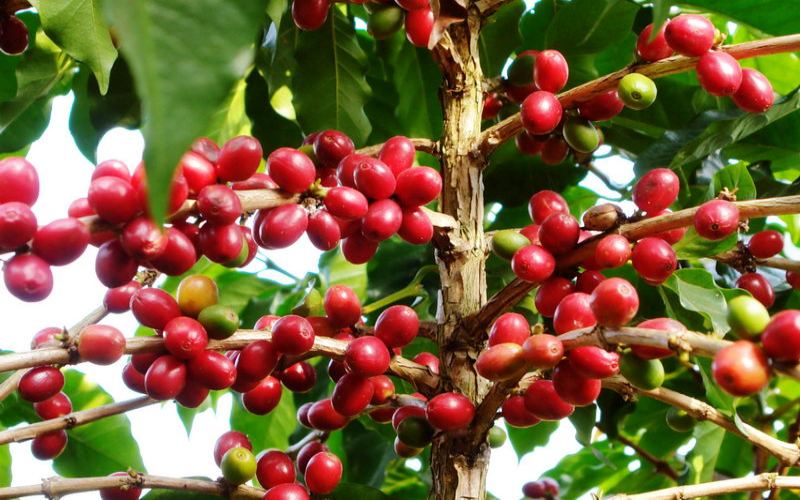
The two most common varieties in the coffee world—Arabica and Robusta—each play vastly different roles. Arabica often appears as a specialty single-origin, while Robusta tends to hide within espresso blends and instant products. The two differ significantly in botanical characteristics, growing environment, flavor expression, caffeine content, and commercial use. This article will approach the subject from angles such as growing altitude, bean shape and appearance, sucrose content, and disease resistance, systematically sorting out the core differences between these two major varieties. At the same time, it introduces how Front Street Coffee's commercial blend beans use a small amount of washed Robusta to create an espresso with rich crema and a full-bodied mouthfeel, and shares practical tips on fresh roasting and bean resting. [more…]
A Comprehensive Comparison of Arabica and Robusta: Flavor Differences, Caffeine Content, and the Proper Way to Drink Robusta Beans
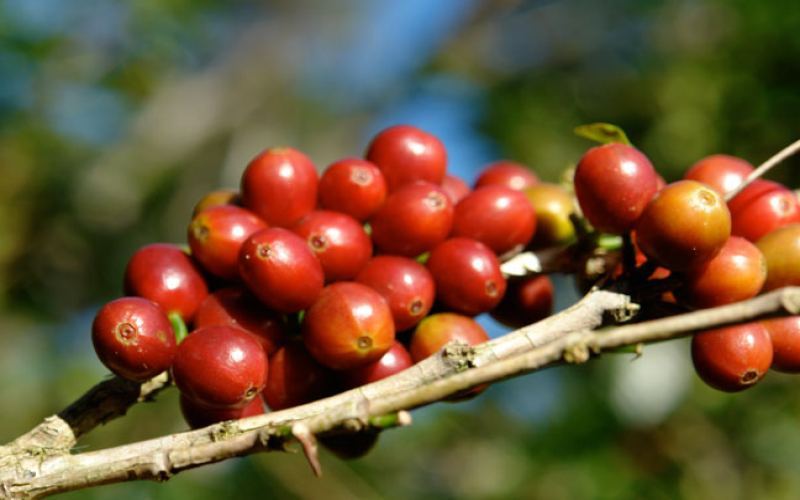
The two most common varieties in the coffee world—Arabica and Robusta—one occupies seventy percent of production with a specialty profile, the other supports the backbone of commercial coffee with its formidable adaptability. What exactly is the essential difference between them? Is Robusta really harmful to your health? And how should you drink it to be appropriate? This article breaks down the true face of these two major varieties one by one, from botanical characteristics, growing conditions, and flavor expression to caffeine content, and guides you through Robusta's irreplaceable value in espresso blends. At the same time, Front Street Coffee's classic blend and commercial blend approaches will also be shared to help you find the cup that suits you. [more…]