







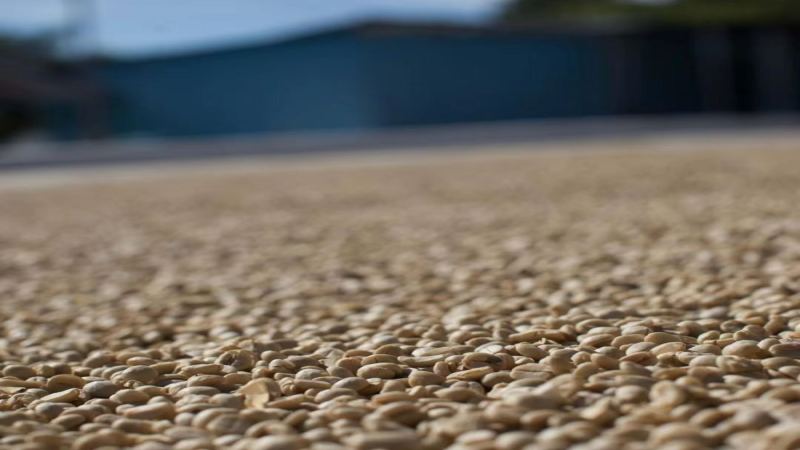
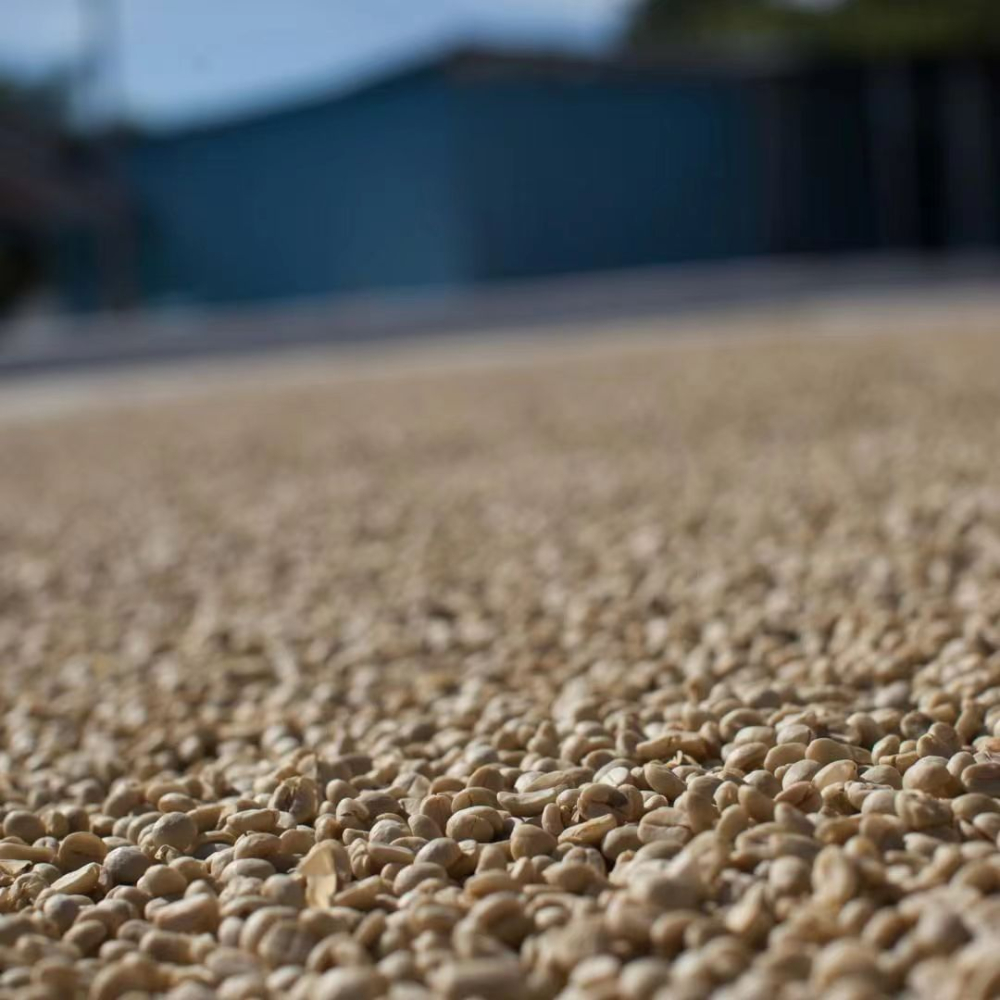
Wet process (Washed method)
The wet process was invented by the Dutch in the 18th century. Because some countries often experience rain and high humidity, making sun-drying impossible, the wet process, though relatively more complicated, has become the most widely used processing method today. Its biggest difference from the sun-drying method is that it uses fermentation to remove the mucilage layer.
Wet process steps
The first three steps are the same as the sun-drying process (1. Harvest ripe coffee cherries 2. Preliminarily remove impurities and defective beans 3. Screen out floating beans)

4. Remove the peel and pulp: Put the selected good coffee cherries into a pulper to remove the outer skin and pulp, leaving the seeds (coffee beans).
5. Ferment to remove mucilage: Put the coffee seeds covered with a layer of sticky substance (mucilage) into a fermentation tank, using biological processing so that fermentation bacteria dissolve the mucilage.
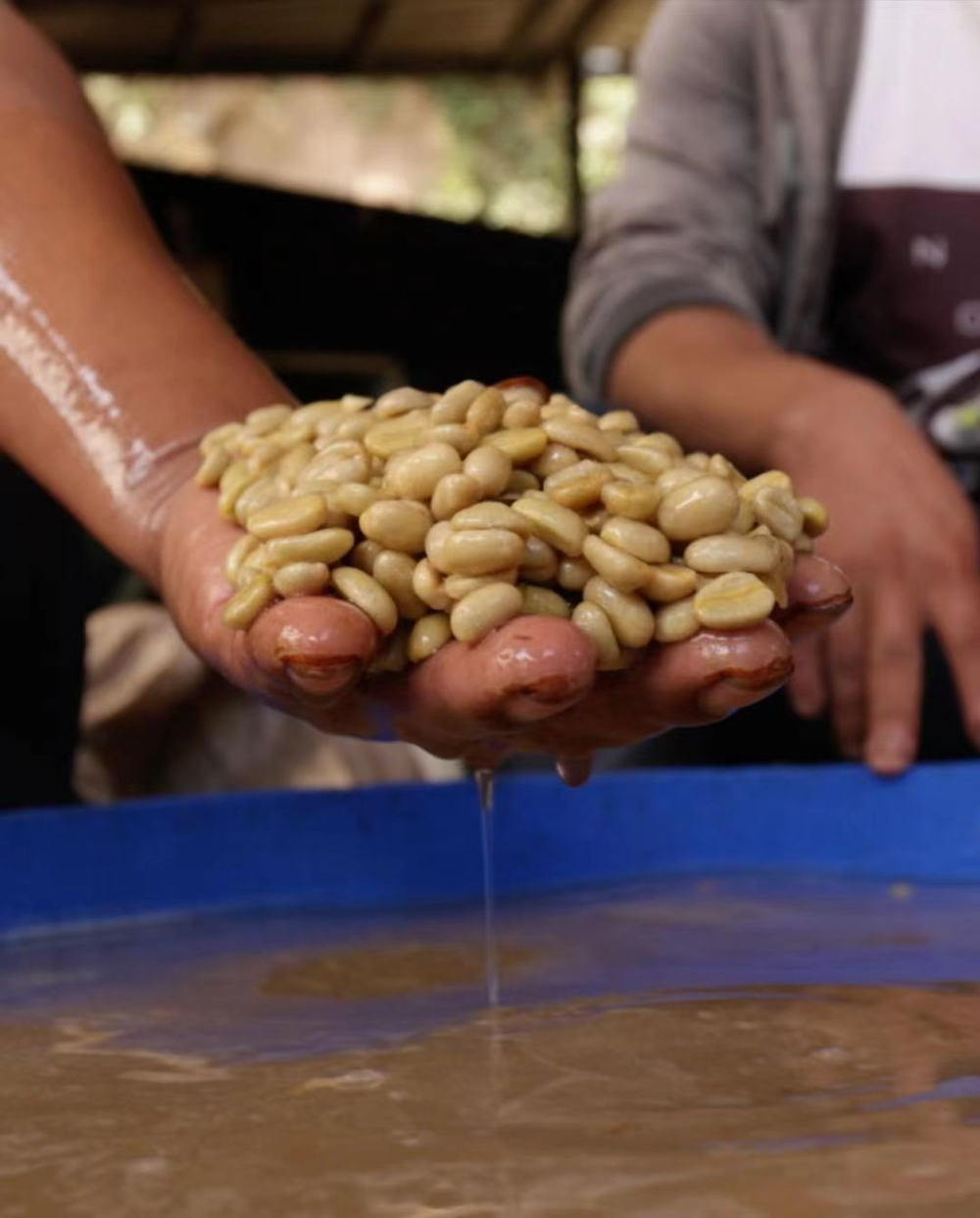
6. Wash to remove impurities: Because fermentation bacteria remain on the coffee beans, the beans need to be sent to a washing tank for cleaning and a second screening (defective beans will float to the surface). To wash them thoroughly, this step consumes a large amount of clean water.
7. Dry the coffee beans: Usually a machine (or sun-drying) is used to dry the coffee cherries, reducing the moisture content to 10~14%.
8. Remove the parchment and silver skin: Finally, use a huller to remove the remaining parchment and silver skin, completing the processing so the green beans can be packaged and transported!

Advantages and disadvantages of the wet process
Advantages:The coffee beans have fewer impurities and a more uniform appearance, and because the pulp in the coffee cherries is removed from the start, there is no need to worry about mold, so the overall quality is more stable.
Disadvantages:The wet process is complex and tedious and requires a large amount of water, so its cost is relatively higher than that of the sun-drying method, and it is less used in areas lacking water resources.

What is the difference in taste and flavor between washed coffee beans and sun-dried coffee beans?
The sun-drying method is the oldest processing method and is less labor-intensive than the wet process. Although sun-dried beans have an uneven appearance and large color differences, because the coffee beans mature naturally inside the fruit without interference from the external environment, sun-dried coffee beans have a stronger flavor, with a wine-like fermented taste and sweetness.

In the wet process, the cherries are picked once they turn red, while in the sun-drying method they are left alone to continue turning purple and black until they fall off by themselves; then the cherries are spread out in the sun for several weeks, and after the pulp dries, the seeds separate naturally, after which machines or manual labor are used to grind away the hardened pulp and take out the seeds. The key point of late harvesting is to let the seeds fully absorb the aroma and sweetness of the pulp, and then after sun exposure, the flavor is more complex than that of washed beans, with good body as well. Because washed beans ferment acidic substances in the fermentation tank, the coffee beans usually have a bright and clean acidity.
Recommended delicious washed coffee beans

1. Front Street. Yirgacheffe Gedeb
Region: Ethiopia Yirgacheffe
Cooperative: Gedeb Cooperative
Altitude: 2000~2100m
Variety: Local heirloom varieties
Processing method: Washed process
Flavor: Orange, citrus, tea-like, jasmine

2. Front Street. Panama Butterfly
Region: Panama Boquete
Altitude: 1600m
Variety: 70% Geisha, Caturra, Catuai
Processing method: Washed process
Flavor: Berries, citrus, light floral fragrance,

3. Front Street. Kenya Little Tomato
Region: Kenya Thika
Altitude: 1550~1750m
Variety: SL28, SL34
Processing method: 72-hour washed
Flavor: Cherry tomato, berries, snow pear, plum, yellow sugar
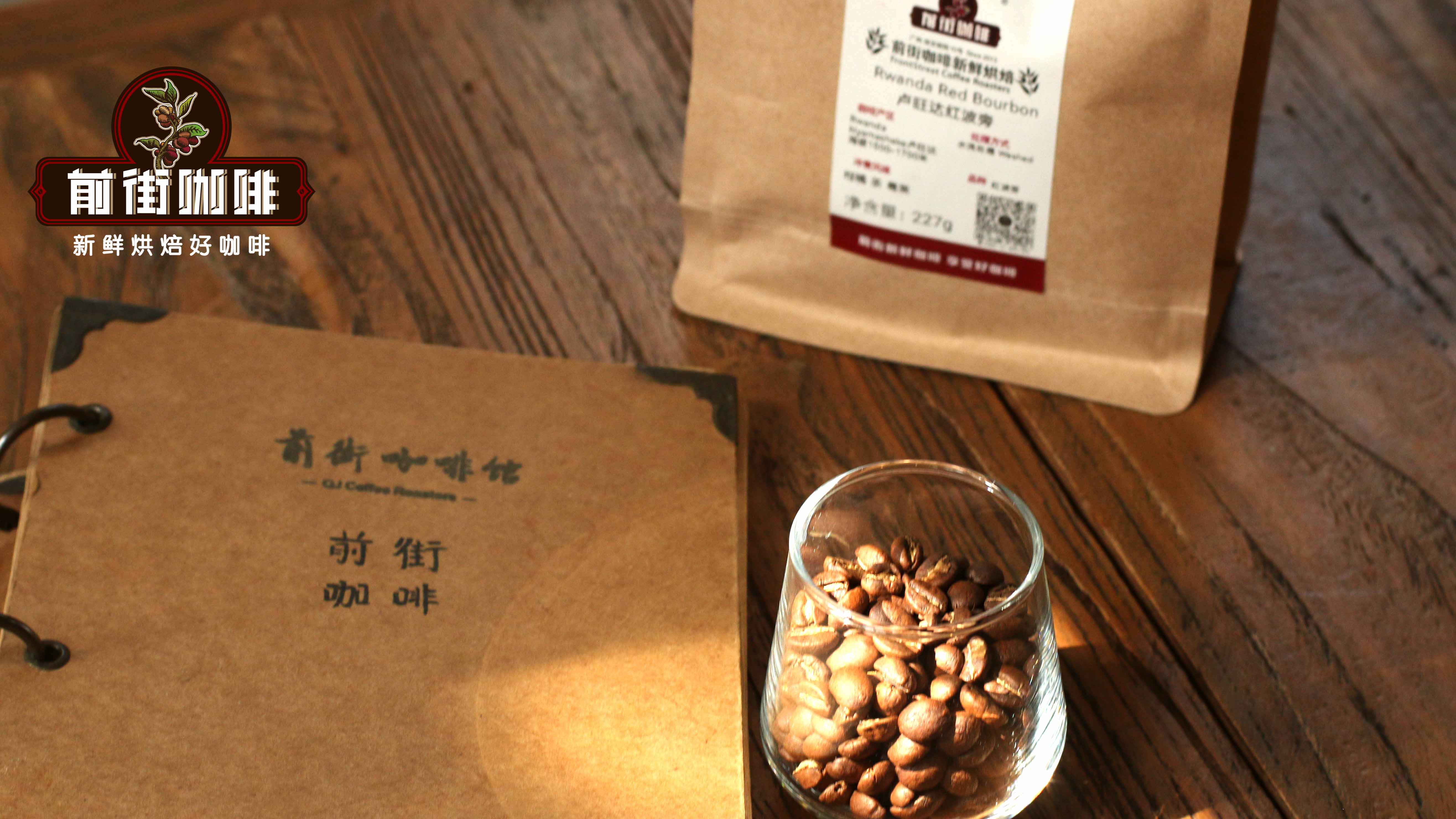
4. Front Street. Rwanda Red Bourbon
Region: Rwanda Nyanza
Altitude: 1500~1700m
Variety: Red Bourbon
Processing method: Washed
Flavor: Berries, citrus, apple, tea

5. Front Street. Jamaica Blue Mountain No.1
Region: Jamaica Blue Mountain
Altitude: 1310m
Variety: Typica
Processing method: Washed
Flavor: Nuts, chocolate, butter, caramel, balanced acidity, sweetness, and bitterness
The above content is compiled by CoffeeHunters, a coffee news website.


