







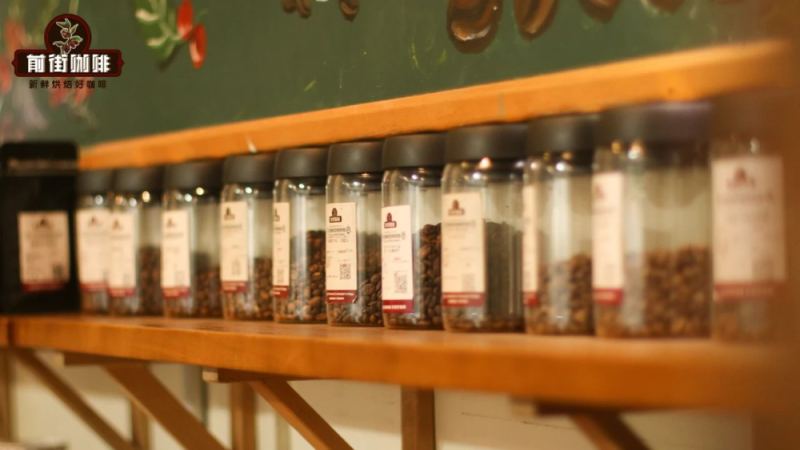
As the birthplace of coffee, Ethiopia has a uniquely distinctive coffee bean grading system. The Sidamo region is known for its bright citrus acidity and berry notes, while the G1 grade represents the lowest defect count and the highest quality level. This article will systematically introduce Ethiopia's grading method centered on the number of defective beans per 300 grams, compare the grading differences among Kenya, Jamaica and other countries, and provide an in-depth analysis of how natural processing affects Sidamo's flavor. At the same time, Front Street Coffee recommends two representative products under its label, ALO Arlo Village and Natural Red Cherry, with V60 brewing parameters and flavor descriptions, offering coffee enthusiasts a complete understanding from green bean to cup.
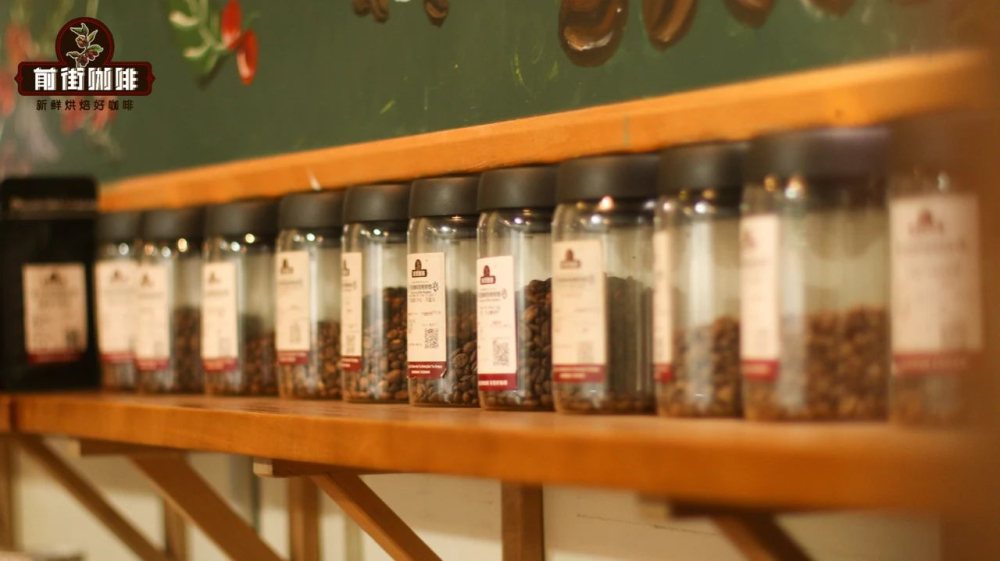
To learn more about specialty coffee, you can follow the WeChat public account: Front Street Coffee (FrontStreet Coffee).
Recently, many friends who have come to Front Street to buy coffee beans have noticed letters such as G1 and AA printed on the packaging, but are not quite sure what they represent. Therefore, Front Street would like to take this opportunity to briefly sort out Ethiopia's coffee bean grading system for everyone. Ethiopia is the birthplace of coffee and possesses a natural treasure trove of coffee genes, with a large number of different coffee tree varieties grown together there. Because the varieties are simply too numerous and complex, even locals cannot accurately distinguish the specific types, so they uniformly refer to coffee beans produced in the country as "Ethiopian heirloom varieties."
In fact, every coffee bean has a corresponding grade, and the grading standards differ from region to region. Generally speaking, grading criteria usually include the altitude of the production area, screen size (that is, the commonly mentioned green bean size), and factors such as screen size and the proportion of defective beans. Today, Front Street will talk about the grading of Sidamo coffee beans.
The Sidamo region is one of Ethiopia's well-known specialty coffee regions. The coffee beans produced there present a bright citrus-lemon character in the cup, accompanied by gentle berry acidity, and are therefore widely recognized. The washed Yirgacheffe, Gutingding, and Natural Red Cherry currently sold by Front Street all come from Ethiopia's Yirgacheffe region; while the Huakui coffee beans that won the green bean competition come from the Guji region. Perhaps everyone does not know that both Yirgacheffe and Guji were formerly part of the Sidamo region, and only later, because their coffee flavors were so highly recognizable, were they separately classified by ECX.
The grading of Ethiopian coffee beans is based on the proportion of defective beans, specifically determined by the number of defective beans contained in 300 grams of green coffee beans. For example, Front Street Gutingding coffee beans contain no more than 3 defective beans per 300 grams, so they are classified as G1; Front Street washed Yirgacheffe coffee beans contain between 4 and 12 defective beans per 300 grams, so they are classified as G2; those with 13 to 25 defective beans per 300 grams are classified as G3; those between 26 and 45 are classified as G4; and those between 46 and 90 are classified as G5.
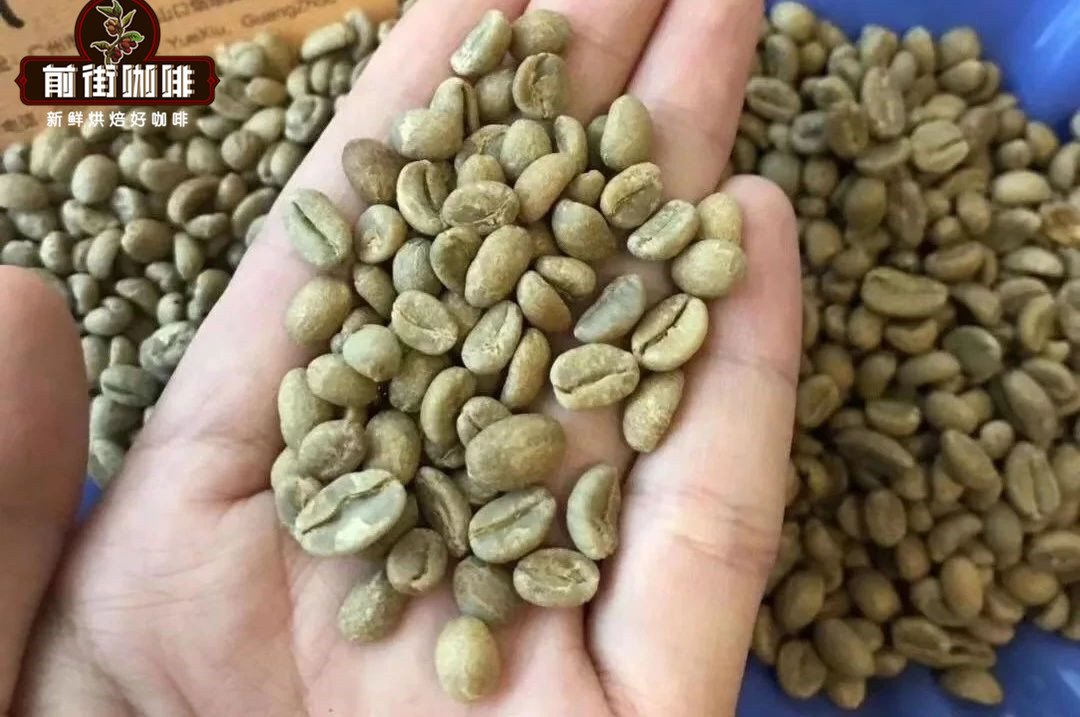
Ethiopian coffee commonly seen in China is mostly G1 to G2 grade, and mainly washed lots. In the early days, because natural processing techniques were not mature enough, naturally processed green beans had a relatively high number of defects, generally falling within the G3 to G5 range. With the continuous improvement of natural processing techniques, naturally processed beans can now also reach G1 to G2 grades.
From this it can be seen that G1 is the highest grade, with the fewest defective beans, while commercial beans are usually G4 grade. Coffee beans from the Sidamo region generally use the natural processing method: first, defective beans and impurities are removed from the harvested ripe fruits of Ethiopian heirloom varieties, then the fruits are directly placed on raised drying beds for two to four weeks of drying, after which hulling is completed with a huller. Therefore, Sidamo coffee beans carry both the citrus aroma of washed beans and a rich berry fragrance. But if natural processing is done improperly, the coffee beans will pick up an earthy, musty taste and lose their original aroma.
If you are trying Sidamo Natural G1 grade coffee for the first time, Front Street recommends ALO Arlo Village coffee beans. Fully ripe coffee cherries undergo an initial sorting, then are washed and classified again according to fruit condition; by observing the color of the skin, overripe cherries or those with insufficient ripeness are removed. Sidamo coffee processed in this way has a sweet, ripe-fruit texture that is unforgettable after one sip.
However, not all countries divide coffee grades by the number of defective beans as Ethiopia does. In fact, many countries have different grading methods. Some countries mainly grade coffee by bean size, such as Tanzania, Rwanda, Colombia, Jamaica and others. Take Kenya as an example; it is usually divided into eight grades: E (elephant bean), AA, AB, C, PB, TT, T, MH/ML.
Jamaican coffee is divided by quality from high to low into NO.1, NO.2, NO.3 and PB, among which PB means peaberry. According to CIB standards, the defect rate must be below 3%, and moisture content is about 13%. The basic requirement for NO.1 Blue Mountain green beans is 17 mesh or above, NO.2 is 16 mesh or above, NO.3 is 15 mesh or above, and PB is about 14 mesh or above. The grade of Jamaican High Mountain coffee is similar to Blue Mountain coffee, but it does not have the peaberry PB grade; while Jamaican coffee only has the prime grade, with a mesh range between 15 and 17.
Because coffee beans from Ethiopia's Sidamo region vary unevenly in size, the local area usually does not grade by bean size. Reading this, everyone may wonder: why does Ethiopia not select the better heirloom varieties during the cultivation stage and then plant them uniformly?
To answer this question, Front Street needs to introduce Ethiopia's coffee cultivation and harvesting situation. Generally speaking, most coffee trees in Ethiopia are in a wild or semi-wild state, growing scattered in different areas or plots. Because Ethiopia is located in the tropics, tropical plants survive very easily, and after the coffee fruits ripen, coffee farmers harvest them. But in reality, the fruits the farmers harvest come in all shapes and forms. Ethiopia has nearly 2,000 recorded coffee varieties, of which 1,927 are heirloom varieties and 128 are introduced foreign varieties. Ethiopia's coffee varieties can truly be called a "grand garden," with long ones, short ones, thin ones, and plump ones all available.
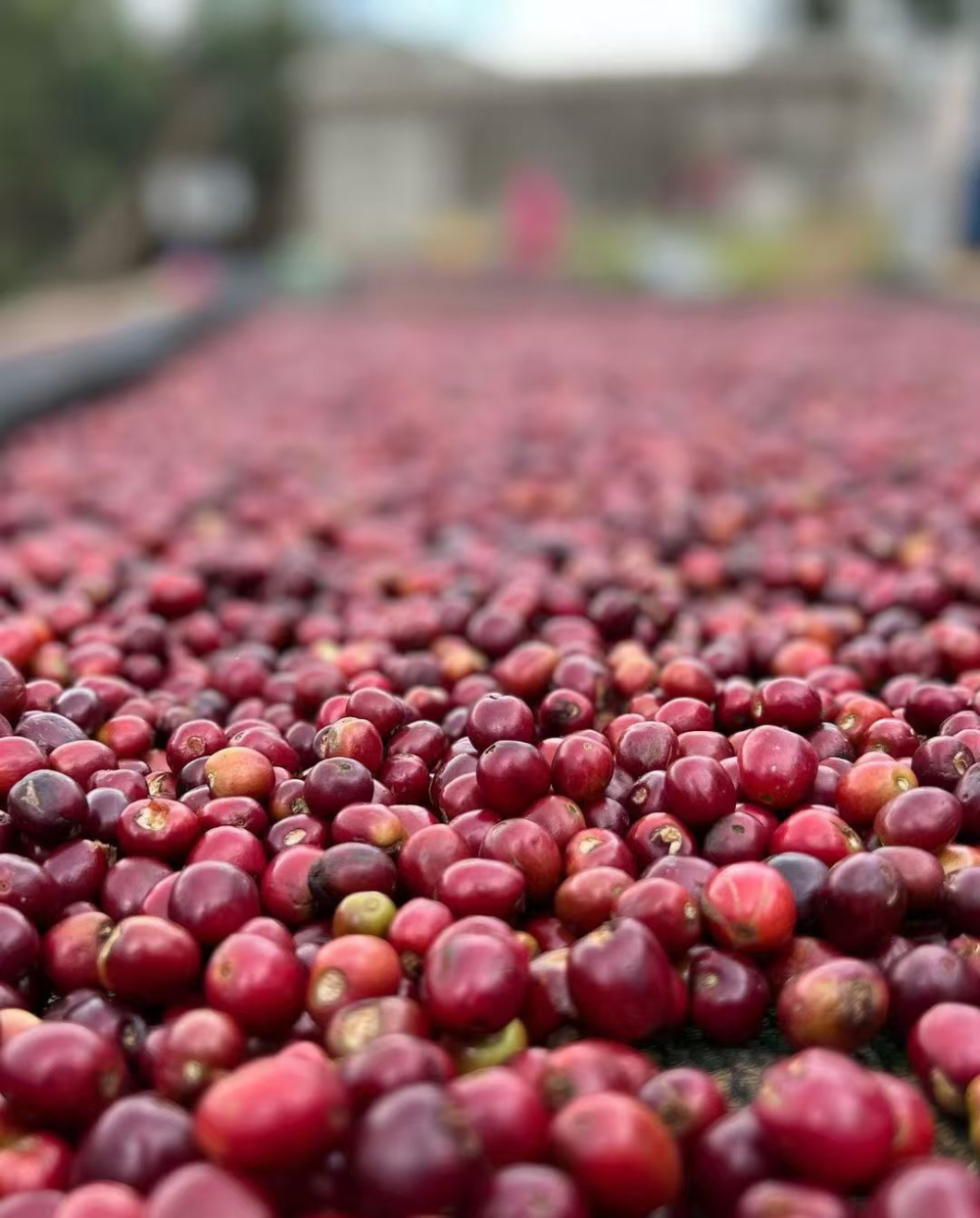
According to Front Street's understanding, the uneven quality of Ethiopian coffee fruits attracted the attention of a Dutch green bean merchant, who joined hands with local cooperatives to launch the "Red Cherry Project." By raising the purchase price of high-quality green coffee beans, this project encourages coffee farmers to more carefully complete each stage such as harvesting and processing. The coffee beans produced in this way are of better quality and taste better, and can be better recognized by the end market, thereby balancing the relatively higher purchasing cost.
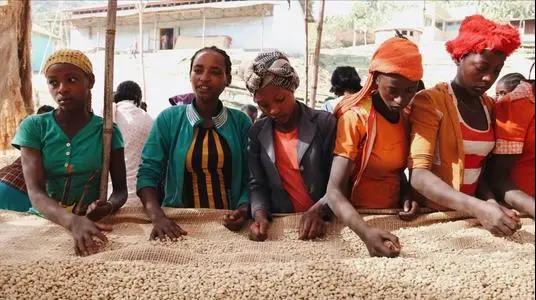
The so-called "red cherry" means that farmers must harvest when the coffee cherries are at their optimal ripeness, then remove defective beans, overripe beans and insect-damaged beans through manual sorting, retaining only high-quality beans. They are then sent to drying sites for processing, and different regions use different drying racks; some use tarps, some use raised beds, and the most common is the African drying bed. The drying process generally takes 27 to 30 days, and is considered complete only when the coffee turns dark purple and the moisture content drops to 11%. Natural Yirgacheffe has a more intense flavor and richer layering, with vinous fermentation notes and relatively higher sweetness.
One Natural Red Cherry currently offered by Front Street is precisely a coffee bean under this project. During roasting and cupping, Front Street can clearly feel the difference between it and ordinary naturally processed beans. Because the coffee beans from the Red Cherry Project are consistent in ripeness, they are heated and developed more evenly during roasting, allowing a large amount of floral aroma and fruit acidity to be retained in the coffee beans.
Therefore, Front Street uses a relatively high water temperature and a finer grind to extract the fruit acidity of coffee from Ethiopia's Sidamo region, and selects a dripper with faster flow, such as the V60 dripper. If there is still anything you do not understand, you are welcome to visit the Front Street Coffee (FrontStreet Coffee) store to exchange coffee knowledge.
Dripper: V60 Water temperature: 92-93°C Dose: 15g Coffee-to-water ratio: 1:15 Grind size: fine granulated sugar size (No. 20 sieve bowl, 78% passing)
For the first pour, add 30 grams of water and bloom for 30 seconds, then pour in 95 grams (the electronic scale shows about 125 grams), completing the pour in about 1 minute; when the water level drops to 2/3 of the coffee bed, pour in the remaining 100 grams (the electronic scale shows about 225 grams), completing the pour in about 1 minute 35 seconds. Dripping is completed at 2 minutes 10 seconds; remove the dripper and extraction is complete.
Natural Red Cherry flavor: lemon, licorice, citrus, berry, sweet orange; overall sweetness is relatively high, with caramel and cream notes in the finish, and a black tea aroma in the aftertaste.
The above content is compiled by CoffeeHunters, a coffee news website.


