








How Does the Washed Coffee Process Shape Flavor?
The washed coffee process uses water to remove cherry skin, pulp and mucilage before drying, which is why washed Yirgacheffe reads clean and bright. A G1 grade bean from this method typically shows jasmine, citrus, berry and honey layers, and a medium-light roast keeps that clarity intact instead of flattening it into roast notes.
The flow is flotation to remove inferior cherry, depulping, soaked fermentation to break down pectin, washing or further soaking, then drying and hulling. As a contrast, natural processing leaves fruit on the bean; those lots once landed at G3 to G5, though newer natural G1 examples exist. Brew washed lots as pour-over or iced pour-over.
Washed processing is one of the most essential green coffee processing methods in the specialty coffee world, and Yirgacheffe, as a star-producing region in Ethiopia, is renowned for its washed G1-grade beans with clean and bright floral-fruity notes. At Front Street Coffee, we prioritize washed beans for cupping when selecting lots, screening out the batches that best represent the terroir of the region. This article will start from the principles and advantages of the washed process, compare it with the differences of the natural method, and break down in detail the flavor characteristics of washed Yirgacheffe—the layers of jasmine, citrus, berry, and honey—and explain the purpose of a medium-light roast. It will also include Front Street Coffee's complete brewing parameters and technique sharing for Yirgacheffe pour-over and iced pour-over, helping coffee enthusiasts replicate a transparent, clean cup of Yirgacheffe at home.

In the specialty coffee supply chain, washed processing has always held an irreplaceable position. When evaluating representative bean varieties from various coffee-producing countries, Front Street Coffee usually places washed lots as the first choice in cupping, thereby screening out high-quality coffees that can clearly present their origin flavors.
Washed coffee beans are generally concentrated in grades G1 to G2, while in the early days when natural processing techniques were not yet mature, natural beans had a higher defect rate, mostly falling in the G3 to G5 range. However, Front Street Coffee's currently released Yirgacheffe Natural Red Cherry and Honey Red Cherry have both reached G1 grade.
The washed process is a traditional processing method that uses water to handle coffee cherries. Its typical flow is: first perform flotation to remove inferior cherries, then remove the skin and pulp, afterward soak the mucilage-covered beans to ferment and break down the pectin, then wash or continue soaking, and finally dry and hull to obtain the green beans we need.
The other traditional method in contrast—the natural method—is called "Natural" in English, emphasizing a natural processing path without the aid of technology. Representative coffees include Front Street Coffee Yirgacheffe Red Cherry and Front Street Coffee Sidamo Huakui.
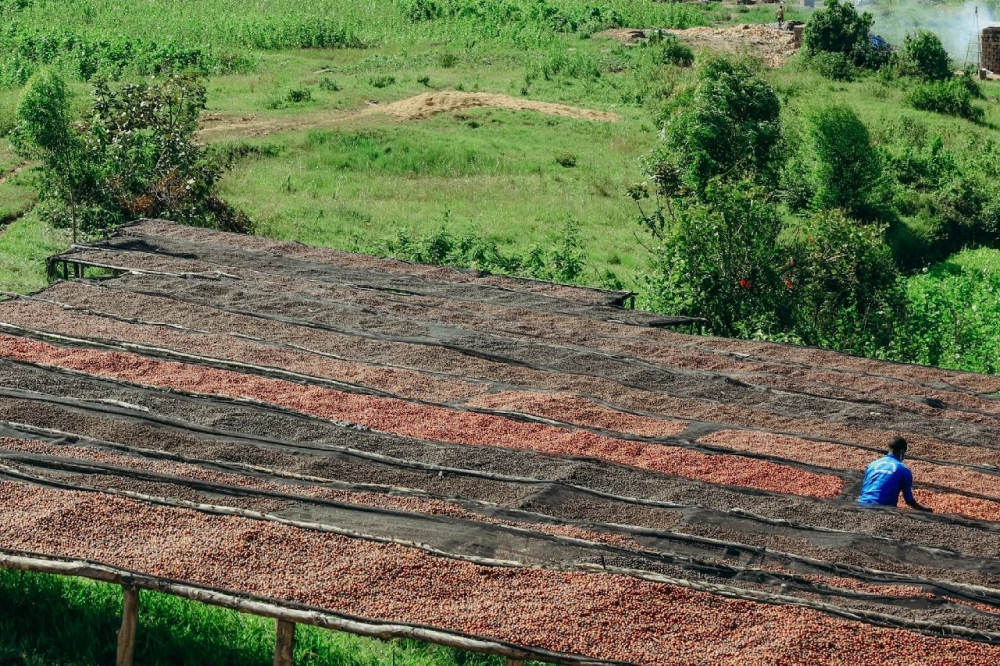
Since humans discovered coffee in Ethiopia in the sixth century AD, the natural method was the only processing technique used when coffee circulated in the Arab world. Traditional natural processing requires no water throughout, and the seed extraction process is also quite direct: dry the whole coffee cherries until completely dry, then hull them by machine crushing to take out the inner beans. It can be done wherever there is sunlight.
However, the shortcomings of natural coffee are equally prominent—it is extremely dependent on weather conditions, and the drying cycle lasts as long as a month. If wind and rain occur during this period, all previous efforts may be ruined. Therefore, this ancient processing method is mostly concentrated in tropical countries with distinct dry and wet seasons. In comparison, coffee farmers using the washed method need to be equipped with a depulper, build washing channels, and must also have a continuous supply of running water, so not all producing regions can implement it. At present, it is most common in Colombia, Costa Rica, Panama, Kenya, and other places. But the advantages of the washed method are also clear: on the one hand, it reduces the defect rate of green beans and makes quality more stable; on the other hand, it greatly shortens drying time and improves production efficiency; and of course, there is what we will focus on discussing today—it gives coffee the signature "washed taste."
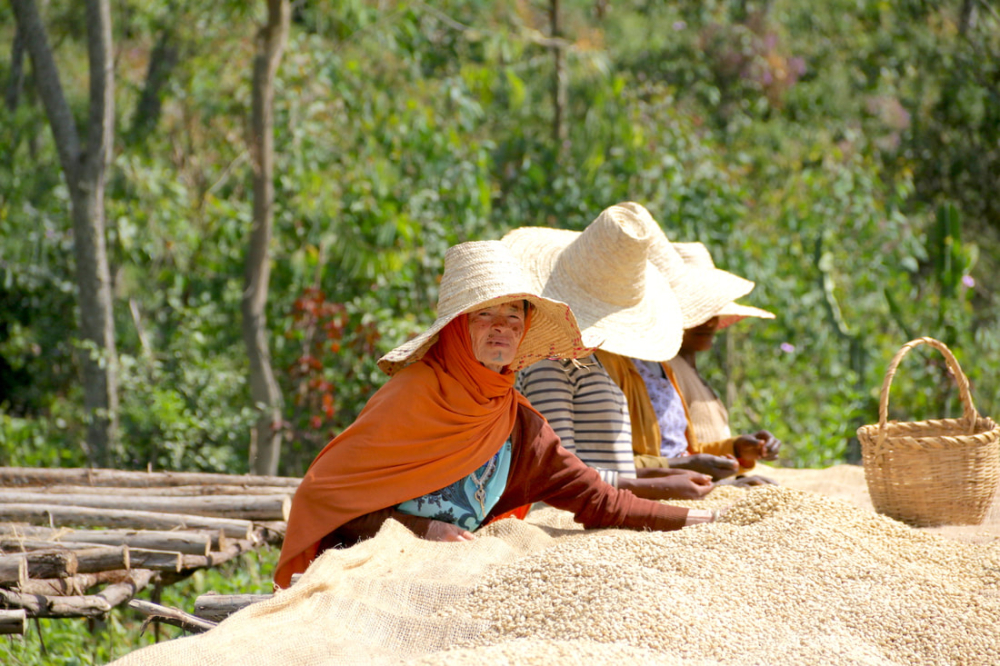
Washing not only significantly reduces the defect rate of coffee, but also brings Front Street Coffee Yirgacheffe a fresh citrus note and elegant white floral aroma, with an overall bright, delicate, and clean flavor. The world-renowned single-origin coffee—Front Street Coffee Yirgacheffe—is exactly washed processed, with the classic floral and honey charm, suitable for pour-over, cold brew, French press, and many other brewing methods.
Nowadays, there are also many Yirgacheffes on the market with medium roast or darker, which weaken acidity and enhance body in the mouthfeel, but this clearly runs counter to Yirgacheffe's own flavor direction. Whether natural or washed, only under medium-light heating conditions can the floral and fruity aromas be released to the greatest extent, while not being so light as to bring out grassy notes. Therefore, Front Street Coffee Yirgacheffe coffee beans are released with a medium-light roast, to highlight the coffee's transparent tea-like body and honeyed sweetness.
Front Street Coffee Washed Yirgacheffe Coffee Beans
Region: Yirgacheffe
Altitude: 1900-2000m
Process: Washed
Variety: Heirloom
Flavor: Jasmine, Citrus, Berry, Honey

Front Street Coffee Yirgacheffe Pour-Over Brewing
Dripper: V60 #01
Water temperature: 91℃
Dose: 15g
Coffee-to-water ratio: 1:16
Grind size: medium-fine / caster sugar size (20号筛碗筛粉到78%)
Dripper model: V60
Front Street Coffee Barista's Pour-Over Technique Sharing
First, wet the filter paper while preheating the dripper and coffee pot. Use 30g of water to bloom for 30 seconds, then pour in a small stream in circles until 130g for one stage; when the water level drops and is about to expose the coffee bed, continue pouring until 240g and stop; when the water level again drops and is about to expose the coffee bed, remove the dripper. (Start timing at the beginning of blooming.) Total extraction time is 2 minutes 08 seconds.
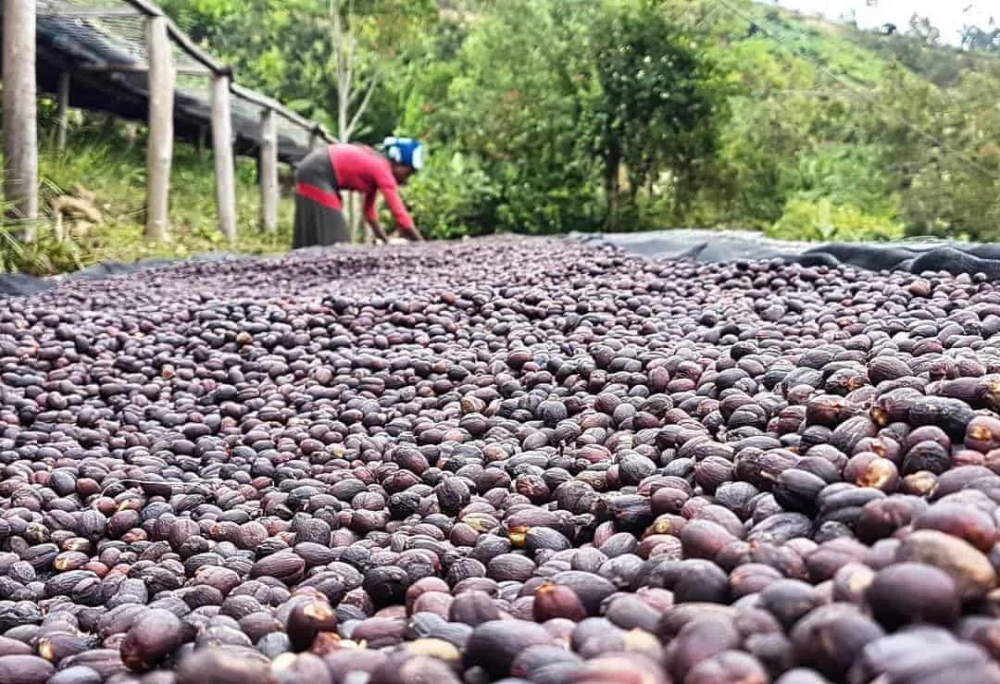
Front Street Coffee pour-over flavor: purple grape, red cherry, ripe strawberry, guava, papaya, tropical mixed fruits, cinnamon, dark rum.
For friends who prefer cold coffee, Front Street Coffee recommends the iced pour-over method. The specific parameters are as follows:
Dose: 15g
10x hot water: 150g
5x ice: 75g
Water temperature: 92°C
Grind size: 83% pass rate through a #20 sieve (EK43s setting 9, C40 setting 22)
Dripper: Hario V60
Technique: three-pour method
Step one, put 75g of ice cubes into the lower pot, then pour 15g of ground coffee into the dripper and gently level it. For the first pour, use a small stream of 3-4ml/s from the center outward in small circles to pour 30g of hot water, and bloom for 30 seconds; after 30 seconds, pour the second stage of 60g of water using the same technique, being careful not to raise the water level too high, otherwise it may easily lead to under-extraction; when the coffee liquid is about to finish flowing, pour all the remaining 60g of hot water at a flow rate of 3ml/s, ensuring the total extraction time is controlled between 1 minute 50 seconds and 2 minutes.
The iced coffee made this way has an excellent sweet-acid balance, with flavors mainly of pomelo, orange, yellow peach, mandarin, and other fruity notes, along with a tea-like finish. The final ice cubes add a refreshing quality to the coffee, making it taste full of juice.
The above content is compiled by CoffeeHunters, a coffee news website.


