







Search Results for: Kenya Asaliya
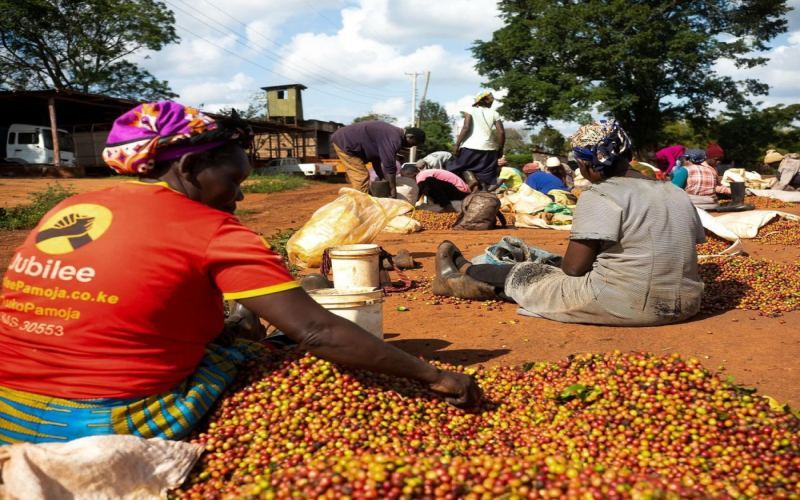
A Full Analysis of the Flavor Differences and Pour-Over Parameters of Three Kenyan Coffee Beans: A Comparative Review of Karogoto, Asaliya, and Haniya
Kenya, as a well-known coffee-producing country in Africa, is famous for its bright fruit acidity and rich aroma. Front Street Coffee currently has three Kenyan beans—Karogoto, Asali, and Hania—from the Nyeri and Kiambu Thika producing regions respectively, covering SL28/SL34 and French Mission Bourbon varieties, with processing methods ranging from K72 washed to refined natural. This article compares them one by one from producing region, altitude, variety, processing method, roasting curve to cupping flavor, and includes a unified pour-over extraction recipe, helping coffee lovers understand the stylistic differences among the three and find the one that suits their taste. [more…]
Analysis of Flavor Differences Between Dark and Light Roasts of Kenyan Coffee and Practical Brewing with Pour-Over, French Press, and SOE
Kenyan coffee has always been known for its bright acidity, but historically there was also a mainstream practice of dark roasting. This article uses two Kenyan AA beans selected by Front Street Coffee—Karogoto and Asaliya—to compare the flavor and mouthfeel differences between dark roast and light roast, and documents in detail the brewing performance of pour-over, French press, and a dark-roasted Kenyan blend espresso. Starting from the roasting technology background of the second wave of coffee, the article also explains the origin of the saying "dark-roasted Kenya" and the changing logic of roast level choices in the specialty coffee era, providing coffee lovers with a reference that balances theory and practice. [more…]
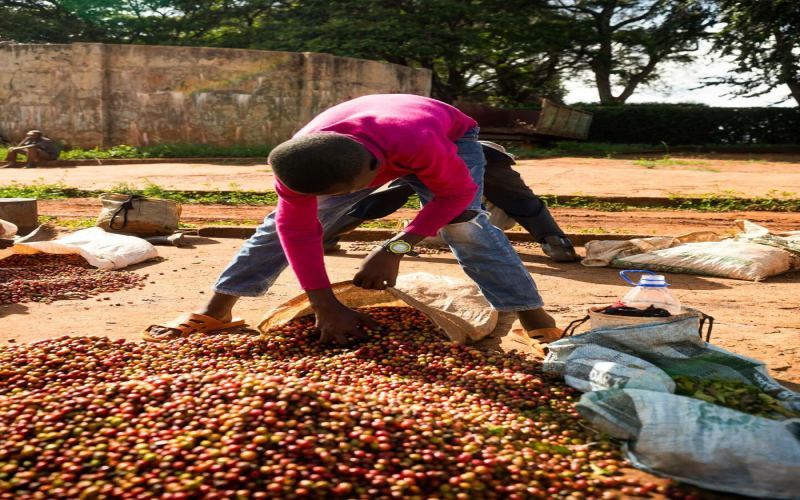
Kenyan Coffee Bean Flavor Code: A Detailed Guide to K72 Washed Processing, SL28/SL34 Varieties, and Acidity Differences Across Growing Regions
Kenyan coffee stands out in the specialty coffee world with its powerful, full-bodied acidity, forming a sharp contrast to the crisp brightness of Ethiopia. From the establishment of the cooperative union in 1931 to the K72 72-hour washed fermentation, from the selection and breeding of SL28 and SL34 to the fine grading of AA, AB, and others, Kenya has built a complete specialty coffee system. This article systematically reviews the historical development of Kenyan coffee, cultivation models, flavor differences among major producing regions, and variety characteristics, and includes roasting and brewing suggestions for Front Street Coffee's Kenyan Asaliya coffee beans, bringing you a comprehensive understanding of the unique charm of this African producing region. [more…]

A Comprehensive Guide to Kenyan Coffee Beans: An In-Depth Analysis of the AA Grading System and the K72 Washing Process
Kenyan coffee is renowned worldwide for its intense, full-bodied fruity acidity and rich fruit flavors, and its unique grading system and processing methods have always been a focal point for coffee enthusiasts. This article will systematically review the development history, cultivation models, variety composition, and regional characteristics of Kenyan coffee, provide a detailed interpretation of the complete grading system from E to T, and deeply analyze the flavor differences between AA and AB grades. At the same time, Front Street Coffee will share roasting suggestions and pour-over parameters for two beans, the Kenyan Asaliya and the Sasini Estate PB, taking you through every step of Kenyan coffee from seed to cup. [more…]
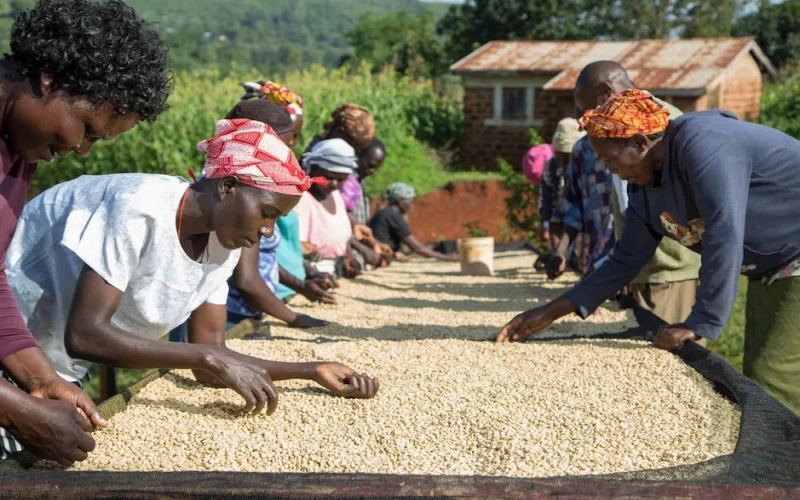
A Complete Guide to Kenyan Specialty Coffee Bean Grades: AA, AB, and PB Grading Standards and Flavor Evaluation System
Kenyan coffee is renowned for its bright fruit acidity and solid sweetness. Behind this highly recognizable flavor profile lies a strict grading system that has been in use for nearly a century. Since the 1930s, Kenya has established grade classifications based on coffee bean size, shape, and hardness, while also incorporating flavor grade assessments to provide a double safeguard for green bean quality. What exactly do common grades like AA, AB, and PB represent? What do AA+ and TOP AA mean respectively? This article systematically sorts out the grading logic of Kenyan coffee, the screen sizes corresponding to each grade, and uses Front Street Coffee's own roasted Kenyan Asaliya coffee beans as an example to share their origin background, processing method, and brewing suggestions, helping coffee enthusiasts more clearly understand the quality framework of Kenyan coffee. [more…]
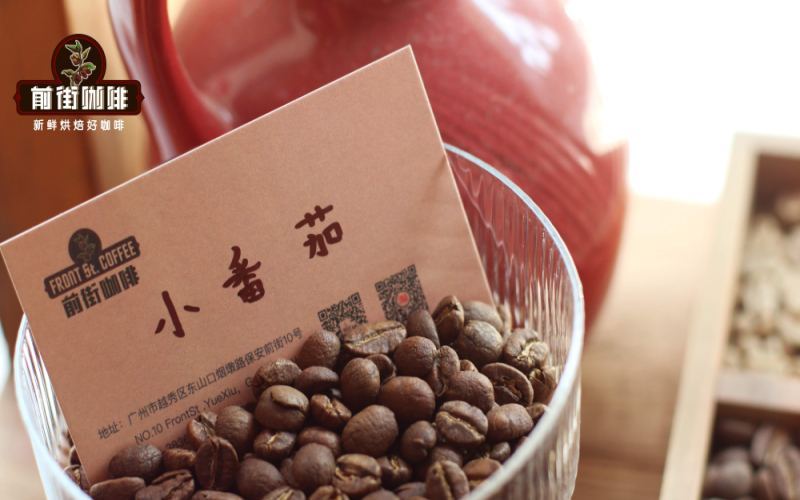
How is the body of Kenyan Asaliya washed beans? Analyzing Kenyan coffee flavor and brewing key points
Kenya is a production region beloved by many sour coffee enthusiasts. Front Street Coffee's Kenya Small Tomato coffee beans are known for their complex, full-bodied juicy feel and dark fruit flavors, suitable for various extraction methods such as pour-over, cold brew, and moka pot. This coffee from the Thika region uses the Kenyan-style 72-hour washed process, with varieties SL28 and SL34, featuring bright fruit acidity, a mellow mouthfeel, and both caramel sweetness and a wine-like body. This article will guide you through the flavor characteristics of Kenyan coffee, the double washed processing method, and the grading system, and share Front Street Coffee's recommended brewing parameters and pouring techniques to help you fully showcase the aroma of Small Tomato and its smoked plum acidity. [more…]
Kenya SL28 and SL34 Coffee Varieties Explained and a Full Overview of Flavor Differences Between AA and AB Grades
Kenyan coffee stands out among Africa's specialty origins for its bright and delightful acidity, and the core that sustains its consistent quality is precisely the two signature varieties, SL28 and SL34. In this article, Front Street Coffee (FrontStreet Coffee) systematically sorts out the varietal origins of Kenyan coffee: from the selection process at the Scott Laboratories, to the genetic classification and bean appearance differences of SL28 and SL34, and on to the later Ruiru 11 and Batian. The article also provides a detailed interpretation of the green bean grading system that Kenya still uses today, explaining that the difference between AA and AB lies mainly in bean size rather than flavor quality, and includes complete information, roasting curves, and brewing suggestions for Front Street's two beans, Kenya Asaliya and Sachini PB, to help coffee enthusiasts fully understand the flavor logic of Kenyan coffee. [more…]

An Analysis of Kenya Coffee's Grading System and Flavor Characteristics: From AA to Peaberry, Getting to Know One of the World's Top Producing Regions
Kenyan coffee occupies a pivotal position in the global specialty coffee landscape, and its bright, uplifting acidity and rich layers of complexity have fascinated countless coffee lovers. Yet when confronted with the letter combinations such as AA, AB, and PB on Kenyan coffee bean labels, many people are not clear about what they actually mean. In fact, these designations originate from Kenya's official coffee grading system, which takes into account multiple factors such as bean size, shape, and hardness. This article will systematically sort out Kenya's complete coffee grading system, explain the specific standards for each grade, and clarify the difference between the secondary grading set by green bean traders themselves and the official grades. At the same time, Front Street Coffee will also draw on its own sourcing experience to share the roasting and brewing approach for an AA-grade Kenyan bean from the Asaliya processing station. [more…]
An Analysis of Kenyan Coffee Bean Flavor Characteristics: Tracing the Origins of SL28 and SL34 Varieties, Historical Evolution, and Pour-Over Brewing Parameters
Kenya, as a representative producing country of African specialty coffee, is renowned for its coffee's intense acidity and vivid juicy character, often described as having a cherry tomato-like taste experience. This article systematically outlines the geographical distribution and harvest rhythm of Kenya's six major coffee regions, with a focus on tracing the breeding history and genetic origins of the two classic varieties SL28 and SL34, while also introducing the characteristics of later-developed varieties such as Ruiru11 and Batian. In addition, the article covers Kenya's coffee grading system, the unique triple-cycle fermentation washing process (K72), and Front Street Coffee's brewing parameters and flavor description for Kenyan Asaliya coffee beans, providing coffee enthusiasts with a complete understanding from origin to cup. [more…]

How to Make Cold Brew Coffee? A Full Breakdown of Coffee-to-Water Ratios, Grind Size, and Extraction Time for Cold Brew and Ice Drip
On a scorching summer day, a glass of iced coffee is the top choice for cooling off, and cold brew coffee, with its mellow, sweet taste brought by low-temperature extraction, is deeply loved by coffee enthusiasts. Cold brew actually comes in two types: immersion-style and ice-drip-style, each with its own particular methods of preparation, equipment, coffee-to-water ratio, and extraction time. This article uses Front Street Coffee's hands-on experience as an example to explain in detail the complete process for making immersion cold brew and ice-drip coffee, including the 1:10 ratio of 50 grams of coffee to 500 grams of water, grind size selection, refrigeration time control, and the six-step operation method for ice-drip coffee. It also recommends the Kenya Asalia coffee beans suitable for making cold brew and analyzes the bright acidity brought by its K72 washed processing method and SL28 and SL34 varieties. [more…]
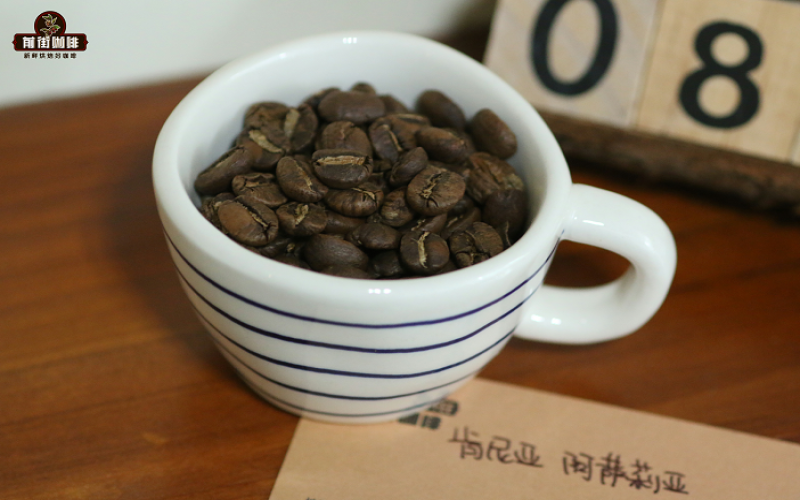
Kenya Asalia Washed Coffee Beans Pour-Over Guide: Flavor Layers and K72 Processing Method Explained
Kenyan coffee is renowned for its vibrant fruit acidity and multi-layered flavors, and the Asalia washed beans launched by Front Street Coffee are a typical representative. This coffee comes from the Asali processing plant in the Thika region, at an altitude of 1,550 to 1,750 meters, with varieties SL28 and SL34, using the Kenyan-style 72-hour fermentation washed method. The flavor presents a complex tonality of snow pear, smoked plum, yellow sugar, plum, and cherry tomato. This article will guide you through the background of the Kenyan region, the origins of the SL varieties, and the K72 processing technique, and share Front Street's roasting curve and two brewing methods—V60 and cake cup—comparing the flavor performance under different drippers to help you fully unleash this coffee's juicy feel and floral finish. [more…]
A Complete Guide to Kenya's K72 Double Washed Processing Method: Coffee Bean Flavor Characteristics, Auction System, and Regional Varieties
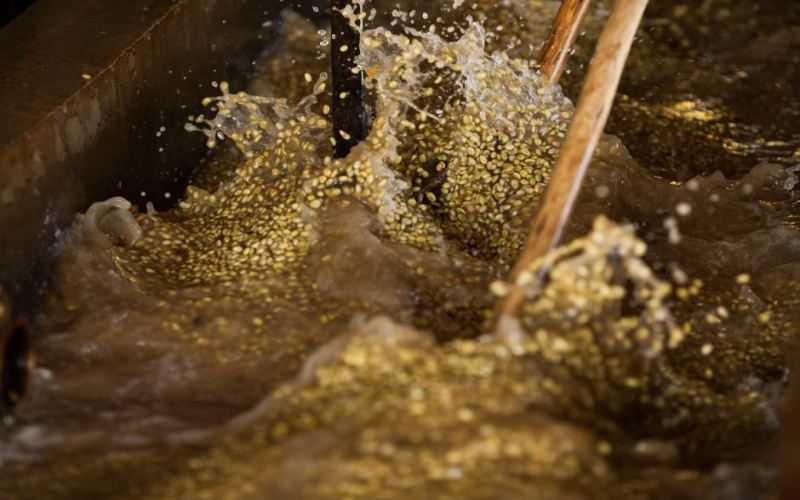
Kenya, though neighboring Ethiopia, has forged a distinctly different path in coffee development. From the British introduction of coffee in the 19th century, to the Scott Laboratories' selection and breeding of SL28 and SL34, and then to the repeated fermentation process of the K72 double washed method, Kenyan coffee is renowned for its intense acidity reminiscent of cherry tomatoes and dark plums. Front Street Coffee systematically reviews the historical context of Kenyan coffee, its auction trading system, the distribution of major producing regions and variety characteristics, and provides a detailed explanation of grading standards such as AA, AB, and PB. This article also presents the roasting curve, cupping flavor profile, and V60 pour-over parameters for Front Street's Kenya Asalia coffee beans, helping coffee enthusiasts gain a comprehensive understanding of the unique charm of this African producing country. [more…]
A Complete Guide to Kenya K72 Washed Processing: SL28 and Other Variety Distribution, Flavor Characteristics, and Brewing Guide
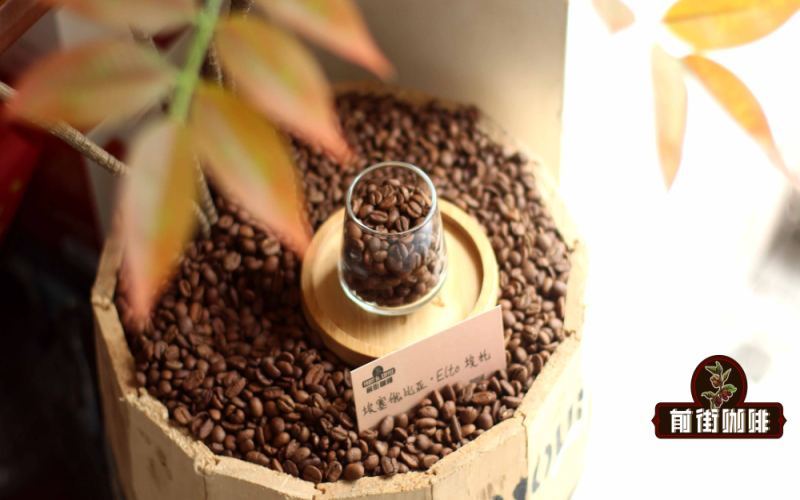
Kenyan coffee is famous in the specialty coffee world for its bright, clean acidity. Its iconic K72 washed processing method, together with varieties such as SL28 and SL34, creates its unique flavor. From the perspective of Front Street Coffee, this article systematically reviews the complete process of Kenyan-style 72-hour fermentation washing, analyzes the origins and characteristics of major varieties such as SL28, SL34, Ruiru11, and Batian, introduces Kenya's coffee growing conditions and grading system, and includes the roasting curves and brewing parameters for two Front Street beans, Kenya Asaliya and Sasini PB, to help coffee lovers fully understand the flavor code of Kenyan coffee. [more…]
A Detailed Guide to Kenyan Coffee Varieties SL28 and SL34: Flavor Characteristics, Bean Origins, and Grading System
Kenyan coffee stands out among Africa's specialty regions with its bright and pleasant acidity, and behind this consistent quality lies the support of two iconic varieties: SL28 and SL34. This article, from the perspective of Front Street Coffee, traces the breeding history and variety characteristics of SL28 and SL34, compares their similarities and differences in flavor expression, and extends the discussion to later-developed varieties such as Ruiru11 and Batian. At the same time, the article will systematically explain Kenya's coffee bean grading system, including the traditional size-based classifications of AA, AB, and PB, as well as the new quality grading procedures established by the Kenya coffee research institute. Finally, it includes detailed information, roasting parameters, and brewing suggestions for two Front Street beans—Kenya Asalia and Sachini PB—for coffee enthusiasts' reference. [more…]
Analysis of Kenyan Asalia Pour-Over Parameters: V60 Dripper Coffee-to-Water Ratio and Key Operating Points
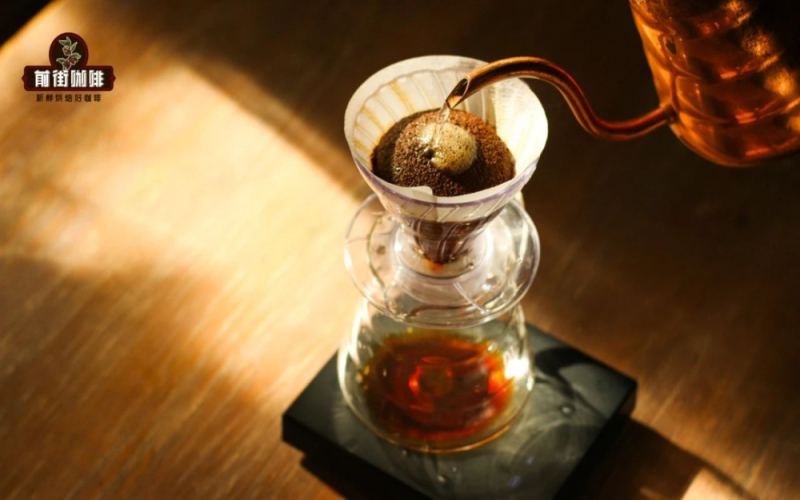
The joy of pour-over coffee lies in showcasing the unique character of beans from different origins by adjusting equipment and parameters. Using Front Street Coffee's Kenya Asaliya as an example, this article provides a detailed introduction to the V60 dripper's structural features, material and model selection, and offers specific brewing parameters and staged extraction techniques. It also analyzes the flavor performance of this AA TOP bean, helping coffee enthusiasts, based on an understanding of the relationship between dripper flow rate and extraction, master a practical method for consistently producing a bright, clean cup of Kenyan pour-over. [more…]
Where Does the Sour Taste of Kenyan Coffee Come From? A Full Analysis of the AA, AB, and PB Grading System and the Flavors of the Ten Major Producing Regions
Kenyan coffee is renowned for its clean, crisp cup profile and bright fruit acidity, making it one of the most recognizable African beans in the minds of many coffee enthusiasts. Why is Kenyan coffee so acidic? This is inextricably linked to its high-altitude growing environment, volcanic soil, and unique washed processing method. This article will systematically outline the growing conditions and historical context of Kenyan coffee, introduce the ten major producing regions including Nyeri, Murang'a, and Kirinyaga one by one, provide a detailed explanation of the official grading standards such as AA, AB, and PB based on bean size, and analyze the causes of its signature acidity. At the end of the article, Front Street Coffee's pour-over parameters for Kenyan Asaliya are shared for practical reference. [more…]
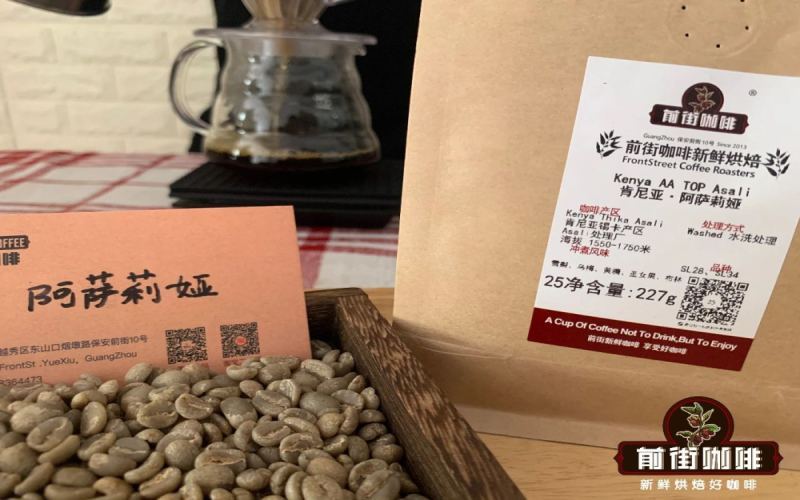
How Is Kenyan Coffee AA Grade Distinguished? A Comprehensive Analysis of Regional Flavors, K72 Washed Processing, and Pour-Over Parameters
Kenyan coffee stands out in the global specialty coffee scene with its bright fruit acidity and full berry flavors, and the AA grade is among its most closely watched representatives. This article starts with Kenya's geography and growing conditions, systematically sorting out the altitude, varieties, and flavor differences of six major producing regions including Thika, Kirinyaga, and Nyeri, and explains in detail the evolution of Kenya's coffee auction system and direct trade. At the same time, the article takes a deeper look at the origins of classic varieties such as SL28 and SL34, as well as the famous K72-hour washed fermentation process, helping readers understand the reasons behind Kenyan coffee's high acidity and thick, juicy mouthfeel. Finally, using Front Street Coffee's Kenya Asaliya as an example, it shares a medium-light roast approach and V60 pour-over parameters, presenting the specific flavor expressions of dried plum, cherry tomato, and yellow sugar sweetness. [more…]
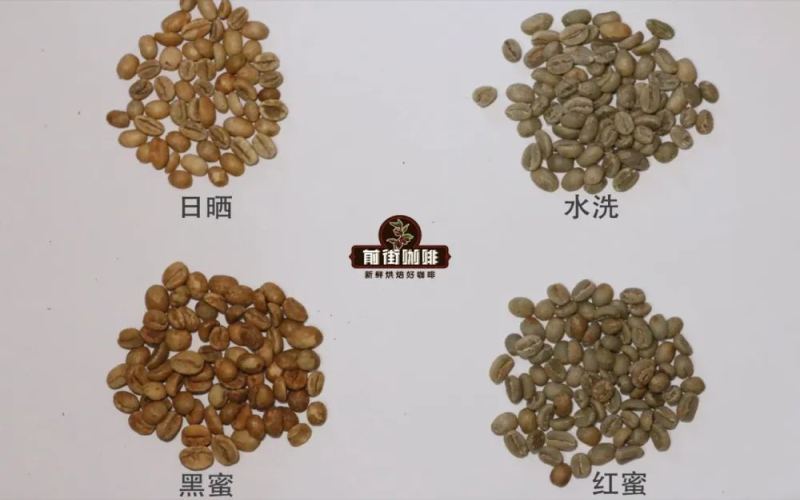
Which coffee varieties are suitable for the washed process? A detailed explanation of the flavor characteristics of washed coffee beans and the complete processing flow
The washed processing method is one of the most common and most highly regarded processing methods in specialty coffee, known for its clean flavor, bright acidity, and uniform bean appearance. This article, from the perspective of Front Street Coffee, will systematically explain the structure of the coffee fruit, each step of the washed process, and the advantages, disadvantages, and flavor characteristics of washed beans. Through a comparative experiment between two washed beans—Kenya Asaliya and Yirgacheffe Gediding—it will demonstrate how the same processing method can present completely different flavor profiles under different origins, varieties, and altitude conditions. [more…]
A Complete Guide to Kenyan AA Coffee Pour-Over Parameters: Growing Region History, Grading Standards, and Brewing Flavor Characteristics
Kenya coffee is renowned for its clean, crisp mouthfeel and bright fruit acidity, and is widely recognized in the specialty coffee world as the representative of acidity. From the perspective of Front Street Coffee, this article systematically reviews Kenya's growing conditions and historical context, introduces the ten major producing regions one by one, including Nyeri, Murang'a, and Kirinyaga, and explains in detail how Kenya's official bean grading system and the K72 washed processing method shape its flavor. Finally, using Front Street Kenya Asalia as an example, it provides the dripper selection, water temperature range, grind assessment, and three-stage pouring plan for hand-brewing light-roast beans, helping coffee enthusiasts consistently brew layers reminiscent of smoked plum, cherry tomato, and yellow sugar. [more…]

A Complete Guide to the Washed Coffee Processing Method: From Pectin Fermentation to Flavor Expression, Processing Steps, and Pros and Cons
The flavor of coffee beans depends not only on variety and origin—the processing method also plays a key role. This article systematically walks through the complete washed processing method—from removing floating beans and separating the skin and pulp, to fermenting away the mucilage, rinsing with clean water, and drying and hulling—and takes an in-depth look at the advantages and disadvantages of the washed method in terms of quality, appearance, cost, and water usage. At the same time, Front Street Coffee uses two washed beans—Kenya Asaliya and Yirgacheffe Gutingding—as examples to compare the flavor differences brought by different origins, altitudes, and varieties under the same processing method, helping readers build a more well-rounded understanding of washed coffee. [more…]